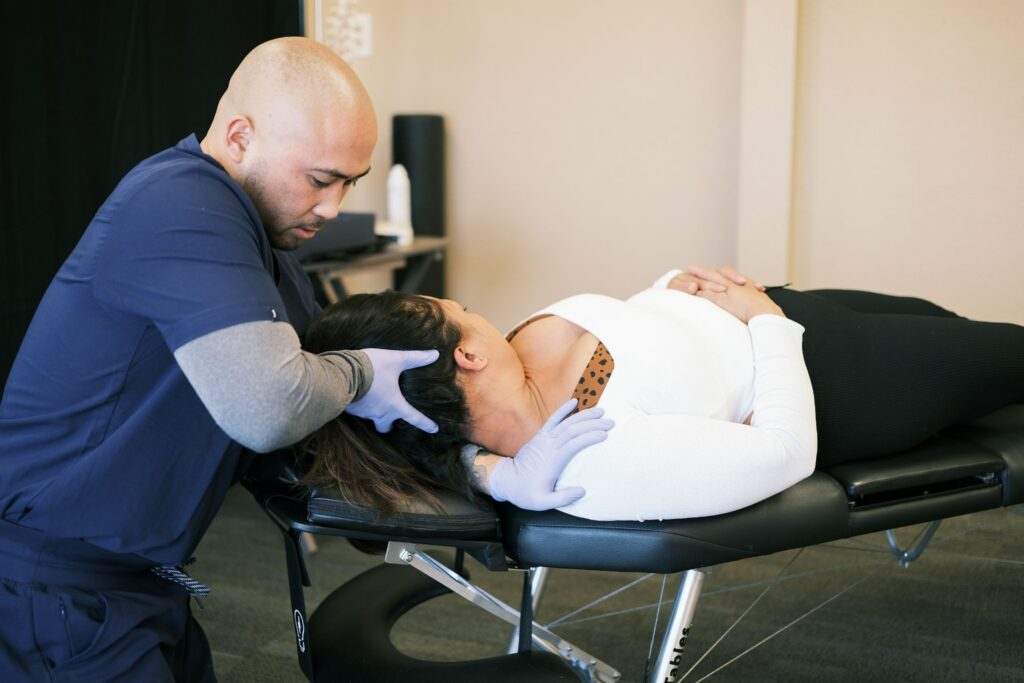

When it comes to your health, one-size-fits-all approaches often fall short. Tailored care stands out because it's designed specifically for you, taking into account your unique health needs, lifestyle, and even genetics. This personalized approach not only enhances your overall health outcomes but also increases your engagement in the process. You might be wondering how this all comes together and what it means for your specific situation. Understanding the nuances of tailored care can open up new possibilities for your health journey.
Understanding Tailored Care
When it comes to healthcare, many people find that a one-size-fits-all approach just doesn't cut it. You're unique, with your own set of health needs, lifestyle choices, and genetic factors. Understanding tailored care means recognizing that your healthcare plan should reflect these individual characteristics. Instead of generic recommendations, tailored care focuses on developing strategies that work specifically for you.
This personalized approach involves gathering detailed information about your medical history, preferences, and current health status. Your healthcare provider takes the time to listen to your concerns and goals, ensuring they fully understand your situation. By doing this, they can create a plan that aligns with your values and circumstances, rather than simply applying standard protocols.
Tailored care also emphasizes prevention and proactive measures. Instead of waiting for health issues to arise, this approach encourages you to make informed decisions about your well-being. It allows you to engage actively in your health journey, participating in choices that resonate with you.
Moreover, understanding tailored care means appreciating the importance of continuous assessment. Your needs may evolve over time, and your healthcare plan should adapt accordingly. Regular check-ins with your provider can help adjust your plan as necessary, keeping you on track to achieve your health goals.
In essence, tailored care is about you—your needs, your preferences, and your health journey. Embracing this approach can lead to more effective outcomes and a greater sense of ownership over your well-being.
Benefits of Personalized Health Plans
Personalized health plans can considerably enhance your health outcomes by addressing your unique needs.
You'll find that these tailored approaches not only boost your engagement with the care process but also provide extensive support services.
This means you get a plan that truly works for you, improving both your health and overall satisfaction.
Enhanced Health Outcomes
Tailored health plans can greatly enhance your health outcomes by addressing your unique needs and preferences.
When your healthcare is personalized, you're not just another patient in the system; you're an individual with specific goals and challenges. This focused approach can lead to significant improvements in your overall well-being.
Here are some key benefits of personalized health plans:
- Targeted interventions: You receive treatments designed specifically for your condition, improving effectiveness.
- Better adherence: Customized plans often align with your lifestyle, making it easier for you to follow through on recommendations.
- Proactive management: Regular monitoring and adjustments keep your plan relevant, allowing for timely interventions when needed.
- Holistic approach: Your physical, mental, and emotional health are all considered, leading to a more balanced well-being.
Increased Patient Engagement
Engaging in your health journey becomes easier with a personalized health plan that resonates with your individual needs. When your plan is tailored specifically for you, it fosters a deeper connection to your health goals. You're more likely to feel motivated and committed because you see how the plan reflects your unique lifestyle, preferences, and challenges.
With a personalized approach, you can actively participate in decision-making. You're not just a passive recipient of care; instead, you're empowered to voice your concerns, preferences, and aspirations. This involvement boosts your confidence in managing your health and encourages you to take ownership of your well-being.
Moreover, tailored health plans provide relevant information that's easier to understand and apply. When you receive guidance that aligns with your circumstances, you're more likely to follow through. This increased engagement often translates to better adherence to treatment protocols, leading to improved health outcomes.
Ultimately, a personalized health plan transforms the way you interact with your healthcare. It creates a partnership between you and your provider, ensuring that you remain engaged and focused on achieving your health objectives. You're not just participating; you're thriving in your health journey.
Comprehensive Support Services
When you have a personalized health plan, you're not just gaining a set of guidelines; you're opening the door to extensive support services that enhance your overall well-being.
These services are designed to cater to your unique needs, ensuring you feel supported every step of the way.
Here's what you can expect from thorough support services:
- Dedicated Care Coordinators: You'll have professionals who understand your health journey and can help navigate the complexities of your care.
- Customized Wellness Programs: Enjoy tailored fitness and nutrition plans that fit your lifestyle, making it easier to achieve your health goals.
- Mental Health Resources: Access to counseling and support groups, ensuring you're mentally and emotionally supported throughout your journey.
- 24/7 Access to Health Information: Get answers to your questions anytime, so you can make informed decisions about your care.
With these services at your disposal, you'll find it easier to stay engaged and motivated.
The thorough support not only helps you manage existing conditions but also empowers you to take charge of your health and wellness.
The Role of Patient Engagement
How can patient engagement transform healthcare outcomes? When you actively participate in your care, you're more likely to achieve better health results. Engaging with your healthcare team means you're not just a passive recipient of treatment; instead, you're an informed partner in your health journey. This collaboration fosters a deeper understanding of your medical conditions, treatment options, and lifestyle choices that can influence your well-being.
By asking questions and voicing concerns, you can clarify your treatment plan and guarantee it aligns with your personal goals. This proactive approach helps you feel empowered and more in control of your health decisions. When you're engaged, you're also more likely to adhere to prescribed therapies and follow up on important appointments, which can greatly improve your outcomes.
Moreover, patient engagement allows for open communication with your healthcare provider. Sharing your experiences and preferences enables them to tailor their recommendations specifically for you. Whether it's adjusting medications, suggesting lifestyle changes, or discussing alternative therapies, your input is invaluable in shaping a care plan that truly meets your needs.
In essence, when you take an active role in your healthcare, you're not only enhancing your understanding but also fostering a partnership that can lead to improved health outcomes.
Embrace this opportunity to engage, ask questions, and collaborate with your healthcare team. The more involved you are, the better equipped you'll be to navigate your health journey successfully.
Tailored Care for Chronic Conditions
Tailored care for chronic conditions focuses on personalizing treatment plans to fit your specific health needs. When you have a chronic condition, a one-size-fits-all approach often falls short. Instead, tailored care considers your unique circumstances, preferences, and lifestyle, which can lead to better outcomes and improved quality of life.
Here's what you can expect from tailored care for chronic conditions:
- Individualized Treatment Plans: Your healthcare team will work with you to create a plan that targets your specific symptoms and health goals.
- Regular Monitoring: Ongoing assessments guarantee your treatment remains effective and allows for adjustments as your condition evolves.
- Holistic Approach: Tailored care often includes addressing mental and emotional health, nutrition, and physical activity, creating a thorough strategy for managing your condition.
- Empowerment: By involving you in decision-making, tailored care promotes a sense of control over your health journey.
With tailored care, you're not just a patient; you're an active participant in your health management. This approach not only enhances your engagement but also helps in building a stronger patient-provider relationship.
When your treatment plan aligns with your life, you're more likely to adhere to it and experience significant improvements. Embracing tailored care can be a game-changer in managing chronic conditions, leading to a more fulfilling and healthier life.
How to Find Tailored Care Options
To find tailored care options, start by evaluating your individual needs to understand what you're looking for.
Next, research local providers who specialize in those areas and can cater to your specific situation.
Finally, explore financial options to guarantee you can access the care you need without breaking the bank.
Assess Your Individual Needs
Finding the right care options can feel overwhelming, but evaluating your individual needs is the first step toward a solution that works for you.
Start by reflecting on your specific circumstances, preferences, and goals. This self-assessment will help you identify what's vital for your care.
Consider these key factors:
- Health Conditions: What medical needs do you have? List any chronic conditions or disabilities that require particular attention.
- Lifestyle Preferences: Do you prefer a certain type of environment, like home care versus a facility? Knowing your comfort level is essential.
- Support System: Who's available to assist you? Assess your friends, family, or community resources that can help you navigate your care options.
- Budget Constraints: What's your financial situation? Understanding your budget will narrow down the options that fit within your means.
Research Local Providers
Researching local providers is vital for discovering care options that truly fit your needs. Start by identifying facilities and practitioners in your area who specialize in the services you're interested in. You can use online directories, healthcare websites, or even social media for recommendations.
Next, read reviews and testimonials to gauge the experiences of others. Pay attention to comments about the quality of care, staff responsiveness, and overall environment. This feedback can help you narrow down your options considerably.
Don't hesitate to reach out to providers directly. Schedule consultations to ask specific questions about their tailored care programs. This will give you a sense of their approach and how well they understand your unique situation.
Additionally, consider the types of therapies or treatments they offer. Some providers may focus on holistic approaches, while others might specialize in medical interventions. It's essential to guarantee their offerings align with your preferences.
Finally, trust your instincts. After gathering information and meeting with providers, choose one that resonates with you. Finding the right fit will set the foundation for a positive and supportive care experience.
Explore Financial Options
Steering through financial options for tailored care can feel overwhelming, but understanding your choices is essential for making informed decisions.
Whether you're considering insurance coverage, out-of-pocket expenses, or governmental assistance, exploring these options will help guarantee you receive the care you need without breaking the bank.
Start by evaluating your current financial situation. Here are some steps to guide you:
- Check Your Insurance: Review your policy to see what tailored care services are covered.
- Explore Financial Aid: Many providers offer financial aid programs or sliding scale fees based on income.
- Consider Health Savings Accounts (HSAs): If you have a high-deductible plan, HSAs can help you save for medical expenses tax-free.
- Look into Grants and Scholarships: Some organizations provide grants for specific types of care or assistance.
The Future of Personalized Healthcare
Personalized healthcare is on the brink of a transformative revolution, promising to tailor medical interventions to your unique genetic makeup, lifestyle, and preferences. As we move into the future, expect healthcare to become more precise and efficient. Technologies like artificial intelligence and machine learning are already analyzing vast amounts of data, helping healthcare providers to create individualized treatment plans that suit you best.
Imagine a world where your doctor uses your genetic profile to predict your risk of certain diseases, allowing for preventive measures that aren't only effective but also timely. This shift means you won't just be treated based on broad protocols; instead, your care will be customized to fit your specific needs.
Telemedicine will also enhance personalized healthcare, giving you access to specialists from the comfort of your home. You'll have the ability to consult with experts who understand your unique situation, making healthcare more accessible and efficient.
Wearable technology will play a significant role, too. Devices that monitor your health in real-time can provide invaluable data, helping your healthcare provider make informed decisions about your treatment.
As personalized healthcare evolves, you can take an active role in your health journey. You'll be empowered to make informed choices that align with your values and preferences.
This future isn't just about managing illness; it's about enhancing your overall well-being, ensuring that you live a healthier, happier life tailored specifically for you.
Conclusion
Incorporating tailored care into your health journey can lead to better outcomes and greater satisfaction. By embracing personalized health plans, you actively engage in your well-being, ensuring that your unique needs are met. Whether managing chronic conditions or adapting to changes in your health, tailored care prioritizes your individual circumstances. As you explore options and collaborate with healthcare providers, you're setting the stage for a healthier future that truly reflects your lifestyle and aspirations.