
You might not realize it, but your desk job posture could be affecting more than just your comfort. Poor alignment can lead to chronic pain, fatigue, and decreased productivity, which might not seem urgent now but can escalate over time. Seeking professional help can pinpoint your specific posture issues and provide you with effective strategies to improve your situation. However, understanding the immediate and long-term benefits of addressing these problems might just change how you approach your work environment altogether. What steps can you take to protect your health and enhance your work experience?
Common Posture Problems
Many people often struggle with common posture problems while working at their desks. You might find yourself slouching, leaning forward, or hunching your shoulders as the hours tick by. These habits can sneak up on you, especially when you're focused on your tasks. Poor posture not only affects your comfort but can also lead to longer-term issues if left unaddressed.
One common problem is the forward head posture, where your head juts forward instead of being aligned with your spine. This often happens when you're staring at your computer screen, causing strain in your neck and upper back. You might also experience rounded shoulders, which can stem from sitting too long in a slouched position. If you catch yourself frequently adjusting your seat or feeling discomfort in your back, you're likely dealing with these issues.
Another issue is sitting for prolonged periods without proper support. If your chair doesn't provide adequate lumbar support, you might end up leaning back or slumping down, which leads to an unnatural curvature of your spine. You may even find your legs crossed or feet not properly planted on the floor, further contributing to poor alignment.
It's essential to recognize these common posture problems and make adjustments. By being mindful of your sitting habits and implementing small changes, you can enhance your workspace ergonomics and improve your overall comfort.
Impact on Health
Poor desk posture can have significant health repercussions, affecting not just your comfort but your overall well-being. When you slouch or hunch over your desk, you're putting unnecessary strain on your spine, leading to chronic back pain that can persist even when you're away from work. This discomfort doesn't just linger; it can impact your ability to focus and be productive, leading to a vicious cycle of pain and distraction.
Your neck isn't spared either. Poor posture can cause tension in your neck muscles, resulting in stiffness and headaches that can interfere with your daily activities. You might find yourself reaching for pain relief more often, which is a temporary fix rather than a solution.
Moreover, your shoulders and wrists also take a hit. Repeatedly hunching over can lead to shoulder pain and even conditions like carpal tunnel syndrome, which can severely limit your mobility and productivity.
You may not realize it, but your posture can also affect your breathing. Slouching compresses your lungs, reducing your oxygen intake and making you feel fatigued and less alert throughout the day.
In the long run, these health issues can lead to more serious conditions, including musculoskeletal disorders. It's essential to recognize these impacts and take action to improve your posture.
Your health should be a priority, and addressing your desk posture now can prevent more significant problems later on. Don't underestimate the importance of sitting correctly at your desk; your body will thank you.
Benefits of Professional Help
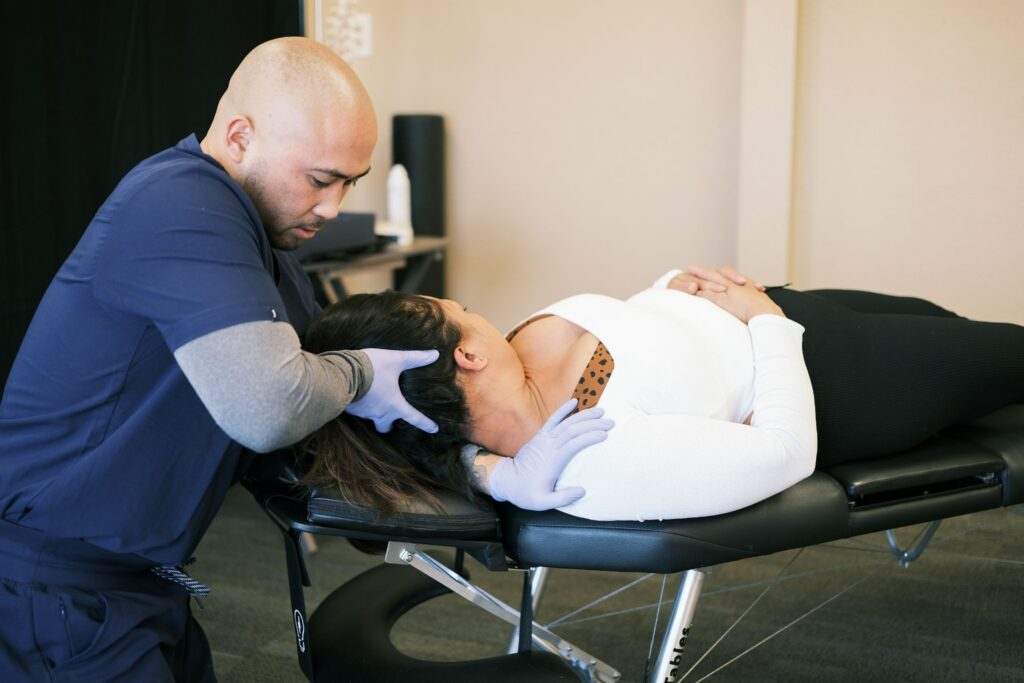
Improving your desk posture can be a challenge, especially if you're unsure where to start. Seeking professional help can make a significant difference in your journey toward better posture and overall health. Experts like physical therapists or ergonomic consultants can provide personalized assessments and tailored advice, ensuring you address your specific needs.
One of the main benefits of professional guidance is the ability to identify the root cause of your posture issues. They can spot habits or patterns you mightn't even be aware of, enabling you to make targeted changes. This tailored approach means you're not just getting generic advice; you're receiving solutions that work for you.
Moreover, professionals can teach you effective techniques for strengthening your core and back muscles, which are essential for maintaining proper posture. With their help, you'll learn exercises that not only alleviate discomfort but also build a solid foundation for long-term improvements.
Another advantage is accountability. When you work with a professional, you're more likely to stay committed to your posture improvement goals. Regular check-ins and progress assessments can keep you motivated and on track, preventing you from slipping back into old habits.
Lastly, investing in professional help can save you time and frustration. Instead of experimenting with conflicting advice, you'll receive clear, actionable steps to follow. This focused approach can lead to quicker results, helping you enjoy the benefits of better posture sooner.
Don't hesitate to seek the expertise that can transform your daily work experience.
Ergonomic Solutions
Creating a comfortable workspace can greatly enhance your posture and productivity. One of the first steps you can take is to invest in an ergonomic chair that supports your lower back. This type of chair encourages you to sit upright, reducing strain on your spine and muscles.
Adjusting the chair height is also essential; your feet should rest flat on the floor, with your knees at a right angle.
Next, consider your desk setup. Position your computer monitor at eye level, about an arm's length away. This prevents you from leaning forward or tilting your head, which can lead to neck and shoulder pain.
If you use a laptop, an external keyboard and mouse can help you maintain the right distance and posture.
Don't overlook your keyboard and mouse placement. Keep them close enough to avoid reaching, and make sure your wrists remain straight while typing.
Utilizing a wrist rest can further improve comfort and reduce strain.
Additionally, take advantage of standing desks or adjustable workstations. Alternating between sitting and standing can help relieve tension and improve circulation.
If you're unable to switch to a standing desk, make it a habit to stand up and stretch every hour.
Finally, consider adding ergonomic accessories, like a document holder or footrest, to enhance your workspace.
These small adjustments can make a significant difference in how you feel throughout the day, ultimately boosting your overall well-being and productivity.
Long-Term Prevention Strategies
Maintaining good posture at your desk is just the beginning of ensuring long-term health and comfort. To truly prevent future issues, you need to adopt a holistic approach that incorporates movement, awareness, and regular adjustments to your workspace.
Start by incorporating short breaks into your routine. Every 30 minutes, stand up, stretch, or take a brief walk. This simple act not only resets your posture but also promotes circulation and reduces muscle tension.
Next, consider your overall physical fitness. Engaging in regular exercise, especially activities that strengthen your core and back muscles, can greatly improve your posture over time. Focus on exercises like planks, bridges, and back extensions. They'll help support your spine and make it easier to maintain good posture throughout the day.
Additionally, stay mindful of your posture even when you're away from your desk. Practice sitting and standing tall, aligning your ears over your shoulders and your shoulders over your hips. This awareness will carry over into your work habits.
Finally, don't hesitate to invest in ergonomic tools. Whether it's a chair that supports your lower back or a standing desk that allows you to alternate positions, these tools can make a significant difference.
Conclusion
To summarize, addressing desk job posture issues isn't just about comfort; it's essential for your long-term health. By seeking professional help, you'll identify specific problems and receive tailored solutions that fit your needs. With targeted exercises and ergonomic adjustments, you can prevent chronic pain and boost your productivity. Investing in your posture today will pay off in the future, making your work environment healthier and more enjoyable. Don't wait—take action for a better you!