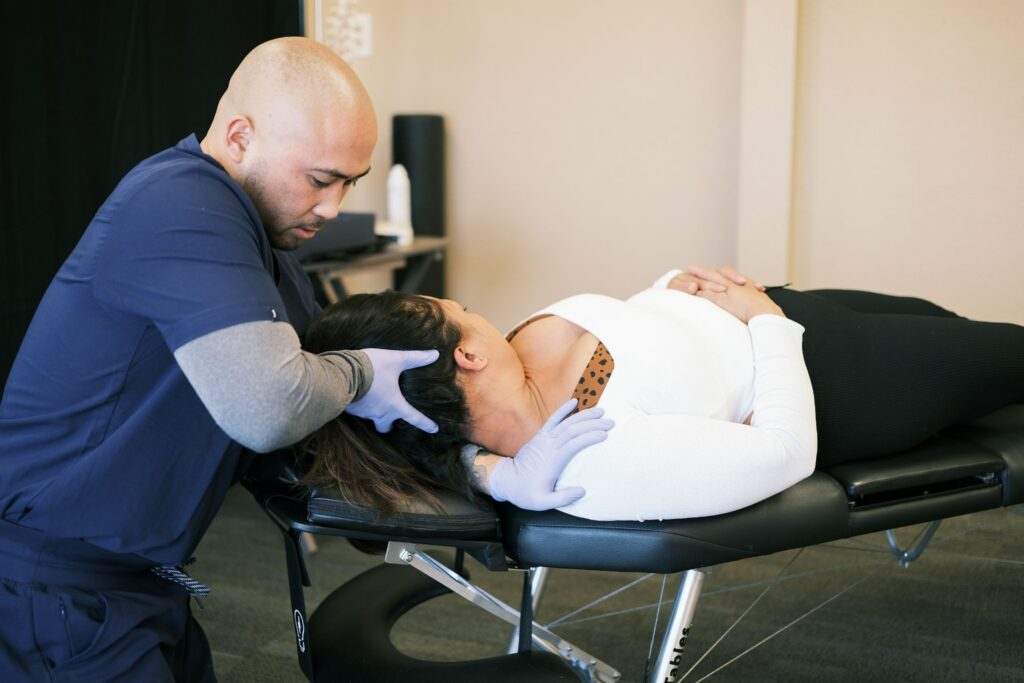

You don’t have to accept neck pain as a part of your life. As a chiropractor, I believe that understanding your body and the underlying causes of discomfort is key to achieving optimal health. You can take proactive steps to prevent neck pain without relying on medications or invasive procedures. Simple changes in your posture and workspace can make a significant difference in how you feel every day.
Incorporating effective neck exercises into your routine can also enhance your neck health and overall well-being. Curious about how to create a more pain-free lifestyle? Let’s dive into the factors that contribute to neck pain and explore how chiropractic care can help you combat them.
Remember, chiropractic adjustments can realign your spine and improve your posture, which is crucial for maintaining a healthy neck. Additionally, I encourage you to take breaks during long periods of sitting, use ergonomically designed furniture, and practice gentle stretching exercises. These small changes can lead to significant improvements in your neck health.
If you’re looking for a natural approach to wellness and pain relief, chiropractic care is your best choice. Together, we can work towards a healthier, pain-free life!
Key Takeaways
- Maintaining good posture and making ergonomic adjustments in your daily life can dramatically reduce neck strain and help you avoid unnecessary neck pain. Simple changes, like adjusting your workstation or being mindful of your posture while sitting, can make a big difference.
- Incorporating regular neck stretches and exercises into your routine can improve flexibility and decrease the risk of discomfort. A few gentle stretches each day can go a long way in keeping your neck healthy.
- Chiropractic care is a fantastic option for addressing neck pain without invasive measures. As a chiropractor, I focus on finding and treating the root causes of your discomfort, helping you to feel better and regain your quality of life.
- Living a healthy lifestyle is key to supporting your muscle and joint health. Staying hydrated and eating a balanced diet rich in nutrients can help keep your body functioning well, reducing the chances of developing neck pain.
- Pay attention to early signs of neck discomfort and don’t hesitate to seek professional help. As a chiropractor, I can guide you in preventing chronic issues, ensuring that prolonged suffering from neck pain is something you can avoid. Remember, taking proactive steps today can lead to a healthier, pain-free tomorrow!
Understanding the Anatomy of the Neck
The neck is a vital part of our body, and understanding its structure can help us appreciate its importance in our daily lives. This complex area supports our head and allows for essential movements like tilting, turning, and extending. It’s made up of seven vertebrae known as the cervical spine, which gives us the flexibility to move our head in many directions.
Muscles, such as the sternocleidomastoid and trapezius, play a key role in maintaining good posture and supporting the weight of our head. Proper alignment is crucial, as misalignments can lead to discomfort or pain. That’s where chiropractic care comes in. Regular adjustments help keep your spine aligned, which can alleviate tension in the neck and improve overall function.
Nerves that branch out from the spinal cord travel through the neck to the shoulders, arms, and hands. This makes the neck essential for both sensory and motor functions. When the spine is in alignment, these nerves can work effectively, promoting better communication between your brain and body.
Blood vessels in the neck deliver oxygen-rich blood to the brain, ensuring it functions optimally. Proper spinal health can enhance circulation, further supporting brain health and overall well-being.
To take care of your neck and enhance your quality of life, consider these simple tips:
- Maintain Good Posture: Be mindful of your posture, especially when sitting for long periods. Keep your head aligned over your spine to reduce strain.
- Stay Active: Gentle neck stretches and exercises can help keep the muscles strong and flexible. Simple movements like tilting your head side to side or gently rotating can make a big difference.
- Use Supportive Pillows: When sleeping, choose a pillow that supports your neck’s natural curve to maintain proper alignment.
- Stay Hydrated: Drinking plenty of water helps keep your muscles and joints healthy.
- Visit Your Chiropractor Regularly: Regular chiropractic adjustments can help keep your spine aligned, relieve tension, and promote overall wellness.
Common Causes of Neck Pain
Neck pain is a common issue that many people face, often arising from everyday habits that may go unnoticed. Factors like poor posture, muscle strain, and past injuries can all lead to discomfort in your neck.
The good news is that by understanding these common causes, you can take steps toward relief and improved neck health.
As a local chiropractor, I want to emphasize that chiropractic care is one of the most effective ways to address neck pain naturally. Our approach focuses on spinal alignment and overall wellness, helping your body heal itself without the need for invasive procedures or medications.
Here are some general tips to help manage neck pain and promote better health:
- Maintain Good Posture: Be mindful of your posture, especially when sitting at a desk or using your phone. Keep your shoulders back and your head aligned with your spine.
- Take Breaks: If you work at a computer, remember to take regular breaks. Stand up, stretch, and move around to relieve tension in your neck and shoulders.
- Stay Hydrated: Drinking plenty of water supports your spinal health. Proper hydration helps keep your discs cushioned and healthy.
- Strengthen Your Muscles: Engage in exercises that strengthen your neck and upper back muscles. Simple stretches and strengthening exercises can improve your posture and reduce strain.
- Visit Your Chiropractor: Regular chiropractic adjustments can help alleviate pain and tension in your neck. Our goal is to restore proper alignment and function, allowing your body to heal naturally.
By integrating these simple practices into your daily routine and considering chiropractic care, you can take proactive steps towards a healthier neck and overall wellness.
Poor Posture Habits
If you often find yourself slouching while sitting at your desk or looking down at your phone, you’re definitely not alone. Poor posture habits are a common contributor to neck pain, and as a chiropractor, I want to help you understand why this happens and how you can improve it.
When you slouch, your spine becomes misaligned, putting extra stress on your neck muscles. This strain can lead to discomfort and pain over time. Additionally, when you hunch forward while using devices, your neck has to work harder to support your head, which can make things worse.
Here are some simple tips to help you improve your posture and maintain a healthy spine:
- Screen Height: Keep your computer screen at eye level. This reduces the tendency to look down and helps maintain a neutral neck position.
- Ergonomic Chair: Invest in a chair that supports your lower back. This can encourage you to sit up straight and reduce strain on your spine.
- Posture Checks: Make it a habit to check your posture throughout the day. Set reminders on your phone to help you sit up straight and align your shoulders over your hips.
- Strengthening Exercises: Incorporate exercises that strengthen your core and back muscles. A strong foundation helps support your spine better.
- Chiropractic Care: Regular visits to a chiropractor can help keep your spine aligned and address any existing discomfort. Chiropractic care is a natural and effective way to promote overall wellness and prevent pain.
By making these small adjustments and considering chiropractic care, you can help prevent neck pain and enhance your overall spinal health.
Muscle Strain and Tension
Muscle strain and tension can creep up on you, often stemming from everyday activities and stressors. Many people are unaware of how their habits contribute to neck pain until it becomes a problem. Here are some common causes and tips for relief:
- Poor Ergonomics: Sitting at a desk without proper support can lead to muscle strain. To improve your workspace, ensure that your chair provides good lumbar support and that your computer screen is at eye level. This can help reduce strain on your neck and back.
- Stress: Emotional tension can cause you to unconsciously tighten your neck muscles. Practicing relaxation techniques like deep breathing or gentle stretches can help alleviate this tension. Incorporating mindfulness or yoga into your routine can also promote overall relaxation.
- Repetitive Movements: Activities like typing or looking down at your phone can strain the neck over time. To combat this, take regular breaks to stretch and change your position. Try to align your phone at eye level when using it to avoid bending your neck.
- Sleeping Position: Using the wrong pillow can misalign your neck during sleep, increasing tension. Opt for a pillow that supports the natural curve of your neck. When sleeping on your side, aim for a pillow that fills the space between your neck and the mattress.
Chiropractic care is an excellent way to address muscle strain and tension. A chiropractor can help evaluate your posture, provide adjustments to improve alignment, and offer personalized advice on stretches and exercises to strengthen your neck and back.
Injury or Trauma
Everyday habits aren’t the only culprits behind neck pain; injuries and trauma can also play a significant role. For instance, you might experience neck pain after a car accident, a fall, or a sports-related injury. A common example is whiplash, which happens when your head suddenly jerks forward and then back, straining the neck muscles and ligaments.
If you’ve experienced an injury, it’s crucial to listen to your body’s signals. Ignoring pain can lead to long-term issues. Instead of turning to medications or surgery, consider chiropractic care as a natural and effective way to address neck pain. Chiropractors specialize in spinal health and can help realign your spine, reduce tension, and promote healing without invasive procedures.
Additionally, repetitive motions from activities like heavy lifting or certain jobs can worsen discomfort. Recognizing these triggers is essential for effective pain management.
Here are some general tips to help you on your journey to wellness:
- Stay Active: Engage in gentle exercises that promote neck strength and flexibility. Simple stretches can work wonders.
- Practice Good Posture: Be mindful of your posture while sitting, standing, and even sleeping. Proper alignment can significantly reduce neck strain.
- Ergonomics Matter: If you work at a desk, ensure your workstation is set up to support your spine. A good chair and screen height can make a big difference.
- Hydration and Nutrition: Drink plenty of water and eat a balanced diet to support overall health and healing.
- Chiropractic Care: Regular visits to a chiropractor can help maintain spinal alignment and prevent future injuries, promoting long-term wellness.
Don’t let an injury define your wellbeing. By taking proactive steps and considering chiropractic care, you can find relief and enhance your quality of life naturally.
The Impact of Poor Posture
Poor posture can creep up on you, especially if you find yourself spending long hours at a desk or hunched over your phone. This phenomenon, often referred to as “tech neck,” along with the way you sleep, can significantly affect your neck health.
As a chiropractor, I want to emphasize that these habits can lead to pain and discomfort, but there are ways to address and alleviate these issues naturally.
When we maintain poor posture, the muscles and ligaments in our neck can become strained, leading to tension and discomfort. This is where chiropractic care comes in as a powerful tool for pain relief and overall wellness. By realigning the spine and improving posture, chiropractic adjustments can help restore balance to your body, alleviating neck pain and promoting better health.
Here are some simple tips to help you maintain good posture and support your neck health:
- Mind Your Posture: When sitting at a desk, keep your feet flat on the floor, and your back straight against the chair. Make sure your computer screen is at eye level to reduce neck strain.
- Take Frequent Breaks: Stand up, stretch, and move around every 30 minutes or so. This helps prevent stiffness and keeps your muscles engaged.
- Limit Screen Time: Try to reduce the time spent on your phone or tablet, and when you do use them, hold them at eye level rather than bending your neck down.
- Invest in Supportive Sleep: Choose a pillow that supports the natural curve of your neck. Sleeping on your back or side with proper alignment can make a significant difference in how you feel.
- Stay Active: Regular exercise can strengthen the muscles that support your neck and back, helping to prevent pain and discomfort.
If you’re already experiencing neck pain, I encourage you to consider chiropractic care. A trained chiropractor can assess your posture, identify areas of concern, and create a personalized treatment plan that focuses on natural healing and improving your overall health.
Desk Job Dilemmas
Many office workers struggle with neck pain due to the long hours spent hunched over desks. This poor posture can lead to muscle strain, tension, and discomfort, but there are natural ways to alleviate these issues.
Here are four effective strategies that can help you maintain a healthier spine and promote overall wellness:
- Adjust Your Workspace: It’s essential to create a workspace that supports a neutral spine position. Make sure your chair is at the right height and your desk is set up to keep your body aligned. This simple adjustment can make a big difference in reducing strain on your neck.
- Take Regular Breaks: Standing up and stretching every 30 minutes can work wonders for your body. These short breaks allow your muscles to relax and relieve built-up tension. Incorporate simple stretches that target your neck and shoulders to help maintain mobility.
- Practice Good Ergonomics: Position your monitor at eye level to avoid craning your neck. This small change can help keep your spine aligned and reduce the risk of developing chronic pain. Remember, where your screen is positioned matters!
- Strengthen Your Core: Engaging in exercises that focus on your neck and back muscles can provide crucial support for your spine. A strong core helps maintain proper posture, making it easier to avoid discomfort during long hours of sitting.
In addition to these tips, chiropractic care offers a natural and effective way to address neck pain and enhance your overall well-being.
By working with a chiropractor, you can receive personalized treatment that focuses on restoring spinal alignment and promoting optimal health without the need for surgeries or medications.
Embracing chiropractic care can be a key step toward a healthier, more comfortable life.
Tech Neck Troubles
As you scroll through your phone or lean over your laptop, you may not realize the strain it’s putting on your neck. This poor posture, often referred to as “tech neck,” can lead to muscle strain and discomfort. When your head juts forward, it can cause your cervical spine to curve unnaturally, leading to tension and pain. You might experience stiffness, headaches, or even difficulty turning your head.
Being mindful of your posture while using devices is essential for your overall well-being. Aim to keep your screen at eye level to maintain a neutral spine position. Taking regular breaks to stretch your neck and shoulders can also provide significant relief. Simple exercises, such as gentle neck tilts and shoulder rolls, can help alleviate tension.
As a chiropractor, I can’t emphasize enough how important it’s to maintain good posture—not just for comfort, but for your long-term health. Chiropractic care is an excellent option for addressing tech neck. Through gentle adjustments and personalized treatment plans, we can help restore proper alignment to your spine, relieve pain, and promote natural healing.
Sleep Positions Matter
While you mightn’t realize it, your sleep position can significantly impact your neck health. Poor posture during sleep can lead to discomfort and long-term pain. As a local chiropractor, I want to share some key factors to consider for better neck support and overall wellness:
- Pillow Height: Make sure your pillow supports your neck in a way that keeps it aligned with your spine. Choosing the right height can help reduce discomfort and promote proper posture, which is essential for your health.
- Back Sleeping: This position is often the best for maintaining neutral alignment of the spine. It helps minimize strain on your neck and can lead to a more restful night’s sleep. If you’re a back sleeper, consider adding a small pillow under your knees for added support.
- Side Sleeping: If you prefer sleeping on your side, opt for a firm pillow that fills the gap between your neck and shoulder. This will help keep your spine aligned and reduce the risk of discomfort. You might also find it helpful to place a pillow between your knees for extra support.
- Stomach Sleeping: I highly recommend avoiding this position, as it can twist your neck and lead to pain. If you find it difficult to change your habits, try transitioning gradually to a side or back sleeping position, which can greatly benefit your neck health.
Remember, maintaining proper neck support while you sleep is crucial for your overall well-being. By prioritizing your sleep posture, you can help prevent discomfort and promote natural healing.
If you’re experiencing pain, chiropractic care can be an excellent option for pain relief and to achieve optimal health. Always feel free to reach out to your local chiropractor for personalized advice and support on your journey to better health.
Debunking Myths About Neck Pain
While many people believe that neck pain primarily stems from poor posture or the way they sleep, the truth is much more complex. As a chiropractor, I see a wide range of factors that can contribute to neck pain. Stress, muscle strain, and even underlying medical conditions can play significant roles in your discomfort. It’s important to debunk these common myths in order to find effective solutions and promote better health.
| Myth | Reality |
|---|---|
| Poor posture is the only cause | Stress can greatly impact neck pain, leading to muscle tension and discomfort. |
| Sleeping positions matter most | Muscle tension from daily activities and stress can also cause significant pain. |
| Only older adults experience neck pain | Neck pain can affect individuals of all ages, including young people who may experience it due to tech use or sports. |
| Surgery is the only solution | Chiropractic care offers many non-invasive treatments that can help alleviate pain and improve function. |
| Pain always indicates injury | Sometimes, pain can be referred from other areas of the body, and a thorough assessment can help identify the source. |
To promote a healthier neck and overall well-being, consider these tips:
- Stay Hydrated: Drinking plenty of water helps keep your muscles and discs healthy.
- Manage Stress: Incorporate relaxation techniques like yoga or meditation into your routine to reduce tension in the neck.
- Take Breaks: If you work at a desk or use your phone for long periods, take regular breaks to stretch your neck and shoulders.
- Practice Good Ergonomics: Ensure your workspace is set up to promote good posture, and use supportive chairs and equipment.
- Consider Chiropractic Care: Regular visits to a chiropractor can help maintain spinal alignment, relieve tension, and support overall health.
Lifestyle Factors Contributing to Discomfort
Your daily habits can significantly impact the health of your neck. Common culprits like poor posture, inadequate ergonomic support, and a sedentary lifestyle often lead to discomfort. By addressing these lifestyle factors, you can experience a remarkable improvement in how your neck feels.
Incorporating chiropractic care into your routine is an excellent way to tackle neck pain and promote overall wellness. A chiropractor can help align your spine and improve your posture, which is crucial for reducing strain on your neck. They can also provide personalized exercises and stretches to support your neck health.
Here are some simple tips you can integrate into your daily life to help alleviate neck discomfort:
- Mind Your Posture: Be conscious of how you sit and stand. Keep your shoulders back and your head aligned with your spine to reduce strain.
- Ergonomic Workspace: If you work at a desk, ensure your chair and desk are set up ergonomically. Your computer screen should be at eye level to avoid looking down or straining your neck.
- Take Frequent Breaks: If you spend long hours sitting, make it a habit to get up and move around every 30 minutes. Simple neck stretches can also help alleviate tension.
- Sleep Smart: Choose a supportive pillow that keeps your neck aligned while you sleep. Avoid sleeping on your stomach, as this can twist your neck.
- Stay Active: Engage in regular physical activity to keep your muscles strong and flexible, which supports your neck and spine.
By taking these steps and partnering with a chiropractor, you can find relief from neck pain and enhance your overall health naturally.
Poor Posture Habits
Poor posture habits can significantly contribute to neck pain, particularly in our modern, technology-driven society. Many people are unaware of how their daily routines impact their neck health. As a chiropractor, I want to share some common habits to be mindful of and offer tips for healthier living:
- Slouching: When you lean forward while sitting or standing, it can put undue strain on your neck muscles. Make a conscious effort to sit and stand up straight, with your shoulders back. This simple adjustment can help alleviate tension.
- Looking down at devices: Frequently bending your neck to check your phone or tablet can place excessive pressure on your spine. Try to hold your device at eye level to reduce neck strain. Also, consider taking breaks every 20-30 minutes to stretch your neck and shoulders.
- Incorrect sleeping position: Using a pillow that’s too high or too flat can misalign your neck during sleep. Opt for a medium-firm pillow that supports the natural curve of your neck. This will help you wake up feeling more refreshed and less stiff.
- Prolonged sitting: Sitting for long periods without breaks can lead to stiffness and discomfort. Incorporate short breaks into your day to stand, stretch, and move around. Even a few minutes of gentle stretching can make a big difference in how you feel.
Chiropractic care is an excellent choice for addressing neck pain and promoting overall wellness. By focusing on spinal alignment and natural healing, you can achieve optimal health without the need for medications or invasive procedures.
If you’re experiencing neck pain, consider visiting a chiropractor for a thorough evaluation and personalized care plan. Remember, small changes in your daily habits can lead to significant improvements in your neck health!
Inadequate Ergonomic Support
If you’re spending long hours at a desk without proper ergonomic support, you may be putting yourself at risk for discomfort and pain, particularly in your neck. The right workspace setup can significantly impact your overall well-being. As a chiropractor, I understand how crucial it is to maintain a healthy posture to support your spine and prevent pain. Here’s a simple guide to help you evaluate and improve your workspace:
| Element | Ideal Position | Common Mistake |
|---|---|---|
| Chair Height | Feet flat on the floor | Chair too high or low |
| Monitor Level | At eye level to minimize strain | Monitor too high/low |
| Keyboard Position | Elbows at 90 degrees | Reaching or hunching |
Making minor adjustments to your workstation can lead to significant relief from neck pain. Additionally, investing in ergonomic tools, such as adjustable chairs and monitor stands, can greatly enhance your comfort while working. Remember, good posture is key to protecting your spine and overall health.
Chiropractic care can play a vital role in your journey to optimal health. Regular adjustments can help align your spine, alleviate pain, and improve your posture, making it easier to maintain a healthy workspace. By focusing on natural healing and wellness, chiropractic care is a powerful tool for achieving lasting relief and promoting a healthier lifestyle. Take small steps today to support your spine and enhance your well-being!
Sedentary Lifestyle Choices
While many of us recognize the importance of staying active, a sedentary lifestyle can lead to discomfort, especially in the neck and back. Prolonged sitting and inactivity can silently strain your muscles and joints, which is why it’s important to understand its effects.
Here are some common factors that contribute to this discomfort, along with tips on how chiropractic care can help:
- Extended Screen Time: Spending hours staring at screens can lead to poor posture, which places unnecessary stress on your spine. To combat this, try to take regular breaks and adjust your workstation to promote better alignment. Chiropractic adjustments can help realign your spine and improve posture.
- Lack of Movement: Infrequent breaks can prevent muscle relaxation and proper circulation. Make it a goal to stand up and stretch every 30 minutes. Simple stretches or gentle movements can make a huge difference. Regular chiropractic visits can assist in keeping your muscles and joints functioning optimally.
- Weak Core Muscles: A weak core can struggle to support your spine, leading to discomfort. Incorporate core-strengthening exercises into your routine, such as planks or bridges. Chiropractic care can also provide guidance on exercises specific to your needs and help strengthen your core for better spinal support.
- Poor Posture: Slouching or leaning can result in muscle tension and pain. Focus on maintaining good posture while sitting, standing, and walking. Regular chiropractic adjustments can correct misalignments and help you maintain a healthy posture.
Incorporating these tips into your daily routine can lead to significant improvements in your overall well-being.
The Importance of Ergonomics
Ergonomics is crucial for maintaining a healthy neck, especially in our modern world where many of us spend long hours sitting. As a chiropractor, I want to emphasize how important it’s to set up your workspace to support your neck and spine. A well-organized workspace not only enhances your comfort but also plays a significant role in preventing neck pain.
Start by adjusting your desk and chair. Your monitor should be at eye level to keep your head aligned with your spine, and your chair should provide adequate support for your lower back. When typing, your elbows should be at a comfortable 90-degree angle. This simple adjustment can significantly reduce strain on your neck muscles.
Keep your frequently used items within easy reach to minimize awkward twisting or stretching. If you spend a lot of time on the phone, consider using a headset instead of cradling the phone between your shoulder and ear. This helps maintain proper neck alignment.
Remember, regular chiropractic care can also help you achieve optimal neck health. It provides natural relief from pain and promotes overall wellness by addressing the root causes of discomfort.
Effective Stretching and Strengthening Exercises
To maintain a healthy neck, incorporating effective stretching and strengthening exercises into your routine is essential.
These exercises not only help alleviate tension but also build resilience against pain, complementing the benefits of chiropractic care. Regular chiropractic adjustments can enhance these exercises, ensuring your spine remains aligned for optimal health.
Here are four key exercises you can start with:
- Neck Tilts: Gently tilt your head side to side, holding for 15 seconds on each side. This simple movement stretches the muscles along your neck, promoting flexibility and relaxation.
- Chin Tucks: Sit up straight and tuck your chin toward your chest. Hold for five seconds and repeat ten times. This exercise strengthens the neck muscles, which is crucial for maintaining good posture and reducing strain.
- Shoulder Shrugs: Lift your shoulders toward your ears, hold for a moment, and then release. Perform this ten times to help relieve tension and improve circulation in your neck and shoulders.
- Wall Angels: Stand against a wall with your arms in a “W” shape. Slide your arms up and down the wall while keeping contact. This exercise enhances stability and promotes proper shoulder and neck alignment.
Incorporate these exercises regularly, alongside your chiropractic visits, and you’ll notice a significant improvement in your neck health.
When to Seek Professional Help
When should you think about seeking professional help for neck pain? If your discomfort persists for more than a few days despite trying home remedies like gentle stretches or heat therapy, it’s a good idea to consult a chiropractor. They specialize in spinal health and can help identify the root cause of your pain, guiding you toward natural healing.
Additionally, if you’re experiencing severe pain that interferes with your daily activities or if the pain radiates into your arms and hands, don’t hesitate to reach out for expert advice. A chiropractor can provide hands-on adjustments and treatments that can alleviate discomfort and improve your mobility.
It’s also important to seek help if you notice numbness, tingling, or weakness in your limbs. These symptoms may indicate a more serious issue that requires professional evaluation. If your neck pain follows an injury or accident, consulting a chiropractor is crucial. They can assess your condition and rule out any serious injuries while promoting healing through natural techniques.
Lastly, if your neck pain is accompanied by fever, unexplained weight loss, or persistent headaches, it’s essential to get medical attention. Early intervention can prevent further complications and help you return to your normal activities more quickly.
Preventive Measures for Neck Health
Although neck health is often overlooked, taking proactive steps can significantly reduce the risk of pain and discomfort. As a chiropractor, I want to share some effective preventive measures you can easily integrate into your daily routine to promote a healthier spine and overall well-being:
- Maintain Good Posture: It’s essential to keep your head aligned with your spine, especially when sitting or using electronic devices. This alignment helps reduce strain on your neck and can prevent discomfort.
- Take Regular Breaks: If you work at a desk, remember to stand up and stretch every 30 minutes. This simple practice can relieve tension and keep your muscles relaxed, reducing the likelihood of stiffness.
- Strengthen Neck Muscles: Engaging in exercises that target your neck and upper back can greatly enhance support for your spine. Incorporating gentle strengthening routines into your day can help maintain proper alignment and prevent pain.
- Adjust Your Workspace: Ensure your computer screen is at eye level and that your chair offers proper support. A well-adjusted workspace encourages healthy posture and can significantly reduce the stress on your neck.
By following these tips and considering chiropractic care, you can work towards achieving optimal neck health and overall wellness.
Chiropractic adjustments can provide natural relief, enhance your body’s healing abilities, and support a healthier lifestyle.
Embracing a Pain-Free Lifestyle
Embracing a pain-free lifestyle begins with recognizing the vital link between your daily habits and your overall well-being. As your local chiropractor, I want to share how simple adjustments to your daily routine can significantly enhance your neck health and overall comfort.
First and foremost, let’s talk about posture. Whether you’re sitting at a desk or standing, it’s essential to keep your head aligned over your shoulders. Avoid slouching, as this can lead to unnecessary strain on your neck and spine. A simple tip is to imagine a string pulling the top of your head upward, which encourages a natural alignment.
Incorporating gentle stretches and exercises into your daily routine can also work wonders. Focus on movements that strengthen the muscles supporting your spine, especially in the neck and upper back areas. These exercises not only enhance your flexibility but also promote better posture, which is a cornerstone of chiropractic care.
Your sleep environment is equally important. Choose a supportive pillow that helps maintain a neutral spine position while you rest. This small change can prevent neck pain and promote restorative sleep, allowing your body to heal naturally.
Be mindful of your screen time as well. Prolonged hours in front of a computer or phone can lead to neck strain. Make it a habit to take regular breaks—stand up, stretch, and give your neck a chance to relax.
Lastly, always listen to your body. If you experience discomfort, it’s a signal you shouldn’t ignore. Address any pain early by seeking chiropractic care, which offers natural, effective relief and helps your body function at its best.
Conclusion
You don’t have to live with neck pain, especially when simple lifestyle changes can lead to significant relief. As a chiropractor, I want to emphasize the importance of understanding your neck’s anatomy and the common causes of discomfort. By doing so, you can take proactive steps to improve your posture and incorporate effective exercises tailored to support your spine.
One of the best ways to maintain neck health is by ensuring you have an ergonomic workspace. This means adjusting your chair, desk, and computer screen to promote good posture and reduce strain on your neck. Additionally, regular chiropractic adjustments can help align your spine and relieve tension, providing you with lasting relief from pain.
I also encourage you to integrate gentle stretching and strengthening exercises into your daily routine. Simple movements can increase flexibility and strengthen the muscles around your neck, which can prevent pain from returning.
Remember, seeking professional chiropractic care when needed is a crucial step to staying pain-free. By embracing these preventive measures, including regular visits to your chiropractor, you’ll not only enhance your neck health but also lead a more active and fulfilling life—free from unnecessary suffering. Your journey to optimal health starts with taking care of your spine!