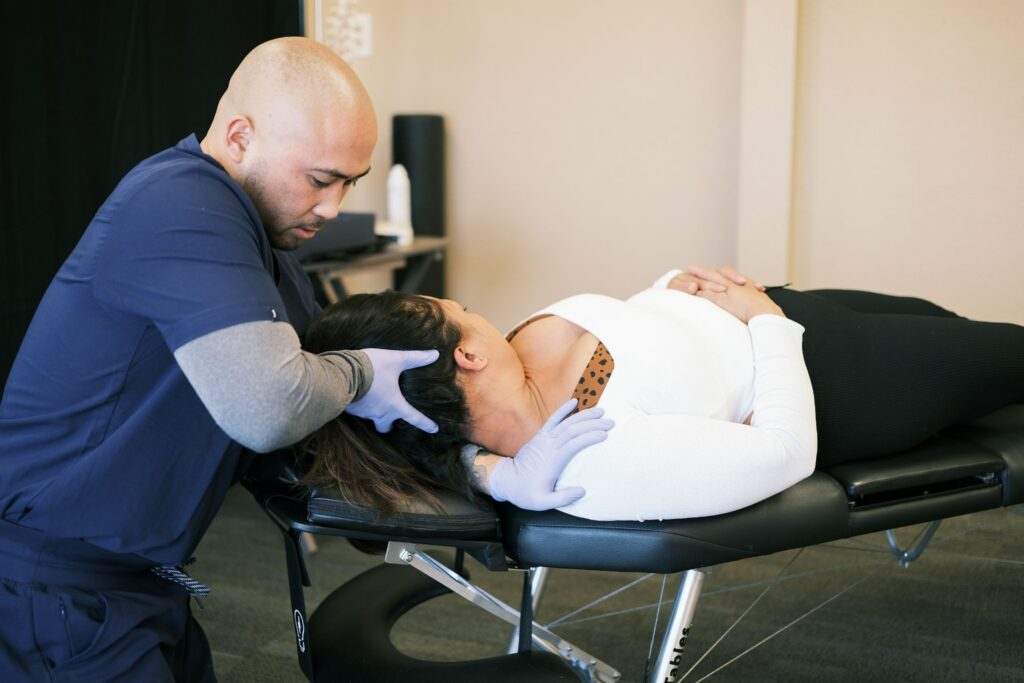

As a local chiropractor, I want to emphasize the crucial role your posture plays in managing back pain. The way you hold your body affects your spinal alignment and muscle balance, which can lead to discomfort if not addressed properly. Many individuals are unaware of the significant connection between posture and pain; often, simple adjustments to your posture can provide considerable relief. By understanding the nuances of posture, you may discover the key to alleviating your pain. So, let’s take a moment to explore some common mistakes you might be making that could be contributing to your discomfort. Together, we can work towards improving your posture and enhancing your overall well-being.
The Anatomy of Posture and Its Influence on the Spine
As your local chiropractor, I want to emphasize the significant role that posture plays in your spinal health. Many people may not realize that even minor misalignments can lead to discomfort and pain over time. Your spine is the foundation that supports your entire body, and maintaining proper alignment is essential for it to function optimally.
Consider how you sit, stand, and move throughout your day. Each of these positions places different stresses on your spine and surrounding structures. For example, when you slouch or lean forward, you inadvertently create tension in your muscles and ligaments, which can contribute to pain and discomfort.
It’s important to understand that your spine has natural curves designed to help distribute weight and absorb shock. Keeping these curves intact is crucial for reducing strain on your body. By being mindful of your posture and making conscious adjustments, you can alleviate pressure on your spine and encourage better alignment.
This awareness isn’t just about preventing pain; it can significantly improve your overall well-being. So, I encourage you to take a moment to evaluate your posture throughout the day.
Common Postural Mistakes That Contribute to Back Pain
As a local chiropractor, I often see patients who unknowingly engage in common postural mistakes that can lead to back pain over time. One of the most prevalent issues I encounter is slouching while sitting. This habit places unnecessary stress on your spine and can lead to discomfort.
If you find yourself leaning forward while working at a desk, this too contributes to poor posture and can exacerbate back issues.
Another common mistake is standing with your weight shifted to one leg. This can create imbalances in your body, leading to strain on your back muscles.
Additionally, many people aren’t aware of the impact of cradling their phone between their shoulder and ear—this “text neck” position can result in chronic discomfort and tension.
Even something as simple as wearing unsupportive shoes can negatively affect your posture, causing misalignment that radiates pain throughout your body.
It’s crucial to be mindful of how you sit, stand, and move throughout your day. Small adjustments, such as using ergonomic furniture and taking regular breaks to stretch, can significantly improve your posture and reduce the risk of developing back pain.
The Role of Muscle Imbalance in Back Pain
As a local chiropractor, I want to help you understand how muscle imbalances can play a significant role in your posture and contribute to back pain. When some of your muscles are either too weak or overly tight, it can cause your body to become misaligned.
This misalignment makes it difficult to maintain proper posture, which can lead to discomfort and pain.
One of the key steps in addressing this issue is to strengthen those weak muscles. By doing so, we can restore balance to your body, improve your posture, and ultimately reduce your back pain.
Through chiropractic care and natural healing techniques, we can work together to help you achieve a healthier, more aligned body.
If you have any questions or would like to learn more about how we can assist you in your journey to better health, feel free to reach out!
Posture and Muscle Alignment
As your local chiropractor, I want to emphasize the importance of proper posture in relation to muscle alignment and its direct effect on back pain. Maintaining good posture allows your muscles to function in harmony, which reduces strain on your spine and surrounding tissues.
When you find yourself slouching or leaning forward, certain muscles can become overworked while others weaken, leading to imbalances that may result in discomfort or pain.
Many of us don’t realize how our daily habits—like sitting for extended periods or carrying heavy bags—can negatively influence our alignment. By being mindful and making a conscious effort to correct your posture, you can relieve pressure on your back and encourage a healthier alignment.
This simple adjustment can lead to significant improvements in how your body feels and functions, ultimately helping to alleviate your back pain over time.
I’m here to guide you on this journey to better posture and overall health through natural healing methods.
Together, we can work towards improving your alignment and enhancing your quality of life.
Strengthening Weak Muscles
As a local chiropractor, I want to take a moment to emphasize the importance of strengthening weak muscles for your overall health and well-being.
When we overlook the need to fortify these areas, it can create imbalances in your body that often lead to back pain. Your body functions best when there’s a harmonious interplay among your muscles, supporting proper posture and movement.
For example, if your core muscles are weak, it can compromise the support for your spine, making you more susceptible to injuries and discomfort. This is why it’s crucial to focus on strengthening these weaker areas.
By doing so, you can restore balance, enhance your posture, and alleviate pain. Incorporating exercises such as planks, bridges, and targeted stretches into your daily routine can significantly benefit your muscle strength.
Remember, having a strong foundation not only helps maintain proper alignment but also reduces stress on your back. This approach promotes a healthier, pain-free life.
How Poor Posture Affects Nerve Function
As your local chiropractor, I want to emphasize how crucial good posture is for your overall nerve health. Many people don’t realize that poor posture can significantly disrupt nerve function, leading to discomfort and even long-term complications.
When you slouch or hunch over, it compresses the spinal nerves, which can irritate them and result in sensations like tingling, numbness, or pain that radiates to other areas of your body. Your spine is designed to protect these important nerves, and when it’s out of alignment, it can impede their ability to transmit signals effectively.
If you find yourself sitting for extended periods with improper posture, you might experience increased stiffness in your back and neck, which can worsen nerve-related issues over time. Moreover, tight muscles due to poor posture can restrict blood flow, further contributing to nerve dysfunction.
The good news is that making simple adjustments to your posture can help alleviate some of these symptoms and improve your nerve health. By prioritizing good posture, not only will you feel more comfortable, but you’ll also support better nerve function in the long run.
The Psychological Impact of Posture on Pain Perception
As a local chiropractor, I want to emphasize the connection between posture and pain perception, something many people may not realize. While it’s common to think about posture in terms of physical health, it also plays a significant role in how we experience pain. When you find yourself slouching or hunching over, it’s not just a matter of discomfort—this poor posture can actually heighten your feelings of pain.
Research indicates that when you adopt a more open and upright posture, it can positively influence your mood and help reduce stress levels. This, in turn, can lessen the intensity of pain you feel. When you stand tall and maintain good posture, you may notice a boost in your confidence and sense of control, which can contribute to a decrease in pain perception.
On the flip side, poor posture often leads to negative emotions and increased anxiety, which can make pain feel more intense. By being mindful of your posture, you can foster a more positive mental state, an essential factor in how you perceive and manage pain.
Posture and Its Effect on Daily Activities
As a local chiropractor, I want to emphasize the vital role your posture plays in your daily activities, whether you’re working at a desk, exercising, or simply going about your routine.
An ergonomic setup is key; it can significantly enhance your movement efficiency, making everyday tasks feel easier and less strenuous on your body.
By maintaining good posture, you not only reduce muscle tension but also promote overall comfort throughout the day. This is essential for preventing pain and discomfort, allowing you to engage in your daily activities with ease.
Importance of Ergonomic Setup
As a local chiropractor dedicated to your health and well-being, I want to emphasize the importance of creating an ergonomic setup in your daily environment. A well-designed ergonomic workspace can significantly enhance your comfort and productivity while promoting better posture and minimizing the risk of back pain.
By taking the time to establish an ergonomically friendly area, you’re investing in your long-term health. Here are some key elements to consider:
- Chair Height: It’s crucial that your chair provides adequate support for your lower back and allows your feet to rest flat on the ground. This will help maintain the natural curve of your spine and reduce strain on your back.
- Desk Position: Your desk should be set at a height that enables your elbows to bend at a 90-degree angle while typing. This position can prevent unnecessary tension in your shoulders and neck, which often leads to discomfort.
- Monitor Level: Positioning your monitor at eye level is vital to avoid straining your neck and back. Keeping your monitor at the correct height ensures that you maintain a neutral head position, reducing the risk of musculoskeletal issues.
Creating an ergonomic workspace is one of the many ways to support your spinal health and overall well-being.
If you have any questions or need further guidance on how to optimize your workspace for better health, please don’t hesitate to reach out. Your journey to wellness starts with small, thoughtful changes!
Impact on Movement Efficiency
As a local chiropractor, I want to emphasize the importance of maintaining good posture for your overall health and well-being. Many people may not realize that proper alignment not only enhances your appearance but also significantly improves your movement efficiency in everyday life.
When your body is aligned correctly, it moves more fluidly, which reduces unnecessary strain on your muscles and joints.
Think about simple activities like walking, lifting, or sitting. With good posture, these tasks become easier and more comfortable. You’ll find that your body can engage the right muscles at the right times, which helps conserve energy and minimizes fatigue. This means you’re likely to experience less discomfort during your daily routines.
Furthermore, improved movement efficiency can lead to enhanced performance in physical activities, whether it’s exercising or completing work-related tasks.
Influence on Muscle Tension
As your local chiropractor, I want to shed light on how something as seemingly minor as poor posture can have a significant impact on muscle tension throughout your body. Many of us may not realize that when we slouch or hunch over, certain muscle groups are forced to work harder than they should. This can lead to discomfort and even pain.
Here’s how this tension can affect your daily life:
- Limiting mobility: When your muscles are tight due to poor posture, it can restrict your range of motion. Simple tasks like bending down to tie your shoes or reaching for something on a high shelf can become more difficult.
- Causing fatigue: Overusing your muscles because of improper alignment can sap your energy. You might find yourself feeling more tired and worn out by the end of the day than you should.
- Triggering pain: Increased tension in specific areas, particularly in the back, neck, and shoulders, can lead to chronic pain. This discomfort can affect not only how you feel physically but also your overall quality of life.
Understanding the connection between posture and muscle tension is crucial for your well-being. By focusing on proper alignment and considering chiropractic care, you can alleviate these issues and enhance your overall health.
If you have questions or want to learn more about how we can work together to improve your posture and reduce muscle tension, I’m here to help!
Strategies for Improving Posture
As a local chiropractor, I want to share some valuable insights on how improving your posture can significantly reduce back pain and enhance your overall well-being.
It’s essential to be mindful of your body alignment throughout the day. When you’re sitting, ensure your feet are flat on the floor, your knees are at hip level, and your back is straight against the chair. If you’re working at a desk, I recommend adjusting your monitor to eye level to prevent slouching, which can strain your back.
Incorporating regular breaks into your daily routine is crucial. Stand up, stretch, and take short walks to relieve tension and keep your muscles engaged.
When standing, aim to distribute your weight evenly on both feet and avoid locking your knees, as this can lead to discomfort over time.
Consider investing in supportive furniture, such as ergonomic chairs and cushions, which can greatly promote better posture. Additionally, simple reminders like sticky notes or phone alerts can help you maintain awareness of your posture throughout the day.
Lastly, practicing deep breathing exercises can relax your muscles and support the natural curve of your spine.
These small adjustments can lead to significant improvements in your posture and overall comfort. As your chiropractor, I’m here to guide you on your journey to better health and well-being through natural healing techniques.
Exercises to Strengthen Postural Muscles
As a local chiropractor, I want to emphasize the importance of strengthening your postural muscles to enhance your overall well-being. These muscles play a vital role in maintaining good posture, which can significantly reduce your risk of experiencing back pain.
Here are three effective exercises that I recommend incorporating into your daily routine:
- Plank: This exercise is excellent for engaging your core and back muscles. Begin by holding a plank position for 30 seconds, ensuring your body forms a straight line from your head to your heels. This simple yet powerful move helps build strength in the muscles that support your spine.
- Wall Angels: To perform this exercise, stand with your back pressed against a wall, and raise your arms to form a “W” shape. As you slide your arms up to create a “Y,” maintain contact with the wall. This movement not only enhances shoulder mobility but also strengthens the upper back muscles, which are crucial for good posture.
- Bird-Dog: This exercise is fantastic for improving balance and stability. Start on all fours, then extend one arm forward while simultaneously extending the opposite leg back. Hold this position for a few seconds before switching sides. The Bird-Dog targets your core and lower back, helping to create a solid foundation for a healthy posture.
I encourage you to incorporate these exercises into your routine regularly. Strengthening your postural muscles can lead to a stronger, more stable posture, contributing to your overall health and comfort.
If you have any questions or need further guidance, feel free to reach out!
Integrating Posture Awareness Into Pain Management Plans
Integrating posture awareness into your pain management plan can significantly enhance your healing journey. As a chiropractor, I often see how the way we hold our bodies during daily activities can impact our overall wellness, particularly in reducing strain on the back.
I encourage you to start paying close attention to your posture while sitting, standing, and moving. Simple adjustments, such as aligning your ears over your shoulders and keeping your feet flat on the ground, can make a world of difference.
Consider incorporating posture checks throughout your day. You might find it helpful to set reminders or use apps designed to guide you in maintaining proper alignment.
When you combine these posture adjustments with your current treatment methods—like chiropractic adjustments, physical therapy, or medication—you create a more holistic approach to your healing process. Regularly practicing good posture won’t only reinforce the benefits of your exercises but also promote long-term relief from pain.
I also recommend discussing posture awareness with me or your healthcare provider. We can work together to develop personalized strategies that fit your unique needs, ensuring you stay on track in your journey toward a pain-free life.
Conclusion
As a local chiropractor, I want to emphasize the vital role good posture plays in effectively managing back pain. Many patients may not realize how significantly their posture affects their spine and overall health. By becoming aware of your body’s alignment and making conscious adjustments throughout your day, you can alleviate tension and enhance your overall well-being.
It’s important to understand that good posture isn’t just about sitting or standing correctly; it’s about developing a deeper awareness of how you carry yourself and strengthening the muscles that support your posture. Incorporating these strategies into your daily routine can lead to lasting relief and contribute to your recovery journey. Together, we can work towards a pain-free life where proper posture is a key element of your healing process.