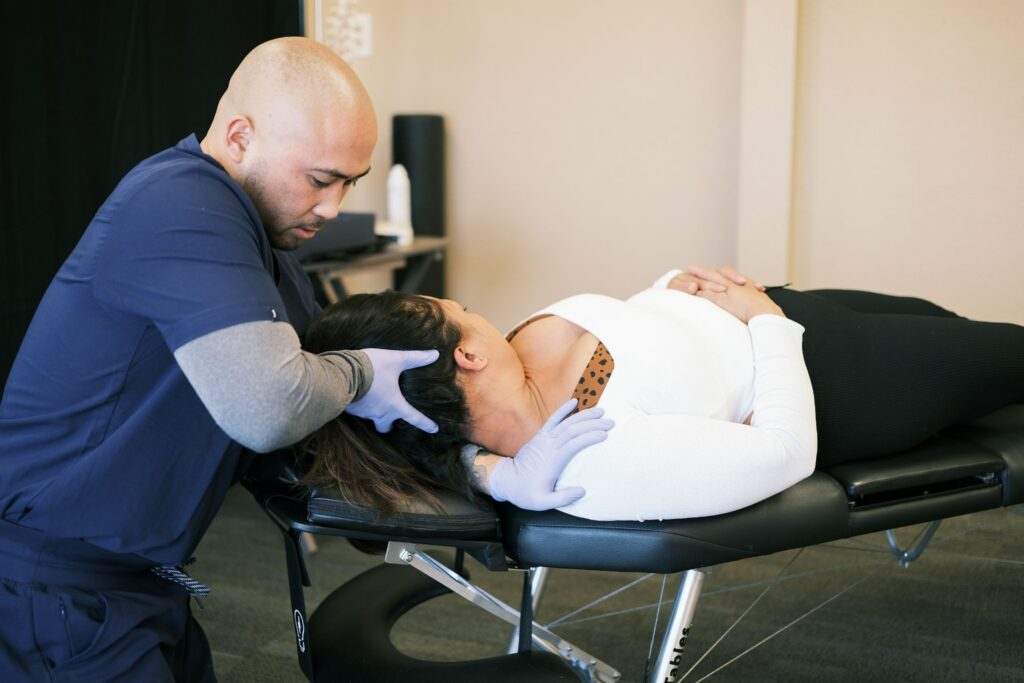

When you consider the relationship between physical adjustments and anxiety reduction, it's clear that the body plays an essential role in emotional well-being. Adjustments can help realign your physical state, enhancing blood flow and relieving tension that often contributes to stress. In addition, these techniques promote mindfulness, allowing you to become more aware of your body's signals and responses. But how exactly do these changes translate into a calmer mindset? Understanding this connection may reveal practical strategies for managing anxiety more effectively in your daily life.
Understanding Anxiety and Its Effects
Anxiety can feel like a heavy weight pressing down on you, impacting both your mind and body. You might notice racing thoughts, a churning stomach, or an overwhelming sense of dread. These sensations can creep in unexpectedly, leaving you feeling trapped in a cycle of worry. Understanding anxiety's effects on you is the first step in managing it.
When anxiety strikes, it's not just your mind that feels the strain; your body reacts too. You may experience physical symptoms like increased heart rate, sweating, or muscle tension. It's as if your body's alarm system goes off, preparing you for a perceived threat. This reaction can be exhausting, leading to fatigue and irritability, which only adds to your anxiety.
Moreover, anxiety can cloud your decision-making abilities. You might second-guess yourself or avoid situations altogether, fearing they'll trigger your anxiety. This avoidance can limit your experiences and relationships, leaving you feeling isolated. You might even find yourself overthinking simple tasks, making them feel monumental.
Recognizing these patterns is essential. By understanding how anxiety manifests in your life, you can begin to take control. You'll start to identify triggers and find ways to cope.
The Role of Physical Adjustments
Making physical adjustments can markedly alleviate anxiety symptoms, offering a tangible way to regain control. When you consciously shift your posture or adjust your environment, you create a physical space that promotes relaxation. Simple changes like sitting up straight or uncrossing your arms can send signals to your brain that help reduce feelings of tension.
You mightn't realize it, but your body language directly influences your emotional state. When you slouch or hunch over, it can mirror your mental state, reinforcing anxiety. On the other hand, adopting an open and confident posture can foster a sense of empowerment. By making these small adjustments, you're not just changing your body; you're actively participating in your emotional well-being.
Creating a calming environment also plays an essential role. Consider decluttering your workspace, adjusting the lighting, or incorporating soothing elements like plants or soft textures. These adjustments can help create a sanctuary that encourages relaxation and focus. When your surroundings are more in tune with your needs, you're less likely to feel overwhelmed.
Incorporating mindful movements, such as stretching or deep-breathing exercises, further enhances your ability to cope with anxiety. These physical adjustments help regulate your body's response to stress, making it easier to navigate challenging situations.
Ultimately, recognizing the impact of physical adjustments empowers you to take proactive steps toward managing anxiety. You can reclaim your sense of control and foster a more balanced emotional state by being mindful of your body and environment.
How Adjustments Affect the Nervous System
Adjusting your posture and environment can have profound effects on your nervous system, leading to a greater sense of calm. When you sit or stand with proper alignment, you increase blood flow and oxygen delivery to your brain. This can enhance your overall well-being and reduce feelings of anxiety.
Conversely, slumping or hunching can restrict breathing and create tension, which may heighten stress levels.
Your nervous system is divided into two main parts: the sympathetic and parasympathetic systems. The sympathetic system is responsible for your fight-or-flight response, while the parasympathetic system promotes relaxation and recovery. By making adjustments to your posture, you can stimulate the parasympathetic system, helping to activate your body's natural relaxation response.
When you feel more relaxed, you're better equipped to cope with stressors.
Environmental adjustments, like decluttering your workspace or creating a calming atmosphere, can also influence your nervous system. A clean, organized space reduces sensory overload, allowing your mind to focus and feel more at ease.
Natural elements, such as plants or soft lighting, can further promote relaxation and reduce anxiety.
In essence, when you make conscious adjustments to your posture and surroundings, you directly impact your nervous system's functioning. This can lead to a more balanced state, reducing anxiety and enhancing your overall sense of well-being.
Connection Between Body and Mind
The connection between your body and mind is powerful, with each influencing the other in profound ways. When you're feeling anxious, your body often reacts with physical symptoms like tension, rapid heartbeat, or shallow breathing. Conversely, how you carry yourself—your posture and movements—can also affect your mental state. If you're slouched or tense, it can amplify feelings of anxiety.
Understanding this connection can empower you to take control of your feelings. For instance, practicing mindful breathing can help calm your mind, while also relaxing your muscles. When you pay attention to your body, you become more aware of how your emotions manifest physically, allowing you to address them more effectively.
Additionally, your body's physical health directly impacts your mental well-being. When you engage in regular exercise, for example, you release endorphins that boost your mood. Maintaining a balanced diet contributes to your overall energy levels, which can affect how positive or negative you feel.
Stress is another key player in the body-mind connection. When you're stressed, your body produces cortisol, which can lead to feelings of anxiety. Conversely, when you manage stress through techniques like yoga or meditation, you can lower cortisol levels, benefiting both your body and mind.
Recognizing and nurturing this intricate relationship can help you cultivate a sense of balance, reducing anxiety and promoting overall well-being. By taking care of your body, you can also support your mental health, creating a more harmonious existence.
Benefits of Chiropractic Care and Yoga
Chiropractic care and yoga can greatly improve your physical alignment, helping your body function more efficiently.
By focusing on proper posture and flexibility, you can relieve stress and tension that often contribute to anxiety.
Together, these practices not only promote relaxation but also enhance your overall well-being.
Physical Alignment Benefits
Maintaining proper physical alignment is essential for overall well-being, and both chiropractic care and yoga play crucial roles in achieving this. When your spine is aligned, it optimizes your nervous system function, which can lead to reduced tension and anxiety. Chiropractic adjustments help correct misalignments, allowing your body to communicate more effectively. You may notice improvements in your mood, energy levels, and overall mental clarity after just a few sessions.
Yoga complements chiropractic care by promoting flexibility and strength. As you practice yoga, you develop awareness of your body, learning to recognize and release tension. This can enhance your physical alignment and help you maintain it in daily life. With consistent practice, you'll likely find that your posture improves, which can contribute to a greater sense of calm.
Both practices encourage mindfulness, allowing you to connect with your body and quiet your mind. By prioritizing physical alignment through chiropractic care and yoga, you're not only investing in your physical health but also creating a solid foundation for emotional well-being.
Your journey toward a more balanced life starts with nurturing your body, leading to reduced anxiety and increased resilience.
Stress Relief Techniques
Exploring stress relief techniques is a natural progression after addressing physical alignment. Chiropractic care and yoga are two powerful methods that can greatly reduce stress and anxiety levels. When you receive chiropractic adjustments, you're not just improving your physical alignment; you're also promoting better nervous system function. This enhanced communication within your body can lead to decreased stress responses, making it easier to handle daily challenges.
On the other hand, yoga combines physical movement, breath control, and meditation, all of which help calm your mind. Practicing yoga allows you to connect with your body, encouraging relaxation and mindfulness. As you flow through poses, you release tension, which can help reduce feelings of anxiety.
Incorporating both chiropractic care and yoga into your routine can create a holistic approach to stress management. You'll find that regular adjustments can enhance your yoga practice, making it more effective in promoting relaxation.
Together, these techniques empower you to take control of your stress and anxiety, improving your overall quality of life. By prioritizing these practices, you're investing in a healthier, more balanced you.
Practical Tips for Incorporating Adjustments
Adjustments can be a game-changer for managing anxiety, but incorporating them into your routine might feel challenging at first. To get started, pick one or two adjustments that resonate with you. This could be adopting mindfulness techniques, scheduling regular breaks, or setting boundaries around work and social activities.
Focusing on a couple of adjustments will make it easier to integrate them into your daily life without feeling overwhelmed.
Next, create a plan. Write down specific times and situations where you'll implement these adjustments. For example, if you decide to practice deep breathing, schedule five minutes in the morning or during your lunch break.
Consistency is key, so try to stick to this schedule until the adjustment feels more natural.
You can also set reminders on your phone or use sticky notes around your workspace to reinforce your new habits. Don't underestimate the power of visual cues—they can jog your memory and keep you focused on your goals.
Moreover, seek accountability. Share your adjustments with a friend or family member who can support you. Having someone to check in with can boost your motivation and help you stay committed.
Lastly, be patient with yourself. Change takes time, and it's normal to encounter setbacks. Celebrate small victories along the way. Each step you take toward incorporating adjustments is a step toward reducing anxiety and improving your overall well-being.
Conclusion
Incorporating adjustments into your routine can greatly reduce anxiety and enhance your overall well-being. By promoting physical alignment and improving nervous system function, you'll not only alleviate tension but also foster a deeper connection between your body and mind. Whether through chiropractic care or yoga, these practices empower you to manage stress more effectively. Embrace these techniques, and you'll find yourself better equipped to navigate life's challenges with resilience and calm.