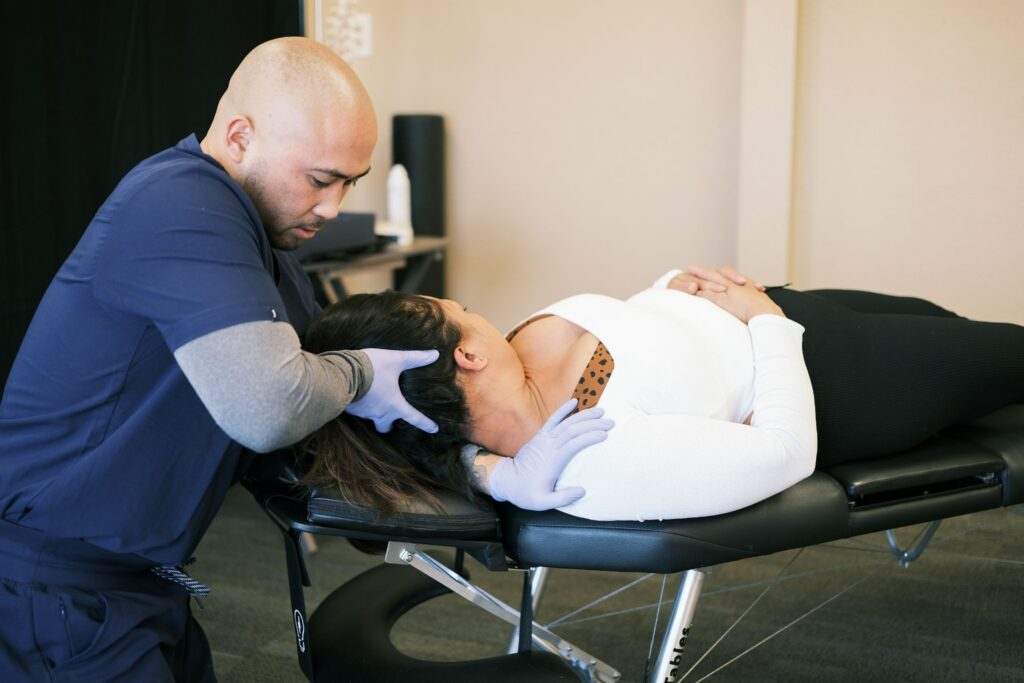

As a local chiropractor, I want to share with you the importance of considering alternative techniques for achieving your athletic goals. While traditional training methods are effective, there's a world of practices that can enhance your performance and overall well-being. Incorporating approaches like chiropractic care, yoga, or cross-training into your routine can not only improve your physical capabilities but also foster mental resilience and emotional balance.
Chiropractic care, in particular, focuses on aligning the spine and optimizing your body's function, which can lead to improved mobility and reduced pain. This can be especially beneficial for athletes who put their bodies under significant stress. Additionally, practices such as yoga can increase flexibility and help prevent injuries, while cross-training can build strength and endurance in diverse muscle groups.
As you explore these alternative techniques, consider how they might reshape your training approach and elevate your athletic journey. You might uncover valuable insights that enhance not only your physical performance but also your overall health and wellness. Let's work together to discover the best path for your athletic success!
The Shift in Athletic Training
Athletic training has experienced a remarkable evolution in recent years, and as a local chiropractor, I want to help you understand how this shift can benefit your overall health and performance. You may have noticed that the traditional methods of training, which primarily focused on repetitive drills and strength building, are now being complemented by a more holistic approach. Coaches and trainers are increasingly recognizing the significance of mental and emotional well-being alongside physical training. This means that to excel, you need to engage not just your body, but your mind as well.
Incorporating alternative techniques into your training regimen can significantly enhance your performance and overall health. Practices such as yoga and Pilates, along with functional movement training, are becoming more popular. These methods not only improve flexibility and core strength but also foster better body awareness and alignment, which are crucial components of chiropractic care. By integrating these practices into your routine, you may find that your athletic performance improves while also reducing the risk of injury.
Additionally, technology is playing an important role in this transformation. Wearable devices that monitor biomechanics, sleep patterns, and recovery metrics can provide you with valuable, real-time feedback. This data can empower you to make informed decisions about your training and recovery strategies, helping to prevent overtraining and ensuring you address all aspects of your athletic development.
Moreover, the importance of nutrition and recovery can't be overstated. Many athletes are now prioritizing meal planning and proper hydration as integral parts of their training. As a chiropractor, I emphasize that these elements are vital for optimal performance and recovery. By understanding and implementing these principles, you can set yourself up for success in your athletic journey.
I encourage you to embrace this holistic shift in athletic training and explore various methods to optimize your physical health. As you do so, consider the benefits of chiropractic care as part of your approach to wellness. It's all about finding what works best for you and supporting your body's natural healing processes.
Benefits of Mindfulness Practices
Incorporating mindfulness practices into your daily routine can greatly enhance not only your athletic performance but also your overall well-being, especially when considering the holistic approach of chiropractic care. By focusing on being present, you can sharpen your concentration and mental clarity—key components when you're pushing your physical limits during workouts or daily activities.
Mindfulness allows you to tune into your body, helping you recognize when to exert more effort or when it's time to rest. This self-awareness can significantly reduce the risk of injuries, which is something we often see in our chiropractic practice.
One of the impressive benefits of mindfulness is its ability to lower stress and anxiety levels. Through techniques like meditation and deep breathing, you can learn to manage your thoughts and emotions more effectively. This mental resilience is vital, particularly in high-pressure situations, and can help you maintain a calm mindset—an aspect that can make a remarkable difference in your performance, whether in sports or everyday life.
Moreover, mindfulness can support your recovery process. By cultivating awareness and relaxation through mindfulness practices, you can improve your quality of sleep, which is crucial for muscle recovery and overall health.
As a chiropractor, I often emphasize the importance of rest for optimal recovery and performance, and integrating mindfulness can be a valuable tool in achieving this.
Additionally, mindfulness encourages a positive attitude toward training and competition. When you approach your workouts with a calm and focused mindset, you're more likely to enjoy the experience and stay motivated.
This enjoyment can foster consistency, an essential element for achieving long-term success in any physical endeavor. Embracing these practices not only complements chiropractic care but can lead to a more balanced and fulfilling approach to your health and fitness journey.
Unconventional Strength Training Methods
As a chiropractor, I often encourage my patients to explore unconventional strength training methods that can complement their overall health and well-being. These unique approaches not only enhance muscle strength but also promote agility, balance, and coordination, which are crucial for maintaining a healthy spine and preventing injuries.
For example, incorporating tools like kettlebells or sandbags into your routine can be beneficial. These implements engage multiple muscle groups and improve grip strength, while also requiring you to stabilize your movements. This kind of functional strength training can lead to better posture and spinal alignment, which are key aspects of chiropractic care.
Bodyweight training is another excellent option. Exercises such as handstands, planches, or animal movements utilize your own body as resistance. This not only builds strength relative to your size but also fosters joint stability and flexibility—important factors for a healthy musculoskeletal system. The best part? You can do these exercises anywhere, making them a convenient addition to your fitness regimen.
Additionally, unconventional tools like battle ropes or tire flips can enhance your workouts. These dynamic exercises not only build strength but also improve cardiovascular fitness, contributing to a well-rounded approach to health. By engaging your fast-twitch muscle fibers through explosive movements, you can develop power and agility that traditional strength training may not address.
Lastly, I encourage you to consider incorporating playful elements into your routine, such as parkour or martial arts. These activities challenge you to adapt quickly and creatively, building strength in a functional way that mirrors everyday movements.
Embracing these unconventional methods can revitalize your training and keep you motivated, all while enhancing your overall athletic performance and supporting your chiropractic care journey.
Innovative Recovery Techniques
As a local chiropractor, I want to share some innovative recovery techniques that can significantly enhance your athletic performance and overall well-being.
One approach I often recommend is active recovery. This involves engaging in low-intensity exercises that help maintain blood flow while allowing your muscles to recuperate. Rather than collapsing on the couch after an intense workout, consider going for a gentle jog or practicing some yoga. This method not only aids in reducing muscle soreness but also accelerates your recovery time.
Cryotherapy is another technique that has been gaining traction. It involves exposing your body to extremely cold temperatures for brief periods, which can effectively reduce inflammation and alleviate pain. Many wellness centers now offer cryo chambers, and there are even at-home devices available for those who wish to incorporate this practice into their routine.
I also encourage my patients to include foam rolling in their recovery regimen. This self-myofascial release technique enhances circulation and helps break up muscle knots. By spending some time rolling out tight areas, you can improve your flexibility and lower the risk of injury.
In today's tech-driven world, don't underestimate the value of technology in your recovery efforts. Wearable devices are available to track important metrics such as heart rate variability, sleep patterns, and recovery status. By keeping an eye on these indicators, you can make informed adjustments to your training regimen and avoid the pitfalls of overtraining.
Lastly, I urge you to explore guided meditation or deep-breathing exercises. These practices are fantastic for reducing stress and enhancing focus, which can ultimately lead to improved performance both mentally and physically.
Nutrition Beyond the Basics
As a local chiropractor, I want to emphasize that recovery techniques are crucial for enhancing your athletic performance, but it's equally important to understand how nutrition impacts your overall health and gains. You may think that simply eating enough is sufficient, but to truly optimize your performance and well-being, we must go beyond the basics. Proper nutrition significantly influences your recovery, energy levels, and muscle growth.
Here are some essential nutrition strategies to consider:
- Macronutrient Balance: It's important to ensure you're getting the right balance of carbohydrates, proteins, and fats tailored to your individual needs. This balance supports your body's recovery and energy demands.
- Hydration: Never underestimate the power of hydration! Water is vital for muscle function and recovery, and being well-hydrated can enhance your overall performance.
- Micronutrients: Incorporate a wide variety of fruits and vegetables into your diet. These foods provide essential vitamins and minerals that support not only your overall health but also your recovery process.
- Timing of Nutrient Intake: Pay attention to when you eat. Consuming a mix of protein and carbohydrates after your workouts can help kickstart the recovery process, allowing your body to heal and rebuild more effectively.
- Supplements: If you're concerned about meeting your nutritional needs through diet alone, high-quality supplements such as omega-3 fatty acids or branched-chain amino acids (BCAAs) can help fill nutritional gaps and support your recovery.
By understanding and implementing these nutrition strategies, you can enhance your athletic performance and overall well-being, complementing the benefits of chiropractic care and natural healing.
The Role of Mental Conditioning
Mental conditioning is an essential component of your overall health and wellness, especially for athletes, and it extends beyond just physical capability. As a chiropractor, I want to emphasize that your mindset and resilience are just as crucial for achieving your goals. Many people may not realize that performance isn't solely determined by strength or technique; mental toughness plays a vital role in how well you can perform.
While you might engage in rigorous physical training, without the right mental conditioning, you could struggle with the focus and determination necessary to truly excel. That's where mental conditioning techniques come into play, and they can significantly enhance your performance.
One effective technique is visualization. This allows you to mentally rehearse your movements and strategies, preparing your mind for competition just as you prepare your body. Imagine yourself executing your skills flawlessly or reaching the finish line ahead of others. This practice not only boosts your confidence but also reinforces the neural pathways involved in your physical performance.
Mindfulness and meditation are additional tools that can be useful in mental conditioning. These practices help you manage stress and anxiety, keeping you present and focused during critical moments. When you learn to stay in the moment, distractions and self-doubt can diminish, allowing you to perform at your best.
Setting realistic and attainable goals is another fundamental aspect of mental conditioning. By establishing a clear roadmap for your journey, you can celebrate small victories along the way, which keeps you motivated and committed to your progress.
Ultimately, investing time in mental conditioning is an investment in your overall health and performance. It strengthens your mind, which can enhance your physical capabilities and help you navigate challenges with confidence.
I encourage you to embrace these techniques and consider how they can complement your chiropractic care, leading to not only improved athletic performance but also better overall well-being.
Exploring Cross-Training Options
As a local chiropractor, I often emphasize the importance of cross-training as a vital component of overall health and athletic performance. Cross-training refers to the practice of integrating a variety of exercise activities into your routine, which can help develop different muscle groups, enhance your overall fitness, and significantly lower your risk of injury.
By diversifying your workouts, you not only keep them enjoyable and engaging but also challenge your body in new and beneficial ways.
Here are some effective cross-training options you might consider:
- Swimming: This low-impact exercise is excellent for building endurance while being gentle on your joints, making it a fantastic choice for many individuals.
- Cycling: An effective way to improve cardiovascular health and strengthen your leg muscles, cycling can be adapted to various fitness levels.
- Yoga: Beyond increasing flexibility and balance, yoga also promotes mental clarity and focus, which can enhance your performance in other physical activities.
- Rowing: This full-body workout engages multiple muscle groups and builds both strength and endurance, offering a comprehensive fitness experience.
- Plyometrics: These dynamic movements improve power and agility, making them particularly beneficial for athletes participating in sports that require quick bursts of energy.
Incorporating these activities into your training regimen not only enhances your physical capabilities but also plays a crucial role in preventing burnout.
It allows you to pinpoint areas for growth—be it strength, flexibility, or endurance. Furthermore, cross-training can transform your recovery days into productive sessions, keeping your body active while providing specific muscle groups with the rest they need.
As you explore these cross-training options, remember that chiropractic care can also support your journey towards improved health and performance.
Regular adjustments can help maintain proper alignment, enhance mobility, and reduce the risk of injuries, allowing you to train more effectively and recover faster.
Embrace the variety and let it lead you to a healthier, more balanced lifestyle!
Real-Life Success Stories
As a local chiropractor, I've seen firsthand how cross-training can significantly enhance not only athletic performance but also overall well-being.
Let me share some inspiring stories of individuals who transformed their journeys through holistic approaches.
Take Sarah, for example—a competitive runner who faced constant battles with chronic injuries. Frustrated and in pain, she decided to diversify her training by incorporating swimming and cycling. Within just a few months, Sarah experienced remarkable improvements. Not only did her strength increase, but she also noticed her running times getting faster.
By integrating different forms of exercise, she was able to reduce the strain on her joints, allowing for longer, healthier training sessions. This is a perfect example of how varied movement patterns can support joint health.
Then we've Mike, a dedicated weightlifter who found himself stuck at a plateau. Feeling frustrated, he explored yoga and Pilates to boost his flexibility and core strength. This change made a significant difference—not only did he start lifting heavier weights, but he also developed a better awareness of his body mechanics.
He attributes his success to these alternative practices, which improved his ability to perform complex lifts with enhanced form and stability. This illustrates how focusing on flexibility and core strength can aid in injury prevention and performance improvement.
Finally, let's talk about Lisa, a triathlete who embraced functional training. By concentrating on movements that closely resemble her race conditions, she was able to boost her endurance and agility. The outcome? A personal best at her next competition, showcasing the powerful impact of training that aligns with one's specific athletic goals.
These stories are perfect examples of how thinking outside the box and embracing a variety of techniques can unlock your full potential.
Whether you're a seasoned athlete or just starting out, incorporating activities like swimming, yoga, or functional training can significantly enhance your performance and well-being.
As a chiropractor, I encourage you to explore these holistic methods. They can work hand-in-hand with chiropractic care to promote healing, prevent injuries, and optimize your athletic capabilities.
Why not take inspiration from Sarah, Mike, and Lisa? You might just discover the key to your own athletic breakthrough and overall health.
Conclusion
As a local chiropractor, I want to share how incorporating alternative techniques into your training can greatly enhance your athletic performance. Practices such as yoga, Pilates, and cross-training not only help improve your physical abilities but also contribute significantly to your mental and emotional health. These methods promote better recovery, lower your risk of injuries, and encourage a positive mindset.
By exploring these diverse approaches, you'll not only find what resonates with you but also support your body's natural healing processes. This can lead to continuous improvement and greater success in your athletic endeavors. Remember, taking care of your body holistically through chiropractic care and these alternative techniques can set you on the path to achieving your fitness goals while fostering overall well-being.