
When you're dealing with back pain, the thought of surgery or heavy medications can be intimidating. You might wonder why non-invasive options are worth considering instead. These treatments not only target the underlying causes of your discomfort but also prioritize your overall well-being. By opting for methods like physical therapy, chiropractic care, or acupuncture, you're likely to experience fewer side effects and a safer path to recovery. But what specific benefits do these approaches offer, and how can they transform your daily life? Let's explore that further.
Understanding Back Pain
Back pain is one of the most common health issues people face, affecting millions worldwide. You might experience it as a dull ache, sharp pain, or even a persistent discomfort that makes daily activities challenging. Understanding back pain is imperative for managing it effectively.
Your back consists of bones, muscles, ligaments, and nerves, all working together to support your body and facilitate movement. When any part of this complex system gets strained, injured, or degenerates, you can feel pain. Common causes include poor posture, muscle strains, herniated discs, or conditions like arthritis.
Sometimes, the pain can stem from stress or emotional factors, which makes it even more important to assess both physical and mental well-being.
You may notice that back pain can vary in intensity and duration. Acute pain often arises suddenly due to an injury or a specific event, while chronic pain can linger for months or even years, sometimes without a clear cause.
It's important to pay attention to your body's signals and identify any patterns, such as activities that worsen your discomfort.
Recognizing the type and source of your back pain can help you take the next steps toward relief. Keeping an open dialogue with your healthcare provider is essential, as they'll assist you in pinpointing the root cause and creating a tailored approach to address it.
Understanding back pain empowers you to make informed decisions about your health and well-being.
Non-Invasive Treatment Overview
When dealing with back pain, exploring non-invasive treatment options can provide effective relief without the need for surgery. These approaches focus on alleviating discomfort through methods that don't involve invasive procedures. You have a variety of options to evaluate, each with its own benefits and techniques.
One of the most common non-invasive treatments is physical therapy. A skilled therapist can guide you through exercises tailored to strengthen your back and improve flexibility. This can enhance your overall mobility and help you manage pain more effectively.
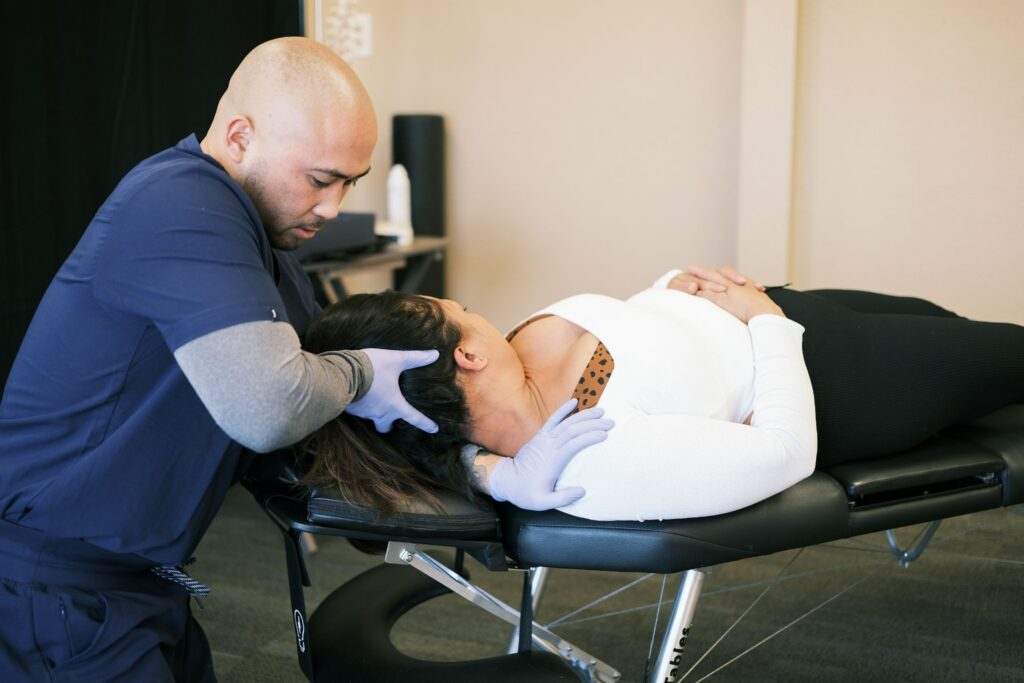
Chiropractic care is another option that many find beneficial. Chiropractors use manual adjustments to align your spine, which can relieve pressure on nerves and reduce pain. This hands-on approach often leads to quicker recovery times and can help maintain long-term spinal health.
In addition to these therapies, you might explore acupuncture. This ancient technique involves inserting thin needles into specific points on your body. It's believed to stimulate the release of endorphins, which can help reduce pain and promote relaxation.
Medication is also a non-invasive route worth evaluating. Over-the-counter pain relievers, muscle relaxants, or anti-inflammatory drugs can provide temporary relief and make daily activities more manageable.
Ultimately, non-invasive treatments offer a holistic approach to back pain management. By taking advantage of these methods, you can find the relief you need while avoiding the risks and downtime associated with surgical procedures.
Benefits of Physical Therapy
Physical therapy offers you a tailored approach to regain mobility and strength.
With personalized treatment plans, you can target specific issues affecting your back.
This hands-on care not only addresses pain but also empowers you to move freely again.
Restore Mobility and Strength
Finding relief from back pain often starts with restoring mobility and strength, and physical therapy plays an essential role in this journey. Through targeted exercises and hands-on techniques, physical therapists help you regain function and confidence in your movements.
You'll find that improving your mobility isn't just about reducing pain; it's about getting back to the activities you love.
Here are some key benefits of physical therapy for restoring mobility and strength:
- Improved Range of Motion: You'll be guided through exercises that gradually increase your flexibility and movement capabilities.
- Strength Building: Tailored strength training helps support your spine and reduce the risk of future injuries.
- Pain Management: Therapists teach you techniques to manage pain during physical activities, allowing you to stay active.
- Enhanced Posture: By addressing muscle imbalances, you'll learn how to maintain proper posture, which can alleviate stress on your back.
With consistent effort, you'll notice significant improvements in your overall physical health.
Embracing physical therapy can lead to a more active lifestyle, enabling you to enjoy life without the limitations of back pain.
Personalized Treatment Plans
Many people benefit from personalized treatment plans in physical therapy, as these tailored approaches address individual needs and goals. When you start your therapy, a qualified physical therapist evaluates your specific condition, discussing your pain levels, activity limitations, and lifestyle. This assessment helps in crafting a plan that suits you best.
With a personalized plan, you're more likely to see faster improvements. Instead of a one-size-fits-all routine, your therapy focuses on exercises and techniques that target your unique issues. This increases your engagement and commitment to the process, as you can see tangible progress toward your goals.
Additionally, a customized plan allows for adjustments based on your response to treatment. If something isn't working or you're experiencing new symptoms, your therapist can modify your plan in real-time, ensuring you stay on the right track.
You'll also benefit from the therapist's expertise in selecting modalities that fit your preferences, whether it's manual therapy, specific exercises, or modalities like heat and ice.
The Role of Chiropractic Care
Chiropractic care plays an essential role in managing back pain for countless individuals seeking relief without invasive procedures. By focusing on the spine's alignment and function, chiropractors help restore balance to your body, allowing it to heal naturally.
You might be surprised at how effective chiropractic adjustments can be in alleviating discomfort and improving your overall well-being.
Here are some key benefits of chiropractic care for back pain:
- Pain Relief: Chiropractic adjustments can reduce pain by realigning the spine, relieving pressure on nerves and muscles.
- Improved Mobility: Regular sessions can enhance your range of motion, making daily activities easier and more enjoyable.
- Holistic Approach: Chiropractors often provide guidance on lifestyle changes, such as exercise and nutrition, to support your recovery and prevent future issues.
- Personalized Treatment: Each plan is tailored to your specific needs, ensuring that your care addresses the root cause of your pain.
Chiropractic care not only targets immediate discomfort but also promotes long-term health.
By working with a chiropractor, you can develop a proactive approach to your back pain, focusing on prevention and overall wellness. In many cases, patients report feeling better after just a few sessions.
As you explore non-invasive options for back pain relief, consider giving chiropractic care a try—it might just be the solution you've been looking for.
Acupuncture for Pain Relief
If you're looking for a natural way to ease back pain, acupuncture might be worth considering.
This ancient practice stimulates specific points on your body, promoting healing and reducing discomfort.
Let's explore how acupuncture works and the benefits it can bring to your pain relief journey.
Benefits of Acupuncture
Have you considered acupuncture as a solution for your back pain? This ancient practice offers numerous benefits that could help you find relief without resorting to medication or invasive procedures.
Many people have turned to acupuncture for its holistic approach to pain management.
Here are some key benefits you might experience:
- Reduced pain levels: Acupuncture can help alleviate chronic pain by targeting specific pressure points.
- Improved mobility: By relaxing tight muscles and increasing blood flow, this treatment can enhance your overall flexibility and movement.
- Stress relief: The calming nature of acupuncture can help reduce anxiety and stress, which often contribute to back pain.
- Enhanced overall well-being: Regular sessions may promote better sleep and improved mood, leading to a more balanced lifestyle.
With its minimal side effects and personalized approach, acupuncture might just be the non-invasive option you've been searching for.
If you're ready to explore this alternative therapy, consult a qualified practitioner to determine if it's right for you. Embracing acupuncture could be your first step toward a pain-free life.
How It Works
Acupuncture works by stimulating specific points on your body, often referred to as meridians, to promote natural healing and pain relief. When needles are inserted into these points, they trigger your body's energy flow, also known as "qi." This stimulation can help reduce inflammation, improve blood circulation, and release endorphins, which are your body's natural painkillers.
During a session, your acupuncturist will assess your condition and select the appropriate points to target based on your individual symptoms. You might feel a slight sensation when the needles are inserted, but it's generally painless. Many people find the experience relaxing, often leading to a sense of calm.
The treatment typically lasts between 20 to 40 minutes, and you may need several sessions to experience substantial relief. Acupuncture not only addresses your back pain but can also improve overall wellness by balancing your body's energy.
Importance of Lifestyle Changes
Making lifestyle changes is crucial for managing back pain effectively. When you adopt healthier habits, you can considerably reduce the strain on your back and improve your overall well-being. It's not just about treating the pain; it's about addressing the root causes and preventing future discomfort.
Here are some essential lifestyle changes you should consider:
- Regular Exercise: Engaging in low-impact activities, like walking or swimming, strengthens your back muscles and increases flexibility.
- Healthy Diet: Eating a balanced diet rich in anti-inflammatory foods can help reduce pain and promote healing.
- Posture Awareness: Being mindful of your posture while sitting, standing, or lifting can prevent unnecessary stress on your back.
- Adequate Sleep: Ensuring you get enough restorative sleep allows your body to recover and may alleviate back pain.
Incorporating these changes into your daily routine can make a world of difference. You might find that simple adjustments, like using ergonomic furniture or adding stretches to your day, can ease discomfort.
Remember, consistency is key. By committing to a healthier lifestyle, you'll not only manage your back pain more effectively but also enhance your quality of life. You have the power to take control of your situation, and every small step counts toward a more comfortable and active life.
Psychological Aspects of Pain
The way you perceive and respond to pain can greatly influence your experience with back discomfort. Your mindset plays an essential role in how you interpret sensations and cope with them. If you view pain as a threat, you're more likely to experience heightened anxiety, which can intensify your perception of discomfort. Conversely, adopting a more positive outlook can help you manage pain more effectively.
It's important to recognize that emotional factors, such as stress and depression, can amplify your experience of pain. When you're feeling overwhelmed or anxious, your body may react by tightening muscles or increasing sensitivity to pain. Taking steps to address these emotional components can lead to significant improvements in your back pain management.
Engaging in mindfulness practices, such as meditation or deep breathing exercises, can help shift your focus away from discomfort and promote relaxation. This shift in perspective allows you to create a more constructive relationship with your pain.
You might also consider cognitive behavioral therapy, which can teach you how to reframe your thoughts about pain and develop better coping strategies.
Safety and Effectiveness
When exploring non-invasive options for back pain, it's crucial to evaluate their safety and effectiveness. Non-invasive methods often include physical therapy, acupuncture, chiropractic care, and certain lifestyle changes. These approaches can provide relief without the risks associated with surgery or long-term medication use.
You'll find that many of these options have a solid track record of safety. For instance, physical therapy is designed to strengthen your muscles and improve your flexibility, which can ultimately reduce pain. Acupuncture, despite its needles, is generally well-tolerated and has shown effectiveness in managing back pain for many people. Chiropractic care, when performed by a licensed professional, can also be a safe alternative.
Here are some key points to reflect on regarding safety and effectiveness:
- Minimal Side Effects: Most non-invasive treatments have fewer side effects than medications or surgical procedures.
- Evidence-Based: Many options are backed by research that demonstrates their effectiveness in reducing pain and improving function.
- Personalized Approaches: Treatments can often be tailored to your individual needs, enhancing their effectiveness.
- Holistic Benefits: Non-invasive methods not only target pain relief but also promote overall well-being.
Ultimately, choosing a non-invasive option can lead to a safer and more effective journey toward managing your back pain. By prioritizing these methods, you're taking an informed step toward recovery and a pain-free life.
Long-Term Health Benefits
Many individuals find that non-invasive options for back pain not only provide immediate relief but also offer significant long-term health benefits. By choosing treatments like physical therapy, chiropractic care, or acupuncture, you can improve your overall well-being while addressing the root causes of your discomfort.
One of the primary long-term benefits is enhanced mobility. When you engage in non-invasive therapies, you're often encouraged to participate in exercises and stretches that strengthen your core muscles, improve flexibility, and promote better posture. This not only alleviates pain but also helps prevent future injuries, allowing you to live an active lifestyle.
Additionally, non-invasive treatments can lead to better mental health. Chronic pain often contributes to anxiety and depression, but by managing your back pain effectively, you can experience improved mood and reduced stress levels. This holistic approach fosters a sense of empowerment, giving you control over your health.
Long-term use of non-invasive methods can also minimize the likelihood of developing chronic pain conditions. By focusing on prevention and self-care, you're investing in your future health and reducing the chances of needing more invasive treatments down the line.
Lastly, these options tend to have fewer side effects compared to medications or surgical interventions. By prioritizing non-invasive treatments, you're not just treating pain; you're nurturing your body and mind for a healthier, more fulfilling life.
Conclusion
Choosing non-invasive options for back pain can be a game-changer for your health. By embracing treatments like physical therapy, chiropractic care, and acupuncture, you address the root causes of your pain while avoiding the risks of surgery and strong medications. Plus, incorporating lifestyle changes and psychological support enhances your overall well-being. With minimal side effects and long-term benefits, you're taking a proactive step towards a healthier, pain-free life. Your back will thank you!