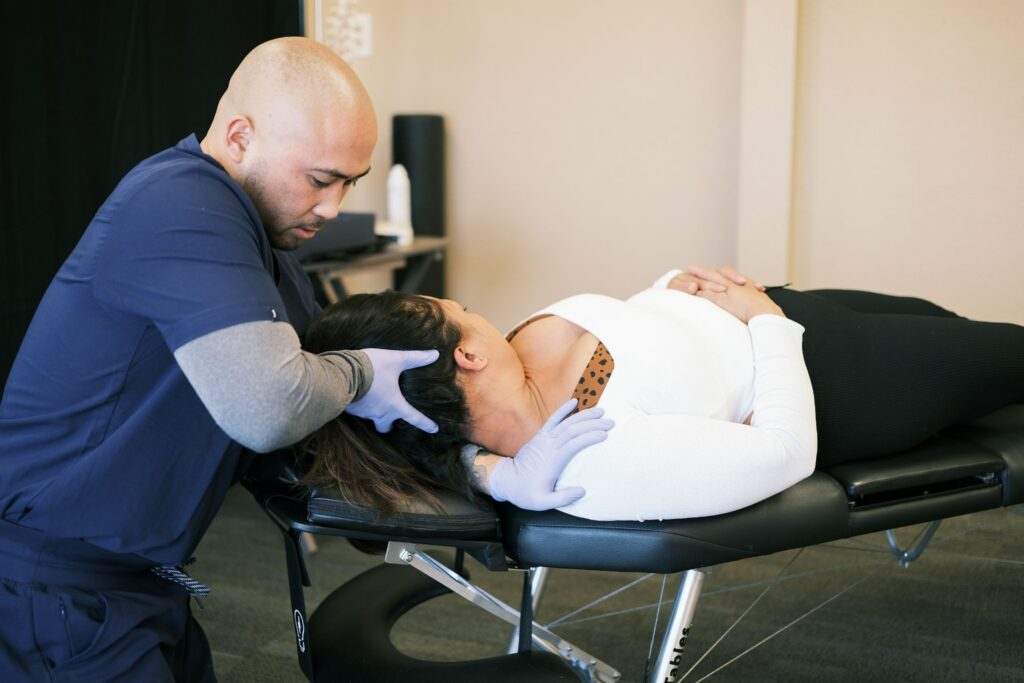

As a local chiropractor, I often see athletes who dedicate themselves entirely to rigorous training, believing that sheer physical effort alone will lead to success. However, have you ever thought about what might be slipping through the cracks? Many athletes overlook vital components like mental resilience, proper recovery protocols, and nutrition, assuming they're less important than physical exertion. This limited focus can hinder your overall potential. What if I told you that by simply re-evaluating your approach and incorporating holistic practices, you could unlock new levels of performance? The keys to enhancing your athletic ability might be closer than you realize, just waiting to be discovered beyond conventional training routines. Embracing chiropractic care and natural healing methods can play a significant role in optimizing your performance and well-being.
The Mental Game
As a local Chiropractor, I want to emphasize that the mental aspect of health is just as crucial as physical well-being, especially for athletes. While you may dedicate countless hours to perfecting your physical skills or enhancing your strength, it's equally important to ensure that your mind is in an optimal state.
Mental resilience can be a game-changer, setting you apart from the competition, and it's vital to nurture this facet of your health, just like any other.
One effective way to boost your mental performance is through visualization techniques. Before a significant athletic event, take a moment to envision yourself executing your game plan successfully. Picture the sights, sounds, and emotions linked to your achievements.
This mental rehearsal helps your brain become familiar with the experience, making it easier to replicate in real life.
Moreover, maintaining a positive mindset can greatly impact your performance. When faced with obstacles or setbacks, it's easy to fall into a negative thought pattern. Instead, focus on your strengths and remind yourself of past successes.
Craft affirmations that resonate with you, and practice them regularly to reinforce your self-belief.
Mindfulness and concentration are also essential components of mental health. Staying present during competitions is crucial; you need to block out distractions and concentrate solely on your performance.
Engaging in mindfulness techniques can enhance your awareness and help you manage anxiety before and during events.
Ultimately, dedicating time to both your mental and physical health can significantly elevate your performance. When you combine physical care, such as chiropractic adjustments, with a strong mental approach, you're laying the groundwork for success.
Don't underestimate the importance of this holistic component in your health journey. At our clinic, we're here to support you in achieving both physical alignment and mental clarity, ensuring you perform at your best.
Underestimating Recovery
As a chiropractor, I often see patients who believe that the secret to improving their performance lies solely in pushing themselves harder.
However, it's crucial to understand that recovery is just as important, if not more so, for your overall success. Quality sleep and purposeful rest can significantly enhance your training results.
Incorporating active recovery techniques, which may include gentle exercises, stretching, or even chiropractic adjustments, can help your body recover more effectively.
These practices not only alleviate pain and tension but also promote healing and prepare you to come back stronger than ever.
Don't underestimate the power of recovery—it's a vital part of your journey toward optimal health and performance.
Importance of Rest
As a local chiropractor, I want to emphasize how crucial rest is for everyone, especially for those who lead active lifestyles. Many people, including athletes, often push their bodies to the limit without realizing that neglecting rest can lead to significant setbacks.
Recovery isn't merely about taking a break; it's a fundamental component of enhancing your overall health and performance.
Here's why it's vital not to skip those rest days:
- Muscle Repair: After engaging in intense physical activity, your muscles require time to heal and strengthen. Adequate rest allows your body to repair the micro-tears that occur during workouts, ultimately leading to improved muscle growth.
- Injury Prevention: Overtraining without sufficient recovery can increase the risk of strains and injuries. By allowing your body to rest, you're less likely to face setbacks that could sideline you for extended periods.
- Mental Clarity: Taking regular breaks refreshes your mind. A well-rested brain can approach training with renewed focus and energy, which is essential for maintaining motivation and performance.
- Hormonal Balance: Rest plays a vital role in regulating hormones such as cortisol, which can impact your overall health and athletic performance. Proper recovery helps maintain this balance, supporting your body's natural healing processes.
Incorporating rest into your routine isn't just beneficial—it's essential for optimal health and performance.
As your chiropractor, I encourage you to prioritize recovery and understand its importance in your overall wellness journey.
Sleep Quality Matters
As a local chiropractor, I want to emphasize the critical role that quality sleep plays in your overall health and well-being, especially if you're looking to enhance your athletic performance.
Many people focus solely on their training routines, but if sleep isn't a priority, you may be hindering your progress. Quality sleep is essential for your body to repair itself, build muscle, and produce the hormones necessary for recovery. Neglecting sleep can lead to decreased cognitive function, slower reaction times, and diminished endurance.
Consider this: Are you consistently achieving the recommended 7 to 9 hours of sleep each night? If you often wake up feeling fatigued or struggle to concentrate during the day, it may be time to evaluate your sleep habits.
Establishing a calming bedtime routine can signal to your body that it's time to relax and prepare for restorative sleep. Additionally, optimizing your sleep environment by keeping it dark, cool, and quiet can significantly improve the quality of your rest.
At our chiropractic clinic, we not only focus on spinal health and alignment but also on the importance of holistic approaches to well-being, including sleep hygiene.
Prioritizing quality sleep can lead to better recovery and improved athletic performance, so let's work together to ensure you're getting the restful sleep your body needs.
Active Recovery Techniques
As a local chiropractor, I often see many athletes and active individuals who may overlook the importance of recovery amidst their busy training and competition schedules.
However, I want to emphasize that incorporating active recovery techniques into your routine can significantly enhance your athletic performance and overall well-being. Active recovery refers to engaging in low-intensity activities that promote blood circulation and facilitate muscle repair, ultimately helping you recover more efficiently and prepare for your next workout or event.
Here are some effective active recovery techniques that I recommend:
- Light Jogging or Walking: These low-impact cardio activities keep your heart rate elevated without placing undue stress on your muscles, making them a great option for recovery days.
- Dynamic Stretching: Gentle stretching exercises not only improve flexibility but also help reduce muscle stiffness, making you feel more limber and ready for your next training session.
- Foam Rolling: This self-myofascial release method is excellent for alleviating muscle tightness. It can enhance recovery by breaking up muscle knots and improving blood flow to the affected areas.
- Swimming or Cycling: Both of these activities allow you to maintain your fitness levels while providing a low-impact way for your body to recover. The buoyancy of water or the gentle motion of cycling can be very soothing for sore muscles.
By integrating these active recovery techniques into your regular routine, you can speed up your recovery process, reduce the risk of injuries, and pave the way for long-term success in your athletic pursuits.
It's crucial not to underestimate the value of a well-structured recovery plan; it can truly be the key to unlocking your full potential as an athlete.
Importance of Sleep
Sleep is a crucial element in enhancing your overall health and athletic performance. As a chiropractor, I often see patients who prioritize training and recovery but overlook the importance of sleep. This oversight can undermine their hard work and dedication. Quality sleep is vital for your physical strength, endurance, and mental clarity, all of which are essential, especially during competitive events.
During sleep, your body engages in important recovery processes. Muscle repair, hormone regulation, and mental refreshment occur predominantly in deep sleep. Insufficient rest can lead to delayed muscle recovery and diminished energy levels, which may result in subpar performance, a higher likelihood of injuries, and even feelings of burnout.
Some may believe they can make up for lost sleep during the off-season, but consistent sleep patterns are truly vital for optimal health. Aim for 7 to 9 hours of restorative sleep every night. Establishing a calming bedtime routine, which includes winding down and avoiding screens, can signal to your body that it's time to rest.
It's also important to recognize how sleep deprivation can influence your mood and focus. A lack of sleep can lead to irritability and reduced motivation, making it challenging to maintain your training regimen. Prioritizing sleep is just as important as your workouts, and by doing so, you may experience noticeable improvements in both your physical capabilities and mental sharpness.
Integrating good sleep hygiene into your daily routine won't only benefit your athletic performance but also support your overall well-being. Remember, sleep isn't merely a luxury; it's a fundamental aspect of your health journey. As a chiropractor, I encourage you to recognize the importance of sleep and make it a priority in your lifestyle.
Nutrition Beyond the Basics
When it comes to supporting your body for optimal health and recovery, understanding nutrition is crucial, and it goes well beyond simply counting calories or macronutrients. While those numbers are important, the true keys to enhancing your well-being lie in the specifics that can significantly improve how you feel and function.
It's essential to consider the quality of your food choices and how they influence your energy levels, healing, and overall vitality.
Here are some important aspects to think about:
- Micronutrients: Vitamins and minerals are vital for energy production and recovery. Don't overlook the power of colorful fruits and vegetables; they're loaded with these essential nutrients that support your body in healing and thriving.
- Hydration: Staying hydrated isn't just about drinking water. It's also about maintaining electrolyte balance, which is crucial for your body, especially during periods of physical activity or stress.
- Timing of Intake: When you eat can significantly influence your health. Planning your meals around your activities can help optimize your energy levels and recovery. Be mindful of what you consume before and after exercise or daily tasks.
- Diversity in Diet: A varied diet ensures you're meeting all your nutritional needs. Including different sources of protein, grains, and healthy fats can greatly support your body's functions and recovery processes.
By focusing on these nutritional aspects, you can enhance not just your physical performance, but also your overall health and well-being.
As a chiropractor, I believe that a holistic approach that includes proper nutrition is essential for achieving optimal health.
Emotional Intelligence in Sports
As a local chiropractor, I often see the importance of emotional intelligence in various aspects of life, including sports and overall well-being. It's not solely about physical strength or technical skills; your ability to understand and manage your emotions can significantly influence your performance and health. By cultivating emotional intelligence, you can better navigate the challenges and pressures of competition and daily life, leading to more consistent outcomes.
You may not realize it, but recognizing your emotions and those of others can greatly enhance communication and relationships, whether on the field or in everyday interactions. When you can empathize with your teammates or family members, it fosters stronger connections and a supportive environment. For instance, if someone close to you is feeling anxious about an upcoming event, your awareness and support can help uplift their spirits, improving their confidence and overall morale.
Furthermore, emotional intelligence can play a crucial role in maintaining focus, especially under pressure. When stress levels rise, your ability to manage your emotions can be the key to making sound decisions and taking effective actions. By practicing self-regulation, you can maintain your composure, which is essential not just in sports but in all areas of life.
Lastly, developing your emotional intelligence contributes to resilience. In both sports and personal challenges, setbacks and failures are inevitable. However, your capability to bounce back depends on how effectively you cope with your emotions. By acknowledging your feelings and learning from your experiences, you're more likely to grow and improve, physically and mentally.
As your chiropractor, I encourage you to consider not just your physical health but also your emotional well-being, as both are interconnected and essential for achieving optimal performance in all aspects of life.
Visualization Techniques
As a local chiropractor, I want to share with you how harnessing the power of visualization techniques can play a significant role in enhancing your overall well-being and athletic performance. Visualization isn't merely about daydreaming; it's a structured practice that can lead to real, tangible results, especially when combined with natural healing methods.
Imagine this: you can create a mental picture of success in your physical activities. Visualize yourself executing a perfect jump, scoring a goal, or crossing the finish line with ease. This mental rehearsal can prepare your body for actual performance and promote a balanced state of mind.
Here are some key strategies to help you get started:
- Set Clear Goals: Just like in chiropractic care, where we identify specific areas of improvement, define what you want to achieve in your physical activities. Whether it's enhancing your flexibility, strength, or mastering a specific skill, having clear goals is essential.
- Engage All Your Senses: When you visualize, incorporate all your senses. Imagine how it feels to move freely, sounds that motivate you, and even the fresh air around you. This multi-sensory approach makes your mental imagery more vivid and impactful.
- Practice Regularly: Just as you'd with chiropractic adjustments, consistency is key. Dedicate time each day to visualize your success. Regular practice strengthens the neural pathways in your brain, making your visualizations more effective over time.
- Stay Positive: Focus on positive outcomes. Visualizing success not only improves your confidence but also reduces anxiety, which is crucial during competitions or any physical challenges you face.
Integrating these visualization techniques into your daily routine can complement chiropractic care and contribute to improved performance and mental resilience.
Take a few moments each day to visualize your success, and you may be amazed at how it transforms your athletic journey and overall health. Remember, your mind and body work together, and nurturing both is essential for optimal well-being.
The Role of Mindfulness
While visualization techniques can be beneficial for mental preparation, I want to highlight the importance of mindfulness in enhancing your overall well-being and performance, whether you're an athlete or simply looking to improve your daily life.
Practicing mindfulness helps you stay present, which is crucial during stressful moments, be it in competition or everyday challenges. Instead of dwelling on past mistakes or worrying about future outcomes, mindfulness encourages you to focus on the present, allowing you to navigate life's demands more effectively.
Incorporating mindfulness into your routine can significantly reduce anxiety and improve your concentration. By training your mind to acknowledge your thoughts and feelings without judgment, you can manage stress and distractions more efficiently. This mental clarity can lead to better decision-making, particularly in high-pressure situations.
Mindfulness is also a valuable tool for recovery. Taking time to connect with your body allows you to tune in to how you're feeling, whether during workouts or day-to-day activities. This awareness can help you identify areas of tension or fatigue, enabling you to make necessary adjustments to your routine. It fosters a deeper connection with your body, which can enhance your overall health and performance.
To start integrating mindfulness into your life, consider simple practices like focused breathing or body scans. These exercises are quick and can have a profound impact on your mental and physical state.
Balancing Training and Rest
As a local chiropractor, I want to emphasize how crucial it's to find the right balance between training and rest for optimal health and performance.
Many people overlook the importance of recovery and may not recognize the signs of overtraining, which can lead to injuries and hinder progress. It's vital to prioritize recovery time so your body can heal and function at its best.
Incorporating effective rest strategies into your routine can significantly enhance your training outcomes. Techniques such as proper stretching, chiropractic adjustments, and adequate sleep can help your body recover more efficiently.
By understanding and respecting your body's signals, you can improve your performance and overall well-being.
Let's work together to ensure you maintain a healthy balance that supports both your training and recovery needs.
Importance of Recovery Time
As a local chiropractor, I want to emphasize the critical role recovery time plays in enhancing your athletic performance, a factor that often gets overlooked amidst the focus on training intensity. Many people mistakenly believe that the key to success lies solely in how hard they push themselves.
However, without proper recovery, your body simply can't reach its full potential. Recovery is essential for allowing your muscles to heal, your energy levels to restore, and your mind to rejuvenate.
Let me explain why you should make recovery a priority:
- Muscle Repair: Just as a chiropractor assists in aligning your body for optimal function, rest is vital for repairing micro-tears in your muscles. This repair process helps them grow stronger and more resilient.
- Injury Prevention: Adequate recovery minimizes your risk of injuries, which can hinder your progress and lead to long-term complications. Consistent chiropractic care can also support this process by ensuring your body is in proper alignment.
- Mental Clarity: A rested mind enhances focus and motivation, which are crucial for effective training sessions. Chiropractic adjustments can also help clear mental fog and improve your overall well-being.
- Performance Gains: By prioritizing recovery, you not only boost your overall performance but also allow your body to train harder and more efficiently. This holistic approach to healing and recovery can lead to sustainable athletic success.
Incorporating recovery into your routine, alongside regular chiropractic care, can make a significant difference in your athletic journey.
Let's work together to ensure your body is ready to perform at its best!
Signs of Overtraining
As a local chiropractor, I want to emphasize the importance of recognizing the signs of overtraining, especially for those who are dedicated to their fitness journey. Overtraining can hinder your progress and negatively impact your overall health, and it's crucial not to overlook these warning signs.
One significant sign to be aware of is persistent fatigue. If you feel unusually drained, even after a full night's sleep, this is a clear indication that your body is under stress. Additionally, you might find that workouts you once tackled with ease are now feeling incredibly challenging.
Mood swings, irritability, and a lack of motivation can also be signals that your body is overwhelmed and in need of a break. From a physical standpoint, you may experience frequent illnesses, an elevated resting heart rate, or difficulties with sleep.
If muscle soreness lingers longer than normal or if you experience joint pain that doesn't go away, these aren't symptoms to ignore. It's essential to listen to your body's cues; they're trying to communicate something important to you.
Recognizing these signs allows you to modify your training regimen and prioritize recovery, which is vital for your well-being. By doing this, you can enhance your performance while also safeguarding your long-term health.
Effective Rest Strategies
As a local chiropractor, I want to highlight the crucial role that rest plays in your overall health and well-being, particularly when it comes to achieving peak physical performance.
Many individuals, including athletes, often overlook the profound benefits of incorporating effective rest strategies into their routines. Balancing physical activity with proper recovery is essential not only for enhancing performance but also for preventing injuries and burnout.
Here are some valuable strategies that I recommend for integrating rest into your lifestyle:
- Schedule Rest Days: It's important to set aside specific days each week dedicated to full recovery. Allowing your body time to heal and rebuild is vital for maintaining optimal function and preventing overuse injuries.
- Active Recovery: On your rest days, consider engaging in low-intensity activities such as walking or gentle yoga. These activities can help promote blood circulation, alleviate muscle tightness, and enhance your overall recovery process.
- Sleep Hygiene: Quality sleep is a cornerstone of health. Aim to establish a consistent sleep schedule and create a calming bedtime routine to help you unwind. Sleep is when your body does a lot of its healing and repair work.
- Listen to Your Body: It's essential to pay attention to how your body feels. If you're experiencing signs of fatigue or soreness, it may be a signal to modify your workouts. Don't hesitate to take an extra rest day if you feel you need it; your body will thank you for it in the long run.
By embracing these rest strategies, you can support your body's natural healing processes and enhance your overall performance.
Conclusion
As a local chiropractor, I want to emphasize that your journey as an athlete extends beyond just physical training. It's crucial not to overlook the vital components of mental resilience, recovery, sleep, and nutrition. Adopting a holistic approach that incorporates emotional intelligence, visualization techniques, and mindfulness can greatly enhance your performance.
By balancing your physical training with proper rest and self-care, including chiropractic care, you can tap into your full potential and achieve lasting success in your sport. Remember, it's not solely about how hard you work; it's about working intelligently and nurturing both your body and mind. Chiropractic care can play a significant role in your recovery and overall well-being, helping you perform at your best.