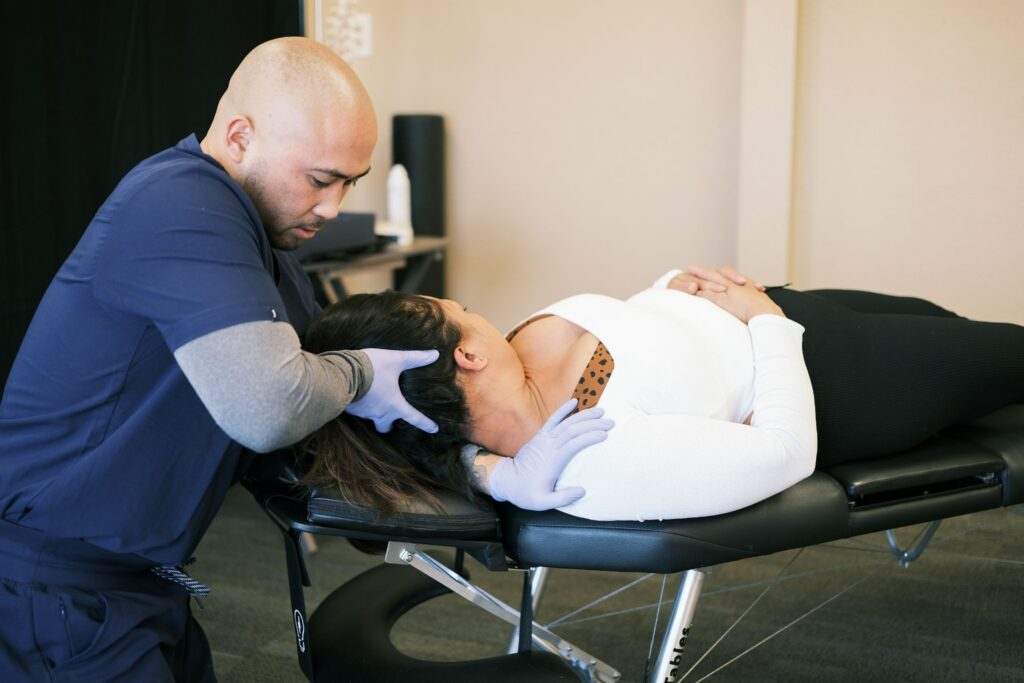

If you’ve ever experienced the discomfort of headaches, you may be curious about how chiropractic care can provide relief. Chiropractors specialize in treating various types of headaches, including tension headaches and migraines, by concentrating on spinal alignment and addressing muscle tension. Each headache type requires a personalized approach, and recognizing these differences can lead to effective relief.
Chiropractic care is a natural and holistic method that focuses on the body’s ability to heal itself. By ensuring proper spinal alignment, chiropractors can help alleviate nerve pressure that may contribute to headache pain. This not only helps in reducing the frequency and intensity of headaches but also promotes overall wellness.
Here are some common types of headaches that chiropractors can treat:
- Tension Headaches: Often caused by stress, poor posture, or muscle strain, these headaches can be relieved through chiropractic adjustments that target the neck and upper back.
- Migraine Headaches: Migraines can be debilitating, but chiropractic care can help reduce their frequency and severity. Techniques such as spinal manipulation and soft tissue therapy may be effective.
- Cervicogenic Headaches: These headaches originate from issues in the neck. Chiropractors can identify and treat the underlying neck problems, providing significant relief.
- Cluster Headaches: Although more complex, some patients have found relief through chiropractic adjustments that alleviate tension in the surrounding areas.
In addition to chiropractic adjustments, there are several general tips you can incorporate into your daily routine to help prevent headaches:
- Stay Hydrated: Drink plenty of water throughout the day to avoid dehydration, which can trigger headaches.
- Maintain Good Posture: Be mindful of your posture, especially if you spend long hours sitting at a desk. Proper ergonomics can significantly reduce strain on your neck and back.
- Manage Stress: Practice relaxation techniques such as deep breathing, yoga, or meditation to help lower stress levels, which can contribute to tension headaches.
If you’re curious about how chiropractic care can specifically address your headaches, don’t hesitate to reach out. Together, we can create a tailored plan to help you achieve optimal health and wellness—naturally!
Key Takeaways
Chiropractors are dedicated to helping you achieve optimal health and wellness, and one of the areas where we can make a significant impact is in treating headaches. Here’s how chiropractic care can help with different types of headaches:
- Tension Headaches: These headaches often arise from muscle tension and stress. By focusing on relieving muscle tightness and improving spinal alignment, chiropractors can help alleviate the discomfort associated with tension headaches. Regular chiropractic adjustments can promote relaxation and reduce the frequency of these headaches.
- Migraines: If you suffer from migraines, chiropractic care can be a beneficial option. Spinal adjustments can help improve your overall spinal health, which may reduce the frequency and intensity of your migraine episodes. Additionally, we can discuss lifestyle changes that support your well-being, such as stress management techniques and proper nutrition.
- Cervicogenic Headaches: These headaches originate from issues in the neck and can cause pain that radiates to the head. Chiropractic care can help manage cervicogenic headaches by focusing on spinal alignment and enhancing neck mobility. Gentle adjustments can restore balance and reduce discomfort.
- Cluster Headaches: If you experience cluster headaches, chiropractic techniques can provide relief by addressing tension in the neck and shoulders. Our goal is to help you find comfort and reduce the intensity of these painful episodes through targeted adjustments and therapies.
- Sinus Headaches: While sinus headaches can be quite bothersome, chiropractic care can support your overall wellness. By improving your spinal health and addressing any misalignments, we can help promote better drainage and alleviate sinus pressure, leading to symptom relief.
General Tips for Headache Relief:
- Stay Hydrated: Drinking plenty of water can help prevent headaches caused by dehydration.
- Practice Good Posture: Maintaining proper posture can reduce muscle tension and strain, which may help prevent headaches.
- Manage Stress: Incorporate relaxation techniques such as deep breathing, meditation, or yoga into your daily routine to help reduce stress-related headaches.
- Regular Exercise: Engaging in physical activity can improve blood flow and reduce the likelihood of tension headaches.
Chiropractic care is a natural, effective approach to managing headaches and promoting overall health. By focusing on your spine and nervous system, we aim to help you achieve relief and enhance your quality of life. If you’re struggling with headaches, consider visiting a chiropractor to explore how we can support your journey toward better health.
Tension Headaches
Tension headaches can be a real nuisance, often appearing out of nowhere and bringing along a dull, aching pain that can disrupt your day. These headaches are frequently triggered by factors such as stress, poor posture, or muscle tension in your neck and shoulders. You may experience a sensation of pressure around your forehead or feel as though a tight band is wrapped around your head.
If you’re seeking relief from these discomforts, consider visiting a chiropractor. Our expertise lies in assessing your posture and spinal alignment, helping us identify the specific areas that may be contributing to your tension headaches. Through gentle and targeted adjustments, chiropractic care can alleviate muscle tension and restore proper alignment, which often leads to a reduction in the frequency and intensity of your headaches.
In addition to adjustments, we can offer personalized advice on ergonomic changes to your workspace and recommend simple stretching exercises to keep your muscles relaxed and tension-free. By addressing the underlying causes of your headaches, chiropractic care provides a holistic approach to achieving lasting relief.
Migraine Headaches
Migraine headaches can be incredibly challenging, but understanding their symptoms is the first step to finding relief. As a local chiropractor, I believe that chiropractic care can play a vital role in alleviating your pain and promoting overall wellness. By addressing spinal alignment and tension in the body, chiropractic techniques may help reduce the frequency and intensity of migraine attacks.
In addition to chiropractic treatment, there are simple lifestyle modifications you can make to support your recovery. Here are some helpful tips:
- Stay Hydrated: Dehydration can trigger migraines, so make sure to drink plenty of water throughout the day.
- Maintain a Regular Sleep Schedule: Consistent sleep patterns can help regulate your body’s internal clock and reduce the risk of migraines.
- Manage Stress: Incorporate relaxation techniques such as deep breathing, meditation, or yoga into your daily routine to help lower stress levels.
- Nutrition Matters: Pay attention to your diet. Certain foods can trigger migraines, so keeping a food diary may help you identify and avoid these triggers.
- Exercise Regularly: Gentle exercises like walking, swimming, or cycling can help improve circulation and reduce tension in your body.
By embracing chiropractic care and these healthy lifestyle choices, you can take proactive steps towards managing your migraines and enhancing your overall well-being.
Migraine Symptoms Overview
When experiencing a migraine, it can significantly affect your daily life and overall well-being. Many people report intense, throbbing pain, often localized on one side of the head. This discomfort can be accompanied by nausea, sensitivity to light, and sound, making it even more challenging to manage. Some individuals may also experience visual disturbances, known as aura, which can occur before the headache begins.
To help you understand the symptoms and their impact better, here’s a simple overview:
| Symptom | Description | Duration |
|---|---|---|
| Throbbing Pain | Intense pain, usually on one side | Several hours to 3 days |
| Nausea | A sick feeling in your stomach | Can vary |
| Sensitivity to Light | Discomfort or pain in bright environments | During the headache |
| Aura | Visual disturbances like flashes or zigzags | A few minutes to 1 hour |
As a chiropractor, I believe in addressing the root cause of your discomfort through natural methods that promote healing and wellness. Here are a few tips to help manage migraine symptoms and enhance your overall health:
- Stay Hydrated: Dehydration can trigger migraines, so ensure you’re drinking plenty of water throughout the day.
- Maintain a Regular Sleep Schedule: Inconsistent sleep patterns can lead to migraine onset. Aim for a consistent bedtime and wake-up time to help regulate your body.
- Manage Stress: Stress is a common migraine trigger. Incorporate relaxation techniques such as deep breathing, meditation, or gentle yoga into your routine.
- Consider Chiropractic Care: Regular chiropractic adjustments can help improve spinal alignment and reduce tension, which may alleviate migraine symptoms and prevent future episodes.
- Monitor Triggers: Keep a diary to track your migraine occurrences and potential triggers, such as certain foods, environmental factors, or stressors. This can help you identify patterns and avoid situations that may lead to migraines.
Chiropractic Treatment Techniques
Chiropractic treatment techniques can be a game-changer for those suffering from migraine headaches. By focusing on the spine and nervous system, we can effectively address the root causes of these painful episodes. When you come to our chiropractic office, we’ll start with gentle spinal adjustments. These adjustments not only help realign your spine but also reduce tension and improve blood flow, which can ease the pressure on your nerves and lead to fewer migraine attacks.
In addition to spinal adjustments, we often utilize soft tissue therapy. This technique helps release tight muscles that may be contributing to your migraines. We also provide personalized stretching and strengthening exercises that are designed specifically for you.
By prioritizing your spinal health and overall wellness, chiropractic care can significantly decrease the frequency and intensity of your migraines, allowing you to live your life to the fullest.
To support your journey to better health, here are a few tips you can incorporate into your daily routine:
- Stay Hydrated: Dehydration can trigger migraines, so make sure you’re drinking plenty of water throughout the day.
- Maintain Good Posture: Poor posture can strain your spine and lead to headaches. Be mindful of how you sit and stand.
- Practice Stress Relief: Techniques such as deep breathing, yoga, or meditation can help reduce stress levels, which may decrease the likelihood of migraines.
- Get Regular Sleep: Establish a consistent sleep schedule to help regulate your body and prevent migraines.
- Limit Caffeine and Alcohol: Both can be potential triggers for migraines, so it’s wise to consume them in moderation.
Lifestyle Modifications for Relief
Managing migraine headaches can often be enhanced through simple lifestyle modifications, and as a chiropractor, I believe these holistic approaches can work wonders for your overall health.
One key aspect is maintaining a consistent sleep schedule. By going to bed and waking up at the same time every day, you help regulate your body’s internal clock, which can significantly reduce migraine occurrences.
Staying hydrated is another essential element. Remember to drink plenty of water throughout the day, as dehydration can be a common trigger for migraines.
It’s also important to pay attention to your diet. Certain foods may trigger migraines, so keeping a food diary can help you identify and eliminate these potential culprits from your meals.
Regular exercise plays a vital role in overall wellness, including reducing the frequency of migraines. Aim for at least 30 minutes of moderate activity most days of the week; this can include walking, biking, or any activity that gets you moving and feeling good.
Finally, managing stress is crucial. Techniques such as meditation, deep breathing exercises, or even yoga can help promote relaxation and reduce the intensity of migraine attacks.
By integrating these lifestyle changes, you not only reduce the frequency and severity of your migraines but also enhance your overall well-being.
Chiropractic care can further support these efforts by improving spinal health, which is vital for your nervous system and overall function. Consider incorporating regular chiropractic adjustments into your wellness routine for a natural approach to managing pain and achieving optimal health.
Cervicogenic Headaches
Cervicogenic headaches often arise from problems in your cervical spine, leading to pain that can feel similar to other types of headaches. Understanding the root causes of these headaches is crucial for finding effective relief, and this is where chiropractic care shines. As a local chiropractor, I believe that chiropractic treatment techniques are some of the best options available to help you manage and alleviate your discomfort naturally.
Chiropractic care focuses on the relationship between your spine and overall health. By addressing misalignments in the cervical spine, we can help reduce tension and improve function, which can lead to a decrease in headache frequency and intensity. Regular chiropractic adjustments not only target the sources of your pain but also promote better spinal alignment, which is essential for your overall well-being.
Here are some general tips to help you manage cervicogenic headaches:
- Posture Check: Maintain good posture while sitting, especially if you work at a desk. Ensure your computer screen is at eye level and your chair supports your lower back.
- Stretching: Incorporate gentle neck stretches into your daily routine. Simple movements can relieve tension and improve flexibility in your neck.
- Stay Hydrated: Proper hydration is vital for overall health. Drink plenty of water throughout the day to keep your body functioning optimally.
- Stress Management: Consider relaxation techniques such as deep breathing exercises, meditation, or yoga to help reduce stress, which can contribute to headaches.
- Regular Chiropractic Visits: Make chiropractic care a part of your wellness routine. Regular adjustments can help keep your spine aligned and reduce the likelihood of headaches.
Causes of Cervicogenic Headaches
When the structures in your neck are strained or injured, it can lead to cervicogenic headaches, which are often felt as pain originating from the cervical spine. These headaches can be triggered by various everyday factors, and understanding these causes can empower you to manage your symptoms more effectively. Here are some common causes to be aware of:
- Poor Posture: Spending long hours hunched over a computer can put significant strain on your neck. Make it a habit to check your posture throughout the day, and consider setting reminders to sit up straight and take breaks to stretch.
- Whiplash or Neck Injuries: Accidents or sudden movements can cause whiplash, leading to neck strain. If you’ve experienced a neck injury, it’s crucial to seek chiropractic care to address the underlying issues and prevent further discomfort.
- Degenerative Disc Disease: This condition affects the cervical vertebrae and can lead to pain. A chiropractor can help you strengthen your neck and improve your spinal health through targeted adjustments and exercises.
- Muscle Tension: Stress or overexertion can lead to tight muscles in your neck, contributing to headaches. Incorporating relaxation techniques, such as deep breathing or gentle yoga, can help alleviate tension.
- Arthritis or Inflammation: Conditions affecting the cervical joints can lead to discomfort. Chiropractic care focuses on adjusting the spine to improve mobility and reduce inflammation naturally.
By understanding these causes, you can take proactive steps to enhance your neck health and reduce the frequency of cervicogenic headaches.
Regular chiropractic adjustments can help keep your spine aligned, improve your posture, and promote overall wellness. Remember to listen to your body and seek chiropractic care to support your journey toward a pain-free life!
Chiropractic Treatment Techniques
Chiropractic treatment techniques for cervicogenic headaches are designed to relieve pain and restore normal function in your neck, helping you achieve optimal health naturally.
As your local chiropractor, I’ll conduct a thorough assessment of your spinal alignment and neck mobility to tailor the best approach for your needs.
One of the primary methods we use is manual adjustments. By realigning the cervical spine, we can alleviate pressure on nerves and significantly reduce pain.
This gentle yet effective technique is a cornerstone of chiropractic care, promoting natural healing without the need for medications or invasive procedures.
In addition to adjustments, we may incorporate soft tissue therapies to relax the muscles surrounding your neck and shoulders, further enhancing your comfort.
I’ll also teach you specific stretching and strengthening exercises that can improve your posture and help prevent future headaches.
These exercises are simple and can easily be integrated into your daily routine.
Here are some general tips to help you manage and prevent cervicogenic headaches:
- Practice Good Posture: Be mindful of your posture when sitting, standing, or using electronic devices. Keeping your spine aligned can reduce strain on your neck.
- Stay Hydrated: Drink plenty of water throughout the day. Proper hydration supports overall health and can help reduce muscle tension.
- Take Breaks: If you work at a desk or spend long periods in front of a screen, remember to take regular breaks to stretch and move around.
- Manage Stress: Incorporate relaxation techniques such as deep breathing, meditation, or yoga into your routine to help alleviate tension in your neck and shoulders.
- Get Adequate Sleep: Ensure you’re sleeping in a supportive position to maintain healthy spinal alignment during the night.
By choosing chiropractic care, you’re opting for a natural and effective way to achieve pain relief and enhance your overall well-being.
Together, we can work towards a healthier, headache-free life!
Cluster Headaches
Cluster headaches can strike suddenly, leaving you in intense pain that feels overwhelming.
These headaches often occur in groups or clusters, leading to episodes that can last anywhere from 15 minutes to three hours.
If you experience cluster headaches, you may notice:
- Severe, localized pain usually centered around one eye
- Symptoms such as watering eyes or nasal congestion
- Frequent attacks happening at the same time each day
- A tendency to wake from sleep during an episode
- Cycles that can last weeks or months, followed by periods of relief
As a local chiropractor, I want to emphasize that chiropractic care can be an effective way to help manage the pain associated with cluster headaches.
Through spinal adjustments and other holistic techniques, chiropractic care focuses on improving your body’s alignment and reducing tension in the neck and shoulders—areas that may contribute to headache triggers.
Here are some general tips you can incorporate into your daily routine to support your overall wellness and potentially alleviate headache symptoms:
- Stay Hydrated: Drinking plenty of water can help prevent dehydration, which is a common headache trigger.
- Practice Good Posture: Maintaining proper posture while sitting and standing can reduce neck and shoulder tension.
- Incorporate Relaxation Techniques: Deep breathing, meditation, or gentle yoga can help manage stress and promote relaxation.
- Regular Chiropractic Visits: Regular adjustments can keep your spine in alignment and help your body function at its best, potentially reducing the frequency and intensity of headaches.
- Create a Sleep Routine: Establishing a consistent sleep schedule can improve sleep quality, which is essential for preventing headaches.
If you’re suffering from cluster headaches, consider consulting with a chiropractor for a personalized approach to managing your condition.
Together, we can work towards achieving optimal health and finding natural relief for your headaches.
Sinus Headaches
Have you ever experienced a dull, throbbing pain in your forehead or around your eyes that just won’t seem to go away? If so, you might be dealing with a sinus headache. These headaches often arise when your sinuses become inflamed, which can happen due to allergies, infections, or sinusitis. The pressure and discomfort can be overwhelming, making it hard to concentrate on your daily activities.
As a chiropractor, I want to share how chiropractic care can be an effective solution for relieving sinus headaches. By focusing on your spinal alignment and reducing tension in the neck and upper back, chiropractic adjustments can promote better circulation and drainage in the sinus areas. This can help alleviate that nagging pressure and discomfort you may be experiencing.
In addition to chiropractic adjustments, I also recommend incorporating some simple lifestyle tips. Maintaining good posture while sitting or standing can help reduce strain on your neck and upper back. Practicing deep breathing exercises can also aid in relaxation and promote sinus drainage. Staying hydrated and using a humidifier can help keep your sinuses clear and comfortable.
If sinus headaches are a common struggle for you, consider visiting a chiropractor. Together, we can create a personalized treatment plan that focuses on natural healing and aims to reduce the frequency and intensity of your headaches. Chiropractic care is a holistic approach that not only addresses the symptoms but also promotes overall wellness for a healthier life.
Hormonal Headaches
Hormonal headaches can be a real challenge for many women, often showing up at predictable times during the menstrual cycle. These headaches are typically linked to changes in estrogen and progesterone levels, especially right before or during your period. If you find yourself dealing with these headaches, know that you’re not alone, and there are natural ways to find relief, particularly through chiropractic care.
Chiropractic adjustments can help by improving spinal alignment and reducing tension throughout your body, which may lead to fewer and less intense headaches.
Here are some common characteristics and triggers of hormonal headaches that you should be aware of:
- They often occur just before or during your menstrual period.
- Symptoms can include nausea or sensitivity to light.
- These headaches can last anywhere from a few hours to a couple of days.
- Stress and lack of sleep can make them worse.
- Many people find that lifestyle changes, along with chiropractic adjustments, can lead to significant improvement.
To manage hormonal headaches effectively, consider consulting with a chiropractor who can discuss personalized strategies tailored to your needs.
Additionally, here are some general tips to help you take charge of your wellness:
- Stay Hydrated: Drinking plenty of water can help reduce headache frequency.
- Maintain a Regular Sleep Schedule: Aim for 7-9 hours of quality sleep each night to help keep your body balanced.
- Practice Stress Management: Techniques such as deep breathing, meditation, or yoga can help minimize stress, which can trigger headaches.
- Regular Chiropractic Visits: Regular adjustments can improve your overall spinal health and reduce tension.
- Keep a Headache Diary: Tracking when your headaches occur can help identify patterns and triggers.
By incorporating these tips and focusing on natural healing methods, you can work towards managing your hormonal headaches more effectively and improving your overall quality of life.
Conclusion
To wrap things up, chiropractors are skilled at treating a variety of headaches, including tension headaches, migraines, cervicogenic headaches, and cluster headaches. By emphasizing proper spinal alignment, reducing muscle tension, and improving posture, we can effectively alleviate headache pain and help prevent future occurrences.
In addition to chiropractic care, making simple lifestyle changes can significantly support your recovery. Staying well-hydrated, incorporating gentle stretches, and practicing good posture throughout your day can all contribute to a healthier you. If headaches are becoming a regular part of your life, I encourage you to reach out to a chiropractor. Together, we can explore personalized treatment options that not only relieve your pain but also enhance your overall wellness and quality of life. Remember, choosing chiropractic care is a natural and effective way to achieve optimal health!