
You might not realize how significant a chiropractor's role can be in preventing disease. By focusing on spinal health and its influence on the nervous system, they correct misalignments that could lead to broader health issues. Regular adjustments not only enhance nerve function but also improve immune efficiency. Plus, chiropractors offer lifestyle counseling that encourages healthier habits. Are you curious about how these practices can empower you to take charge of your health and prevent potential ailments? The answer might surprise you.
Understanding Chiropractic Care
For centuries, chiropractic care has been a trusted approach to health and wellness. You might be wondering how this method works and what it entails. At its core, chiropractic care focuses on the relationship between the spine and the nervous system. Chiropractors believe that misalignments in the spine, known as subluxations, can lead to various health issues by interfering with nerve function.
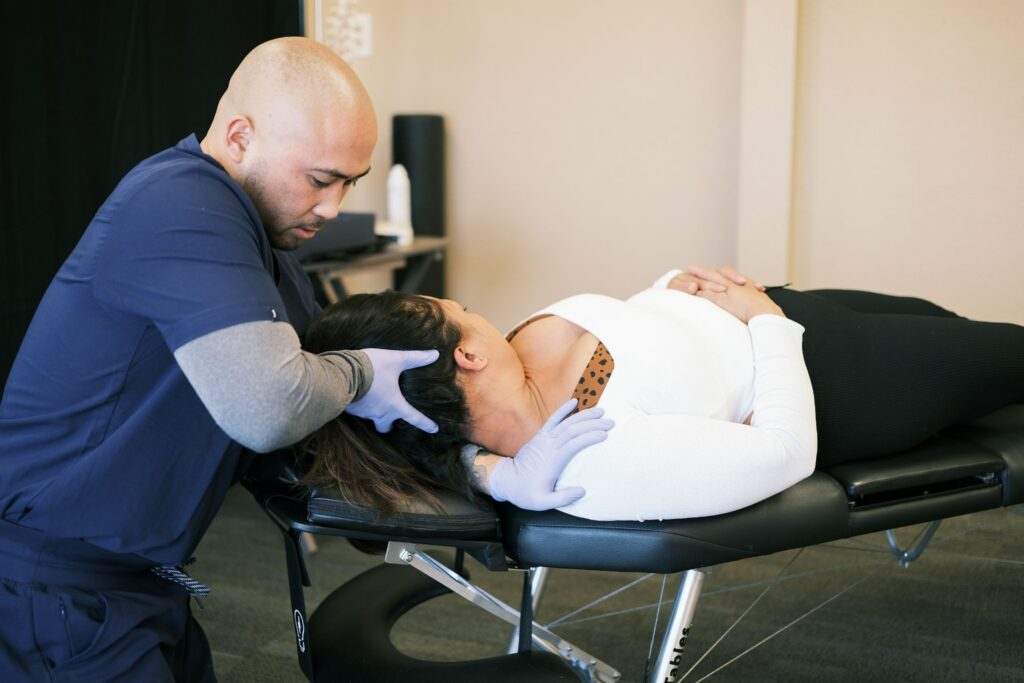
When you visit a chiropractor, they'll conduct a thorough examination, including your medical history and physical assessments. This helps them identify any misalignments or dysfunctions that may be affecting your body. Using their hands or specialized tools, they perform adjustments to realign the spine and restore peak function. These adjustments can reduce pain, improve mobility, and enhance overall well-being.
Chiropractic care isn't just about treating existing issues; it's also about prevention. By maintaining proper spinal alignment, you can help your body function at its best and potentially prevent future health problems. Many people experience increased energy levels and improved mental clarity after regular chiropractic visits.
You'll find that chiropractors often emphasize the importance of a holistic approach to health, encouraging lifestyle changes like proper nutrition, exercise, and stress management.
The Connection Between Spine Health and Disease
Your spine's alignment plays an essential role in how your body functions and communicates.
When your spine is misaligned, it can disrupt nerve signals, leading to various health issues.
Understanding this connection can help you appreciate the importance of maintaining spine health for disease prevention.
Spine Alignment and Function
Maintaining proper spine alignment is essential for overall health, as it directly influences various bodily functions and can help prevent disease. When your spine is aligned, it supports ideal movement and flexibility, allowing you to engage in daily activities without discomfort. Misalignment can lead to tension in muscles and joints, potentially resulting in chronic pain and reduced mobility.
A well-aligned spine also promotes better posture, which can reduce strain on your body and improve your respiratory function. This means you're likely to breathe more efficiently, helping your body receive the oxygen it needs for various processes.
Additionally, proper spine function supports your body's ability to absorb nutrients effectively, aiding in digestion and overall wellness. You mightn't realize it, but even minor misalignments can accumulate over time, leading to bigger issues.
Regular chiropractic adjustments can help maintain your spine's alignment, ensuring it functions ideally. By prioritizing spine health, you're not just alleviating discomfort; you're actively promoting your body's ability to prevent disease.
Nervous System Communication Importance
The connection between spine health and disease hinges on effective nervous system communication. Your spine houses the spinal cord, which serves as an essential pathway for transmitting nerve signals between your brain and body. When your spine is misaligned or restricted, these signals can become disrupted, leading to a cascade of health issues.
Every organ and system in your body relies on proper communication through the nervous system. If the signals are interrupted, it can result in pain, dysfunction, or even disease. For instance, stress on the spinal nerves can affect the immune system, making you more susceptible to illnesses.
By maintaining spine health through chiropractic care, you can enhance your nervous system's efficiency. Chiropractors focus on realigning your spine, which helps restore ideal nerve function. This proactive approach not only addresses existing issues but also aids in preventing future problems.
When your body communicates effectively, it can better respond to stressors, recover from injuries, and maintain overall wellness. Consequently, prioritizing your spine health is essential for keeping your nervous system functioning at its best and reducing the risk of disease.
Preventive Benefits of Regular Adjustments
Regular chiropractic adjustments offer numerous preventive benefits that can enhance your overall well-being. When you receive consistent adjustments, you're not just addressing immediate discomfort; you're proactively working to maintain your body's ideal function. These adjustments help correct misalignments in your spine, which can improve nerve function and communication throughout your body. As a result, your immune system may become more efficient, reducing your likelihood of illness.
Additionally, regular adjustments can lead to better posture and spinal alignment. This improvement can greatly decrease your risk of developing chronic pain conditions, such as arthritis or degenerative disc disease. By keeping your body in alignment, you support proper biomechanics, allowing you to move more freely and engage in physical activities that promote health.
You might also notice an increase in your energy levels after receiving adjustments. This boost can encourage you to maintain a more active lifestyle, which is essential for preventing various health issues.
Furthermore, chiropractic care can help reduce stress and tension, which is vital for overall well-being. Lower stress levels can lead to better sleep quality, further enhancing your body's ability to heal and maintain balance.
Lifestyle Counseling for Health Maintenance
As you focus on maintaining your health, lifestyle counseling can play an essential role.
Your chiropractor can provide nutritional guidance and exercise recommendations tailored to your needs.
Nutritional Guidance for Wellness
In today's fast-paced world, maintaining ideal health often hinges on the nutritional choices you make. Chiropractors understand that what you eat can greatly impact your overall wellness and disease prevention. They often provide nutritional guidance tailored to your specific needs, helping you make informed choices that support your health goals.
A balanced diet rich in whole foods—like fruits, vegetables, lean proteins, and healthy fats—can boost your immune system and reduce inflammation. Your chiropractor might encourage you to minimize processed foods, sugars, and unhealthy fats, which can contribute to various health issues.
Incorporating proper hydration is another key aspect of nutritional guidance. Drinking enough water can enhance your body's ability to function effectively, aiding digestion and helping maintain energy levels.
Your chiropractor may also discuss the importance of vitamins and minerals, suggesting ways to guarantee you're getting adequate nutrients through your diet or supplements if necessary.
Exercise Recommendations for Longevity
Engaging in regular exercise is one of the most effective ways to promote longevity and overall health. As you prioritize physical activity, focus on finding a balance between aerobic, strength, flexibility, and balance exercises.
Aim for at least 150 minutes of moderate-intensity aerobic activity each week, such as brisk walking or cycling. If you prefer high-intensity workouts, 75 minutes is sufficient.
Incorporating strength training at least twice a week can enhance muscle mass and bone density, which are essential as you age.
Don't forget to include flexibility exercises, like yoga or stretching, to maintain your range of motion and prevent injuries.
Balance training is equally important, particularly for older adults, to reduce the risk of falls.
Exercise Recommendations for Disease Prevention
Regular exercise plays an essential role in disease prevention by strengthening your immune system and reducing the risk of chronic illnesses. To reap these benefits, aim for at least 150 minutes of moderate-intensity aerobic activity each week. This could include brisk walking, cycling, or swimming. If you prefer more vigorous activities, 75 minutes of high-intensity exercise, like running or aerobics, can also be effective.
In addition to aerobic workouts, incorporating strength training into your routine is vital. Aim for at least two days a week of muscle-strengthening activities, focusing on all major muscle groups. This can include weightlifting, resistance band exercises, or bodyweight workouts like push-ups and squats. Building muscle not only helps with weight management but also boosts your metabolism and supports overall health.
Don't forget about flexibility and balance exercises, especially as you age. Incorporating yoga or tai chi can enhance your flexibility, improve balance, and reduce the risk of falls, which is particularly important for older adults.
Listen to your body and find activities you enjoy. Consistency is key, so choose exercises that fit into your lifestyle and keep you motivated. Whether it's joining a local sports team, taking dance classes, or hiking with friends, staying active can considerably lower your risk of diseases like heart disease, diabetes, and certain cancers.
Empowering Patients for Better Health
Empowering patients to take charge of their health can greatly enhance the benefits of regular exercise and disease prevention strategies. When you understand your body and its needs, you're better equipped to make informed choices that lead to improved well-being. Chiropractors play an essential role here by providing education and resources tailored specifically for you.
Your journey toward better health starts with knowledge. Chiropractors often explain the mechanics of your body, helping you recognize how spinal alignment affects your overall health. This understanding can motivate you to engage more actively in your care and embrace preventive measures.
In addition to adjustments, chiropractors encourage you to adopt healthy lifestyle habits. They might suggest specific exercises to strengthen your core, improve posture, or enhance flexibility. Integrating these exercises into your routine can bolster the effectiveness of your disease prevention strategies.
Moreover, chiropractors can help you set realistic health goals. By collaborating with them, you can develop personalized plans that fit your lifestyle and address your unique health concerns. This partnership not only boosts your accountability but also fosters a sense of ownership over your health.
Ultimately, when you actively participate in your wellness journey, you're more likely to stick with your exercise regimen and other preventive measures. Empower yourself with the right knowledge and support, and you'll find that taking charge of your health leads to a more vibrant, disease-free life.
Conclusion
To sum up, chiropractors play an essential role in disease prevention by focusing on spinal health and overall wellness. Through regular adjustments, they help keep your nervous system functioning at its best and reduce the risk of chronic pain. By offering lifestyle counseling and exercise recommendations, they empower you to make healthier choices. Embracing chiropractic care can lead to a proactive approach to your health, ensuring you maintain balance and energy throughout your life. Prioritize your well-being today!