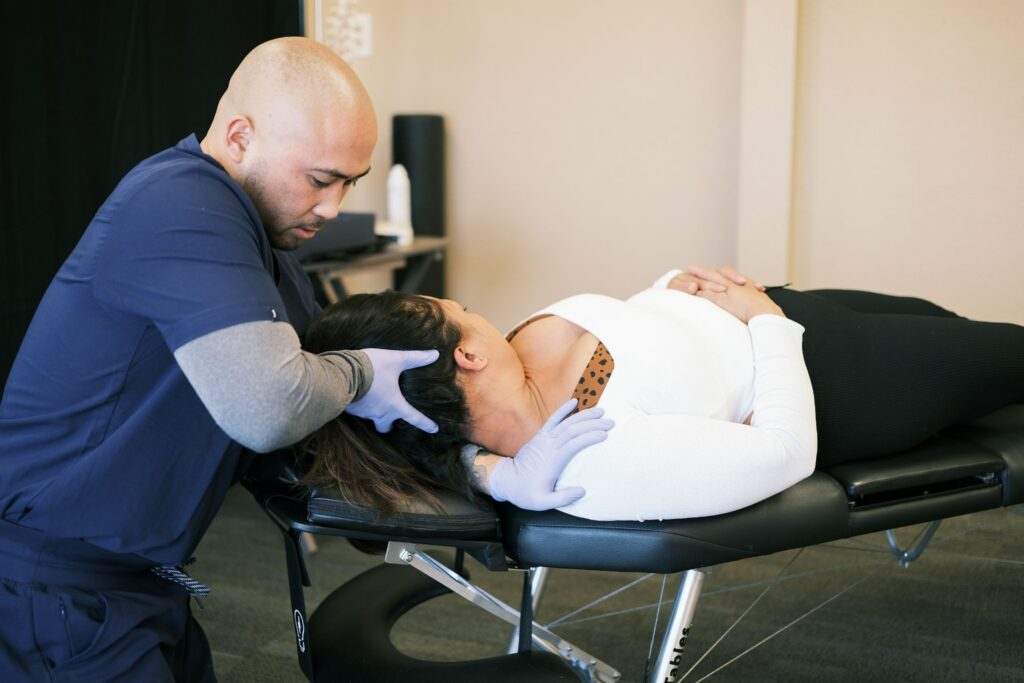

You've probably felt the weight of stress on your shoulders at some point, and finding effective ways to unwind is essential. Techniques like deep breathing and mindfulness meditation can help you regain your calm, while engaging with nature or practicing yoga might ease muscle tension. Have you considered how aromatherapy or herbal teas could enhance your relaxation routine? There are various methods worth exploring, each with unique benefits that could transform your approach to stress relief. Let's explore some of these natural techniques and see what resonates with you.
Deep Breathing Exercises
When stress starts to creep in, deep breathing exercises can help you calm down and regain focus. These simple techniques allow you to shift your attention away from overwhelming thoughts and bring your awareness back to the present moment.
To get started, find a comfortable position—either sitting or lying down. Close your eyes if it feels comfortable, and take a moment to relax your body.
Begin by inhaling deeply through your nose, filling your lungs completely. As you breathe in, count to four slowly, allowing your chest and belly to rise. Hold that breath for a moment, feeling the fullness of your inhalation.
Then, exhale slowly through your mouth, counting to six or eight, letting go of any tension. Feel your body soften with each breath out.
Repeat this cycle for several minutes. If your mind wanders, gently guide your focus back to your breath. You might notice a sense of lightness as you release stress with each exhalation.
Deep breathing not only helps lower your heart rate but also encourages your body to enter a state of relaxation.
Practice these techniques daily, or whenever you feel anxious. You'll find that incorporating deep breathing exercises into your routine can greatly improve your ability to manage stress.
With each session, you'll become more attuned to your body's signals, allowing you to respond to stress more effectively. So, take a deep breath and give it a try—you deserve a moment of peace.
Mindfulness Meditation
Mindfulness meditation brings your awareness to the present moment, helping you let go of distractions and cultivate a sense of calm. This practice encourages you to observe your thoughts, feelings, and sensations without judgment, creating a space for relaxation. You don't need any special equipment or a dedicated space; just find a comfortable spot where you can sit or lie down.
To start, close your eyes and focus on your breath. Inhale deeply through your nose, feeling your chest and abdomen expand, then exhale slowly through your mouth. Notice the rise and fall of your breath as it becomes your anchor to the present. If your mind starts to wander, gently guide your attention back to your breath without criticizing yourself. This process of redirecting your focus is a core element of mindfulness meditation.
As you practice regularly, you'll likely notice a reduction in stress and anxiety. You might also find it easier to manage your emotions and respond thoughtfully to challenging situations. Aim for just five to ten minutes each day, gradually increasing the duration as you become more comfortable with the practice.
Mindfulness meditation can also enhance your overall well-being, fostering a greater appreciation for everyday moments. By integrating this technique into your routine, you create a valuable tool for stress relief that empowers you to navigate life with a clearer, more focused mind.
Aromatherapy Benefits
Aromatherapy can be a powerful tool for calming your mind and easing stress.
By using essential oils like lavender or chamomile, you can create a soothing environment that promotes relaxation.
We'll also explore effective inhalation techniques to maximize the benefits of these fragrant oils.
Essential Oils for Calm
Essential oils offer a natural way to promote calm and reduce stress, making them an excellent addition to your relaxation routine.
When you incorporate these aromatic extracts into your life, you can create a soothing atmosphere that aids in mental clarity and emotional balance. The right essential oils can have profound effects on your mood, helping you feel more centered and relaxed.
Consider these calming essential oils:
- Lavender: Known for its ability to reduce anxiety and promote restful sleep, lavender can help you unwind after a long day.
- Bergamot: This citrusy oil uplifts your spirits while easing tension, making it perfect for those moments when stress feels overwhelming.
- Chamomile: Not just for tea, chamomile oil is renowned for its calming properties, helping to soothe your mind and body.
Inhalation Techniques Explained
How can you effectively harness the power of aromatherapy through inhalation techniques? Inhalation is one of the simplest and most effective ways to reap the benefits of essential oils. When you inhale these fragrant compounds, they directly influence your brain's limbic system, which regulates emotions and stress responses.
To start, choose your favorite essential oil, like lavender for relaxation or citrus for an energizing boost. Simply add a few drops to a diffuser, or place a cotton ball with the oil near your workspace. Breathing in the aroma can instantly lift your mood and reduce anxiety.
Another technique involves steam inhalation. Boil water, add a few drops of essential oil, and lean over the bowl with a towel draped over your head. This method not only helps you inhale the oils but also opens up your airways, promoting deep breathing.
You can also create a personal inhaler by adding several drops of essential oil to a small inhaler stick. Carry it with you and take a few deep breaths whenever stress arises.
With these techniques, you're well on your way to embracing the soothing effects of aromatherapy.
Nature Walks
Stepping into nature can work wonders for your mental well-being. When you take a break from your daily grind and immerse yourself in the great outdoors, you allow your mind to unwind and rejuvenate. Nature walks provide a simple yet effective way to alleviate stress, helping you connect with your surroundings and find a sense of peace.
As you stroll through the trees, you might notice:
- The gentle rustling of leaves, creating a calming melody.
- The vibrant colors of flowers, stirring feelings of joy and tranquility.
- The fresh scent of earth and pine, grounding you in the present moment.
Walking in nature encourages mindfulness—each step becomes a moment of reflection. You'll likely find that your thoughts become clearer as you focus on the sights and sounds around you. This practice not only distracts you from stressors but also helps you cultivate gratitude for the beauty in the world.
Moreover, the physical activity of walking increases endorphins, boosting your mood and energy levels. Whether you're hiking a challenging trail or strolling through a local park, the benefits of being in nature are undeniable.
Yoga and Stretching
Yoga and stretching can be powerful tools for relaxation and stress relief.
They not only improve flexibility but also promote a sense of calm and well-being.
Benefits of Yoga
Practicing yoga and stretching regularly can considerably enhance your overall well-being. Not only does it improve your flexibility and strength, but it also helps to clear your mind and reduce stress.
When you engage in yoga, you tune into your body and breath, creating a mindful space where you can let go of daily worries. This mindfulness fosters a sense of calm that can carry through your day.
Here are some emotional benefits you might experience:
- Increased inner peace: You'll find a quiet refuge in your mind, making it easier to navigate life's challenges.
- Enhanced self-acceptance: Yoga encourages you to embrace your body as it is, fostering a deeper connection with yourself.
- Strengthened resilience: You'll build mental and emotional fortitude, allowing you to bounce back from setbacks with grace.
Stretching Techniques for Relaxation
Stretching techniques play an essential role in promoting relaxation and reducing stress. When you incorporate stretching into your routine, you release tension stored in your muscles, helping your body and mind unwind. Simple stretches, like the neck roll or shoulder shrug, can be done quickly during a busy day to alleviate stress.
Yoga is a fantastic way to blend stretching with mindfulness. Poses like Child's Pose and Cat-Cow not only stretch your muscles but also encourage deep breathing. This combination signals your body to relax, lowering cortisol levels and calming your mind.
You don't need to be an expert to benefit from these techniques. Even a few minutes of gentle stretching can make a significant difference. Try dedicating time each day to focus on your breath and body.
Consider incorporating a stretching routine before bed, as it can enhance your sleep quality. As you stretch, visualize letting go of your worries.
This practice not only helps in relaxation but also serves as a powerful tool for stress relief, enabling you to face daily challenges with a clearer mind. So grab a mat, take a deep breath, and start stretching your way to tranquility.
Herbal Teas
When you're seeking a soothing way to unwind, herbal teas can be a delightful choice. These warm, fragrant brews not only taste great but also offer various calming benefits. Choosing the right herbal tea can transform your relaxation routine, helping you to escape the pressures of daily life.
Consider the following options when selecting your perfect cup:
- Chamomile: This classic tea is renowned for its calming properties, making it a go-to for easing anxiety and promoting sleep.
- Lavender: Known for its soothing scent, lavender tea can help reduce stress and create a serene atmosphere to unwind in.
- Peppermint: If you're feeling tense, a cup of peppermint tea can invigorate your senses while providing a rejuvenating sense of calm.
Brewing a cup of herbal tea is a simple act that can anchor you in the present moment. As the steam rises and the aroma fills the air, take a few deep breaths. Allow yourself to be enveloped in that fragrant embrace.
The ritual of preparing and sipping tea encourages mindfulness, helping you to let go of lingering worries. Next time stress creeps in, consider reaching for herbal tea instead of that extra cup of coffee or sugary soda.
Not only will you hydrate, but you'll also embrace a moment of peace that can carry you through the day. So go ahead, indulge in that warm cup, and let your worries steep away.
Progressive Muscle Relaxation
Many people find that Progressive Muscle Relaxation (PMR) is an effective method for reducing stress and tension in the body. This technique involves systematically tensing and then relaxing different muscle groups, helping you become more aware of physical sensations and release built-up tension.
To practice PMR, you can start by finding a quiet and comfortable space where you won't be disturbed.
Begin with your feet. Tense the muscles in your feet for about five seconds, then release the tension and notice the difference in sensation. Move up to your calves, thighs, and so on, working your way through each muscle group in your body, including your abdomen, chest, arms, and face. As you tense each group, focus on the feeling of tightness, and when you release, let go of any stress you're holding onto.
To enhance the experience, you can combine PMR with deep breathing. Inhale deeply as you tense the muscles, and exhale as you relax them. This combination can help further deepen your state of relaxation. Aim to practice PMR for about 15 to 20 minutes, ideally once a day or whenever you feel overwhelmed.
With regular practice, PMR can help you reduce anxiety, improve sleep quality, and enhance your overall sense of well-being. By incorporating this simple yet powerful technique into your routine, you'll likely find it easier to manage stress and enjoy a more relaxed state of mind.
Journaling for Clarity
Journaling can be a powerful tool for gaining clarity and reducing stress. When you put pen to paper, you create a space where your thoughts can flow freely. It's like having a conversation with yourself, allowing you to sort through feelings and ideas that might feel intimidating in your mind.
Whether you're dealing with daily anxieties or major life decisions, journaling can help you untangle those emotions.
By writing regularly, you can discover insights that may have eluded you in the chaos of daily life. You might find that you're better able to articulate your feelings or recognize patterns in your behavior.
It's a safe haven for your thoughts, where you can explore your fears, hopes, and dreams without judgment.
Here are some emotional benefits you might experience:
- Relief from overwhelming thoughts: When you express your worries on paper, they often seem less intimidating.
- Increased self-awareness: You'll start to see your triggers and motivations more clearly, empowering you to take control.
- A sense of accomplishment: Completing a journaling session can provide a satisfying sense of achievement.
Visualization Techniques
Visualization techniques can help you tap into the power of your imagination to foster relaxation and alleviate stress. By creating vivid mental images, you can transport yourself to calming environments or situations that bring you peace.
Start by finding a quiet space where you won't be disturbed, then close your eyes and take a few deep breaths to center yourself.
Once you're relaxed, picture a place where you feel completely at ease. It could be a serene beach, a tranquil forest, or even a cozy room filled with soft light. Engage all your senses—imagine the sound of waves crashing, the scent of pine trees, or the warmth of sunlight on your skin. The more detailed your visualization, the more effective it will be.
You can also use guided imagery techniques, where you listen to recordings that lead you through peaceful scenarios. This not only helps ease your mind but also enhances your ability to visualize independently over time.
Another effective approach is to visualize your stressors melting away. Picture them as physical objects, and imagine removing them from your life. This can create a sense of control and empowerment, helping you feel lighter and more focused.
Incorporate visualization into your daily routine, whether it's during meditation, before bedtime, or whenever you need a mental break. With practice, these techniques can become powerful tools for managing stress and cultivating tranquility in your life.
Conclusion
Incorporating these natural techniques into your routine can greatly enhance your relaxation and stress relief. Whether you choose deep breathing exercises, mindfulness meditation, or a soothing cup of herbal tea, each method offers unique benefits. Don't underestimate the power of nature walks or yoga to release tension. As you explore journaling and aromatherapy, you'll discover what resonates best with you. Embrace these practices to cultivate a calmer, more balanced life. You deserve it!