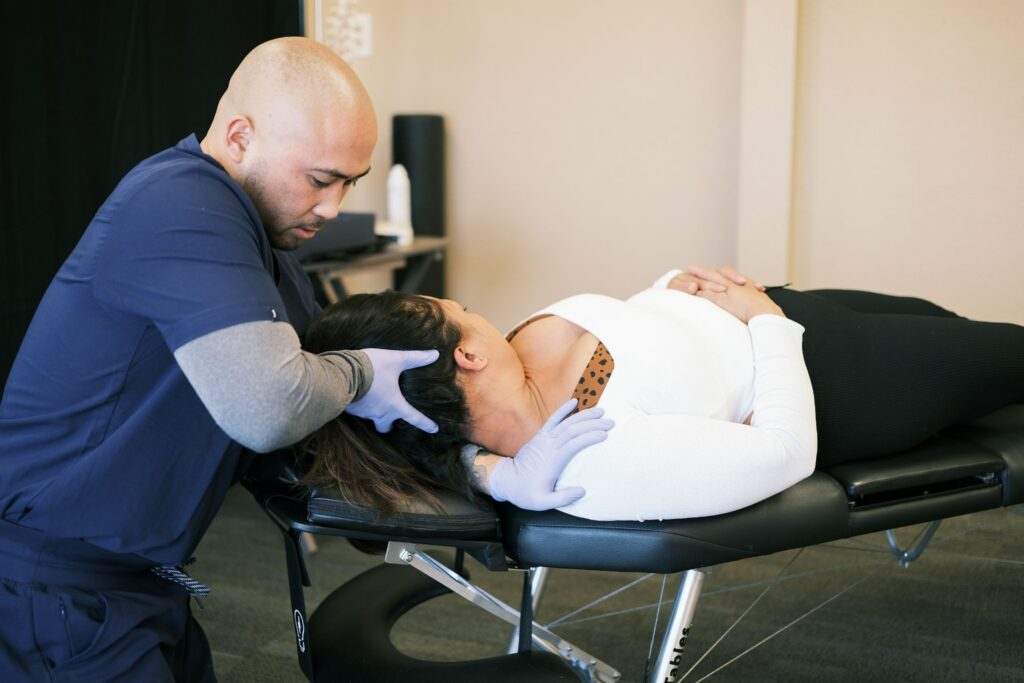

As a local chiropractor, I want to emphasize how significantly posture influences your recovery from back pain. Proper spinal alignment and muscle balance are crucial components of effective treatment. When you practice good posture, you alleviate unnecessary strain on your spine and the surrounding muscles, which can facilitate healing and reduce discomfort.
Unfortunately, many individuals are unaware of common posture mistakes that could be worsening their pain. By recognizing these issues, you can take essential steps toward improving your posture and, in turn, support your back’s health more effectively.
So, what specific changes can you make? Simple adjustments in how you sit, stand, and move can make a world of difference. I encourage you to be mindful of your posture throughout your daily activities. If you’re unsure where to start, I’m here to help guide you on your journey to better spinal health and overall well-being.
The Connection Between Posture and Back Pain
As a local chiropractor, I want to emphasize just how critical your posture is for your overall back health. Many people may not realize that when you sit or stand with poor posture, you’re inadvertently placing undue stress on your spine and the surrounding muscles. This tension can lead to discomfort, stiffness, and, over time, even chronic pain.
If you notice yourself slouching or leaning forward frequently, you could be unknowingly exacerbating your back problems. Conversely, maintaining good posture is essential for supporting your spine’s natural alignment. This practice not only reduces strain on your muscles and ligaments but also promotes better blood circulation, allowing your body to function more efficiently.
By consciously working on sitting and standing tall, you can relieve discomfort and significantly enhance your back health. Simple changes, such as investing in an ergonomic chair or incorporating mindful stretching into your daily routine, can have a profound impact on how you feel each day.
How Poor Posture Affects Spinal Alignment
As a local chiropractor, I often see the significant impact that poor posture can have on spinal alignment.
When you slouch or hunch over, it not only alters the natural curvature of your spine but can also lead to discomfort and pain.
Over time, these postural habits can create muscle imbalances that complicate the issue even further.
It’s important to recognize how these changes affect your overall spinal health.
By understanding these effects, you can take proactive steps to improve your posture and, in turn, support your spine’s natural alignment.
Together, we can work toward better spinal health and overall well-being through natural healing methods.
Spinal Curvature Changes
As a local chiropractor, I want to take a moment to discuss the importance of maintaining proper spinal alignment and how poor posture can lead to significant changes in the curvature of your spine.
When you slouch or hunch over, your spine can become misaligned, which often results in discomfort and pain. Your body naturally tries to compensate for this unnatural position, which can lead to increased stiffness, particularly in the lower back.
Over time, poor posture can force your spine into exaggerated curves that may contribute to conditions such as kyphosis or lordosis. These changes not only affect your back but can also impact your overall health and mobility.
It’s crucial to be aware of how your posture affects your spine. By making a conscious effort to maintain proper posture, you can help preserve your spine’s natural alignment and reduce the risk of discomfort.
Simple adjustments, such as sitting up straight and using ergonomic furniture, can significantly improve how your spine feels. As a chiropractor, I encourage you to consider these changes to support your spinal health and overall well-being.
Muscle Imbalance Development
As a local chiropractor, I want to help you understand the importance of maintaining proper spinal alignment for your overall health.
It’s not just about the structure of your spine; it’s also about how the surrounding muscles function. When you slouch or have poor posture, certain muscle groups can become overactive, while others weaken, leading to muscle imbalances.
For example, if your hip flexors are tight and your glutes are weak, this can pull your pelvis out of alignment and cause discomfort. These imbalances can alter the natural curvature of your spine and may even lead to chronic pain over time.
Addressing these muscle imbalances is a crucial part of effective back pain treatment. By focusing on strengthening weak muscles and stretching those that are tight, you can promote better alignment and reduce strain on your spine.
I encourage you to pay attention to your posture throughout the day, as it plays a vital role in how your muscles support your back.
The Role of Muscle Imbalances in Back Pain
As a local chiropractor, I want to help you understand how muscle imbalances can significantly contribute to back pain. Many people are unaware that when certain muscles in the body are either stronger or tighter than their opposing muscles, it can lead to improper alignment and increased strain on your spine. This misalignment can place extra pressure on your vertebrae and the surrounding muscles, resulting in discomfort and pain.
For instance, if your hip flexors are overly tight while your glutes are weak, this may cause your pelvis to tilt forward. This tilt can put extra strain on your lower back.
Additionally, if your core muscles are weak, they may not provide the necessary support for your spine, which can further intensify your pain.
The good news is that by addressing these muscle imbalances through targeted exercises, we can work together to restore proper alignment and alleviate discomfort. Strengthening your weak muscles and stretching those that are tight can help create a more balanced body.
This balance won’t only reduce the strain on your back but also improve your overall posture, promoting a healthier spine and a more pain-free life.
I invite you to explore the benefits of chiropractic care and natural healing with me, as we develop a personalized plan to help you feel your best.
Common Posture Mistakes That Contribute to Discomfort
As a local chiropractor, I want to emphasize just how crucial your posture is for your overall comfort and well-being. Many people underestimate the impact that slouching while sitting, standing with improper alignment, and using poor sleeping positions can have on their bodies. These common mistakes can lead to significant discomfort and affect your daily life.
Let’s take a closer look at these issues. Slouching while sitting can put undue pressure on your spine, leading to pain and tension in your back. It’s important to sit upright with your shoulders back and your feet flat on the ground.
When standing, strive for proper alignment by keeping your head over your shoulders and your hips aligned with your knees and ankles. This simple adjustment can help alleviate unnecessary strain on your back.
Finally, your sleeping position plays a vital role in your spinal health. If you find yourself waking up with discomfort, consider evaluating your mattress and pillow choices, and try to sleep in a position that supports your spine’s natural curvature.
By being mindful of these common posture mistakes and making small adjustments, you can greatly improve your back health and overall comfort.
If you’re experiencing persistent discomfort, I encourage you to seek guidance from a chiropractic professional who can provide personalized care and support.
Slouching While Sitting
As a chiropractor, I often see patients who are unaware of the impact that slouching while sitting can have on their overall health. While it might seem comfortable to sink into your chair, this poor posture can lead to significant back pain over time. Slouching puts undue strain on your spine and surrounding muscles, which can result in persistent discomfort that affects your daily activities.
When you lean forward or allow your shoulders to droop, you’re effectively increasing pressure on your lower back, leading to potential issues that can escalate if not addressed. It might be easy to overlook, but maintaining an upright position is crucial for the health of your spine.
To help combat this, I recommend adjusting your chair to better support your lower back and ensuring that your feet are flat on the floor. It’s important to make a conscious effort to sit up straight and engage your core muscles.
Incorrect Standing Alignment
As a local chiropractor, I want to highlight an often overlooked aspect of your health: standing alignment. Many people don’t realize how crucial it’s for their comfort and overall well-being. When you stand with your weight unevenly distributed—favoring one leg over the other—it can lead to unnecessary strain on your back and joints.
Additionally, locking your knees or arching your back might seem harmless, but these habits can contribute to discomfort and fatigue over time. Even minor tilts of your pelvis, whether forward or backward, can create tension in your spine that you may not even be aware of.
To enhance your posture and alignment, I recommend standing with your feet shoulder-width apart, ensuring that your weight is evenly distributed across both legs, and engaging your core muscles. It’s important to remember that good posture isn’t just something to think about when sitting; it’s equally vital when you’re on your feet.
By making these small adjustments to your standing habits, you can significantly reduce discomfort and promote better spinal health throughout your day.
If you have any questions or need personalized advice, feel free to reach out—I’m here to help you on your journey to natural healing and wellness!
Poor Sleeping Positions
As a local chiropractor, I often see patients who are unaware of how their sleeping positions can significantly affect their back health. Many individuals have a habit of sleeping on their stomachs, which can cause their neck and spine to twist uncomfortably, leading to pain and discomfort.
I encourage you to consider sleeping on your side instead. Placing a pillow between your knees can help maintain proper spinal alignment and reduce strain.
If you find comfort in sleeping on your back, it’s beneficial to use a supportive pillow under your knees. This simple adjustment can alleviate pressure on your lower back and promote a more restful night’s sleep.
The type of mattress you choose also plays a crucial role in your spinal health. It should provide adequate support without sagging, allowing your body to rest in a neutral position.
I also advise against sleeping in the fetal position, as this can restrict your breathing and create unnecessary tension in your body.
The Importance of Ergonomics in Daily Activities
As a local chiropractor, I want to emphasize the significant role ergonomics plays in your everyday activities, particularly in preventing discomfort and injuries. By making simple adjustments to your workspace and daily routine, you can greatly reduce the strain on your body and promote better overall health.
For example, it’s crucial to ensure that your chair height and desk setup are properly aligned. This means positioning yourself so that your elbows remain at a 90-degree angle when typing. This small change can alleviate unnecessary tension in your neck and shoulders.
When it comes to lifting objects, always remember to bend at your knees and keep the load close to your body. This technique helps protect your back from strain, which is especially important for those of you who may already be experiencing discomfort.
Don’t overlook the importance of taking regular breaks! Stretching and moving around are vital for maintaining good blood circulation and combating fatigue.
I encourage you to pay close attention to your posture throughout your daily tasks—whether sitting, standing, or moving. Even minor adjustments can lead to significant long-term benefits for your spinal health.
By prioritizing ergonomics in your daily life, you not only enhance your comfort but also improve your productivity and overall well-being.
Techniques for Improving Posture
As a local chiropractor, I want to emphasize the importance of good posture for your overall health.
One of the first steps to improving your posture is to create an ergonomic workstation that aligns with your body’s natural posture. This means adjusting your chair, desk, and computer setup to support your spine properly.
In addition to this, incorporating specific stretching and strengthening exercises into your daily routine can greatly enhance your posture and alleviate any back pain you may be experiencing.
It’s essential to engage in activities that promote flexibility and strengthen the muscles that support your spine.
Let’s delve into these techniques together, so you can learn how to stand tall, feel more comfortable, and reduce any discomfort you may have.
Ergonomic Workstation Setup
As a chiropractor, I want to emphasize the importance of setting up your workstation in a way that promotes good posture and helps prevent back pain.
It’s crucial to start with your chair. Make sure it’s adjusted so that your feet can rest flat on the floor and your knees are at a comfortable 90-degree angle. Supporting your back is vital, so consider using a lumbar roll to enhance that support.
Next, let’s talk about your monitor. Position it at eye level and about an arm’s length away. This will help you avoid unnecessary neck strain.
Your keyboard and mouse should be close enough so that you don’t have to reach for them, keeping your elbows at that same 90-degree angle.
If you’re working with a laptop, I recommend using a stand to elevate the screen to eye level, which can significantly reduce strain on your neck and back.
Lastly, an organized workspace is essential. Reducing clutter and keeping everything within easy reach not only enhances comfort but can also improve your focus and productivity.
Stretching and Strengthening Exercises
As your local chiropractor, I’m here to guide you on how to enhance your posture and alleviate back pain through simple adjustments to your daily routine.
Once you’ve set up your ergonomic workstation, it’s crucial to incorporate stretching and strengthening exercises. These practices not only promote better alignment but also help relieve tension in your body.
Start with basic stretches such as neck rolls and shoulder shrugs to ease any tightness you may feel.
Consider exploring yoga or Pilates, as these disciplines are excellent for improving flexibility and building core strength—both of which are vital for maintaining a healthy posture.
To further support your spine, focus on strengthening your back, abdominal, and hip muscles. Exercises like planks and bridges are particularly effective.
I recommend integrating both stretching and strengthening exercises into your weekly routine at least three times.
As you practice these movements, pay attention to your breathing and ensure you maintain proper form to get the most benefit from each exercise.
By dedicating time to these activities, you’ll not only enhance your posture but also reduce discomfort and improve your overall well-being.
Exercises to Strengthen Core Muscles and Support Posture
As a local chiropractor, I want to emphasize the importance of strengthening your core muscles for better posture and relief from back pain. A robust core acts as a stabilizer for your spine, helping you maintain proper alignment during everyday activities.
To get started, I recommend incorporating planks into your routine. Aim to hold a plank position for 20-30 seconds and gradually increase that time as you build strength.
Another effective exercise is the bridge; lie on your back with your knees bent and lift your hips towards the ceiling. This movement specifically targets your lower back and glutes, which are critical for spinal support.
Another excellent exercise is the bird-dog. Begin in a tabletop position and extend one arm forward while extending the opposite leg backward, ensuring that your back remains straight. This not only strengthens your core but also enhances your balance and coordination, which are vital for overall body mechanics.
Don’t overlook side planks and pelvic tilts, as they can further engage your core muscles and promote stability.
I recommend aiming for two to three sets of each exercise several times a week. By focusing on strengthening your core, you’ll not only improve your posture but also reduce strain on your back, leading to an overall enhancement in your well-being.
The Impact of Posture on Recovery Time
As a local chiropractor, I want to emphasize the critical role that good posture plays in your recovery time. Proper alignment is vital for how your body heals and functions. When you hold your body in the right position, you minimize unnecessary strain on your muscles and ligaments, which allows them to recover more effectively.
Conversely, poor posture can create tension and discomfort, prolonging your healing process and increasing your risk of re-injury.
By paying attention to your posture, you can significantly enhance blood circulation and oxygen flow to your muscles, both of which are essential for recovery. Good posture also provides support for your spine, relieving pressure on your discs and nerves. This can lead to decreased pain levels, making it easier for you to engage in rehabilitation exercises and ultimately aiding in your overall recovery.
In summary, prioritizing your posture isn’t just about looking good; it can significantly speed up your recovery time and improve your comfort during the healing process.
I encourage you to be mindful of how you sit and stand; small adjustments can lead to big improvements in your health and well-being. If you have questions about posture and recovery, don’t hesitate to reach out—I’m here to help guide you on your path to natural healing.
Long-term Benefits of Maintaining Proper Posture
As a local chiropractor, I often see patients who are seeking immediate relief from back pain. While it’s understandable to focus on short-term comfort, I want to emphasize the long-term benefits of maintaining proper posture. Good posture isn’t just about alleviating strain on your spine; it plays a crucial role in enhancing your overall health and well-being.
When you keep your body properly aligned, you reduce muscle fatigue and lower your risk of injuries. This alignment promotes better circulation, which can lead to increased energy levels and improved focus throughout your day. Imagine how much more productive and vibrant you could feel!
Additionally, being mindful of your posture can help strengthen your core muscles, which provide essential support for your back over time. Many of my patients find that their daily activities become easier and more enjoyable when they’re not constantly battling discomfort.
Moreover, proper posture can have a positive impact on your confidence and presence, enhancing your interactions and relationships. It’s not just about physical health; it’s about how you feel and carry yourself in the world.
Investing in your posture today can lead to a healthier, more active lifestyle tomorrow. I encourage you to make a conscious effort to stand tall and sit straight. Your back—and your overall health—will thank you in the long run.
If you have questions or need guidance on how to improve your posture, don’t hesitate to reach out. Together, we can work towards a healthier future!
Integrating Posture Awareness Into Treatment Plans
As a local chiropractor, I want to emphasize how integrating posture awareness into your treatment plan can significantly improve your overall well-being and recovery. Many patients are unaware that the way we hold our bodies can directly influence our level of pain and discomfort, especially in the back.
During our sessions, I’ll work with you to identify any improper postures that could be contributing to your issues. You might be surprised to learn that simple adjustments in how you sit, stand, or lift can make a big difference.
Together, we’ll explore specific exercises and stretches designed to promote good alignment and strengthen your core muscles. This knowledge not only aids in your recovery but also empowers you to correct your posture during your everyday activities—whether you’re at your desk, doing chores, or lifting heavy items.
Additionally, it’s important to recognize that our emotional and mental states can impact our physical alignment. Techniques like mindfulness can be beneficial, helping you to stay aware of your posture in various situations throughout the day.
Conclusion
As your local chiropractor, I want to emphasize the crucial role that posture plays in the treatment of back pain. Maintaining proper alignment of your spine and balancing your muscles can significantly alleviate discomfort and expedite your healing process. By adopting ergonomic habits in your daily life and integrating core-strengthening exercises into your routine, you can enhance the benefits of your treatment.
It’s important to understand that being mindful of your posture not only helps to relieve pain but also fosters long-term health and well-being. I encourage you to take control of your posture today; it’s a vital step in your journey towards a healthier back. Let’s work together to support your natural healing process!