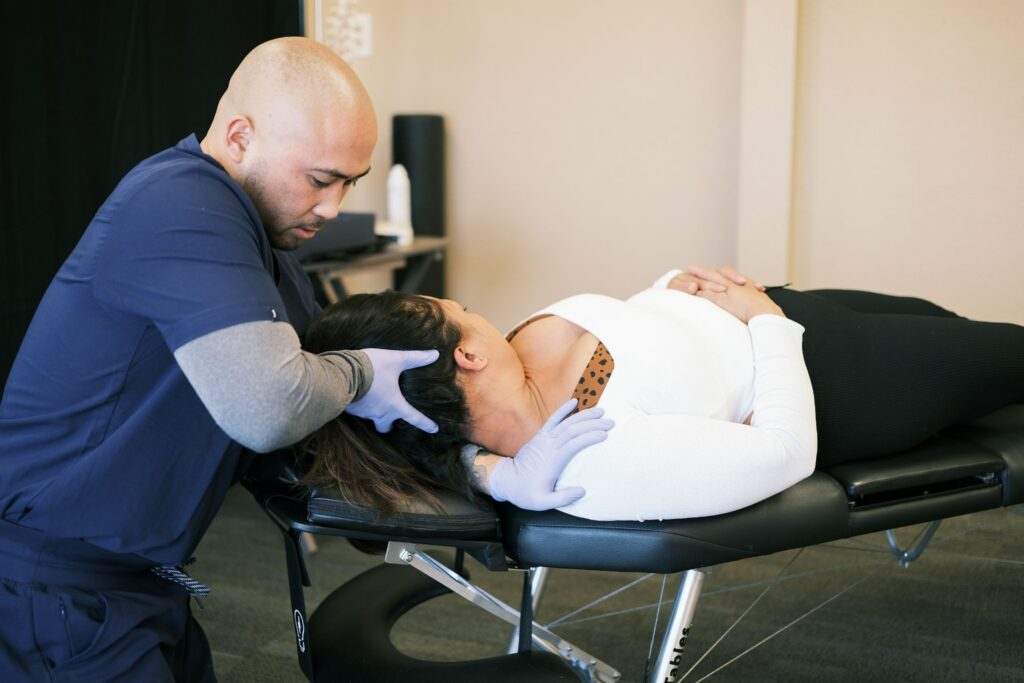

As a local chiropractor, I often see patients struggling with back pain, a common issue that can greatly affect your quality of life. However, I want to emphasize that there are proactive steps you can take to prevent this discomfort. By incorporating exercises that strengthen your core and improve your flexibility, you can provide your spine with the support it needs and enhance your overall well-being.
It’s essential to understand that certain movements can significantly impact your back health. If you’re curious about which exercises can help you avoid pain and maintain a healthy spine, allow me to share some effective strategies. By integrating these practices into your daily routine, you can keep your back in optimal condition and reduce the risk of injury. Let’s work together to ensure you stay pain-free and enjoy a more active lifestyle!
Understanding Back Pain and Its Causes
As your local chiropractor, I want to help you understand back pain and its underlying causes so that you can take proactive steps toward prevention and healing. Many of my patients are surprised to learn that back pain often arises from common issues such as poor posture, muscle strain, or injuries.
For instance, sitting for extended periods or lifting heavy objects without proper technique can place unnecessary stress on your spine. Over time, this can lead to inflammation or even degenerative conditions like arthritis.
It’s also important to consider how lifestyle choices impact your back health. Being overweight or leading a sedentary lifestyle can significantly contribute to back pain. When you don’t engage in regular physical activity, your muscles may weaken, making your back more susceptible to strain.
Furthermore, emotional stress can manifest as muscle tension, resulting in discomfort that you may not even realize is linked to your stress levels.
By recognizing these causes, you can make more informed decisions about your health. I encourage you to adjust your daily habits and pay attention to your body mechanics. Simple changes can help you greatly reduce your risk of experiencing back pain in the future.
The Importance of Core Strength
As a local chiropractor, I want to emphasize the significance of strong core muscles for your overall health and well-being.
A stable core is crucial for maintaining balance and providing support to your spine. When your core is strong, you’re less likely to suffer from back pain during everyday activities, which can greatly enhance your quality of life.
To help you strengthen this essential area, I’d like to introduce you to some effective core strength exercises.
Incorporating these exercises into your routine can’t only alleviate discomfort but also promote better alignment and posture.
Benefits of Core Stability
As a local chiropractor, I want to emphasize the importance of core stability for your overall health and well-being. Many people are unaware that strengthening your core goes beyond just working on your abdominal muscles; it plays a crucial role in supporting your spine and enhancing your posture.
When your core is stable, you improve your balance, making everyday activities much easier and significantly reducing your risk of injury. A strong core allows you to execute movements more efficiently, which is essential whether you’re engaging in exercise or simply navigating your daily routine.
Moreover, core stability helps distribute physical loads evenly throughout your body, alleviating unnecessary strain on your back. By dedicating time to improve your core strength, you can experience benefits such as enhanced athletic performance and increased endurance.
Ultimately, cultivating a strong core serves as a solid foundation for a healthy, pain-free life. As your chiropractor, I encourage you to prioritize core stability in your wellness journey, as it can lead to lasting improvements in your overall health.
Key Core Strength Exercises
As a chiropractor, I understand the vital role that core stability plays in maintaining overall health and wellness. Strengthening your core isn’t just about aesthetics; it’s about supporting your spine and enhancing your body’s functionality, which can lead to better posture, reduced pain, and improved athletic performance.
Here are some key exercises that I recommend for building core strength:
- Planks: This exercise involves holding your body in a straight line from your head to your heels. It engages multiple muscle groups and helps stabilize your spine.
- Bird-Dogs: While on all fours, extend one arm and the opposite leg simultaneously. This movement promotes balance and coordination while strengthening your core.
- Russian Twists: Sit with your knees bent and lean back slightly. Twist your torso to one side and then the other. This exercise enhances rotational strength and flexibility.
- Dead Bugs: Lie on your back, and with your arms extended towards the ceiling, alternate lowering your opposite arm and leg. This movement is excellent for improving core stability and coordination.
- Bridges: While lying on your back, lift your hips off the ground, squeezing your glutes. This exercise strengthens your lower back and engages your abdominal muscles.
Incorporating these exercises into your routine can significantly improve your core strength, which is essential for a healthy spine and overall well-being.
If you have any questions about these exercises or how they can benefit your chiropractic care, feel free to reach out!
Stretching for Back Health
As a local chiropractor, I want to emphasize the importance of stretching for your back health.
Many people are unaware that maintaining flexibility is crucial for preventing back pain and enhancing overall wellness. By incorporating specific stretching techniques into your daily routine, you can significantly improve the health of your spine.
Committing to regular stretching not only alleviates discomfort but also promotes long-term benefits, allowing you to enjoy a more active and pain-free life.
Importance of Flexibility
As your local chiropractor, I want to emphasize the vital role that flexibility plays in maintaining a healthy back and preventing pain. Regular stretching isn’t just about feeling good; it significantly improves your range of motion, which is essential for keeping your spine aligned and reducing tension in the muscles that support your back.
Here are some key benefits of flexibility for your back health:
- Enhances Posture: Proper alignment is crucial for overall spinal health, and flexibility promotes better posture.
- Reduces Muscle Stiffness: Stretching helps alleviate stiffness and tension in the muscles that can contribute to discomfort.
- Improves Blood Circulation: Enhanced flexibility encourages better blood flow to your spinal tissues, which is vital for healing and overall health.
- Aids in Injury Prevention: By increasing your flexibility, you can lower the risk of injuries during everyday activities, making it easier to move without strain.
- Boosts Mobility and Performance: A flexible body is a more mobile body, leading to improved physical performance in daily tasks and activities.
Incorporating flexibility exercises into your daily routine can truly be transformative. Not only can it help relieve existing discomfort, but it also acts as a protective measure against future back issues.
So, I encourage you to prioritize stretching in your self-care regimen. With consistent effort, you’ll likely notice a remarkable improvement in how your back feels.
Key Stretching Techniques
As a chiropractor dedicated to helping you achieve optimal back health, I want to share some effective key stretching techniques that can enhance your overall well-being. One of the first stretches I recommend is the cat-cow stretch. This simple movement warms up your spine and significantly improves flexibility, which is essential for maintaining a healthy back.
Next, consider incorporating the child’s pose into your routine. This gentle stretch not only targets your lower back but also helps to relieve built-up tension. It’s a great way to unwind and give your body the care it deserves.
Another beneficial stretch is the seated forward bend. This stretch is excellent for lengthening your spine while also calming your mind, which can be incredibly beneficial in our fast-paced lives.
Don’t overlook the figure-four stretch, which is particularly effective for targeting the hips and glutes. By alleviating tension in these areas, you can reduce stress on your back, promoting better alignment and comfort.
Lastly, I encourage you to perform the standing quadriceps stretch. This stretch is important for maintaining balance and preventing tightness in your muscles, which can lead to discomfort or pain if left unaddressed.
By regularly practicing these stretches, you can keep your back flexible and strong, ultimately reducing the risk of pain and enhancing your overall quality of life.
Routine Stretching Benefits
As a local chiropractor, I want to share with you the incredible benefits of incorporating regular stretching into your daily routine, especially for your back health. Many of my patients have found that embracing a stretching regimen not only boosts their flexibility but also helps to alleviate various discomforts.
Here are some key advantages you can expect when you make stretching a regular part of your life:
- Reduced Muscle Tension and Stiffness: Stretching helps to relax tight muscles, leading to a significant decrease in tension and stiffness that many of us experience daily.
- Improved Posture and Alignment: By regularly stretching, you can help correct postural imbalances that may contribute to discomfort, ultimately leading to better alignment of your spine.
- Increased Blood Circulation to the Spinal Area: Stretching promotes better blood flow, which is essential for nourishing the spinal structures and promoting healing.
- Enhanced Range of Motion in Joints: Regular stretching can improve your joint flexibility, making everyday movements easier and more comfortable.
- Lower Risk of Injury During Physical Activities: By keeping your muscles and joints flexible, you reduce the likelihood of strains and sprains, particularly during physical activities or exercises.
Incorporating these stretches into your day can make a significant difference in your overall well-being.
Strengthening Exercises for the Lower Back
As a local chiropractor, I want to emphasize the importance of strengthening your lower back for both pain prevention and overall stability. When your lower back muscles are strong, they provide essential support to your spine, contributing to improved posture and reducing the likelihood of discomfort.
One of my favorite exercises to recommend is the bird-dog. To perform this, get on your hands and knees. From this position, extend one arm forward while simultaneously extending the opposite leg back. Then, switch sides. This not only helps to strengthen your lower back but also enhances your balance and coordination, which are critical for daily activities.
Another excellent exercise is the bridge. For this, lie on your back with your knees bent and your feet flat on the floor. Gently lift your hips toward the ceiling, engaging your glutes and lower back muscles. Hold for a moment before lowering back down. This movement is fantastic for building strength in the lower back and can help alleviate tension.
You might also consider the superman exercise. Lie face down on a mat and raise both your arms and legs off the ground simultaneously. Hold this position for a few seconds, then lower back down. This exercise effectively targets the muscles along your back, contributing to overall strength.
Incorporating these exercises into your routine can significantly bolster your lower back strength, which can reduce the risk of pain and improve your posture.
Upper Back and Shoulder Exercises
As a local chiropractor, I want to emphasize that while many people focus on their lower back, it’s equally important to pay attention to the strength and stability of your upper back and shoulders.
These areas are crucial for maintaining good posture and preventing discomfort or pain in your back. By strengthening your upper back and shoulders, you can achieve better balance in your body, reduce strain on your spine, and enhance your overall mobility.
Here are some effective exercises that I recommend incorporating into your routine:
- Seated Rows: Using resistance bands or a cable machine can help you engage the muscles in your upper back effectively.
- Shoulder Blade Squeezes: Whether sitting or standing, focus on squeezing your shoulder blades together and holding that position for a few seconds to promote muscle activation.
- Wall Angels: Stand against a wall and slide your arms up and down while maintaining contact with the wall. This exercise helps improve mobility and posture.
- Reverse Flys: By bending slightly at the waist and lifting weights out to your sides, you engage the muscles in your upper back, helping to strengthen that area.
- Plank with Shoulder Taps: In a plank position, alternate tapping your shoulders. This not only builds strength but also challenges your stability.
By regularly incorporating these exercises into your routine, you can effectively strengthen your upper back and shoulders, which is essential for maintaining a healthy spine and overall wellness.
Flexibility and Balance Workouts
As a local chiropractor, I want to share with you the significant benefits of incorporating flexibility and balance workouts into your routine. These exercises play a vital role in enhancing your overall physical health and can be a key factor in preventing back pain. By improving your range of motion and posture, you create a solid foundation for a healthy back.
For instance, stretching exercises such as hamstring and hip flexor stretches can alleviate tension in your lower back. Additionally, practicing yoga is an excellent way to increase flexibility while also strengthening your core muscles, which support your spine.
Balance exercises are equally important. Activities like standing on one leg or using a balance board can significantly enhance your stability. This is crucial in preventing falls and injuries, especially as we age. By improving your proprioception—your awareness of your body’s position—you can reduce strain on your back during daily tasks.
I recommend including flexibility and balance workouts at least two to three times a week. This commitment not only aids in pain prevention but also enhances your overall mobility and functional abilities, making everyday activities more manageable and enjoyable.
The Role of Aerobic Activities
As a local chiropractor, I want to emphasize the vital role aerobic activities play in maintaining a healthy back. These exercises aren’t just about getting your heart rate up; they increase blood circulation, aid in weight management, and strengthen the muscles that support your spine.
By incorporating aerobic activities into your routine, you can stay active and significantly reduce the risk of back pain.
Here are some effective aerobic options to consider:
- Brisk walking or jogging
- Swimming or participating in water aerobics
- Cycling, whether on a stationary bike or out on the road
- Dancing or joining a group fitness class
- Using an elliptical trainer
Engaging in these activities for at least 150 minutes a week can greatly enhance your overall fitness and well-being.
It’s essential to remain consistent with your exercise routine. By prioritizing aerobic exercises, you’ll build endurance and resilience in your back, which is crucial for maintaining a pain-free lifestyle.
Posture Improvement Techniques
As a local chiropractor, I want to emphasize the importance of good posture in preventing back pain and maintaining overall spinal health. Your spine is designed to have a natural alignment, and when we compromise that alignment, it can lead to discomfort and pain. It’s essential to be proactive about your posture in your daily activities.
When you’re sitting, ensure that your feet are flat on the ground, your back is pressed against the chair, and your shoulders are relaxed. If you find yourself working at a desk, adjust your computer screen to eye level. This simple adjustment can help prevent you from leaning forward, which places unnecessary strain on your back.
When standing, it’s crucial to distribute your weight evenly across both feet and engage your core muscles. This support is vital for your spine’s health. Try to avoid slouching or leaning to one side, as these habits can lead to misalignment over time. Incorporating posture exercises like wall angels or shoulder blade squeezes into your routine can be incredibly beneficial in reinforcing good habits.
Additionally, don’t forget to stretch those tight areas, particularly your chest and hip flexors. These stretches can greatly enhance your overall alignment and flexibility.
Creating a Consistent Exercise Routine
As a local chiropractor, I want to emphasize the importance of creating a consistent exercise routine for enhancing your spine’s health and preventing back pain. Integrating exercise into your daily life is essential for overall well-being. Here are some strategies that can help you establish an effective routine:
- Set realistic goals: It’s crucial to start with achievable objectives. Begin with light exercises and gradually increase the intensity and duration as your body adapts. This approach not only helps prevent injury but also builds confidence in your abilities.
- Schedule workouts: Treat your exercise sessions like vital appointments for your health. By making them a non-negotiable part of your day, you prioritize your well-being and ensure that you stay committed.
- Choose enjoyable activities: Finding exercises that you genuinely enjoy is key to staying motivated. Whether it’s gentle yoga, refreshing swimming, or a leisurely walk in nature, engaging in activities you love makes it easier to maintain a routine.
- Incorporate variety: It’s important to mix different types of exercises, including strength training, flexibility work, and aerobic activities. This variety keeps your routine interesting and ensures that you’re working different muscle groups, which is beneficial for overall spinal health.
- Listen to your body: Pay attention to your body’s signals during and after workouts. If something doesn’t feel right, don’t push through the pain. Adjust your routine accordingly to avoid overexertion and injury, allowing your body to heal and strengthen naturally.
By following these strategies, you can develop a sustainable exercise routine that supports not just your spine, but your entire well-being.
Conclusion
As your local chiropractor, I want to emphasize the importance of incorporating specific exercises into your daily routine to help prevent back pain. By focusing on strengthening your core, enhancing flexibility, and improving your posture, you’re not only supporting your spine but also boosting your overall health and wellness. It’s crucial to remember that consistency is essential; making these exercises a regular part of your life can lead to noticeable improvements in both your physical condition and everyday activities. Take proactive steps towards better back health today, and you can enjoy a more active and pain-free lifestyle! If you have any questions or need guidance on the best exercises for your unique situation, feel free to reach out.