
Neck pain can significantly affect your daily activities, but there are many simple habits you can adopt to find relief and promote overall wellness. One of the most important steps is to focus on your posture. Make sure you sit up straight and keep your head aligned over your shoulders, especially if you spend long hours at a desk. Creating an ergonomic workspace is also essential; adjust your chair and computer screen to maintain a comfortable position that reduces strain on your neck.
In addition to good posture, taking regular breaks throughout the day is crucial. Stand up, stretch, and move your body to relieve tension and keep your muscles flexible. Gentle neck stretches can help improve mobility and reduce discomfort.
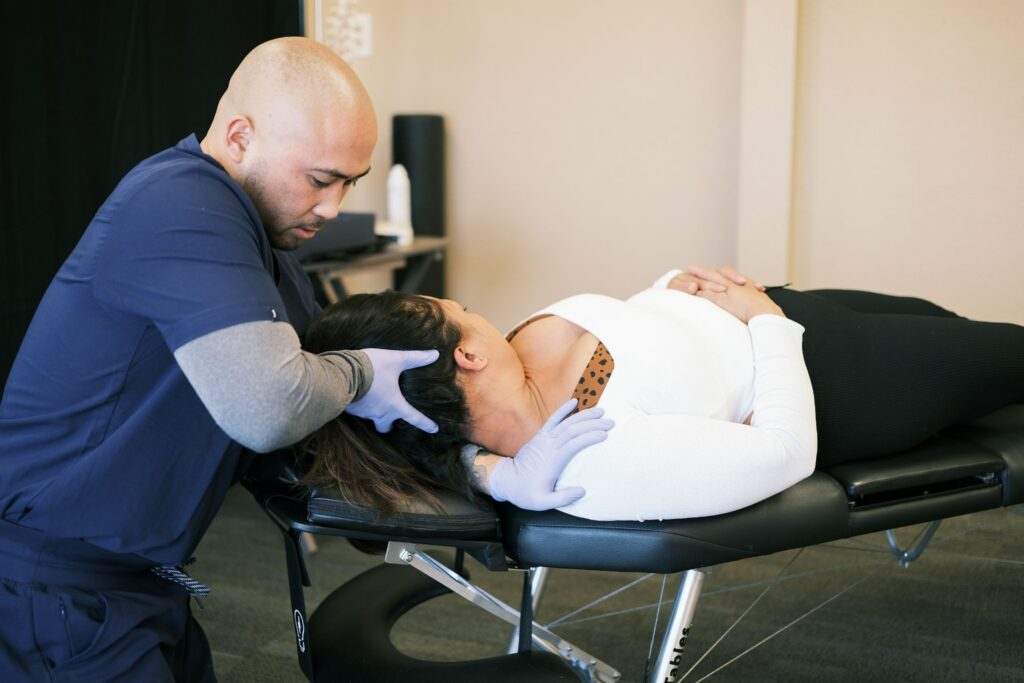
Chiropractic care is a natural and effective way to address neck pain. A chiropractor can provide personalized adjustments to realign your spine and relieve pressure on nerves, promoting healing and overall wellness. Regular chiropractic visits can help maintain a healthy spine and prevent future pain.
Curious about other effective strategies to keep neck pain at bay? Incorporating gentle exercises, staying hydrated, and ensuring you have a supportive pillow while you sleep can also make a significant difference. By embracing these habits and considering chiropractic care, you can enhance your well-being and enjoy a pain-free life.
Key Takeaways
As a local chiropractor, I want to share some daily habits that can help keep neck pain at bay and promote a healthier spine.
- Start by maintaining proper posture. Keep your shoulders back and your head aligned over your spine. This simple adjustment can prevent unnecessary strain on your neck.
- Remember to take regular breaks every 20-30 minutes. Stand up, stretch, and promote blood flow to reduce tension in your neck. This practice can make a significant difference, especially if you spend long hours at a desk.
- Set up your workspace with ergonomics in mind. Ensure your monitor is at eye level and that your chair provides good lumbar support. This setup not only supports your neck but also enhances your overall posture.
- Incorporate neck stretches and flexibility exercises into your daily routine. These movements can improve muscle elasticity and help alleviate discomfort, making it easier for you to maintain a healthy neck.
- Don’t forget the importance of staying hydrated and engaging in regular exercise. These habits support your overall well-being and prevent muscle stiffness, which can contribute to neck pain.
By making these simple adjustments and incorporating these habits into your daily life, you can support your neck health and overall wellness. And remember, regular chiropractic care can be an excellent way to further enhance your spinal health and relieve any discomfort you may experience. Taking the natural approach to wellness can lead to better outcomes and a more vibrant life.
Maintain Proper Posture
Maintaining proper posture is crucial for preventing neck pain and promoting overall spinal health. As a chiropractor, I want to emphasize how simple adjustments in your daily routine can lead to significant improvements in your well-being. When you sit or stand, remember to keep your shoulders back and your head aligned over your spine. Slumping or leaning forward can put unnecessary strain on your neck muscles, leading to discomfort.
If you’re sitting for extended periods, ensure your feet are flat on the ground and your knees are at hip level. This position helps to distribute your weight evenly and supports your spine. While using electronic devices, try to hold them at eye level. This simple change can drastically reduce neck strain and keep you feeling your best.
Taking breaks every 30 minutes to stretch is another effective way to relieve tension and improve your posture. Incorporating core-strengthening exercises into your daily routine can also provide extra support for your spine, helping you maintain proper alignment throughout the day.
When it comes to sleep, selecting a supportive pillow that keeps your neck aligned with your spine is essential. A good night’s rest can make all the difference in how you feel during the day.
Remember, paying consistent attention to your posture can greatly enhance your overall health. By making these small adjustments and prioritizing your spinal well-being, you’re taking proactive steps towards a healthier neck and body.
Chiropractic care is a natural and effective way to achieve optimal health, and I encourage you to explore how it can benefit you in your journey toward wellness.
Set Up an Ergonomic Workspace
To alleviate neck pain, it’s essential to create an ergonomic workspace tailored to your body’s needs. Start by positioning your monitor at eye level; this helps maintain proper spinal alignment and reduces strain on your neck.
It’s also crucial to choose a chair that offers excellent lumbar support, promoting a healthy posture while you work.
Take a moment to consider the placement of your keyboard and mouse. Keep them close enough so that your arms remain relaxed and in a natural position. This setup minimizes tension and can prevent discomfort in your upper body.
Remember, chiropractic care is an invaluable resource for maintaining your spinal health and overall wellness. Regular adjustments can help ensure that your spine is aligned properly, further reducing the risk of pain caused by poor ergonomics.
Monitor Height Adjustment
When you set up your workspace, one of the most important steps to take for your overall health and to prevent neck pain is adjusting your monitor height. Your monitor should be at eye level, allowing you to maintain a neutral position without tilting your head up or down. Ideally, the top of the screen should be at or just below your eye level, enabling you to look straight ahead comfortably.
Positioning your monitor about an arm’s length away can also help keep your neck relaxed and reduce strain. If you work with multiple monitors, arrange them in such a way that minimizes any twisting of your neck. This setup not only promotes better posture but also helps to alleviate tension that can lead to pain.
One effective way to achieve the right monitor height is by using a monitor stand or an adjustable arm. These tools can make a significant difference in your workspace ergonomics. Remember, good posture while working is essential for maintaining spinal health and preventing discomfort.
In addition to these adjustments, regular chiropractic care can play a vital role in ensuring that your spine remains healthy and well-aligned. Chiropractors can provide personalized advice on maintaining good posture and offer treatments that help alleviate any discomfort you may be experiencing.
Chair Support Features
A supportive chair is vital for creating an ergonomic workspace that helps prevent neck and back pain, which can often be relieved through chiropractic care. When selecting your chair, consider features that not only enhance comfort but also encourage proper posture. Here are some important aspects to keep in mind:
- Adjustable Height: This feature ensures your feet rest flat on the floor, which promotes proper alignment and can help reduce strain on your spine. Proper alignment is key to maintaining a healthy back, and chiropractic adjustments can further support this alignment.
- Lumbar Support: A chair with good lumbar support helps maintain the natural curve of your spine, which is essential for preventing lower back pain. Regular chiropractic care can enhance the benefits of a supportive chair by addressing any misalignments in your spine.
- Armrests: Opt for adjustable armrests that support your arms without causing strain in your shoulders. This can help reduce tension in your neck and upper back, areas commonly affected by poor posture.
Remember, a relaxed posture is crucial for overall wellness, and chiropractic care can provide guidance on maintaining it throughout your day.
– Seat Depth: Ensure the seat depth allows you to sit comfortably with your back against the chair while keeping your knees slightly bent. This positioning can help alleviate pressure on your lower back.
Consistently practicing good seating habits, along with regular chiropractic visits, can lead to long-term relief from discomfort.
By prioritizing these chair features and incorporating chiropractic care into your routine, you can create a healthier workspace that supports your spine and overall well-being.
Keyboard and Mouse Placement
Proper keyboard and mouse placement is crucial for maintaining spinal health and reducing neck and shoulder strain while you work. When setting up your workspace, position your keyboard directly in front of you. This allows your elbows to rest close to your body at a comfortable 90-degree angle, promoting optimal posture. Your wrists should float above the keyboard, avoiding any awkward angles that could lead to discomfort or pain.
Make sure your mouse is at the same level as your keyboard. This helps you access it easily without bending your wrist or reaching too far, which can cause strain over time.
Additionally, it’s important that your computer screen is at eye level. This way, you won’t have to look up or down, which can lead to unnecessary tension in your neck and shoulders.
As a local chiropractor, I recommend regularly adjusting your setup to ensure it supports your body’s natural alignment. Taking short breaks to stretch and reset your posture is also essential for maintaining your well-being throughout the day.
Remember, a well-placed keyboard and mouse not only enhance your comfort but also contribute to your overall spinal health. Prioritizing these ergonomic practices can significantly reduce the risk of discomfort and promote a healthier lifestyle.
Embracing chiropractic care can further support your journey to optimal health, helping you achieve lasting pain relief and wellness naturally.
Take Frequent Breaks
Taking frequent breaks is vital for maintaining a healthy neck, especially if your work involves long hours at a desk. These short pauses not only relieve tension but also help improve your posture, allowing your neck muscles to relax.
Here are some practical tips for effective breaks that can contribute to your overall wellness and complement chiropractic care:
- Stand Up: Take a moment to stand and move around. This simple activity can boost your circulation and invigorate your body, helping to alleviate any stiffness in your neck and back.
- Change Your Position: Adjusting your seating posture can significantly reduce strain on your neck. Consider using ergonomic furniture or cushions that support your spine’s natural alignment.
- Look Away from Screens: Every so often, shift your focus away from screens. Try looking at something in the distance for a minute or two. This practice not only eases eye strain but can also mitigate neck tension by allowing your muscles to relax.
- Hydrate: Keep a water bottle at your desk and remember to drink during your breaks. Staying hydrated is essential for keeping your muscles healthy and functioning optimally.
Incorporating these break strategies into your daily routine can help prevent discomfort and promote a healthier lifestyle.
Perform Neck Stretches
To keep your neck healthy and functioning properly, incorporating regular neck stretches into your daily routine is crucial. Maintaining flexibility in your neck can significantly relieve tension and improve your range of motion, ultimately contributing to your overall wellness.
As a chiropractor, I believe that these stretches complement chiropractic care beautifully, enhancing the benefits of spinal adjustments and promoting natural healing.
Here are some simple neck stretches you can easily add to your day:
- Neck Tilts: Gently tilt your head towards one shoulder, hold for 15-30 seconds, and then switch to the other side. This helps to stretch the muscles along the sides of your neck.
- Chin Tucks: While sitting or standing, pull your chin back towards your throat. Hold for 5-10 seconds, repeat 5-10 times. This exercise strengthens the muscles that support your neck and helps improve posture.
- Neck Rotations: Slowly turn your head to one side until you feel a gentle stretch. Hold for 15-30 seconds before rotating to the other side. This increases mobility in your neck and can alleviate tension.
- Forward Neck Stretch: Gently lower your chin to your chest and hold the position for 15-30 seconds. This stretch targets the back of your neck and can help relieve tightness.
- Shoulder Shrugs: Raise your shoulders towards your ears, hold for a few seconds, and then relax. Repeat this 10 times. This simple movement can help reduce tension in the upper back and neck area.
Incorporating these stretches into your routine not only enhances flexibility but also supports the overall effectiveness of chiropractic adjustments.
Remember, chiropractic care is a fantastic way to address pain and promote natural wellness. It focuses on the spine and nervous system, which are vital for your body’s overall function.
By regularly stretching and maintaining healthy neck posture, you can further support your spine and prevent discomfort.
As always, if you experience persistent pain or discomfort, consider visiting your local chiropractor. They can provide tailored advice and care to help you achieve optimal health and well-being.
Importance of Neck Flexibility
Neck flexibility is crucial for preventing pain and supporting your overall well-being, especially in our daily lives. When your neck is flexible, it allows for smoother movements and reduces strain, which helps you avoid discomfort.
Here are some key benefits of maintaining good neck flexibility:
- Improved Posture: Flexible neck muscles are vital for proper alignment. This can significantly reduce your risk of developing pain in the neck and back areas. Chiropractic adjustments can help keep your spine aligned, which supports better posture.
- Increased Range of Motion: Good neck flexibility makes it easier to turn and tilt your head without discomfort. Regular chiropractic care can enhance your mobility and ensure your neck joints are functioning optimally.
- Reduced Tension: Incorporating gentle stretches can alleviate tightness that often builds up from daily stress. Chiropractic adjustments can also help release tension in the muscles surrounding the neck, promoting relaxation.
- Enhanced Athletic Performance: Flexibility plays a crucial role in your movement during sports and exercise. By maintaining good neck flexibility through chiropractic care and tailored exercises, you can improve your performance and prevent injuries.
To start improving your neck flexibility, consider incorporating simple neck stretches into your daily routine.
Also, regular visits to your chiropractor can provide personalized advice and techniques to enhance your neck health.
Effective Stretching Techniques
While your daily routine may be busy, incorporating effective neck stretches can significantly enhance your flexibility and alleviate discomfort. As a chiropractor, I believe in the power of natural healing and the importance of caring for your spine.
Here are some simple stretches that can help you feel better and support your overall health:
- Neck Tilt: Gently lean your head to one side, allowing the weight of your head to stretch the opposite side of your neck. Hold this position for 15 seconds, then switch sides. This stretch can help relieve tension and improve mobility.
- Chin Tuck: Pull your chin in towards your chest. This stretch targets the muscles at the back of your neck, which can often become tight from poor posture. Hold this position for 10 seconds to experience a soothing relief.
- Deeper Stretch: For a more intense stretch, clasp your hands behind your head and gently pull down while tilting your head forward. This will stretch the entire neck and upper back area, promoting better alignment and reducing stiffness.
- Shoulder Rolls: Move your shoulders in a circular motion, both forwards and backwards. This simple exercise can help release tension in your neck and shoulders, allowing for smoother and more comfortable movement.
By incorporating these stretches into your daily routine, you’ll not only notice an increase in comfort and mobility, but you’ll also be taking proactive steps toward maintaining a healthy spine.
Remember, regular chiropractic adjustments can further support your health by addressing underlying issues and enhancing your body’s natural ability to heal.
Prioritize your well-being, and you’ll find it easier to tackle your day without neck discomfort!
Stay Hydrated
Staying hydrated is vital for your overall well-being, especially when it comes to maintaining a healthy spine and reducing discomfort. Proper hydration supports the elasticity of your muscles and tissues, allowing your body to function optimally.
When you’re well-hydrated, you can help prevent muscle stiffness and tension, which are often contributors to neck pain and other discomforts.
As a chiropractor, I emphasize the importance of hydration as part of a natural approach to health and wellness. Here are some simple tips to help you stay hydrated and support your spinal health:
- Drink Water Regularly: Make it a habit to drink water consistently throughout the day, not just when you’re feeling thirsty. This will help keep your muscles and joints lubricated and functioning smoothly.
- Use a Reusable Water Bottle: Carry a reusable water bottle with you to serve as a reminder to sip throughout the day. It’s a small change that can make a big difference.
- Incorporate Hydrating Foods: Include water-rich foods, such as fruits and vegetables, in your meals. Not only do these foods provide hydration, but they also offer essential nutrients that support your body’s functions.
- Set Reminders: Utilize your phone to set reminders for drinking water. This can help you establish a routine and ensure you’re meeting your hydration needs.
By integrating these habits into your daily life, you can enhance your spinal health and overall wellness.
Use Supportive Pillows
Proper hydration plays a significant role in overall spinal health, but the right support during sleep is just as crucial. As a chiropractor, I can tell you that using supportive pillows can make a world of difference in how you feel each morning. A good pillow helps maintain the alignment of your neck and spine, reducing strain while you sleep, which is essential for your overall well-being.
If you’re a side sleeper, opt for a thicker pillow that effectively fills the gap between your shoulder and head. This helps keep your spine straight and supports your neck properly. For back sleepers, a medium-loft pillow is ideal, as it supports the natural curve of your neck and allows for a restful night.
If you find yourself sleeping on your stomach, it’s best to use a thin, soft pillow or even skip it altogether to prevent unnecessary twisting of your neck.
Don’t forget about your mattress! A supportive mattress works hand-in-hand with your pillow. It’s important to create a sleep environment that promotes proper alignment and comfort.
Take the time to experiment with different pillow styles and materials until you discover what feels best for you. By prioritizing your sleep setup, you can help prevent neck pain and enhance your overall health.
Limit Screen Time
As you go about your daily activities, it’s essential to be aware of how much time you spend in front of screens. Too much screen time can lead to discomfort, particularly in your neck, which can affect your overall spinal health.
Here are some friendly strategies to help ease neck pain and promote a healthier lifestyle:
- Set time limits: Designate specific times for screen use to avoid getting lost in endless scrolling. This not only helps your neck but also encourages a more balanced daily routine.
- Take regular breaks: Every 20-30 minutes, stand up, stretch, or take a short walk. These little breaks can significantly relieve tension and encourage better blood flow, which is crucial for spinal health.
- Adjust your setup: Ensure your screen is at eye level. This helps prevent you from craning your neck, which can lead to pain and discomfort. A well-set-up workspace can make a world of difference!
- Use blue light filters: These can help reduce eye strain, making it easier to work or relax in front of screens for longer periods without discomfort.
Remember, chiropractic care is a fantastic way to address neck pain and enhance your overall wellness.
Regular adjustments can help align your spine and improve your posture, which is essential for long-term health. If you’re experiencing discomfort, consider visiting your local chiropractor for personalized advice and support.
Take these tips to heart and prioritize your health – your body will thank you!
Manage Stress Effectively
As a chiropractor, I understand that stress can play a significant role in contributing to neck pain. Managing stress effectively is crucial for maintaining not only your physical health but also your overall well-being. By incorporating simple stress management techniques into your daily routine, you can experience relief from tension and enhance your quality of life. Here are some practical strategies to consider:
| Technique | Description | Benefits |
|---|---|---|
| Deep Breathing | Focus on taking deep, slow breaths in and out. | Helps to reduce tension and promote relaxation, easing tension in the neck and spine. |
| Mindfulness Meditation | Pay attention to the present moment without judgment. | Can lower anxiety and improve focus, which may help alleviate stress-related discomfort. |
| Progressive Muscle Relaxation | Tense each muscle group and then relax them. | Effective for relieving physical tension and stress, which can help reduce neck pain. |
| Journaling | Write down your thoughts and feelings. | Provides clarity on emotions and perspective, helping you manage stress better. |
Incorporating these techniques into your daily life can complement the benefits of chiropractic care. Regular adjustments can help align your spine and improve your overall health, while these stress management strategies can further support your journey towards wellness. Remember, taking care of your mind and body is essential for optimal health. If you’re experiencing neck pain, consider discussing how chiropractic care can help you manage stress and promote natural healing.
Engage in Regular Exercise
Managing stress effectively is an essential step toward alleviating neck pain, and incorporating regular exercise can significantly enhance your overall well-being. As a chiropractor, I can attest that regular physical activity not only strengthens your neck and shoulder muscles, which improves posture and reduces tension, but it also has a positive effect on your mood and energy levels. This makes it easier to handle daily stressors and supports your journey toward optimal health.
Here are four types of exercises that can complement your chiropractic care and help relieve neck pain:
- Stretching: Gentle neck stretches can aid in relieving tightness and improving flexibility. Simple movements, like tilting your head side to side or gently rolling your shoulders, can be incredibly beneficial.
- Strength Training: Focus on exercises that target your upper back and shoulders. Strengthening these areas can help support your spine and maintain proper alignment, which is crucial for preventing pain.
- Cardio: Activities such as walking, swimming, or cycling not only promote overall fitness and circulation but also help in reducing stress. Engaging in these activities can boost your endorphin levels, leading to a greater sense of well-being.
- Yoga or Pilates: These practices are excellent for improving posture and body awareness, which can reduce the risk of future pain. They also encourage relaxation and mindfulness, both of which are beneficial for managing stress.
Incorporating these exercises into your routine can greatly enhance the effects of chiropractic care.
Incorporate Mindfulness Practices
Incorporating mindfulness practices into your daily routine can significantly enhance your overall well-being and help alleviate neck pain. As a chiropractor, I often see how stress and tension can build up in the neck and shoulders, leading to discomfort. By focusing on the present moment, you can reduce this tension and promote a more relaxed state.
Start with simple breathing exercises. Just a few minutes each day dedicated to deep, conscious breathing can work wonders. As you breathe in, visualize calming energy filling your body, and as you exhale, imagine releasing any tightness in your neck and shoulders.
You may also want to explore the benefits of gentle yoga or meditation. These practices not only promote relaxation but also help you become more aware of your body posture. Pay close attention to how you hold your neck and shoulders during these activities, and make adjustments as needed to maintain a healthy alignment.
Consider integrating short mindfulness breaks into your day. If you notice tension creeping in, take a moment to pause. Stretch gently while focusing on your breath, allowing yourself to release any accumulated stress.
These mindfulness practices complement chiropractic care beautifully, as they not only help manage pain but also foster a sense of calm and clarity. By incorporating these techniques into your daily life, you can better navigate daily stresses that may contribute to discomfort, paving the way for a healthier and more balanced lifestyle.
Conclusion
By incorporating these daily habits into your routine, you can significantly reduce neck pain and enhance your overall well-being. It’s vital to maintain good posture throughout your day—this means sitting up straight and aligning your head over your shoulders to prevent strain. Setting up an ergonomic workspace is crucial; adjust your chair and computer screen so that you can work comfortably without hunching over.
Remember to take regular breaks—every 30 to 60 minutes—to stretch your neck and shoulders. Simple neck stretches can help relieve tension and improve mobility. Staying hydrated is also essential; water keeps your discs healthy and can help prevent stiffness. Moreover, managing your screen time is key; try to limit prolonged periods of looking down at your phone or computer.
Engaging in regular exercise, like walking or yoga, can strengthen your neck and back muscles, providing better support for your spine. Additionally, practicing mindfulness techniques can help keep stress at bay, which often contributes to muscle tension in the neck.
As a chiropractor, I encourage you to consider chiropractic care as a natural approach to achieving optimal health and relieving neck pain. Regular adjustments can help align your spine, improve mobility, and promote overall wellness. With these simple adjustments to your daily habits and the support of chiropractic care, you’ll be on your way to a healthier neck and a more comfortable life.