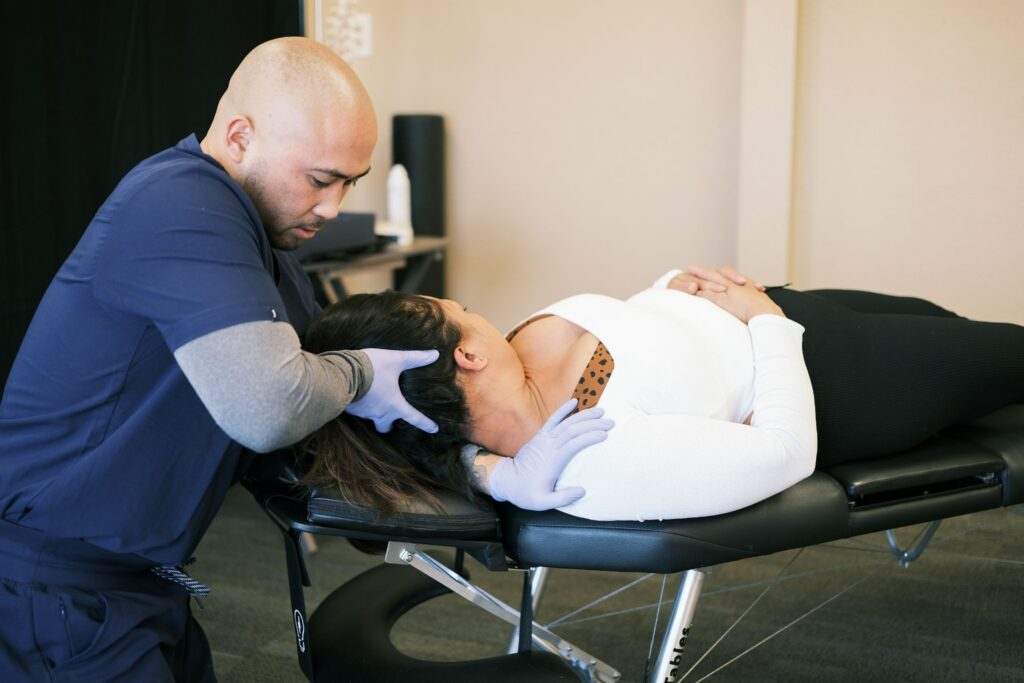

As a local chiropractor, I’ve seen firsthand how back pain can disrupt daily life for many individuals. The good news is that there are natural methods to alleviate this discomfort without the need for medication. By making some simple adjustments to your daily routine and incorporating specific practices, you can find relief and enhance your overall well-being.
Let’s take a closer look at ten effective strategies that could transform your approach to managing back pain. You may be surprised by the positive impact these natural methods can have on your body and overall health. Embracing these techniques not only helps to alleviate pain, but it also promotes a healthier lifestyle. I’m excited to guide you through this journey toward better back health!
Practice Regular Stretching Exercises
As a local chiropractor, I want to emphasize the importance of incorporating regular stretching exercises into your routine to alleviate back pain effectively. Stretching is a fundamental practice that enhances flexibility and range of motion, both vital for sustaining a healthy spine.
I recommend starting with simple yet effective stretches, such as the cat-cow stretch, which helps warm up your spine, or the child’s pose, which gently relaxes your back muscles.
To experience the full benefits, aim to stretch at least three times a week, holding each stretch for about 15-30 seconds. This consistent practice not only alleviates tension but also strengthens your muscles, helping to prevent future discomfort.
Listen to your body during each stretch; you should feel a gentle pull without experiencing any pain.
Remember to focus on your breathing as you stretch. Deep, controlled breaths can significantly enhance relaxation and the effectiveness of each movement.
Maintain Proper Posture
As a local Chiropractor, I want to emphasize the importance of maintaining proper posture to alleviate back pain.
One of the first steps you can take is to invest in ergonomic furniture that supports your spine. Adjusting your desk height is also crucial to ensure that your body is aligned correctly while you work.
Additionally, strengthening your core muscles is vital, as a strong core helps to keep your posture in check.
By focusing on these elements, you can significantly improve your spinal health and overall well-being.
Importance of Ergonomic Furniture
As a local chiropractor, I often emphasize the importance of the furniture you choose for your home or office. Many people don’t realize how much their seating arrangements can affect their posture and overall comfort.
Investing in ergonomic furniture is crucial for minimizing back pain and fostering a healthier sitting experience.
When you make ergonomics a priority, you can reap several key benefits that align with the principles of chiropractic care:
- Improved spinal alignment: Ergonomic chairs are designed to support the natural curve of your spine, helping maintain proper alignment.
- Less muscle strain: Furniture that’s thoughtfully designed reduces stress on your back and surrounding muscles, promoting better overall health.
- Boosted productivity: When you’re comfortable, you’re able to focus better and work more efficiently, which is vital for both your physical and mental well-being.
- Better blood circulation: Maintaining good posture not only feels better but also enhances blood flow, which can alleviate discomfort and support healing.
By understanding the role that ergonomic furniture plays in your daily life, you can take proactive steps towards better spinal health and overall wellness.
Adjusting Desk Height
As a local chiropractor, I want to emphasize the importance of adjusting your desk height to maintain proper posture and prevent back pain. Many people may not realize that an improperly positioned desk can lead to discomfort and strain in your back and neck.
Ideally, when you sit down to work, your elbows should form a 90-degree angle while typing, with your wrists straight and hands hovering comfortably above the keyboard.
It’s also crucial to position your monitor at eye level to avoid tilting your head up or down, which can contribute to neck strain. If you have the option, I recommend investing in a height-adjustable desk. This allows you to alternate between sitting and standing, promoting better spinal alignment and reducing the risk of discomfort over time.
Additionally, ensure that your feet rest flat on the floor; this simple adjustment can enhance your overall posture and support your body’s natural alignment.
By making these ergonomic changes, you can create a workspace that not only supports your physical health but also helps you stay comfortable and focused throughout your day.
Strengthening Core Muscles
As a local Chiropractor dedicated to your well-being, I want to emphasize the importance of maintaining proper posture, which is closely linked to strengthening your core muscles.
A strong core is essential for supporting your spine, which can significantly reduce the risk of back pain and enhance your overall posture. To help you strengthen your core effectively, I recommend incorporating the following exercises into your routine:
- Planks: This exercise involves holding a plank position, which engages multiple core muscles and helps build endurance and stability.
- Bridges: By lifting your hips while lying on your back, you can target your glutes and lower back, promoting strength in those areas.
- Bicycle Crunches: These are excellent for working on your obliques, improving your core stability, and enhancing your overall balance.
- Leg Raises: Lying down and lifting your legs is a great way to strengthen your lower abdominal muscles, which play a vital role in core support.
Integrating these exercises into your daily routine can’t only help you achieve a stronger core but also contribute to better posture and spinal health.
Incorporate Strength Training
As your local chiropractor, I want to share how incorporating strength training into your routine can play a crucial role in alleviating back pain and enhancing your overall stability. Strengthening your back, core, and legs forms a solid foundation that supports your spine, which is essential for maintaining good posture and reducing discomfort.
I recommend starting with fundamental exercises like deadlifts, squats, and rows. These movements engage multiple muscle groups, providing a comprehensive workout that can significantly benefit your back health. Aim for two to three strength training sessions each week, and remember to gradually increase the weights as your strength improves.
It’s vital to prioritize proper form while exercising. Using incorrect techniques can exacerbate your pain rather than alleviate it. Always listen to your body and allow yourself to rest when necessary; your body needs time to recover.
If you’re unsure where to begin or how to tailor a program to your specific needs, I encourage you to consult a fitness professional. They can help you design a plan that complements your chiropractic care.
Incorporating strength training not only addresses pain but also builds your confidence and enhances your overall fitness. By committing to this practice, you’re making a significant step towards achieving a healthier, pain-free back.
Use Heat and Cold Therapy
As your local chiropractor, I want to share how heat and cold therapy can be incredibly effective for relieving back pain.
When you apply heat to your back, it promotes increased blood flow and helps to relax tight muscles, making it an excellent choice for easing stiffness and tension.
On the other hand, cold therapy is beneficial for reducing inflammation and numbing any sharp pain you might be experiencing.
Understanding when to use each of these methods can significantly enhance your recovery process.
If you’re new to chiropractic care and natural healing, incorporating these therapies into your routine can complement your overall treatment plan and help you feel better faster.
Benefits of Heat Therapy
As a local chiropractor, I often encounter patients seeking immediate relief from back pain. One effective method I recommend is heat therapy, which can significantly soothe discomfort and encourage healing.
By applying heat to your back, you can enhance blood flow, relax tight muscles, and alleviate stiffness. Let me share some key benefits of this approach:
- Improves blood circulation: Heat therapy boosts blood flow, which is crucial for delivering essential nutrients to injured areas of your back.
- Relaxes muscles: The warmth from heat therapy helps to ease muscle tension, promoting better mobility and flexibility.
- Reduces pain perception: Heat can help your brain to focus less on pain signals, providing a sense of relief.
- Promotes healing: With increased circulation, your body can recover more quickly from injuries and strains.
Incorporating heat therapy into your daily routine is a simple yet powerful way to manage back pain naturally.
It’s an excellent complement to the chiropractic care I provide, and together, they can enhance your overall wellbeing.
If you have any questions or would like to learn more about how heat therapy can benefit you, feel free to reach out during your next visit!
When to Use Cold
As a local chiropractor, I want to share some valuable insights about managing back pain, particularly when it comes to using cold therapy.
Cold therapy can be incredibly effective, especially after an injury or during a flare-up of pain. When you apply cold packs or ice wrapped in a cloth for about 15-20 minutes, it can help reduce inflammation and numb the area, providing you with immediate relief.
If you’ve recently strained a muscle or are noticing swelling, applying cold therapy right away can truly make a significant difference in your recovery.
However, it’s important to understand when cold therapy is appropriate. If you’re dealing with chronic back pain or muscle stiffness, heat may actually be more beneficial for you.
Always pay attention to how your body responds; if you find that cold therapy increases your discomfort, discontinue use immediately.
By understanding when and how to use cold therapy, you can enhance your recovery process and regain your mobility more effectively.
If you have any questions or need personalized advice, feel free to reach out during your next visit. Your well-being is our priority!
Explore Yoga and Pilates
If you’re seeking a gentle yet effective method to alleviate back pain, I encourage you to consider the benefits of yoga and Pilates. As a chiropractor, I often see how both practices can complement chiropractic care by focusing on core strength and flexibility, which are essential for maintaining a healthy spine.
Here are some key advantages to keep in mind:
- Improved Posture: Yoga and Pilates emphasize proper body alignment, which can significantly reduce the strain on your back and support overall spinal health.
- Increased Flexibility: Engaging in regular practice can help stretch tight muscles and relieve tension, promoting greater mobility and comfort in your daily activities.
- Strengthened Core: A strong core acts as a support system for your spine, helping to ease pressure and discomfort in your back.
- Mind-Body Connection: Both practices encourage relaxation and mindfulness, which can be beneficial in managing pain and reducing stress levels.
Integrating yoga or Pilates into your wellness routine can be a natural and sustainable way to address back pain.
I recommend starting with beginner classes or online tutorials to find the pace that works best for you.
Try Acupuncture
As a local chiropractor, I want to introduce you to the intriguing world of acupuncture, a complementary therapy that may provide relief for back pain.
This method involves stimulating specific points on your body to encourage healing and alleviate discomfort. It’s a natural approach that works well alongside chiropractic care.
Let’s delve into the benefits of acupuncture and discuss how you can find a qualified practitioner in your area to enhance your wellness journey.
How Acupuncture Works
As a local chiropractor, I want to introduce you to an alternative approach for managing back pain that goes beyond medication and physical therapy: acupuncture. This time-honored practice involves the insertion of thin needles at specific points on your body, which can help restore balance and promote healing through your body’s energy pathways, known as meridians.
When you consider acupuncture as part of your treatment plan, you may experience several benefits, including:
- Release of endorphins: Acupuncture encourages your body to produce natural painkillers, helping to alleviate discomfort.
- Increased blood flow: Enhanced circulation can aid in reducing inflammation and promoting healing in affected areas.
- Muscle relaxation: By targeting specific points, acupuncture can help relieve tension in your back, allowing for greater mobility and comfort.
- Stress reduction: A calmer mind can significantly reduce your perception of pain, contributing to an overall sense of well-being.
Incorporating acupuncture alongside chiropractic care can provide a holistic approach to managing your back pain, supporting your body’s natural healing processes.
Benefits of Acupuncture
As a local chiropractor, I want to share with you the potential benefits of incorporating acupuncture into your journey toward back pain relief. This ancient healing practice not only targets pain reduction but also fosters relaxation and enhances your overall wellness.
By stimulating specific acupuncture points, this technique can trigger the release of endorphins—your body’s natural painkillers—offering you immediate relief from discomfort.
Additionally, acupuncture can improve blood circulation, which is essential for accelerating healing and minimizing inflammation in the affected areas of your back. Many of my patients have reported that regular acupuncture sessions lead to improved sleep patterns, which can significantly help in managing stress and anxiety that often accompany chronic pain.
One of the best aspects of acupuncture is that it’s a low-risk treatment option with minimal side effects, making it a valuable component of your holistic approach to back pain management.
If you’re looking for a natural way to alleviate your pain and improve your quality of life, I encourage you to consider trying acupuncture. You might be surprised by how much it can help you on your path to wellness.
Finding a Practitioner
How can you find a qualified chiropractor to help you explore the benefits of chiropractic care for back pain relief? It’s essential to do your homework and ensure you choose a practitioner who’s well-equipped to address your needs. Here are some tips to guide you:
- Check for credentials: Ensure they’re licensed and have completed accredited chiropractic programs. This guarantees they’ve the necessary training and knowledge.
- Read testimonials: Look for online reviews or ask your friends and family for recommendations. Hearing about others’ experiences can provide insight into what to expect.
- Schedule an initial consultation: Meeting with a chiropractor allows you to discuss your concerns and see if you feel comfortable with their approach to treatment.
- Inquire about their experience: Ask how many patients they’ve treated specifically for back pain. This can give you an idea of their expertise in dealing with your specific issue.
Choosing the right chiropractor can significantly impact your healing journey.
Trust your instincts and select someone who makes you feel at ease, as a good rapport can enhance the effectiveness of your treatment.
Maintain a Healthy Weight
As your local chiropractor, I want to emphasize the importance of maintaining a healthy weight, especially when it comes to alleviating back pain. Carrying excess weight can put additional strain on your spine and the muscles surrounding it. This added pressure forces your body to work harder to support itself, which can lead to discomfort and even injuries over time.
By keeping your weight within a healthy range, you can significantly reduce the strain on your back. This can make managing pain easier and improve your overall mobility, allowing you to engage in daily activities more comfortably.
To achieve and maintain a healthy weight, I recommend focusing on regular physical activities that strengthen your core and back muscles. Activities such as walking, swimming, or yoga are excellent choices—they not only help you shed those extra pounds but also enhance your flexibility and overall strength.
Additionally, it’s important to be mindful of portion sizes and to tune in to your body’s natural hunger signals. Remember, even small adjustments to your daily routine can lead to significant improvements over time.
Adjust Your Diet
As a local chiropractor, I want to emphasize how important your diet is in managing back pain and promoting overall wellness. The food you consume can play a vital role in reducing inflammation, strengthening your muscles, and supporting your back health.
Here are some dietary adjustments you might consider making:
- Incorporate anti-inflammatory foods: Include foods in your meals that are known to fight inflammation, such as berries, olive oil, and fatty fish like salmon. These can help alleviate discomfort and support recovery.
- Stay hydrated: It’s crucial to drink plenty of water. Staying hydrated helps maintain the health of your spinal discs and can significantly reduce stiffness in your back.
- Increase calcium and vitamin D intake: Focus on foods rich in calcium and vitamin D like leafy greens, almonds, and fortified dairy products. These nutrients are essential for maintaining strong bones, which is vital for a healthy spine.
- Limit processed foods and sugar: Be mindful of your intake of processed foods and added sugars. These can increase inflammation in the body and potentially worsen your pain.
By making these dietary changes, you can complement your chiropractic care and take proactive steps toward a healthier back.
If you have any questions or need personalized dietary advice, feel free to reach out during your next visit!
Utilize Mindfulness and Meditation
As a local chiropractor, I want to emphasize that while dietary adjustments can significantly enhance your back health, it’s equally important to consider the mental and emotional dimensions of pain management.
One effective approach we often recommend is the practice of mindfulness and meditation, which can be incredibly beneficial in managing back pain.
By honing your focus on the present moment, mindfulness can help alleviate stress and anxiety—two factors that can intensify physical discomfort.
I encourage my patients to start with just a few minutes of mindfulness each day. Find a peaceful spot, sit comfortably, and concentrate on your breath. Pay attention to how your body feels, and recognize any areas of tension without passing judgment.
This practice of awareness can help you pinpoint tight spots or pain, making it easier to relax those areas.
As you continue to develop this mindfulness practice, you may discover improved coping mechanisms for discomfort, which can lead to an enhanced sense of well-being.
Integrating these mindfulness techniques into your daily routine can empower you to take charge of your pain and foster a stronger connection between your mind and body.
Consider Essential Oils and Herbal Remedies
As your local chiropractor, I want to share some effective natural ways to help manage your back pain. Incorporating essential oils and herbal remedies into your routine can be a wonderful complement to your chiropractic care.
These natural options not only provide relief but also promote overall wellness. Here are a few I recommend:
- Peppermint Oil: This essential oil is known for its invigorating cooling effect. When massaged into sore muscles, it can help alleviate discomfort and promote relaxation in the affected area.
- Lavender Oil: Renowned for its calming properties, lavender oil can be a great ally in reducing tension and anxiety, making it easier for you to cope with pain and enhance your overall sense of well-being.
- Turmeric: This powerful herb is celebrated for its anti-inflammatory properties. You can take it as a supplement or easily incorporate it into your meals to help reduce inflammation and support your body’s healing process.
- Ginger: Often praised for its pain-relieving qualities, ginger can be enjoyed as a soothing tea or used in various dishes. It’s a delicious way to harness its natural healing benefits.
I encourage you to experiment with these remedies and see which ones resonate with you.
Remember, it’s always important to consult with your healthcare provider before introducing any new treatments into your health regimen.
Your journey to relief and wellness is important to us, and I’m here to support you every step of the way!
Conclusion
As a local chiropractor, I want to share some effective natural methods that can significantly alleviate your back pain and enhance your overall well-being. One of the first steps is to incorporate regular stretching into your routine, as it can improve flexibility and strengthen your back. It’s also essential to maintain proper posture throughout your day, whether you’re sitting at a desk or lifting objects.
Engaging in activities such as yoga can be particularly beneficial, as it promotes both strength and flexibility while helping you connect with your body. Additionally, a healthy diet plays a crucial role in managing pain; nutrient-rich foods can reduce inflammation and support your overall health.
Mindfulness techniques, including meditation and deep breathing, can help manage stress, which often contributes to muscle tension and discomfort. If you’re open to it, experimenting with essential oils and herbal remedies can provide added relief for your back pain.
With dedication and consistency in these practices, you can achieve a pain-free lifestyle and regain the ability to enjoy your daily activities. Remember, it’s important to listen to your body and seek guidance when needed – I’m here to support you on your journey to better health through chiropractic care and natural healing.