
Managing chronic pain can often feel like an uphill battle, but you don’t have to face it alone. One of the most effective ways to address pain is by understanding the vital connection between your mind and body. This awareness can empower you to make simple lifestyle changes that promote healing and well-being.
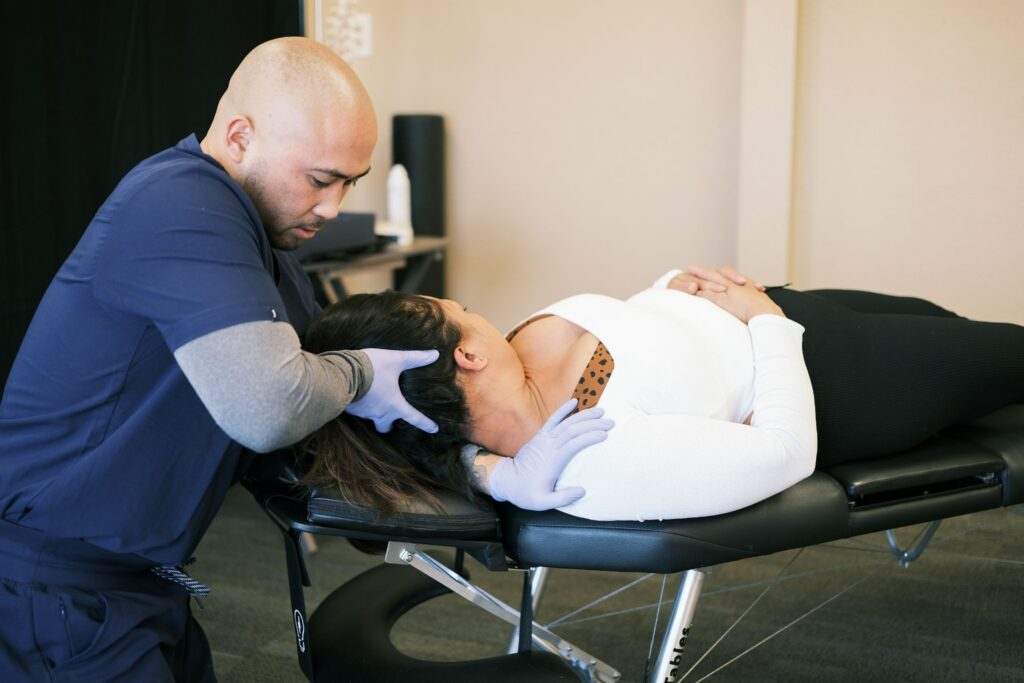
Chiropractic care is an excellent choice for pain relief and overall wellness. By focusing on spinal health, a chiropractor can help restore proper alignment, improve mobility, and reduce tension in your body, which can significantly alleviate pain. It’s a natural approach that emphasizes the body’s ability to heal itself, without the need for invasive procedures or medications.
In addition to chiropractic adjustments, there are plenty of strategies you can incorporate into your daily routine to enhance your pain management. Here are some helpful tips:
- Stay Active: Gentle exercises like walking, stretching, or yoga can improve flexibility and strength, which may reduce pain levels.
- Practice Good Posture: Being mindful of your posture when sitting, standing, or sleeping can prevent unnecessary strain on your spine and reduce discomfort.
- Incorporate Relaxation Techniques: Activities such as deep breathing, meditation, or even spending time in nature can help manage stress, which often exacerbates pain.
- Stay Hydrated and Eat Well: A balanced diet rich in anti-inflammatory foods can support your overall health and may help reduce pain. Remember to drink plenty of water, too!
- Build a Support System: Surrounding yourself with friends, family, or support groups can provide encouragement and help you navigate your pain management journey more effectively.
As you explore these strategies, remember that building a relationship with a chiropractor can be a game-changer for your health. They can provide personalized care and guidance tailored to your specific needs. What steps will you take today to transform your approach to managing pain naturally?
Key Takeaways
Managing chronic pain can be a challenging journey, but there are effective ways to enhance your well-being naturally, with chiropractic care leading the way. Here are some practical strategies to help you on this path:
- Mindfulness Practices: Incorporate mindfulness techniques like deep breathing and journaling into your daily routine. These practices not only enhance your emotional well-being but can also help you perceive pain in a more manageable way.
- Regular Physical Activity: Staying active is crucial for your healing process. Gentle exercises that promote mobility, such as walking, swimming, or stretching, can help reduce pain. Pair this with a balanced, anti-inflammatory diet rich in fruits, vegetables, and whole grains to support your body’s natural healing processes.
- Chiropractic Care: As a chiropractor, I want to emphasize the importance of spinal health. Regular chiropractic adjustments can help restore proper alignment, enhance mobility, and significantly reduce chronic pain. By addressing the root causes of discomfort, chiropractic care promotes natural healing without the need for medications or invasive procedures.
- Alternative Therapies: Consider complementing your chiropractic care with alternative therapies like acupuncture, yoga, or massage therapy. These approaches can work in harmony with chiropractic treatments to relieve discomfort and promote overall wellness.
- Build a Supportive Network: Connecting with friends, family, and chronic pain support groups can provide invaluable emotional relief. Sharing experiences and insights with those who understand your journey can be incredibly empowering.
By focusing on these natural methods, especially chiropractic care, you can take significant steps toward managing chronic pain and achieving optimal health. Remember, your journey to wellness is unique, and incorporating these strategies can help you find relief and enhance your quality of life.
Understanding the Mind-Body Connection
When you experience chronic pain, it’s essential to understand the powerful connection between your mind and body. Your thoughts, emotions, and physical sensations are closely linked, and they all play a role in how you perceive pain. Stress and anxiety can heighten your discomfort, while positive emotions may help alleviate it. By focusing on negative feelings, you could unknowingly increase your pain levels.
Recognizing this mind-body connection can empower you to take charge of your health. Chiropractic care is an excellent way to support this journey towards optimal wellness. By aligning your spine and improving your body’s function, chiropractic adjustments can help reduce pain and promote a positive mindset.
Incorporating mindfulness practices into your routine can further enhance your well-being. Consider techniques like deep breathing or visualization, which can calm your mind and may help lessen the intensity of your pain. These practices, combined with regular chiropractic care, can create a holistic approach to healing.
Journaling can also be a valuable tool in your healing process. By writing about your feelings related to pain, you can identify patterns in your emotional responses. This awareness can help you develop effective coping strategies.
Remember, a healthy mind contributes to a healthier body, making your pain more manageable. Embrace the mind-body connection as a vital part of your wellness journey. Chiropractic care, along with simple practices like mindfulness and journaling, can be powerful allies in achieving a pain-free and vibrant life.
Prioritize your health and consider chiropractic as your go-to choice for natural pain relief and overall wellness.
Lifestyle Changes for Pain Management
Managing chronic pain can be a challenging journey, but making intentional lifestyle changes can greatly enhance your overall well-being. As a chiropractor, I believe that incorporating chiropractic care into your pain management plan is one of the best ways to achieve optimal health. Here are some effective strategies to consider:
First, regular physical activity is crucial. Gentle exercises such as walking or stretching not only improve flexibility but also boost your mood, helping to alleviate pain. Chiropractic adjustments can enhance your mobility, making it easier to stay active and engaged in your daily life.
Next, let’s talk about your diet. Consuming a balanced diet filled with anti-inflammatory foods—like fruits, vegetables, and whole grains—can positively impact how you feel. A well-nourished body is better equipped to heal, and chiropractic care can further support your dietary changes by improving your digestive health and overall function.
Prioritizing sleep is another vital aspect of pain management. Establishing a consistent sleep schedule helps your body heal and reduces discomfort. Chiropractic adjustments can also promote better sleep by relieving tension and aligning your spine, making it easier to find restful positions.
Stress management plays a significant role in coping with pain. Techniques such as mindfulness, yoga, and deep breathing can help you manage stress effectively. Chiropractic care complements these practices by reducing physical tension in your body, allowing for a more relaxed state.
Lastly, connecting with supportive communities—whether in person or online—can provide valuable encouragement. Sharing experiences with others who understand your journey can be incredibly comforting.
Remember, chiropractic care isn’t just about treating pain; it’s about fostering a holistic approach to health and wellness.
Traditional Medical Approaches
When it comes to managing chronic pain, many people are exploring natural and effective alternatives to traditional medical approaches. As a chiropractor, I believe that chiropractic care is one of the best ways to achieve optimal health and pain relief without the need for medications or invasive procedures.
Chiropractic care focuses on the relationship between the spine and the nervous system. When your spine is properly aligned, your body can function at its best, which can help alleviate pain and improve overall wellness. Regular chiropractic adjustments can help restore proper alignment, reduce tension, and enhance mobility, making it an excellent choice for those dealing with chronic pain.
In addition to adjustments, I recommend incorporating exercises and stretches into your daily routine to strengthen your muscles and improve flexibility. Simple practices like gentle yoga, walking, or swimming can be beneficial. Remember to listen to your body and consult with your chiropractor about the best exercises for your specific condition.
It’s also important to pay attention to your posture and ergonomics, especially if you spend long hours sitting or working at a desk. Maintaining a neutral spine position can greatly reduce strain on your back and neck.
Another key aspect of natural healing is nutrition. Eating a balanced diet rich in anti-inflammatory foods, such as fruits, vegetables, whole grains, and healthy fats, can support your body’s healing processes.
Lastly, don’t underestimate the power of a strong support system. Surrounding yourself with friends and family who understand your journey can make a significant difference in your healing process.
Alternative Therapies and Their Benefits
As a local chiropractor dedicated to promoting health and wellness, I understand that many individuals experiencing chronic pain are on the lookout for effective solutions. While chiropractic care is a powerful tool for achieving optimal health and pain relief, many people also explore complementary therapies that can enhance their overall well-being.
Among these options, acupuncture, yoga, and massage therapy can provide unique benefits that work in harmony with chiropractic care. Acupuncture focuses on specific pressure points in the body, which can help facilitate energy flow and reduce discomfort. This can be especially helpful when combined with chiropractic adjustments, as both aim to restore balance and alleviate pain.
Yoga is another excellent practice that blends physical movement with mindfulness. It not only improves flexibility and strength but also helps to reduce stress—an important factor in managing chronic pain. By incorporating yoga into your routine alongside chiropractic care, you can experience a greater sense of control over your body and mind.
Massage therapy is an effective way to target muscle tension and improve blood circulation. This not only aids in physical relaxation but also contributes to mental well-being. When you combine massage with regular chiropractic adjustments, you can enhance your overall recovery and maintain a more relaxed state.
It’s important to remember that these alternative therapies should complement, not replace, your chiropractic care. By integrating them into your wellness routine, you can embrace a holistic approach to pain management. You may discover that this combination not only alleviates pain but also lifts your mood and enhances your quality of life.
Here are some simple tips to help you manage your chronic pain more effectively:
- Stay Consistent with Chiropractic Visits: Regular adjustments can help keep your spine aligned, reduce tension, and promote overall health.
- Incorporate Stretching and Movement: Gentle stretching or yoga can improve flexibility and reduce stiffness, making it easier to engage in daily activities.
- Practice Mindfulness: Consider incorporating mindfulness techniques, such as deep breathing or meditation, to help manage stress and improve your mental state.
- Stay Hydrated: Drinking plenty of water supports overall health and can aid in muscle recovery and function.
- Listen to Your Body: Pay attention to how different therapies affect you, and don’t hesitate to reach out to your chiropractor for guidance on the best approaches for your individual needs.
Building a Support System and Resources
Building a solid support system is vital for managing chronic pain effectively, and chiropractic care can play a key role in this journey. Surround yourself with people who understand your struggles, whether they’re family, friends, or support groups. Open communication is crucial, as it helps them grasp what you’re experiencing. Don’t hesitate to share your feelings and challenges with them.
Consider joining local or online support groups specifically for those dealing with chronic pain. These communities can provide invaluable resources, tips, and encouragement. They can also help you understand how chiropractic care can alleviate pain and improve your overall well-being. Many chiropractors offer workshops or informational sessions that can educate you on pain management techniques and the benefits of spinal health.
Professional support, like therapists or counselors, can also complement your chiropractic care. They can offer coping strategies and emotional support, while a chiropractor focuses on addressing the physical aspects of pain through natural healing methods.
Don’t forget about educational resources. Books, podcasts, and websites focusing on chiropractic care can deepen your understanding of how spinal health affects chronic pain and promote effective management techniques.
By building a robust support network and utilizing the resources available, including chiropractic care, you’ll find it easier to navigate the complexities of chronic pain. This holistic approach helps you feel less isolated and more empowered on your journey to optimal health and wellness.
Conclusion
Managing chronic pain can feel like a daunting journey, but it’s important to remember that each person’s experience is unique. As a chiropractor, I want to emphasize the vital role of the mind-body connection in your healing process. Chiropractic care focuses on aligning your spine and improving your overall health, which can lead to significant pain relief.
To enhance your well-being, consider incorporating some lifestyle changes that promote a healthier living environment. Regular physical activity, a balanced diet, and good hydration can support your body’s natural healing processes. Additionally, exploring a range of natural therapies, such as massage or acupuncture, can complement your chiropractic adjustments and help you feel more at ease.
Building a supportive network is crucial. Surround yourself with friends, family, and health professionals who understand your journey and can encourage you along the way. Remember, the goal is to empower yourself to manage your pain effectively, and chiropractic care can be a cornerstone of that empowerment.
Don’t hesitate to reach out for help when needed. Stay committed to finding the best strategies that work for you—whether that’s through regular chiropractic visits, mindful breathing exercises, or gentle stretching. Your path to relief starts with taking proactive steps toward a healthier future. Embrace the power of chiropractic care and let it guide you on your journey to optimal health and wellness.