
If you're struggling with back pain, you know that a one-size-fits-all approach rarely works. Tailoring your relief strategies to fit your unique situation can make a significant difference in managing discomfort and improving your quality of life. By exploring personalized approaches and innovative treatment options, you can start to reclaim control over your pain. But what specific methods and insights could truly transform your experience? Understanding the nuances of your pain journey might just lead you to the solutions you've been searching for.
Understanding Back Pain
Back pain can strike anyone at any time, often leaving you feeling frustrated and unsure of how to cope. Understanding the nature of back pain is your first step toward relief. It can stem from various sources, including muscle strains, herniated discs, or even poor posture. Identifying the specific cause of your pain is essential, as it influences the most effective treatment options available.
You might experience acute pain, which comes on suddenly, often due to injury or strain. This type of pain usually lasts less than three months and can improve with rest and proper care. Chronic pain, however, persists for longer than three months and may require a more thorough approach, often involving medical intervention.
Pay attention to your body's signals. Is the pain localized to a specific area, or does it radiate down your legs? Symptoms like numbness or weakness can indicate nerve involvement, which may require immediate attention.
Additionally, your lifestyle plays a significant role in your back health. Sedentary habits can weaken your core muscles, leading to increased strain on your back. Regular exercise, proper ergonomics, and weight management can all contribute to reducing the risk of back pain.
Ultimately, understanding the mechanics of your back and how different activities affect it is important. By becoming more aware of these factors, you can make informed choices that promote better back health and ultimately lead to effective relief strategies.
Importance of Personalized Approaches
When it comes to managing back pain, a one-size-fits-all approach rarely works. Each person's experience with back pain is unique, influenced by factors like lifestyle, body mechanics, and underlying health conditions. That's why personalized approaches to treatment are so vital. You need a strategy tailored specifically to your situation to effectively address your pain.
Understanding your individual pain triggers is the first step. Maybe your back pain stems from poor posture while working at a desk, or perhaps it results from an old injury that hasn't healed properly. By identifying these specific factors, you and your healthcare provider can create a targeted plan. This plan might include a combination of physical therapy, exercise, and lifestyle modifications that work together to alleviate your discomfort.
Moreover, personalized approaches allow for ongoing adjustments. As you progress, your needs may change, and your treatment should evolve accordingly. You might find that certain exercises become easier, or you may develop new pain points. Regular assessments will help guarantee that your treatment remains effective.
Finally, embracing a personalized approach empowers you in your journey to recovery. You'll feel more in control when you know your treatment is designed specifically for you. This can boost your motivation and commitment to the process.
Innovative Treatment Options
Many people are discovering innovative treatment options that can greatly enhance their back pain relief journey. These approaches go beyond traditional methods and focus on personalized care, giving you a better chance at long-lasting relief.
One exciting option is regenerative medicine, which uses your body's own healing capabilities. Treatments like platelet-rich plasma (PRP) therapy can greatly reduce inflammation and promote tissue repair, helping you feel more comfortable and active.
Another groundbreaking option is neuromodulation therapy. This technique uses electrical impulses to interfere with pain signals traveling to your brain. By targeting specific nerves, you can experience a noticeable reduction in pain, allowing you to engage in daily activities more freely.
You might also consider virtual reality (VR) therapy, which immerses you in a pain management environment. This innovative approach can help distract you from pain while providing relaxation techniques that can be beneficial in managing your discomfort.
In addition to these treatments, there's an increasing number of wearable technology options designed to monitor your posture and movements. Smart devices can give you real-time feedback, helping you adjust your habits to avoid pain triggers.
Lastly, holistic approaches like acupuncture have been gaining popularity. This ancient practice can stimulate specific points in your body to promote healing and relieve pain.
Lifestyle Modifications for Relief
To find relief from back pain, you can make simple lifestyle changes that really matter.
Incorporating regular exercise and stretching, setting up an ergonomic workspace, and managing your weight can greatly improve your comfort.
Let's explore these modifications and how they can help you live pain-free.
Exercise and Stretching Routines
Incorporating targeted exercise and stretching routines into your daily life can greatly alleviate back pain and enhance overall mobility. By engaging in regular physical activity, you strengthen the muscles that support your spine, which can help prevent future discomfort.
Aim for low-impact exercises like walking, swimming, or cycling, as these are gentle on your back while still providing significant benefits.
You should also incorporate specific stretches that focus on your back, hips, and hamstrings. Simple movements like the cat-cow stretch, child's pose, and knee-to-chest can release tension and improve flexibility.
Try to stretch daily, holding each position for 15-30 seconds, and breathe deeply to enhance relaxation.
It's essential to listen to your body. If any movement causes pain, stop immediately and adjust your routine. Gradually increase the intensity of your workouts as your strength improves.
Additionally, consider consulting a physical therapist for personalized recommendations tailored to your condition.
Ergonomic Workspace Setup
Creating an ergonomic workspace can considerably reduce back pain and improve your overall comfort while working.
Start by choosing a chair that provides good lumbar support. Your lower back should fit snugly against the chair's curve. Adjust the height so your feet rest flat on the floor or on a footrest, promoting a neutral posture.
Next, position your desk at elbow height. When typing, your forearms should be parallel to the ground, and your wrists should remain straight. Keep your monitor at eye level, about an arm's length away, to avoid straining your neck. If you use multiple screens, arrange them to minimize neck twisting.
Also, consider incorporating a sit-stand desk. Alternating between sitting and standing helps reduce stiffness and encourages movement throughout the day.
Don't forget to take regular breaks; stand up, stretch, and walk around every 30 minutes to keep your muscles engaged.
Finally, organize your workspace so that frequently used items are within easy reach. This minimizes unnecessary twisting or bending, further protecting your back.
Healthy Weight Management
Maintaining a healthy weight can greatly alleviate back pain and enhance your overall well-being. Excess weight puts additional strain on your spine, which often leads to discomfort and chronic pain. By managing your weight, you can considerably reduce this burden and improve your mobility.
To achieve and maintain a healthy weight, start by incorporating regular physical activity into your daily routine. Aim for at least 150 minutes of moderate exercise each week, such as walking, swimming, or cycling. These activities not only help burn calories but also strengthen your core muscles, providing better support for your back.
In addition to exercise, focus on your diet. Opt for whole foods, including fruits, vegetables, lean proteins, and whole grains. Reducing processed foods and sugary drinks can help you manage your caloric intake more effectively.
Remember to stay hydrated, as water aids digestion and can help control hunger.
Lastly, consider keeping a food diary to track your progress and identify any patterns that may contribute to weight gain. By making these lifestyle modifications, you'll not only shed pounds but also experience relief from back pain, leading to a healthier, more active life.
Role of Mind-Body Connection
Your mind plays an essential role in how you perceive and manage pain, especially back pain.
Stress can amplify discomfort, making it important to find ways to calm your mind and body.
Techniques like mindfulness and visualization can help you heal and regain control over your pain experience.
Mindfulness and Pain Perception
Mindfulness can greatly alter how you perceive and experience pain, tapping into the profound connection between your mind and body. When you practice mindfulness, you learn to focus on the present moment, which can shift your attention away from the discomfort you're feeling. Instead of letting pain dominate your thoughts, mindfulness encourages you to acknowledge it without judgment, creating a space for acceptance.
By observing your pain without emotional attachment, you can reduce its intensity. This practice helps you recognize that pain isn't just a physical sensation but also a mental interpretation. You might find that simply breathing deeply and tuning into your body allows you to detach from the pain's grip.
Incorporating mindfulness techniques like meditation or gentle yoga into your routine can further enhance this connection. These practices not only help you manage pain but also cultivate resilience.
When you train your mind to stay present, you empower yourself to respond to pain more effectively. As you become more mindful, you may discover that your experience of back pain transforms, leading to greater relief and improved overall well-being.
Stress Impact on Pain
Stress can considerably ramp up your experience of pain, highlighting the intricate mind-body connection. When you're stressed, your body releases hormones like cortisol and adrenaline, which can lead to muscle tension and increased sensitivity to pain.
You might notice that your back pain feels worse during stressful moments, as your mind and body react to pressure. As stress mounts, it can create a vicious cycle. You may worry about your pain, leading to more stress, which in turn exacerbates your discomfort.
Recognizing this pattern is key to managing your pain effectively. It's crucial to understand that your emotional state plays a significant role in how you perceive and experience pain.
To break this cycle, consider integrating stress-reduction techniques into your daily routine. Simple practices like deep breathing, gentle stretching, or even short walks can help mitigate stress levels.
Visualization Techniques for Healing
Many people find that visualization techniques can be powerful tools for healing, especially when it comes to back pain. By harnessing the mind-body connection, you can influence your physical well-being through your thoughts and imagery. Picture a serene environment where you feel safe and relaxed—this mental space can help ease tension in your back.
Start by closing your eyes and taking deep breaths. Imagine a warm, golden light surrounding your back, soothing any discomfort. As you visualize this light, focus on its healing properties. Envision it penetrating deep into your muscles, releasing tightness and promoting relaxation.
You can also picture yourself engaging in activities you love, moving freely without pain. This positive imagery reinforces your body's ability to heal and promotes a sense of control over your pain.
Regular practice of visualization can enhance your overall mindset, making you more resilient to stress and discomfort. With time, you may notice a shift not only in your back pain but also in your emotional well-being.
Seeking Professional Guidance
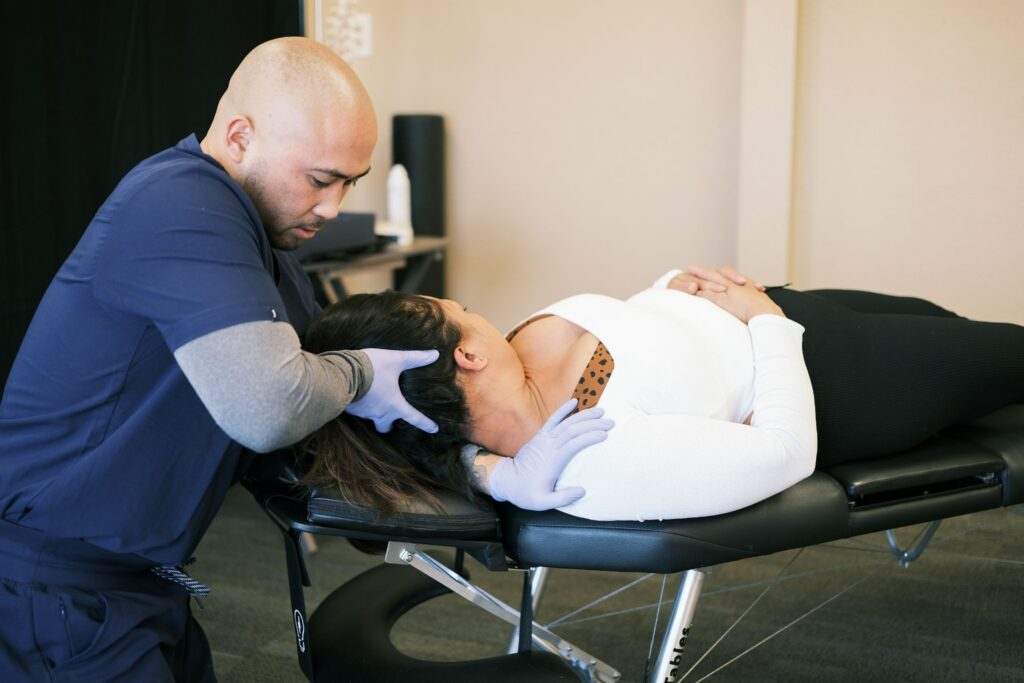
When dealing with persistent back pain, seeking professional guidance can be a crucial step toward recovery. Whether you're experiencing mild discomfort or severe pain, a healthcare professional can provide you with tailored solutions that address your specific needs.
Start by consulting your primary care physician. They can evaluate your condition and recommend appropriate tests or refer you to specialists, such as physical therapists or chiropractors.
Physical therapists focus on strengthening the muscles that support your spine, improving flexibility, and teaching you proper body mechanics. They'll create a personalized exercise plan that suits your situation, helping you regain mobility and alleviate pain.
Chiropractors, on the other hand, specialize in spinal adjustments. They can help correct misalignments and improve your overall spinal health.
Additionally, don't overlook the importance of pain management specialists. These experts can offer a range of treatments, from medications to injections, aimed at reducing your pain and improving your quality of life.
They often take a multidisciplinary approach, working alongside other professionals to create a thorough care plan.
Conclusion
In summary, unfastening tailored solutions for back pain relief is all about understanding your unique experience and triggers. By embracing personalized approaches, innovative treatments, and lifestyle changes, you can take charge of your pain management. Don't forget the power of the mind-body connection in your journey. Regularly assess your progress and seek professional guidance when needed. Together, these steps can lead to improved mobility and a healthier, more active life. You've got this!