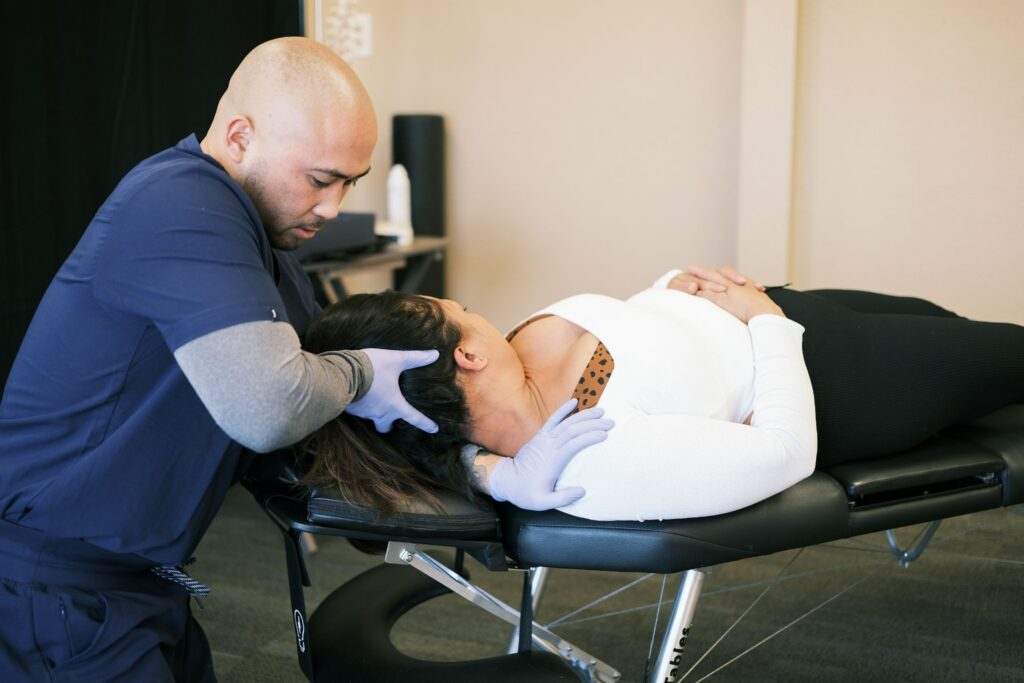

As a local chiropractor, I want to share with you that finding relief from back pain isn't merely about seeking quick fixes; it involves a holistic approach to your health. It's essential to understand the root causes of your discomfort. By focusing on your posture, strengthening your core, and adjusting your daily habits, you can build a strong foundation for long-lasting relief.
In my practice, I often see patients who are unaware of the benefits of chiropractic care. This natural healing method can help alleviate pain and restore mobility by aligning your spine and improving your overall well-being. Additionally, exploring alternative therapies, such as massage or acupuncture, can complement your chiropractic treatment, providing new avenues for comfort and healing.
So, what specific strategies can you implement to truly enhance your back health? Together, we can create a personalized plan that addresses your unique needs and empowers you to take charge of your wellness journey. Your path to a pain-free life may begin with a simple conversation about the potential of chiropractic care and the importance of a holistic approach to health.
Understanding Back Pain Causes
As a local chiropractor, I want to help you understand the various causes of back pain so you can find effective relief and improve your quality of life. Many individuals experience back pain due to a variety of factors, and you're not alone in this journey.
One common cause of back pain that I often see in my practice is muscle strain. This typically happens when individuals lift heavy objects incorrectly or make sudden, awkward movements. Such strains can lead to inflammation and discomfort, which is why it's crucial to be aware of your physical limits and practice safe lifting techniques.
Another issue I frequently encounter is herniated discs. This condition arises when the soft material inside your spinal discs bulges out, putting pressure on nearby nerves. The result can be sharp pain, numbness, or weakness in your legs. It's essential to understand that this is often a situation that can benefit from chiropractic care to relieve pressure and restore function.
Degenerative disc disease is another factor worth discussing. As we age, the discs in our spine can lose hydration and elasticity, leading to pain and stiffness. Chiropractic adjustments can be a natural and effective way to manage these symptoms and promote better spinal health.
Postural issues also play a significant role in back pain. If you find yourself sitting or standing for prolonged periods without proper support, your back muscles can become fatigued, leading to discomfort. I often recommend ergonomic adjustments and exercises to help strengthen your back and improve your posture.
Additionally, conditions such as arthritis or scoliosis can contribute to chronic back pain by affecting the structure and function of your spine. Chiropractic care can provide relief by improving alignment and mobility, which is vital for your overall well-being.
Identifying the specific cause of your back pain is critical for effective treatment. My goal as your chiropractor is to help you understand the underlying issue, whether it's a muscle strain, herniated disc, or another condition.
With this knowledge, we can work together to develop a tailored care plan that promotes healing and enhances your health naturally. Taking proactive steps toward relieving your pain can lead to a happier, healthier life.
Importance of Posture
As a local chiropractor, I want to emphasize how crucial your posture is for maintaining a healthy spine and overall well-being.
Many patients are surprised to learn that the way you hold your body affects not only your spine health but also how you feel throughout your day. By gaining insight into ergonomics—essentially the science of how to optimize your environment for your body—you can make simple changes that can lead to remarkable improvements in your comfort and health.
Incorporating exercises specifically designed to enhance your posture is another effective way to support your spine.
These exercises help strengthen the muscles that stabilize your back, providing a solid foundation for your overall health.
Remember, good posture isn't just about standing tall; it's about creating a balanced alignment that supports your body in everything you do.
If you're interested in learning more about how to improve your posture and, in turn, your overall health, I'm here to help guide you on this journey to a healthier spine and better quality of life.
Impact on Spine Health
As a local chiropractor, I want to shed some light on the crucial role that posture plays in maintaining your spine's health. Many people may not realize that the way you position your body can significantly affect the alignment of your spine and your overall wellness.
For instance, slouching or leaning forward can create undue stress on your vertebrae, leading to discomfort and potentially long-lasting damage.
Proper posture is essential because it helps distribute your body weight evenly, alleviating strain on your muscles and ligaments. When you sit or stand tall with good posture, you allow your spine to maintain its natural curves, which is vital for its proper function.
This alignment not only reduces your risk of injury but also enhances circulation and nerve function, allowing your body to operate at its best.
If you're experiencing back pain, I encourage you to consider how your posture may be contributing to your discomfort. Simple changes, such as pulling your shoulders back and aligning your head with your spine, can make a remarkable difference in relieving tension.
Remember, it's not just about the position you adopt; it's about being conscious of your body and posture throughout your day. By prioritizing good posture, you aren't just supporting your spine's health; you're also investing in your overall well-being.
Let's work together to ensure your spine stays healthy and strong!
Ergonomics in Daily Life
As a local chiropractor dedicated to promoting your health and well-being, I want to emphasize the importance of good ergonomics in your daily life. By being mindful of how you sit, stand, and move throughout the day, you can significantly improve your posture and overall health, ultimately preventing discomfort and long-term issues.
Let's start with your workspace. It's vital to have it set up correctly to support your body. Your chair should provide adequate support for your lower back, and your computer screen should be at eye level. This alignment will help you avoid straining your neck and hunching your shoulders, which can lead to chronic pain.
When sitting, aim to keep your feet flat on the floor and your knees bent at a right angle. If you find yourself on the phone frequently, consider using a headset instead of cradling the phone between your shoulder and ear—this small change can make a big difference in reducing neck strain.
When standing, try to distribute your weight evenly on both feet and avoid locking your knees. This simple adjustment can relieve pressure on your spine and help maintain your natural posture.
Lifting techniques are equally important. Always bend your knees and hold the object close to your body when lifting to minimize strain on your back. Remember, good posture isn't just about aesthetics—it's about how you feel and function in your daily life.
By incorporating these ergonomic principles into your routine, you can enhance your overall well-being and reduce the risk of back pain. As your chiropractor, I'm here to support you in achieving a healthier lifestyle through natural healing and proper body mechanics.
Let's work together to keep you feeling your best!
Exercises for Better Posture
As a local chiropractor, I want to take a moment to emphasize the importance of posture—it's often overlooked, yet it's crucial for your overall health and well-being.
Many people may not realize that poor posture can lead to not only back pain and muscle tension but also long-term issues that can affect your daily life. By integrating specific exercises into your routine, you can significantly improve your posture and alleviate discomfort.
Here are four effective exercises that I recommend to help you stand tall and feel your best:
- Wall Angels: This exercise is excellent for opening up your shoulders and improving posture. Stand with your back against a wall, arms at your sides. Slowly raise your arms while ensuring they maintain contact with the wall, then lower them back down. Aim to repeat this 10-15 times.
- Plank: This is a great way to strengthen your core, which plays a vital role in supporting your spine. Get into a push-up position but rest on your forearms instead. Hold this position for 20-30 seconds, focusing on keeping your body straight.
- Chest Opener: This stretch helps counteract the effects of slouching. Stand or sit comfortably, clasp your hands behind your back, and gently pull your shoulders back. Hold this position for 15-20 seconds to stretch your chest and help improve your upper back posture.
- Cat-Cow Stretch: This dynamic movement promotes flexibility in your spine. Begin on all fours and alternate between arching your back (like a cat) and sinking your belly toward the floor (like a cow). This not only helps to align your posture but also encourages mobility in your spine.
Incorporating these exercises into your routine on a regular basis can lead to a noticeable improvement in your posture and overall comfort.
As a chiropractor, I believe in the power of natural healing and the body's ability to thrive when given the right tools. If you have any questions or would like to learn more about how chiropractic care can further support your health, feel free to reach out!
Effective Stretching Techniques
As a local chiropractor dedicated to helping you achieve optimal health, I want to share how effective stretching techniques can significantly alleviate back pain. Incorporating stretching into your daily routine can enhance flexibility, improve circulation, and reduce muscle tension, all of which play a crucial role in easing discomfort.
Let's begin with some simple stretches that specifically target your lower back, hamstrings, and hip flexors. One of my favorites is the cat-cow stretch. To perform this stretch, get on your hands and knees, ensuring your wrists are aligned under your shoulders and your knees are under your hips. Inhale deeply as you arch your back, allowing your belly to drop toward the floor while looking slightly upward. Then, exhale and round your spine, tucking your chin to your chest. Repeat this sequence several times; it's a great way to release tension in your back.
Another excellent stretch to consider is the seated forward bend. Sit on the floor with your legs extended in front of you. Inhale, raising your arms overhead, and as you exhale, hinge at your hips to lean forward, reaching towards your feet. Hold this position for about 15-30 seconds, and you should feel a nice stretch in your lower back and hamstrings.
Don't overlook the benefits of the child's pose. Kneel on the floor, sit back on your heels, and stretch your arms forward on the mat. This gentle pose stretches your spine and helps alleviate tension, promoting relaxation.
I encourage you to incorporate these stretches into your daily routine, holding each for at least 15-30 seconds. By making stretching a regular habit, you'll not only promote better mobility but also reduce the risk of experiencing future back pain episodes.
As always, if you have any questions or need personalized guidance, don't hesitate to reach out to our office. Your journey to wellness is important to us!
Strengthening Your Core
As a local chiropractor, I want to emphasize the importance of strengthening your core for not only reducing back pain but also enhancing your overall stability.
Many patients may not realize that a strong core provides essential support for your spine, which is crucial for maintaining proper posture and preventing injuries.
Incorporating effective core exercises into your routine can significantly improve your health and well-being.
I encourage you to explore some of the best movements that can help you achieve a stronger core.
By doing so, you can take proactive steps towards better spinal health and a more active lifestyle.
Let's work together to build a foundation that supports your body naturally.
Importance of Core Strength
As a local chiropractor, I want to emphasize the crucial role that core strength plays in your overall back health and in preventing pain. A strong core supports your spine and helps distribute weight evenly, which significantly reduces the strain on your back muscles.
Here are four important reasons why developing your core strength is vital for your well-being:
1. Stability: When your core is strong, it stabilizes your pelvis and spine. This stability is key in maintaining proper posture and minimizing the risk of injury during everyday activities.
It's essential for keeping you aligned and functioning optimally.
2. Balance: A well-developed core enhances your balance, allowing you to perform movements with greater ease and less strain on your back. Maintaining good balance isn't only critical for preventing falls but also for ensuring you can engage in daily tasks without discomfort.
3. Movement Efficiency: Strengthening your core enables your body to move more efficiently. When you move efficiently, you reduce unnecessary stress on your back, which means you can participate in physical activities comfortably and confidently.
4. Pain Prevention: Focusing on core strength can help alleviate any existing back pain and prevent future issues. By supporting your spine and improving your alignment, a strong core plays a critical role in your overall pain management and recovery.
As your chiropractor, I encourage you to prioritize your core strength as part of your journey towards better health.
Effective Core Exercises
As a local chiropractor dedicated to your wellness, I want to emphasize the importance of building a strong core through effective exercises. A strong core not only stabilizes your spine but also supports good posture and can significantly relieve back pain, which is something we often address in our practice.
I recommend starting with planks. This exercise is simple yet powerful. Position yourself on your forearms and toes, maintaining a straight line from head to heels. Aim to hold this position for 30 seconds, gradually increasing the duration as your strength improves. Planks engage multiple muscle groups, helping to build endurance and stability.
Another great exercise is the bridge. Lie on your back with your knees bent and feet flat on the floor. Lift your hips up towards the ceiling, squeezing your glutes at the top of the movement. Hold for a few seconds before lowering back down. This exercise is particularly beneficial for strengthening your lower back and glutes, both of which are crucial for supporting your spine.
Don't overlook the dead bug exercise! Lie on your back with your arms extended straight up and your legs raised at a 90-degree angle. Lower one arm and the opposite leg towards the ground, then return to the starting position. This movement enhances coordination and stability, which are key components of a healthy core.
Lastly, I encourage you to incorporate bicycle crunches into your regimen. This dynamic exercise engages your entire core while promoting flexibility. Aim to perform these exercises at least three times a week, and you'll likely notice significant improvements in your core strength, which can help alleviate back pain.
Alternative Therapies to Consider
As a local chiropractor, I want to share how exploring alternative therapies can truly transform your approach to managing back pain. While traditional treatments can provide some relief, integrating these holistic options may help you achieve more comprehensive care.
Here are four therapies worth considering:
1. Acupuncture: This ancient technique involves the insertion of fine needles at specific points on the body. Many patients find that acupuncture helps reduce pain by enhancing blood flow and releasing endorphins, which can lead to significant relief from back pain.
2. Chiropractic Care: As a chiropractor, I focus on adjusting the spine and other joints to improve alignment and mobility. Regular chiropractic adjustments can lead to a marked decrease in pain over time, helping you move more freely and comfortably.
3. Massage Therapy: Therapeutic massage can effectively target tight muscles in your back and surrounding areas. It promotes relaxation while reducing tension and soreness.
Improved circulation from massage also supports the healing process, which is crucial for long-term recovery.
4. Yoga: Incorporating gentle yoga into your routine can greatly enhance flexibility and strengthen your core muscles. The emphasis on mindful breathing and relaxation techniques can also help manage stress, which often contributes to back pain.
Each of these therapies provides unique benefits, and they can be combined to enhance your overall treatment plan.
Before starting any new therapy, it's essential to consult with a healthcare professional to ensure they're appropriate for your specific condition.
By exploring these alternative therapies, you may discover the relief you've been seeking and reclaim your quality of life.
Lifestyle Changes for Prevention
As a local chiropractor, I want to share some essential lifestyle changes that can significantly reduce your risk of developing back pain. One of the most important factors is your posture. Whether you're working at a desk or simply standing in line, it's crucial to maintain a neutral spine.
I recommend using ergonomic furniture whenever possible and adjusting your workspace so that your computer screen is at eye level. This simple adjustment can help alleviate unnecessary strain on your back and promote overall spinal health.
Incorporating regular physical activity into your daily routine is another key aspect of preventing back pain. Aim for at least 30 minutes of moderate exercise most days. Activities such as walking, swimming, or cycling can strengthen your core and back muscles, providing better support for your spine.
Don't overlook the importance of flexibility and stretching exercises—they enhance your range of motion and help prevent stiffness, which is vital for maintaining a healthy spine.
Nutrition is also a fundamental piece of the puzzle. A balanced diet rich in fruits, vegetables, whole grains, and lean proteins supports your overall health, including your spinal health.
Staying well-hydrated is equally important, as proper hydration helps keep your spinal discs healthy and pliable, reducing the risk of pain and discomfort.
Lastly, prioritizing good sleep hygiene can't be overstated. Invest in a supportive mattress and adopt proper sleeping positions.
I often recommend sleeping on your side with a pillow between your knees or on your back with a pillow under your knees. These positions help maintain the natural curve of your spine, promoting better alignment and comfort throughout the night.
By making these small yet impactful lifestyle changes, you can take proactive steps toward preventing back pain and enhancing your overall well-being.
As always, if you have any questions or need personalized advice, please don't hesitate to reach out to me. Your spinal health is my priority!
Conclusion
As your local chiropractor, I want to emphasize that incorporating these strategies into your daily routine can significantly alleviate your back pain. Understanding the root causes of your discomfort, improving your posture, and strengthening your core are essential steps towards recovery. It's also important to consider alternative therapies, such as chiropractic adjustments, which can enhance your healing process. Additionally, making healthy lifestyle changes can further support your journey to a pain-free back. Remember, consistency is crucial. With commitment and the right approach, you can uncover the secrets to a healthier back and embrace a more active, fulfilling life. Let's start this journey together—take charge of your back health today!