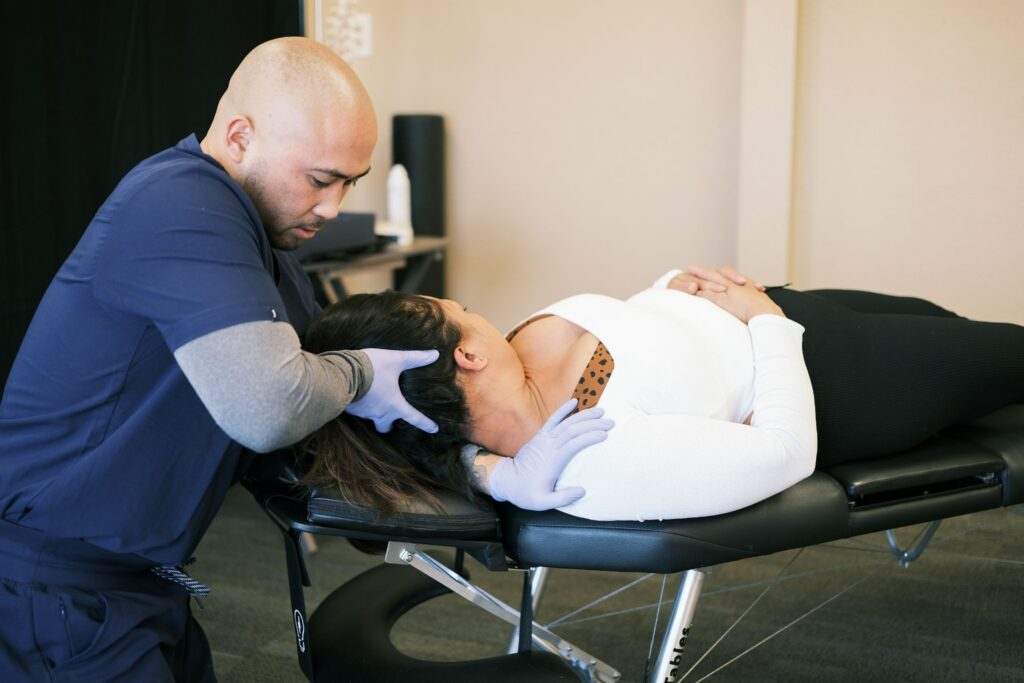

As a local chiropractor, I want to share with you just how much your spine's alignment can impact your mental well-being. Many people may not realize that chiropractic adjustments can significantly help alleviate anxiety. By correcting misalignments in your spine, we can enhance the function of your nervous system, which often leads to greater relaxation and mental clarity.
But that's not all! I encourage you to think about how combining chiropractic care with mindfulness techniques can further support your journey to managing anxiety. This holistic approach could uncover valuable insights into your overall well-being and help you navigate towards a calmer state of mind. Wouldn't you be interested in learning more about how these methods can work together for your benefit?
Understanding Anxiety Triggers
As a local chiropractor, I want to address an important aspect of your overall health: anxiety triggers. Many individuals experience anxiety that can arise from various sources, such as work stress, personal relationships, or unexpected changes in life. Understanding and identifying these triggers is crucial for managing anxiety effectively, and it can also complement the benefits of chiropractic care.
You may notice that certain situations make your heart race or create a tightness in your chest. These physical symptoms are your body's way of signaling that something isn't quite right. Just as chiropractic adjustments can help relieve physical tension, recognizing your anxiety triggers can aid in alleviating mental stress.
Take a moment to reflect on your daily life. Consider the scenarios that induce stress or anxiety. It could be a looming deadline, a challenging conversation with a colleague, or a social event that feels overwhelming. By identifying these specific triggers, we can work together to develop strategies that not only address the physical aspects of your health but also support your mental well-being.
I encourage you to keep a journal to track your feelings and reactions. Writing down when anxiety strikes can help reveal patterns in your triggers. You might discover that some situations consistently lead to anxious feelings, while others may catch you off guard. Recognizing these patterns is the first step toward taking control and enhancing your overall health.
Additionally, don't hesitate to talk to someone you trust about your experiences. Sharing your feelings can provide relief and may offer you new perspectives on your triggers. As your chiropractor, I'm here to support you in this journey.
Breathing Techniques for Relaxation
As a local chiropractor, I often emphasize the importance of holistic approaches to health and wellness, and breathing techniques are a valuable tool for relaxation and managing anxiety. By focusing on your breath, you can divert your attention from daily stressors and allow your body to achieve a state of calmness, which is essential for overall well-being.
One highly effective method I recommend is the 4-7-8 breathing technique. To practice this, inhale deeply through your nose for a count of four, hold that breath for seven counts, and then exhale slowly through your mouth for eight counts. Engaging in this cycle four times can help you feel more centered and relaxed, which is beneficial for both your mind and body.
Another technique I encourage is diaphragmatic breathing. Whether you're sitting or lying down comfortably, place one hand on your chest and the other on your belly. As you inhale through your nose, concentrate on expanding your diaphragm instead of your chest. You should notice your belly rising while your chest remains relatively stable. Exhale slowly through your mouth, feeling your belly fall. This method effectively activates your body's natural relaxation response, which can complement the benefits of chiropractic adjustments.
Box breathing is yet another technique that can ground you during stressful moments. Inhale for four counts, hold for four counts, exhale for four counts, and then hold your breath again for four counts. Repeating this pattern several times can help bring a sense of stability and calm.
Incorporating these breathing techniques into your daily routine can significantly reduce anxiety levels and enhance your overall health. Whether you're feeling overwhelmed by life's challenges or simply need a moment of tranquility, remember that your breath is a powerful ally in your journey to wellness.
I encourage you to give these techniques a try and experience how they can positively influence your state of mind and overall health.
Mindfulness and Meditation Practices
As a local chiropractor, I want to share how mindfulness and meditation practices can greatly aid in managing anxiety, complementing the chiropractic care you receive.
By integrating guided meditation techniques into your routine, you can improve your focus and foster a deeper sense of calm.
These natural healing methods can enhance your overall mental well-being and support the adjustments we make in the office.
Let's delve into how incorporating these practices can positively impact your health journey.
Benefits of Mindfulness
As a local chiropractor, I want to share how embracing mindfulness can significantly enhance your overall well-being, especially in managing daily stress and anxiety. When you incorporate mindfulness into your life, you're essentially training your mind to focus on the present moment. This practice allows you to observe your thoughts and feelings without judgment, which can be incredibly beneficial for your mental health.
One of the standout advantages of mindfulness is its capacity to reduce anxiety. By directing your attention to your breath or the physical sensations in your body, you create a mental pause that breaks the cycle of overwhelming thoughts. This interruption can lead to better emotional regulation, making it easier for you to handle stressors that come your way, including those related to physical discomfort.
Mindfulness also enhances self-awareness, which is vital in chiropractic care. By becoming more attuned to your body and its signals, you can recognize patterns and triggers that may contribute to pain or discomfort. This awareness empowers you to respond more thoughtfully to challenges rather than reacting impulsively, leading to a stronger sense of resilience in both your physical and mental health.
Moreover, research indicates that regular mindfulness practice can boost your overall well-being, lift your mood, and increase feelings of happiness. By integrating mindfulness into your daily routine, you can't only alleviate anxiety but also cultivate a deeper appreciation for the moments in life, including the health and wellness journey we embark on together in chiropractic care.
Let's work together to enhance your health holistically, combining the benefits of mindfulness with natural healing approaches.
Guided Meditation Techniques
Incorporating mindfulness into your daily routine can significantly benefit your overall well-being, especially when it comes to managing anxiety. As a chiropractor, I often emphasize the importance of a holistic approach to health, and guided meditation techniques can be a valuable addition to your self-care toolkit.
To begin, find a peaceful environment where you can comfortably relax without interruptions. There are numerous apps and online resources available that provide guided meditation sessions tailored to various needs. As you settle down, take a few deep, soothing breaths to help ground yourself and prepare your mind for the practice.
While following the guide's prompts, you may be encouraged to visualize serene landscapes or focus on your breath. If your thoughts begin to wander, don't be hard on yourself. Acknowledge those distractions and gently redirect your attention back to the guide's voice.
With regular practice, even just a few minutes a day, you may notice a significant decrease in your anxiety levels.
Feel free to explore different meditation styles to see what resonates with you—some individuals may find body scan meditations particularly effective, while others might prefer loving-kindness or mindfulness practices.
The important thing is to maintain consistency and discover what truly supports your journey towards peace and resilience. By integrating guided meditation into your routine, you can enhance your chiropractic care and cultivate a deeper sense of calm in your life.
The Power of Physical Activity
As a local chiropractor, I want to highlight the incredible benefits of physical activity, especially when it comes to managing anxiety. Engaging in regular exercise acts as a natural remedy, providing both immediate relief and long-term advantages for your mental health. When you move your body, it releases endorphins—your body's natural mood enhancers. This immediate effect can help calm your mind and sharpen your focus, making it easier to combat those anxious thoughts.
Whether you prefer a brisk walk, a lively run, or a gentle yoga session, moving your body can transform your mental state in just a few minutes. Incorporating physical activity into your daily routine can lead to significant improvements in your overall well-being. Consistency is essential; making exercise a regular part of your life can help reduce anxiety levels over time.
You don't need to engage in high-intensity workouts; even moderate activities like dancing, swimming, or gardening can have a profound impact. The most important factor is to choose activities you enjoy, which will help you stay committed.
Moreover, regular physical activity can provide a sense of structure and accomplishment in your life. Setting and achieving fitness goals can enhance your self-esteem and resilience, making it easier to cope with stressors that might otherwise trigger anxiety.
Exercise also fosters social connections, whether through group classes, team sports, or simply working out with friends. This sense of community can further alleviate feelings of isolation, enriching your mental health.
Nutrition's Role in Mental Health
As a local chiropractor committed to your overall health, I want to emphasize the crucial role nutrition plays in supporting mental health and managing anxiety. The foods you choose to fuel your body can significantly influence your mood and cognitive function. By adopting a balanced diet that focuses on whole foods, you can provide your brain with the essential nutrients it needs for optimal performance.
Incorporating omega-3 fatty acids, which are found in fish like salmon and in walnuts, can be particularly beneficial in reducing anxiety symptoms. These healthy fats are vital for brain health and help regulate neurotransmitters that stabilize your mood. Additionally, whole grains and leafy greens are packed with vital vitamins and minerals that promote overall mental well-being.
Let's not overlook the power of antioxidants! Including fruits and vegetables, such as berries and spinach, in your diet can combat oxidative stress—a factor that may contribute to anxiety. These foods help protect your brain cells and can enhance your mood.
Staying hydrated is also essential; make sure to drink plenty of water throughout the day. Dehydration can lead to fatigue and irritability, which can exacerbate feelings of anxiety.
Moreover, I encourage you to pay attention to your gut health. Recent research highlights a strong connection between gut bacteria and mental health. Including probiotics from sources like yogurt or fermented foods can support a healthy gut microbiome, which may help alleviate anxiety.
Lastly, I advise caution with sugar and processed foods. While they might offer a quick fix, they can lead to mood swings and increased anxiety over time. By focusing on nutrient-dense foods, you not only enhance your physical health but also cultivate a calmer, more balanced mind.
Establishing a Calming Routine
As a local chiropractor, I want to share how establishing a calming routine can significantly benefit your mental well-being and overall health. Many patients come to me looking for ways to manage anxiety and improve their quality of life, and creating a consistent daily practice can be a vital part of that journey. A structured routine fosters stability and predictability, which can help alleviate feelings of overwhelm that often accompany physical discomfort and stress.
Here are three essential components to consider incorporating into your routine to support your mental and physical health:
- Mindfulness or Meditation: Taking a few minutes each day to focus on your breath or engage in guided meditation can be incredibly grounding. This practice not only calms the mind but can also help reduce tension in the body, making it easier to achieve a state of relaxation and balance.
- Physical Activity: Regular exercise is crucial for both mental and physical health. Whether you prefer a brisk walk, yoga, or dancing, movement is key. It releases endorphins that elevate your mood and can aid in reducing anxiety. As a chiropractor, I often see the positive impact that physical activity has on my patients' overall well-being.
- Journaling: Taking time to reflect on your thoughts and feelings through journaling can be a therapeutic outlet. It allows you to process emotions and gain clarity, which can complement the physical adjustments you receive in my office. Writing can help you connect the dots between your mental state and physical health.
Creating a calming routine doesn't have to be complicated. Start with small, manageable practices that resonate with you, and gradually expand on what feels right.
Consistency is essential; aim to incorporate these elements into your daily life. Over time, you'll likely notice that these simple yet effective practices can enhance your mental resilience and contribute to a more tranquil state of mind.
Creating a Soothing Environment
Creating a soothing environment is essential for promoting overall well-being and reducing stress, which can directly impact your physical health. As a chiropractor, I often see how tension and anxiety can manifest in the body, leading to discomfort and misalignment. By fostering a calming atmosphere in your daily life, you can support your healing journey.
Start with decluttering your space. A tidy environment can lead to a clearer mind, which is especially important when you're focusing on healing. Make it a habit to remove any unnecessary items and designate a specific spot for everything. A clean and organized space can help reduce mental clutter and support your body's natural balance.
Next, pay attention to your lighting. Soft, warm lights can contribute to a sense of calm, while harsh fluorescent lights can increase anxiety levels. Opt for lamps with dimmers or soft white bulbs to create a cozy ambiance. If you can, let in natural light by keeping curtains open during the day; sunlight can positively influence your mood and energy levels, which is vital for recovery.
Sound is another important factor in creating a peaceful environment. Consider playing calming music or nature sounds to help soothe your mind and body. If you find that external noises are disruptive, a white noise machine can be beneficial. Gentle background sounds can create an environment that supports relaxation and healing.
Aromatherapy can also play a significant role in enhancing your space. Scents like lavender, chamomile, and sandalwood are known for their calming properties. Using essential oil diffusers or lighting scented candles can help create an inviting atmosphere that promotes tranquility and reduces stress.
Lastly, surround yourself with elements that bring you joy and comfort. Whether it's a cherished piece of art, soft blankets, or houseplants, having items that make you feel at ease can greatly contribute to your mental and physical well-being.
Connecting With Nature
As a local chiropractor, I often emphasize the importance of holistic health and the vital role that connecting with nature plays in reducing anxiety and enhancing overall well-being. Many of my patients may not realize that stepping outside, even for a brief moment, can serve as a powerful tool to alleviate stress and promote a sense of calm.
Nature has a unique ability to ground us, helping to clear the mind and allow worries to fade away.
Here are a few ways you can connect with nature that may complement your chiropractic care and support your journey to wellness:
- Take a Walk: Engaging in a walk, whether through a nearby park or along a nature trail, offers both physical activity and mental rejuvenation. The simple act of moving amidst trees and flowers can boost your spirits and help decrease feelings of anxiety, which is beneficial for your overall health.
- Practice Mindfulness Outdoors: Find a quiet spot in nature, sit or stand comfortably, close your eyes, and pay attention to the sounds, scents, and sensations around you. This mindfulness practice can help anchor you in the present moment and alleviate racing thoughts, supporting both your mental and physical well-being.
- Gardening: Getting your hands in the soil and tending to plants can be incredibly therapeutic. Gardening not only connects you to the earth but also provides a rewarding experience as you witness your efforts come to life.
This nurturing activity can complement your chiropractic treatments by promoting relaxation and a sense of accomplishment.
Incorporating these natural practices into your daily routine can enhance the benefits of chiropractic care and contribute to a more balanced, healthy lifestyle.
Seeking Professional Support
When anxiety feels overwhelming, exploring holistic approaches like chiropractic care can be an essential step towards finding relief.
Chiropractic therapy focuses on the relationship between the spine and the nervous system, which can significantly impact your overall well-being. By addressing physical misalignments, we can help improve your body's function and promote a sense of calm.
There are various techniques and treatments within chiropractic care, and discovering the right approach for your needs can truly enhance your healing journey.
Let's delve into the benefits of chiropractic care and how you can connect with a local practitioner who's dedicated to supporting your mental and physical health.
Types of Therapy
Chiropractic care offers a holistic approach to help you manage anxiety and improve your overall well-being. When you consider professional support through chiropractic, you might discover various techniques designed to address your specific needs.
Here are three common methods we utilize:
- Cognitive Behavioral Techniques: While chiropractic primarily focuses on physical health, we also understand the importance of mental well-being. By encouraging patients to identify and alter negative thought patterns related to their physical discomfort, we can help you develop healthier ways of thinking. This can enhance your coping strategies and contribute to reducing anxiety.
- Mindfulness and Relaxation Techniques: In our practice, we often incorporate mindfulness strategies that emphasize being present and accepting your feelings without judgment. Techniques such as deep breathing exercises and guided relaxation can complement your chiropractic adjustments, helping to alleviate stress and promote mental clarity.
- Gradual Exposure to Movement: If your anxiety is tied to certain physical activities or movements, we may recommend a gradual exposure approach. This involves safely introducing you to those movements in a supportive environment. Over time, this can empower you to overcome physical limitations and face challenges with greater confidence.
Each of these methods offers unique benefits, and exploring them with a qualified chiropractor can help you find the best fit for your journey toward relief and calmness.
Finding the Right Professional
Finding the right professional to support your journey toward wellness can significantly enhance your overall experience, especially when it comes to managing issues like anxiety. As a local chiropractor, I want to help you understand how chiropractic care can play a role in your mental and physical health.
First, it's essential to identify what type of support you're seeking for your well-being. Chiropractic care focuses on the connection between your spine and nervous system, which can impact your anxiety levels. Many patients find that a combination of chiropractic adjustments and lifestyle changes can help alleviate their symptoms.
Next, consider the credentials and specialties of potential chiropractors. Look for licensed professionals who've experience in treating not just musculoskeletal issues, but also those who understand the mind-body connection and how it relates to anxiety. Reading reviews or asking for recommendations from friends and family can help you find someone who aligns with your needs.
Once you've narrowed down your options, don't hesitate to schedule an initial consultation. This is your opportunity to see if you feel comfortable with the chiropractor. Pay attention to how they listen to your concerns and address your questions; you want someone who acknowledges your feelings and provides thoughtful insights into how chiropractic care can benefit you.
Finally, trust your instincts. If a chiropractor doesn't feel like the right fit, it's perfectly okay to explore other options. Your comfort and the connection you build with your chosen professional are crucial for effective treatment.
Conclusion
As a local chiropractor, I want to share how incorporating chiropractic adjustments into your routine can significantly help manage anxiety. Many people are unaware that physical misalignments can impact the function of your nervous system, which plays a crucial role in how we experience stress and anxiety. By addressing these misalignments through chiropractic care, you can tap into a deeper sense of calm.
In addition to our adjustments, I encourage you to explore mindfulness techniques, breathing exercises, and create a soothing environment at home. These practices, combined with chiropractic care, can greatly enhance your mental well-being.
Remember, you don't have to navigate this journey alone. Seeking professional support, whether through chiropractic care or other mental health resources, can make a significant difference in building resilience and finding peace. I'm here to help you every step of the way on your path to wellness.