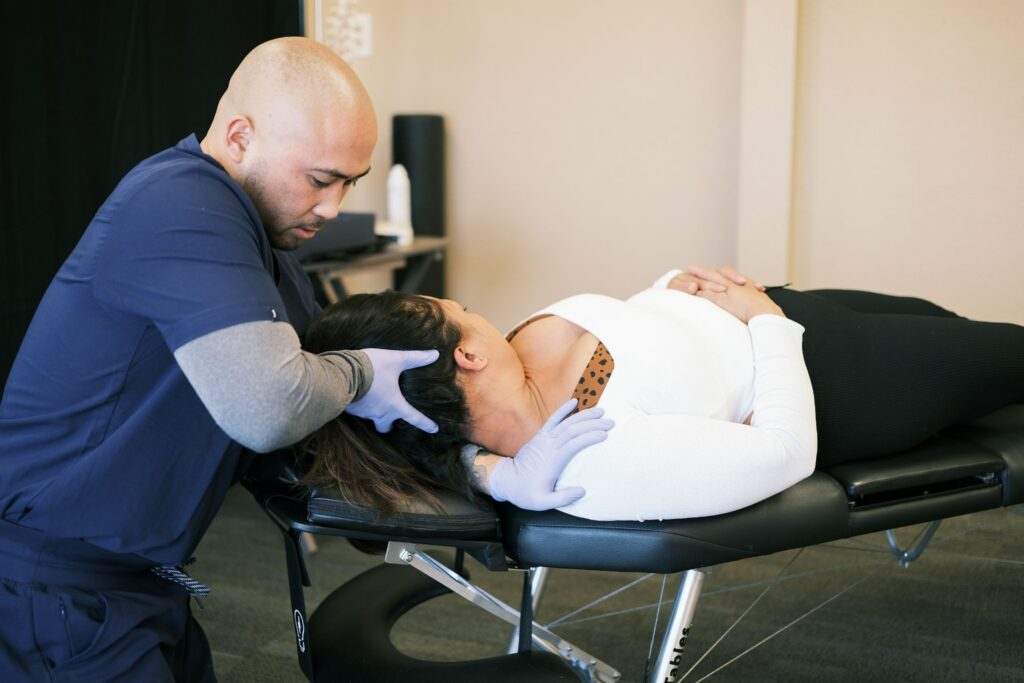

As a local Chiropractor, I want to assure you that if you’re dealing with back pain, you are not alone. Many individuals experience discomfort that can interfere with their daily activities. Thankfully, there are natural techniques available that can help relieve this pain without the need for medication.
It’s important to understand the underlying causes of your back pain, and that’s where chiropractic care comes in. By focusing on the alignment of your spine and the overall health of your musculoskeletal system, we can address these issues effectively. Incorporating specific exercises and mindfulness practices into your routine can further enhance your recovery and promote a healthier back.
Are you ready to discover how simple lifestyle changes, combined with chiropractic adjustments, can lead to significant relief? Let’s explore the strategies that can truly make a difference in your journey to a pain-free life.
Understanding Back Pain: Causes and Symptoms
As a local chiropractor, I understand that back pain can often feel like an unwelcome companion, making even the simplest daily tasks feel like a challenge. Many of my patients describe their discomfort as ranging from a dull ache to sharp, shooting pains.
It’s important to recognize that understanding the causes of your back pain is crucial to finding effective relief. Common causes of back pain that I encounter in my practice include poor posture, muscle strain, and issues like herniated discs.
If you find yourself sitting for extended periods or lifting heavy objects without the right technique, it’s no wonder your back may be sending distress signals. Additionally, factors such as age, obesity, and a sedentary lifestyle can contribute significantly to your discomfort.
I also want to highlight that stress and anxiety can lead to muscle tension, which can worsen your pain. You may notice that certain movements or periods of inactivity exacerbate your symptoms. By identifying these patterns, you can help me provide targeted care that aligns with your unique situation.
As your chiropractor, my goal is to help you understand the underlying causes and symptoms of your back pain. Through natural healing methods and adjustments, we can work together to manage your pain effectively, allowing you to reclaim your daily activities and improve your quality of life.
The Power of Stretching: Techniques for Relief
As a local chiropractor dedicated to your well-being, I want to share with you the transformative power of stretching when it comes to alleviating back pain. Many of my patients have experienced remarkable relief simply by incorporating specific stretches into their daily routines.
It’s important to understand not just the stretches themselves, but also the timing and frequency that work best for your body.
Let’s delve into some effective techniques that I’ve found can significantly ease discomfort and promote a healthier spine. With a little dedication to these natural healing practices, you may find yourself on the path to improved comfort and mobility.
Essential Stretches for Relief
As a local chiropractor, I want to share with you some essential stretches that can be incredibly beneficial for relieving back pain and enhancing your mobility.
It’s important to focus on stretches that specifically target your lower back, hips, and hamstrings. For instance, the cat-cow stretch is a fantastic way to warm up your spine, while the child’s pose can gently release built-up tension in your back.
Incorporating a seated forward bend into your routine can effectively stretch both your hamstrings and lower back, providing much-needed relief. The figure-four stretch is another excellent option, as it helps to open up your hips, which can further alleviate discomfort.
Additionally, don’t overlook the standing quadriceps stretch; maintaining flexibility in your legs is essential for supporting your back.
I recommend holding each stretch for about 15-30 seconds while focusing on deep, calming breaths to enhance your relaxation.
By regularly practicing these stretches, you can work towards creating a more balanced body, ultimately reducing pain and improving your range of motion.
Embrace these movements as part of your journey towards natural healing and lasting relief.
Timing and Frequency Matters
As a local chiropractor, I want to share how important timing and frequency are in enhancing the effectiveness of your stretching routine.
To help alleviate back pain, I recommend incorporating stretching into your daily life several times a day, particularly after you’ve been sitting for long periods or after engaging in physical activities.
Starting your day with morning stretches can effectively wake up your muscles, while stretching in the evening can help you unwind and relax before bed.
When you stretch, aim to hold each position for 15 to 30 seconds, and remember to breathe deeply. This not only promotes relaxation but also helps your body get the most out of each stretch.
Integrating gentle stretches into your daily routine can significantly reduce stiffness and improve your flexibility.
It’s important to listen to your body; if you experience any pain, don’t hesitate to modify your technique or the frequency of your stretches.
Consistency is crucial—aim to stretch at least five times a week for optimal results.
Mindfulness and Meditation: Reducing Pain Perception
As a local chiropractor, I want to share some valuable insights about managing back pain through natural methods like mindfulness and meditation. Many of my patients find that while back pain can be quite daunting, incorporating these techniques into their daily routines can significantly shift how they perceive discomfort.
Mindfulness and meditation help you stay anchored in the present moment, which allows you to step back from the incessant thoughts surrounding your pain. By practicing mindfulness, you can become more attuned to your body and its sensations without passing judgment. This increased awareness often leads to a decrease in the intensity of pain.
Meditation is another powerful tool that promotes relaxation and deep breathing, which can help reduce stress and cultivate a sense of calm. When you meditate, you essentially train your mind to redirect its focus, enabling you to manage your pain more effectively.
I encourage you to carve out just a few minutes each day to practice mindfulness or meditation. Whether you choose to sit in silence, concentrate on your breath, or follow guided sessions, you may discover that these approaches create a mental environment where pain feels less overwhelming.
The Importance of Posture: How to Sit and Stand Correctly
As a local chiropractor, I want to emphasize the vital role that good posture plays in maintaining a healthy spine and preventing back pain. Many of my patients are surprised to learn that simple adjustments in how they sit and stand can significantly enhance their comfort and overall health.
Here are some essential tips to help you improve your posture:
- When sitting, ensure your feet are flat on the ground, with your knees forming a right angle. This helps distribute your weight evenly and reduces strain on your back.
- While standing, aim to align your ears, shoulders, and hips in a straight line. This alignment is crucial for minimizing stress on your spine.
- Engage your core muscles to provide support for your lower back. A strong core is key to maintaining good posture and preventing injuries.
- Be mindful of your posture when using electronic devices. Avoid slouching or leaning forward, as this can lead to discomfort and long-term issues.
- Remember to take regular breaks to stretch and reposition yourself throughout the day. Movement is essential for spinal health.
By incorporating these practices into your daily routine, you can experience a notable improvement in how you feel.
Good posture isn’t only about looking confident; it’s fundamentally about supporting your spine and preventing pain. I encourage you to make these adjustments today and take the first steps towards a healthier, pain-free lifestyle!
If you have any questions or need further guidance, feel free to reach out—I’m here to help!
Ergonomic Adjustments: Creating a Pain-Free Workspace
As a local chiropractor, I want to share some important insights on how to create a pain-free workspace, which is crucial for your overall health and well-being.
One of the key factors to consider is the setup of your desk and your seating position. Proper alignment is essential, and making adjustments to your desk height and chair can significantly help in preventing back pain and discomfort.
Ergonomic adjustments aren’t just about comfort; they play a vital role in enhancing your productivity and overall health. By aligning your workstation to fit your body, you can reduce strain on your muscles and joints, thereby minimizing the risk of developing chronic pain.
Let’s take a closer look at how these simple changes can lead to a more comfortable and pain-free work environment.
Desk Setup Essentials
As a local chiropractor, I want to emphasize the importance of creating a pain-free workspace, especially for those of you who spend long hours at a desk.
An improper desk setup can lead to chronic back pain and other musculoskeletal issues. Here are some essential tips to improve your desk ergonomics and promote better health:
- Monitor height: It’s crucial to position your monitor at eye level. This simple adjustment can significantly reduce neck strain and discomfort over time.
- Keyboard placement: Ensuring your keyboard is at elbow height is vital. This helps prevent wrist discomfort and promotes better posture while you type.
- Mouse accessibility: Keep your mouse close to your keyboard to make it easily reachable. This minimizes unnecessary arm movements and strain.
- Desk depth: Your desk should allow you to sit back comfortably while typing. This positioning helps maintain a natural curve in your spine and reduces the risk of back pain.
- Lighting: Proper lighting is essential to minimize glare on your screens. Good lighting not only enhances visibility but also reduces eye strain, which can lead to headaches and discomfort.
By making these adjustments, you can create a workspace that supports your overall well-being and helps prevent chronic pain.
Proper Seating Position
As a local chiropractor, I often see patients who are unaware of how crucial proper seating position is for their overall well-being and pain prevention. Many people don’t realize that the way you sit can have a significant impact on your spine health.
To promote a healthy posture, it’s important to start by adjusting your chair. Ensure that your feet are flat on the ground, with your knees forming a 90-degree angle. This positioning helps to distribute your weight evenly and reduces strain on your back. Your chair should support your entire back, allowing for a slight curve that aligns with the natural shape of your spine.
When working at a computer, position your screen at eye level and about an arm’s length away. This minimizes neck strain and helps maintain a relaxed posture. Keep your elbows close to your body, bent at a 90-degree angle while typing, as this further supports your arms and shoulders.
Additionally, I can’t stress enough the importance of taking regular breaks. Stand up, stretch, and walk around every so often. These simple ergonomic adjustments can significantly alleviate discomfort and boost your productivity throughout the day.
Strengthening Exercises: Building a Resilient Back
As a local chiropractor, I understand how debilitating back pain can be, and I’m here to help you discover the benefits of strengthening exercises for your spinal health.
By incorporating these exercises into your routine, you can’t only find relief from discomfort but also build a resilient back that helps prevent future issues.
Here are some effective exercises I recommend:
- Planks: These are fantastic for strengthening your core muscles, which play a crucial role in supporting your spine.
- Bridges: This exercise activates your glutes and lower back, enhancing stability and reducing strain on your spine.
- Bird-Dogs: A great way to improve your balance and coordination while engaging your core, which is essential for a healthy back.
- Supermans: This exercise targets both your upper and lower back muscles, promoting overall strength and support.
- Seated Rows: Building strength in your upper back is vital for maintaining proper posture, which can significantly alleviate back pain.
I encourage you to start slow and focus on proper form to avoid injury.
Consistency is key; aim to incorporate these exercises a few times a week.
As you build strength, you may notice a reduction in pain and an increased ability to perform daily activities with ease.
Alternative Therapies: Exploring Acupuncture and Massage
As a local chiropractor, I want to help you understand how strengthening exercises can enhance your back health, but it’s important to know that there are additional avenues for relief that you mightn’t be aware of.
Alternative therapies such as acupuncture and massage can offer significant benefits in managing back pain.
Acupuncture is a technique that involves the insertion of thin needles into specific points on your body. This practice promotes natural healing and can help reduce inflammation. Many patients report that acupuncture not only alleviates pain but also improves their overall sense of well-being.
Massage therapy is another fantastic option, focusing on relieving muscle tension and stress. By targeting tight areas in your back, massage helps to relax those muscles.
There are various techniques available, including deep tissue and trigger point massage, which can hone in on specific pain points to enhance blood flow and stimulate healing.
Integrating these alternative therapies with your strengthening exercises can create a comprehensive approach to back care.
If you’re considering acupuncture or massage, I encourage you to consult with a licensed practitioner. Together, we can develop a personalized plan that addresses your unique needs and opens up new possibilities for natural pain relief.
Lifestyle Changes: Nutrition and Hydration for Back Health
As a local chiropractor, I want to emphasize the crucial connection between nutrition, hydration, and the health of your back. Many people overlook how much what they consume impacts their spinal health and overall well-being.
Here are some important considerations to keep your back in optimal condition:
- Stay Hydrated: Drinking enough water is vital for keeping your spinal discs hydrated. Proper hydration helps them function effectively and can alleviate discomfort.
- Eat Anti-Inflammatory Foods: Foods like berries, fatty fish, and leafy greens can significantly reduce inflammation in the body. Incorporating these into your diet may help relieve pain and improve mobility.
- Limit Processed Foods: It’s beneficial to minimize your intake of sugars and refined carbohydrates. These can contribute to inflammation and exacerbate back pain, so focusing on whole, natural foods is key.
- Prioritize Calcium and Vitamin D: These nutrients are essential for strong bones. Including sources like dairy products, fortified foods, or appropriate supplements can support your skeletal structure and enhance your spinal health.
- Maintain a Balanced Diet: A well-rounded diet rich in various nutrients is vital for building muscle strength and supporting your overall health. This balance not only aids in recovery but also helps prevent future issues.
By making these dietary adjustments, you can take significant steps toward improving your back health and enhancing your overall quality of life.
If you have questions about how these changes can complement your chiropractic care, don’t hesitate to ask during your next visit!
Conclusion
As a local chiropractor, I want to share with you some effective natural pain relief techniques that can significantly improve your back health. It’s essential to incorporate stretching into your daily routine, as it promotes flexibility and alleviates tension in your muscles. Strengthening your core is also crucial, as a strong core supports your spine and helps prevent pain.
Mindfulness practices can further aid in managing discomfort; being aware of how you carry your body throughout the day can make a big difference. Pay attention to your posture—good alignment not only helps relieve current pain but also prevents future issues.
Creating an ergonomic workspace is another vital step. Adjusting your desk, chair, and computer setup can help you maintain a healthy posture while you work.
Additionally, consider small lifestyle changes that can enhance your overall health. A balanced diet rich in anti-inflammatory foods and staying adequately hydrated can contribute to your well-being and help in pain management.
With dedication to these practices, you can achieve a more resilient, pain-free back and enhance your quality of life. Remember, chiropractic care can support you in this journey, providing tailored adjustments and guidance to help you on your path to wellness.