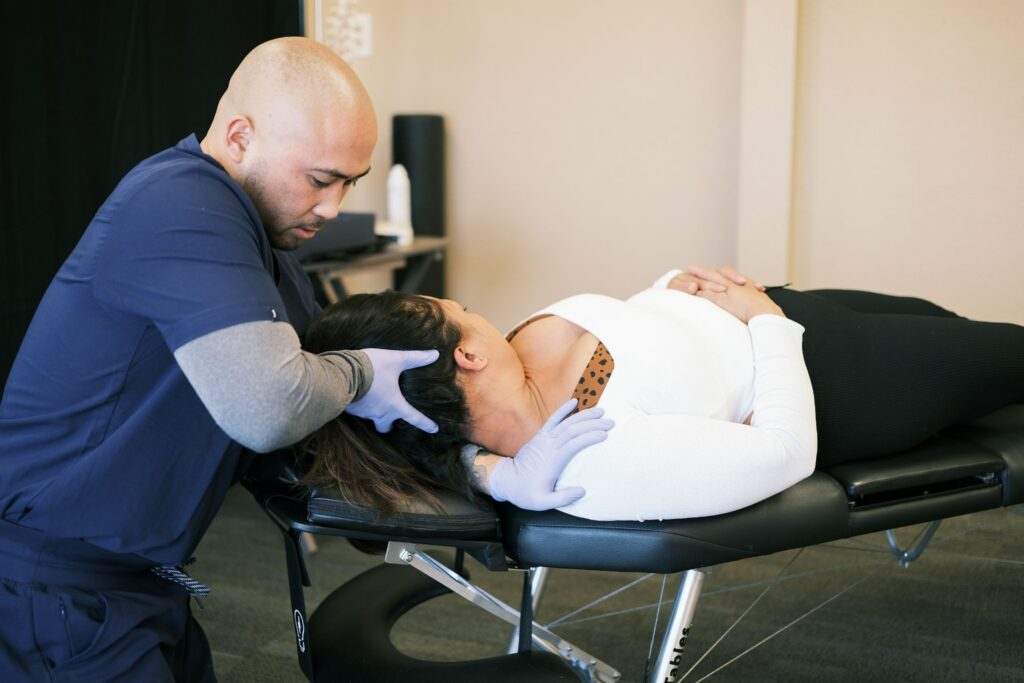

As a local chiropractor, I understand that many of you may be feeling frustrated with persistent back pain, and it may seem like you’ve exhausted all your options. However, I want to share that the answers to your discomfort might not be as straightforward as you think. By considering often overlooked aspects such as your posture, nutritional habits, and the importance of mindful movement, we can uncover new avenues for relief.
In my practice, I’ve seen how these factors can significantly impact your back health. For instance, maintaining good posture while sitting, standing, or even sleeping can alleviate unnecessary pressure on your spine. Additionally, what you eat plays a crucial role in your body’s ability to heal and function properly. Lastly, integrating mindful movement practices can enhance your flexibility and strength, reducing the likelihood of injury.
Let’s work together to explore how these elements intertwine, transforming your approach to back health. Through chiropractic care combined with lifestyle adjustments, you can pave the way to a more comfortable, active, and fulfilling life. Remember, relief is possible, and it often starts with a holistic view of your well-being.
Understanding the Causes of Back Pain
As a local chiropractor, I want to help you understand that when you experience back pain, recognizing its causes is a vital first step toward finding relief.
Back pain can arise from various factors, including muscle strains and more serious conditions like herniated discs. One common culprit I often see is poor lifting techniques; it’s crucial to use your legs to support your back when lifting heavy objects to prevent injury.
Additionally, if you spend long periods sitting or standing, this can create tension in your muscles, leading to discomfort. Stress can also play a role, as it can physically manifest in the form of muscle tightness and pain.
You might also be surprised to learn that repetitive motions or sports injuries can contribute significantly to your back pain. Conditions such as arthritis or scoliosis may also be at play.
By identifying the source of your discomfort, we can address it directly during your chiropractic care sessions.
I encourage you to pay attention to your daily activities and habits, as these may hold the key to your relief. By understanding the underlying causes of your back pain, you can make informed choices that not only alleviate your discomfort but also promote your long-term health and well-being.
Together, we can work towards a healthier, pain-free lifestyle through natural healing methods.
The Role of Posture in Back Health
As a local chiropractor, I want to emphasize the critical role that maintaining good posture plays in your back health. Many people aren’t aware that proper alignment can significantly prevent pain from worsening and even help alleviate existing discomfort. When you sit or stand with good posture, you allow your body weight to be evenly distributed across your spine. This not only reduces strain on your muscles and ligaments but also lowers your risk of injury.
To enhance your posture, I encourage you to be mindful of your positioning throughout the day. Focus on keeping your shoulders back, your chest open, and your head aligned over your spine.
If you find yourself sitting for extended periods—perhaps at work or during leisure—consider investing in ergonomic chairs or standing desks that provide the necessary support for your back.
It’s also essential to regularly check in with your body. If you catch yourself slouching or hunching, correct it right away. Developing good posture habits may take time and practice, but the positive impact on your back health is well worth the effort.
Incorporating Movement and Exercise
As a local chiropractor, I want to share with you how incorporating movement and exercise into your daily routine can significantly alleviate back pain. Many of my patients discover that engaging in regular physical activity, practicing effective stretching techniques, and strengthening core muscles are essential components to improving back health.
Movement is vital; it promotes flexibility and circulation, which are crucial for maintaining a healthy spine. Stretching can help release tension in the muscles surrounding the back, making it easier to move without pain.
Additionally, a strong core provides stability and support for your spine, reducing the likelihood of injury.
Let’s dive deeper into how these elements work in harmony to enhance your overall well-being and empower you to take charge of your back health.
Benefits of Regular Movement
As a local chiropractor, I want to emphasize the importance of regular movement for your overall health, particularly in alleviating back pain. Engaging in physical activity isn’t just about exercise; it’s about strengthening your muscles, enhancing flexibility, and promoting proper posture—all of which play a crucial role in spinal health.
When you incorporate regular movement into your routine, your body becomes more resilient, which can significantly lower your risk of injury. Activities such as walking, swimming, or cycling can help maintain healthy spinal alignment and support your body’s natural healing processes.
Additionally, consistent movement increases blood flow to your muscles, which aids in recovery and reduces stiffness. You may notice that as you move regularly, your energy levels and mood improve, making it easier to handle daily activities.
You don’t need to engage in intense workouts to reap these benefits. Even short, consistent bursts of activity can create a meaningful impact on your well-being.
Effective Stretching Techniques
As a local chiropractor, I want to share some effective stretching techniques that can greatly help alleviate back pain and improve your overall well-being. Many people aren’t aware of how beneficial stretching can be in enhancing comfort and mobility, so let’s explore some gentle approaches together.
One of the first stretches I recommend is the cat-cow pose. This simple movement is excellent for increasing flexibility in your spine and can be easily done at home.
Another great option is the child’s pose, which specifically targets tension in the lower back. This stretch allows for a gentle release of built-up stress in that area.
I also encourage incorporating the seated forward bend into your routine. This stretch is particularly effective as it simultaneously stretches both your hamstrings and lower back, providing a comprehensive approach to alleviating discomfort.
When performing these stretches, aim to hold each position for at least 15-30 seconds while breathing deeply. This not only enhances relaxation but also helps your body to fully benefit from the stretch.
As you grow more comfortable with these techniques, feel free to gradually increase both the intensity and duration of your stretches.
Consistency is vital in any healing process, so I recommend making stretching a daily habit. By integrating these techniques into your routine, you’ll not only promote better posture but also significantly reduce discomfort.
Ultimately, this will pave the way for improved overall back health, fostering a natural path to healing and wellness. If you have any questions or need personalized guidance, don’t hesitate to reach out during your next visit!
Strengthening Core Muscles
As a local chiropractor, I want to emphasize the importance of strengthening your core muscles for maintaining a healthy back. A strong core acts as the foundation for your spine, providing the stability and support it needs to function properly.
Incorporating exercises such as planks, bridges, and abdominal crunches into your routine can significantly enhance your core strength and overall well-being. I recommend aiming to perform these exercises at least three times a week.
If you’re just starting out, begin with a few repetitions and gradually increase as your strength improves. It’s also essential to engage your core during everyday activities—whether you’re sitting at your desk or lifting groceries—this practice helps reinforce good habits that can benefit your spine.
In addition to traditional strength exercises, consider exploring yoga or Pilates. These activities not only enhance core stability but also improve your flexibility, which is vital for maintaining a healthy spine.
The Benefits of Mindfulness and Stress Management
As a local chiropractor, I understand that back pain can often feel overwhelming. However, I want to share with you how incorporating mindfulness and stress management techniques into your daily routine can significantly enhance your overall well-being.
Practicing mindfulness allows you to stay present and observe your pain without judgment, which can reduce anxiety and foster a sense of control over your circumstances.
Engaging in stress management practices, such as deep breathing exercises or meditation, can help lower cortisol levels in your body. Elevated cortisol can lead to muscle tension, particularly in your back, exacerbating your discomfort.
By regularly incorporating these techniques into your life, you can cultivate a more positive mindset that enables you to cope more effectively with your pain.
Mindfulness also encourages gentle movement and a heightened awareness of your body, which is essential in preventing further injury. As you learn to manage stress, you may notice a decrease in pain and an improvement in your mobility.
I encourage you to prioritize mindfulness and stress management in your daily routine—it could be a transformative step toward finding relief from your back pain and enhancing your overall health.
If you have any questions about how chiropractic care can complement these practices, I’m here to help!
Nutrition’s Impact on Back Pain
As a local chiropractor, I want to emphasize the significant role that proper nutrition plays in managing back pain. The foods you eat can have a direct impact on inflammation and muscle health, which are crucial for maintaining a healthy back. Incorporating a diet rich in anti-inflammatory foods—think colorful fruits, fresh vegetables, and whole grains—can help alleviate pain and discomfort.
Omega-3 fatty acids, which are abundant in fish and flaxseeds, are particularly beneficial for reducing inflammation in the body. On the other hand, it’s important to be mindful of certain foods that can exacerbate your pain. Processed foods, sugary snacks, and excessive alcohol consumption can lead to increased inflammation, which may worsen your back pain.
Hydration is another essential factor to consider. When your body is dehydrated, it can lead to muscle cramps and tension, further complicating your back pain issues.
Don’t forget about the power of vitamins and minerals! Calcium and vitamin D are vital for maintaining strong bones, while magnesium plays a key role in muscle function.
By focusing on a balanced diet filled with nutrient-dense foods, you can greatly support your back health.
Exploring Alternative Therapies and Treatments
As a local chiropractor, I want to share some valuable insights about alternative therapies and treatments that can provide relief from back pain, especially for those who may not be familiar with chiropractic care and holistic healing methods.
One of the key approaches we utilize in our practice is spinal manipulation, which focuses on aligning the spine to enhance your overall function and alleviate discomfort. Many patients report significant improvements in their pain levels and mobility after receiving chiropractic adjustments.
In addition to adjustments, I often recommend incorporating practices like yoga and Pilates into your routine. These exercises not only build strength and flexibility but also promote relaxation, which can be incredibly beneficial for your back. By improving your posture and reducing muscle tension, you can create a more supportive environment for your spine.
Massage therapy is another effective option to consider. Whether you prefer deep tissue or Swedish massage, these techniques can release tight muscles and improve circulation, helping to relieve pain and promote healing.
I also encourage the use of natural herbal remedies, such as turmeric and ginger, which are known for their anti-inflammatory properties. These can complement your chiropractic care and contribute to your overall well-being.
Lastly, don’t underestimate the power of mindfulness and meditation. These practices can help you manage pain by reducing stress and enhancing your mental health, making it easier for your body to heal.
Conclusion
As a local chiropractor, I want to share some valuable insights about finding relief from back pain through a holistic approach. It’s essential to prioritize good posture in your daily activities, as this can significantly reduce strain on your spine. Regular movement is also crucial—think of it as keeping your body in motion to promote flexibility and strength.
Incorporating mindfulness practices, such as meditation or deep breathing exercises, can help you manage stress, which often contributes to tension and discomfort in the back. Additionally, the foods you eat play a vital role in your healing journey. Opt for anti-inflammatory foods, like fruits, vegetables, and whole grains, to support your body’s natural recovery processes.
I also encourage you to consider exploring alternative therapies. Yoga can improve flexibility and strengthen your core, while chiropractic care focuses on aligning your spine and improving overall function. By integrating these practices into your routine, you can pave the way for a healthier spine and a more comfortable life. Remember, your journey to back pain relief is a collaborative effort, and I’m here to guide you every step of the way.