When you face a sports injury, it's easy to feel overwhelmed by the options for recovery. But what if you could tap into natural healing methods that not only speed up your recovery but also enhance your overall performance? By focusing on nutrition, herbal remedies, and tailored physical therapy techniques, you can create a holistic approach that aligns with your body's needs. You might be surprised at how simple changes can lead to profound results. Curious about how to integrate these practices into your routine?
Understanding Sports Injuries
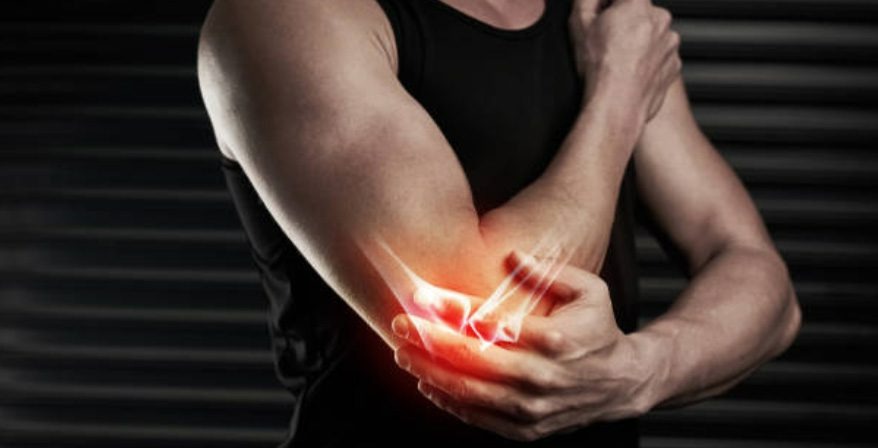
Sports injuries can happen to anyone, whether you're a weekend warrior or a seasoned athlete. Understanding these injuries is essential for your recovery and prevention. They often occur due to overuse, improper technique, or inadequate warm-up. Common types include sprains, strains, fractures, and tendonitis. Each injury has its unique characteristics and requires specific attention.
When you experience a sprain, for instance, you may feel pain, swelling, and limited mobility in the affected joint. Strains, on the other hand, involve muscle or tendon tears, leading to similar symptoms but usually in a different area. Fractures are more severe, resulting in broken bones that may require medical intervention.
Tendonitis, often caused by repetitive motion, results in inflammation and pain in the affected tendons. It's essential to recognize the signs of these injuries early. Ignoring them can lead to chronic pain or long-term damage. You should pay attention to your body and avoid pushing through the pain.
Remember, rest and proper care are your best friends in recovery. In addition, understanding the underlying causes of your injuries can help you adjust your training regimen. Are you practicing good form? Are you allowing your body enough time to recover?
Benefits of Natural Healing
Recognizing the signs of sports injuries is just the first step; exploring natural healing methods can greatly enhance your recovery. When you choose natural healing, you tap into the body's innate ability to heal itself. This approach often minimizes side effects that come with conventional treatments, allowing you to recover faster and feel better overall.
One major benefit of natural healing is that it promotes holistic well-being. By focusing on your entire body, you're not just treating the symptoms but addressing the root causes of your injury. Techniques like rest, proper nutrition, and hydration support your recovery and enhance your athletic performance.
You'll find that by nourishing your body with the right foods, you can improve tissue repair and reduce inflammation.
Additionally, natural healing methods often involve low-cost and easily accessible solutions. You don't have to rely solely on expensive medications or frequent doctor visits. Simple practices like stretching, yoga, and mindfulness can greatly improve your healing process and overall mental state.
You'll also likely experience a stronger sense of empowerment, as you take an active role in your recovery.
Lastly, natural healing fosters a deeper connection to your body. As you learn to listen to your body's signals, you become more attuned to what it needs, preventing future injuries.
Embracing natural healing methods isn't just about recovering from an injury; it's about building a sustainable approach to your health and athleticism for the long haul.
Effective Herbal Remedies
When it comes to healing sports injuries naturally, effective herbal remedies can play a significant role in your recovery process. Utilizing the right herbs can help reduce inflammation, alleviate pain, and promote faster healing.
One powerful remedy is turmeric, known for its active compound, curcumin. This herb has strong anti-inflammatory properties and can be consumed as a tea or taken as a supplement. Adding turmeric to your diet may help ease swelling and discomfort in injured areas.
Another effective option is arnica, a herb commonly used in topical formulations. You can apply arnica gel or cream directly to bruises, sprains, or strains to speed up healing and reduce pain. Just be cautious not to use it on broken skin.
Ginger is also a fantastic choice for managing pain and inflammation. Drinking ginger tea or incorporating fresh ginger into your meals can provide relief and support your recovery. It's known for increasing circulation, which can help in healing tissues.
Lastly, consider using willow bark, which has been used for centuries as a natural pain reliever. This herb contains salicin, a compound similar to aspirin. You can take willow bark in capsule form or brew it as a tea.
Nutrition for Recovery
When you're recovering from a sports injury, proper nutrition plays an essential role in your healing process.
You need to focus on essential nutrients that support recovery, stay hydrated, and incorporate anti-inflammatory foods into your diet.
Essential Nutrients for Healing
After an injury, fueling your body with the right nutrients is essential for a speedy recovery. Focus on incorporating protein, vitamins, and minerals into your diet to help heal tissues and reduce inflammation.
Protein plays a significant role in repairing damaged muscles and tissues. Aim for lean sources like chicken, fish, beans, and legumes.
Don't forget about healthy fats, such as avocados and nuts; they can aid in inflammation reduction.
Vitamins C and D are particularly important. Vitamin C boosts collagen production, which is critical for tissue repair. You can find it in citrus fruits, strawberries, and bell peppers.
Vitamin D helps with calcium absorption and supports muscle function, so consider foods like fatty fish or fortified dairy products.
Minerals like zinc and magnesium also contribute to recovery. Zinc supports immune function and healing, while magnesium helps with muscle relaxation.
Foods like spinach, seeds, and whole grains can help you meet your needs.
Hydration and Recovery
Proper hydration is just as important as nutrition in the recovery process after a sports injury. When you're injured, your body needs extra fluids to heal effectively. Water helps transport essential nutrients to injured tissues and flushes out toxins that can impede recovery.
If you're dehydrated, your body may struggle to repair itself, slowing down the healing process. Aim to drink plenty of water throughout the day, especially if you're experiencing pain or swelling.
Electrolyte-rich beverages can also be beneficial, as they help maintain fluid balance and support muscle function. Just be cautious with sugary drinks; they can lead to inflammation, which isn't helpful during recovery.
Listen to your body's signals. If you feel thirsty, it's a sign you need more fluids. Additionally, consider incorporating hydrating foods like fruits and vegetables into your diet. They not only provide water but also essential vitamins and minerals that support recovery.
Anti-Inflammatory Foods Guide
Incorporating anti-inflammatory foods into your diet can greatly enhance your recovery from sports injuries. These foods help reduce swelling, pain, and promote healing, allowing you to get back in the game faster.
Start by adding fatty fish like salmon and mackerel to your meals; they're rich in omega-3 fatty acids, which are known for their anti-inflammatory properties.
Don't forget about colorful fruits and vegetables. Berries, oranges, spinach, and kale are loaded with antioxidants that fight inflammation. You can also include nuts and seeds, like walnuts and flaxseeds, as they provide healthy fats and additional omega-3s.
Spices like turmeric and ginger are powerful allies too. They contain compounds that can notably lower inflammation. Consider incorporating them into your cooking or teas for added benefits.
Whole grains, such as quinoa and brown rice, not only provide energy but also help in reducing inflammatory markers.
Finally, don't overlook the importance of hydration; drinking plenty of water can aid in flushing out toxins.
Physical Therapy Techniques
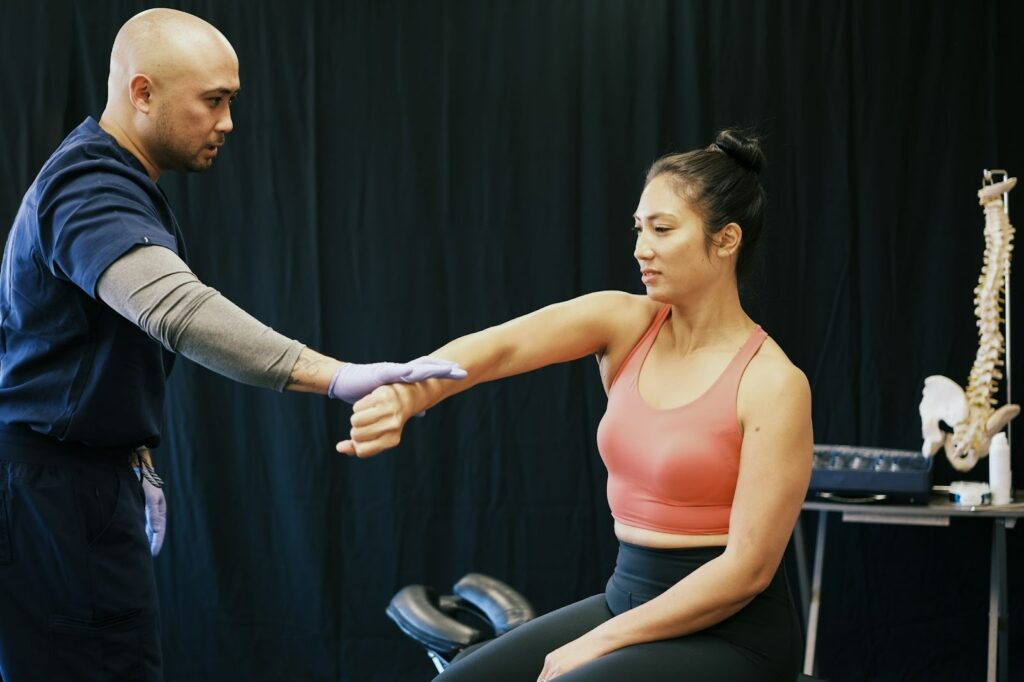
Physical therapy techniques play an essential role in recovering from sports injuries by promoting healing and restoring function. Whether you're dealing with a sprain, strain, or more serious injury, physical therapy can help you regain strength and mobility.
One of the most effective techniques is therapeutic exercise. Your physical therapist will design a personalized exercise program to target the affected area, gradually increasing intensity to build strength and flexibility. These exercises not only enhance recovery but also prevent future injuries by improving your overall physical condition.
Manual therapy is another valuable approach. This hands-on technique involves your therapist manipulating your muscles and joints to alleviate pain and improve mobility. By using techniques like joint mobilization and soft tissue manipulation, your therapist can help relieve tension and promote blood flow to the injured area.
Additionally, modalities such as ultrasound therapy and electrical stimulation can be beneficial. Ultrasound uses sound waves to promote tissue healing, while electrical stimulation can help reduce pain and stimulate muscle contractions. These techniques can expedite recovery and enhance the effectiveness of your rehabilitation program.
Finally, your therapist will emphasize the importance of proper body mechanics and posture. Learning how to move correctly during physical activities can greatly reduce the risk of re-injury.
Incorporating these physical therapy techniques into your recovery process won't only help you heal but also empower you to return to your sport stronger than ever. Trust the process, stay committed, and you'll be back on the field in no time.
Mindfulness and Mental Health
Recovering from a sports injury isn't just about physical healing; your mental health plays a significant role in the process.
It's easy to overlook your mindset when you're focused on getting back to your game, but nurturing your mental well-being can accelerate recovery and improve your performance once you return.
Here are four mindfulness techniques you can incorporate into your routine:
- Meditation: Spend a few minutes each day in quiet reflection. This practice helps reduce anxiety and fosters a positive mindset, enabling you to visualize your recovery and future success.
- Breathing Exercises: Deep breathing can lower stress levels and enhance focus. Try inhaling deeply through your nose, holding for a few seconds, and exhaling slowly through your mouth. This simple technique can ground you and clear your mind.
- Journaling: Write down your thoughts and feelings about your injury and recovery. This process not only releases pent-up emotions but also helps you track your progress and maintain a clear goal.
- Positive Affirmations: Use affirmations to build self-confidence. Repeating phrases like "I am healing" or "I will return stronger" can shift your mindset and reinforce your commitment to recovery.
Importance of Rest and Sleep
Adequate rest and sleep are essential components of your recovery journey from a sports injury. When you're injured, your body needs time to heal, and quality sleep plays a critical role in that process. It's during sleep that your body repairs tissues, regenerates cells, and releases growth hormones.
Without proper rest, you're hindering your body's natural ability to recover. You might be tempted to push through the pain or rush back into your training, but ignoring the need for rest can lead to longer recovery times and even worsen your injury. Prioritizing sleep allows your body to focus on healing rather than just coping with the symptoms.
Aim for 7-9 hours of uninterrupted sleep each night to give your body the best chance to repair itself. Establishing a regular sleep schedule can also enhance your recovery. Going to bed and waking up at the same time each day helps regulate your sleep cycle, making it easier for you to fall asleep and stay asleep.
Create a calming bedtime routine, like reading or meditating, to signal to your body that it's time to wind down. Lastly, don't underestimate the impact of naps. Short naps during the day can provide an additional boost to your recovery, especially if you're struggling to get a full night's rest.
Essential Stretching and Mobility
Stretching and mobility exercises are essential for maintaining flexibility and preventing further injuries during your recovery. Incorporating these practices into your routine not only aids healing but also prepares your body for future activities.
Here are some key exercises to take into account:
- Dynamic Warm-ups: Before any physical activity, perform dynamic stretches like leg swings or arm circles. These movements increase blood flow and warm up your muscles, reducing the risk of injury.
- Static Stretching: After workouts, dedicate time to static stretches. Focus on major muscle groups such as hamstrings, quadriceps, and shoulders. Hold each stretch for 15-30 seconds to improve flexibility.
- Foam Rolling: Utilize a foam roller to release tension in tight muscles and fascia. This self-myofascial release technique can enhance mobility and decrease soreness.
- Joint Mobility Exercises: Incorporate exercises that promote joint movement, such as ankle circles and wrist flexion/extension. These movements help maintain joint health and prevent stiffness.
Homeopathic Solutions
Homeopathy offers a unique approach to healing sports injuries, focusing on your body's natural ability to recover.
You'll find that specific remedies can effectively address common injuries like sprains and strains.
Let's explore the basics of homeopathy and some remedies that could work for you.
Homeopathy Basics Explained
When you're dealing with a sports injury, exploring homeopathic solutions can provide a gentle yet effective approach to healing. Homeopathy focuses on treating the whole person rather than just symptoms, utilizing natural substances in diluted forms. This holistic method can help your body restore balance and promote recovery.
Here are some key principles of homeopathy you should know:
- Law of Similars: Homeopathy operates on the idea that "like cures like." A substance that causes symptoms in a healthy person can treat those same symptoms in someone who's ill.
- Individualization: Each treatment is tailored to the individual. Homeopaths consider your physical, emotional, and lifestyle factors when recommending remedies.
- Dilution and Succussion: Remedies are diluted multiple times and shaken vigorously. This process is believed to enhance the healing properties while minimizing side effects.
- Energetic Imprint: Homeopathic remedies contain an energetic imprint of the original substance, which is thought to stimulate your body's healing response without introducing chemical substances.
Understanding these basics can empower you to make informed decisions about incorporating homeopathy into your injury recovery plan.
Remedies for Common Injuries
Injuries like sprains, strains, and bruises can sideline your active lifestyle, but homeopathic remedies offer natural options for relief and recovery.
For a sprain, consider using Arnica montana. This remedy helps reduce pain and swelling, promoting faster healing. Just apply it topically or take it in a diluted form.
When dealing with muscle strains, look to Ruta graveolens. It's known to relieve pain and stiffness in overworked muscles and ligaments. You can take it as a pill or in a liquid form for effective results.
For bruises, try applying Calendula ointment. It's excellent for soothing skin and speeding up the healing process. You can also take it internally to help reduce inflammation.
Remember to trust your body and listen to its signals. If you're unsure which remedy to choose, consult a homeopathic practitioner for personalized advice.
These natural solutions can help you recover effectively while minimizing side effects often associated with conventional treatments. Embrace these homeopathic options, and get back to doing what you love, pain-free!
Integrating Natural Methods
Integrating natural methods into your recovery routine can greatly enhance the healing process after sports injuries. When you prioritize holistic approaches, you're not just treating the injury; you're nurturing your entire body.
Here are four effective methods to evaluate:
- Herbal Remedies: Incorporate herbs like arnica or turmeric, known for their anti-inflammatory properties. These can help reduce swelling and pain, speeding up recovery.
- Physical Therapy: Engaging in physical therapy that focuses on natural techniques, such as myofascial release or acupuncture, can promote healing. A skilled therapist will tailor a program that suits your specific injury and needs.
- Nutrition: Fuel your body with nutrient-dense foods. Focus on a diet rich in antioxidants, omega-3 fatty acids, and proteins to support tissue repair. Foods like berries, fatty fish, and lean meats are excellent choices.
- Mindfulness Practices: Don't underestimate the power of your mind. Techniques such as meditation or yoga can reduce stress and enhance blood flow, which aids in healing.
Plus, they help you stay mentally strong during your recovery journey.
Conclusion
By embracing natural healing methods, you can effectively recover from sports injuries and enhance your overall performance. Integrating proper nutrition, herbal remedies, and therapeutic exercises into your routine not only speeds up healing but also empowers you to prevent future injuries. Remember, prioritizing rest, sleep, and mobility is essential for your body's recovery. So, take charge of your healing journey, release your potential, and enjoy the benefits of a holistic approach to wellness in your athletic pursuits.