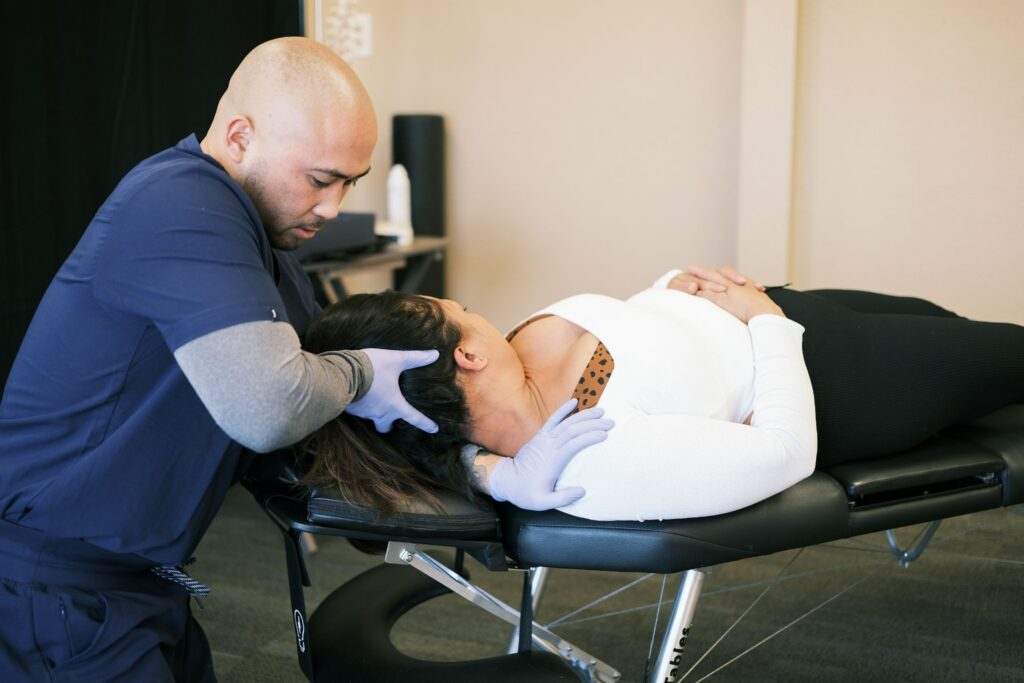

Neck stiffness can be a challenging issue that impacts your daily activities and overall well-being. Often caused by poor posture, stress, or muscle strain, this condition can lead to discomfort or pain that affects your quality of life. In this guide, you’ll learn about effective therapies, particularly the benefits of chiropractic care, to alleviate your symptoms and enhance your neck health.
Before we dive into the remedies, it’s important to understand the underlying causes and symptoms of neck stiffness. This knowledge will empower you to take proactive steps toward relief.
Chiropractic care is a natural and holistic approach to addressing neck stiffness. Chiropractors specialize in spinal health and can help restore proper alignment and function to your spine, which is crucial for reducing pain and stiffness. By focusing on the root cause of your discomfort, chiropractic adjustments can relieve pressure on nerves, improve mobility, and promote healing without the need for medications or invasive procedures.
In addition to chiropractic adjustments, here are some general tips to help you manage neck stiffness:
- Maintain Good Posture: Be mindful of your posture, especially when sitting for long periods. Keep your shoulders relaxed and your neck aligned with your spine.
- Take Regular Breaks: If you work at a desk, take short breaks to stretch and move around. This can help reduce muscle tension.
- Apply Heat or Cold: A warm compress can help relax tense muscles, while a cold pack can reduce inflammation. Use whichever feels best for your situation.
- Stay Hydrated: Proper hydration supports spinal health and helps prevent stiffness. Aim to drink plenty of water throughout the day.
- Incorporate Gentle Exercises: Simple neck stretches and exercises can promote flexibility and strength. Your chiropractor can guide you on safe exercises to incorporate into your routine.
By prioritizing your neck health and considering chiropractic care as a primary method for relief, you can take significant steps toward a pain-free life. Remember, a healthy spine is key to overall wellness, so don’t hesitate to reach out to your chiropractor for personalized care and support on your journey to optimal health.
Key Takeaways
- Maintain good posture and make ergonomic adjustments in your workspace and daily activities to minimize strain and prevent neck stiffness. Proper alignment is key to a healthy spine and can significantly reduce discomfort.
- Engage in regular stretching and strengthening exercises specifically designed to enhance neck flexibility and support the surrounding muscles. Simple movements, such as gentle neck rolls or shoulder shrugs, can make a big difference in your daily comfort.
- Consider utilizing heat therapy to soothe tight muscles, as warmth can increase blood flow and relaxation. Cold therapy can also be effective for managing inflammation and pain. Alternating between the two can provide great relief and promote healing.
- Personalized chiropractic care is an excellent choice for achieving optimal spinal alignment. A skilled chiropractor can help alleviate persistent neck discomfort and address any underlying issues that may be contributing to your stiffness.
- Stay hydrated and incorporate relaxation techniques, such as deep breathing or gentle yoga, into your routine. These practices not only support overall neck health but also help reduce tension throughout your body.
By focusing on these natural methods and prioritizing chiropractic care, you can achieve lasting relief from neck stiffness and promote your overall well-being. Remember, your spine is the foundation of your health, and taking proactive steps can lead to a more comfortable and fulfilling life.
Understanding Neck Stiffness: Causes and Symptoms
Neck stiffness can be quite a nuisance, especially when it disrupts your daily activities. It may make turning your head difficult, which can interfere with work, driving, or even basic tasks like looking over your shoulder. Understanding the root causes of neck stiffness is essential for finding relief. One common culprit is poor posture, particularly from spending long hours in front of screens. You may also notice stiffness after sleeping in an awkward position or from engaging in activities that put a strain on your neck muscles.
Moreover, stress can contribute to muscle tension, which may worsen discomfort. If you’re experiencing additional symptoms like headaches or tingling in your arms, it’s important to take note. These signs could suggest underlying issues that deserve attention, such as a herniated disc or pinched nerve.
Chiropractic care offers a natural and effective approach to address neck stiffness and promote overall wellness. By focusing on spinal alignment and improving posture, chiropractic adjustments can relieve tension and enhance mobility.
Here are some simple tips to help you manage and prevent neck stiffness:
- Maintain Good Posture: Be mindful of your posture when sitting at a desk or using devices. Keep your screen at eye level and take regular breaks to stretch.
- Sleep Right: Use a supportive pillow that keeps your neck aligned with your spine while you sleep. Avoid sleeping on your stomach, as it can strain your neck.
- Stay Active: Engage in regular physical activity that strengthens your neck and upper back muscles. Gentle stretching exercises can also help relieve tension.
- Manage Stress: Practice relaxation techniques such as deep breathing, yoga, or meditation to reduce overall muscle tension.
- Consult a Chiropractor: If neck stiffness persists, consider visiting a chiropractor. They can provide personalized care to address your specific needs and help restore your neck’s health.
Effective Stretches for Neck Relief
Finding relief from neck stiffness often begins with effective stretches that target tight muscles and enhance flexibility. As a chiropractor, I emphasize the importance of these stretches not only for immediate relief but also for promoting overall spinal health. Incorporating them into your daily routine can significantly alleviate discomfort and improve your mobility.
Here are some simple yet effective stretches to consider:
- Neck Tilts: Gently tilt your head towards each shoulder. Hold for about 15 seconds on each side. This stretch helps release tension and improves flexibility in the neck area.
- Chin Tucks: While sitting or standing, pull your chin back towards your neck. This maneuver helps strengthen the muscles in your neck and can alleviate discomfort in the upper back.
- Side Neck Stretch: Stand or sit tall, and gently pull your head to one side using your hand. Hold the stretch for 15 seconds before switching sides. This stretch can help relieve tightness on the sides of your neck.
- Shoulder Shrugs: Raise your shoulders towards your ears, hold for a moment, and then relax. Repeat this several times. Shoulder shrugs help release tension in the upper body and promote better posture.
In addition to these stretches, here are some general tips to enhance your neck health:
- Maintain Good Posture: Be mindful of your posture, especially when sitting for long periods. Keep your back straight and your shoulders relaxed.
- Stay Hydrated: Drinking plenty of water can help keep the muscles hydrated and functioning properly.
- Regular Chiropractic Care: Regular visits to your chiropractor can help maintain spinal alignment and prevent stiffness. Chiropractic adjustments can provide natural relief and support your body’s ability to heal.
Incorporating these stretches and tips into your routine can make a world of difference in managing neck stiffness.
Strengthening Exercises for Neck Support
To effectively support your neck and prevent stiffness, it’s important to incorporate strengthening exercises into your daily routine. Focusing on exercises that target your neck and upper back can make a significant difference in how you feel. As a chiropractor, I believe that these natural methods can help enhance your overall wellness and posture, reducing the risk of discomfort.
One great starting point is isometric neck exercises. Simply press your head against your hands in all four directions—forward, backward, and side to side. Hold each press for about five seconds, and repeat 5-10 times. This simple exercise helps to strengthen your neck muscles and can easily be done at home.
Next up are chin tucks. Sit or stand tall, gently tuck your chin in toward your chest, and hold for five seconds. Doing this 10-15 times can help keep your neck aligned and support healthy posture.
Another effective exercise is the wall angel. Stand with your back against a wall and raise your arms into a “W” shape. Then, slide your arms up to form a “Y,” ensuring that your arms and lower back remain in contact with the wall. Repeat this 10-15 times. This exercise not only strengthens your upper back but also encourages proper alignment, which is crucial for neck support.
Remember, these exercises not only enhance muscle strength but also improve your posture, which is vital for reducing stiffness and discomfort in your neck.
If you’re experiencing persistent pain or discomfort, don’t hesitate to reach out to your chiropractor. Chiropractic care is a natural and effective way to support your neck health and promote overall wellness. Prioritizing these exercises and seeking chiropractic adjustments can lead you to a healthier, pain-free life.
The Role of Heat and Cold Therapy
When you’re experiencing neck stiffness, incorporating heat and cold therapy can be a fantastic way to find relief naturally. Both methods play distinct roles in helping you manage discomfort, and when paired with chiropractic care, they can enhance your overall wellness journey.
Heat Therapy:
- Applying heat increases blood flow to the area, which can promote healing and recovery.
- It helps relax tight muscles, making it easier for your body to move and function.
- For effective heat therapy, simply use a warm towel or heating pad for 15-20 minutes. This gentle warmth can soothe your muscles and is a great complement to chiropractic adjustments.
Cold Therapy:
- Cold therapy works by reducing inflammation and numbing sharp pain, making it particularly useful if you’ve recently experienced an injury.
- It can help manage swelling, providing relief as your body heals.
- To use cold therapy, apply an ice pack wrapped in a cloth for about 10-15 minutes. This can be a great way to ease discomfort until you can visit your chiropractor for a more comprehensive treatment.
In addition to these therapies, remember that regular chiropractic care can help address the underlying issues contributing to your neck stiffness.
A chiropractor can provide tailored adjustments and techniques designed to enhance your spinal health and overall well-being.
Always listen to your body, and don’t hesitate to reach out to your chiropractor for personalized advice on managing pain and optimizing your health naturally.
Professional Treatments: Massage and Chiropractic Care
While managing neck stiffness at home can be helpful, nothing compares to the targeted relief that professional treatments like chiropractic care can provide. Chiropractic care is designed to focus on spinal alignment and joint function, addressing the root cause of your neck stiffness.
As a chiropractor, I use manual adjustments to correct misalignments in your spine, which can significantly reduce neck stiffness and improve your overall well-being. When your spine is properly aligned, it relieves pressure on the nerves and can alleviate pain, allowing for better mobility.
This natural approach not only addresses the discomfort but also promotes your body’s innate ability to heal itself. By incorporating chiropractic adjustments into your wellness routine, you can experience enhanced function and a greater range of motion.
In addition to chiropractic care, here are some simple tips and tricks you can try at home to support your neck health:
- Practice Good Posture: Keep your head aligned over your shoulders and avoid slouching, especially when sitting for long periods.
- Take Breaks: If you work at a desk, take regular breaks to stretch and move around to prevent stiffness.
- Use a Supportive Pillow: Ensure your pillow provides proper neck support while you sleep to maintain spinal alignment.
- Stay Hydrated: Drinking plenty of water supports the health of your discs and muscles.
Combining these at-home strategies with regular chiropractic visits can lead to a more comfortable and flexible neck, enabling you to enjoy your daily activities without discomfort.
Always consult with your chiropractor to develop a personalized plan that best meets your needs. By taking this proactive step towards your health, you’re investing in a more vibrant and active lifestyle!
Acupuncture and Alternative Therapies
As a local chiropractor, I’m excited to share insights about managing neck stiffness and promoting overall wellness. Chiropractic care is an effective and natural approach that often provides relief when other methods may not. By focusing on spinal alignment and joint function, chiropractic adjustments can enhance blood flow, reduce inflammation, and promote relaxation in the neck area.
While there are various alternative therapies available, I firmly believe that chiropractic care stands out as the best choice for pain relief and long-term health. Here are some tips and techniques you can incorporate alongside chiropractic adjustments to support your journey to wellness:
- Chiropractic Adjustments: Regular visits to your chiropractor can help realign your spine and alleviate stiffness, enabling your body to function at its best.
- Gentle Stretching: Incorporate simple neck stretches into your daily routine. Gently tilt your head from side to side and forward and backward to improve flexibility and relieve tension.
- Posture Awareness: Be mindful of your posture, especially when sitting for long periods. Keep your neck aligned with your spine, and take breaks to stretch and move around.
- Heat Therapy: Applying a warm compress to your neck can help relax tight muscles and improve blood circulation, complementing the benefits of your chiropractic adjustments.
- Stay Hydrated: Drinking plenty of water supports overall health and can help maintain the elasticity of your spinal discs.
- Mindfulness Practices: Engaging in mindfulness or meditation can reduce stress, which often contributes to muscle tension and stiffness.
Remember, your body knows what it needs. Listen to it, and don’t hesitate to consult your chiropractor for personalized advice and care.
Ergonomic Adjustments for Daily Comfort
To alleviate neck stiffness, consider making some simple ergonomic adjustments to your daily routine. As a chiropractor, I can tell you that optimizing your desk setup and practicing proper posture techniques are essential for your comfort and spinal health.
It’s important to create a workspace that supports your body; keep your monitor at eye level, use a chair that offers good lumbar support, and ensure your feet are flat on the ground.
In addition to these adjustments, remember to take regular stretching breaks throughout your day. Set reminders on your phone or computer to prompt you to stand up, stretch, and move around.
This not only keeps your muscles relaxed but also helps prevent stiffness and promotes better circulation.
Chiropractic care is an excellent choice for addressing neck discomfort. Regular adjustments can help realign your spine, reduce tension, and enhance your overall well-being.
Desk Setup Optimization
Creating an ergonomic desk setup is essential for maintaining a healthy spine and reducing neck stiffness, particularly during long hours of work. As a chiropractor, I want to emphasize that these adjustments not only enhance your comfort, but they also play a vital role in your overall wellness.
Here are some tips to help you achieve an optimal desk setup that supports your spinal health:
- Chair Height: Adjust your chair so that your feet rest flat on the floor. This helps maintain proper alignment in your hips and lower back, reducing strain on your spine.
- Monitor Position: Your monitor should be at eye level and about an arm’s length away. This positioning helps prevent unnecessary neck strain, allowing your spine to remain in a neutral position.
- Keyboard and Mouse: Choose a keyboard and mouse that let your wrists stay straight and relaxed. Keeping your wrists in a natural position prevents tension and discomfort that can lead to long-term issues.
- Clutter-Free Workspace: A tidy desk promotes better focus and reduces stress. Keeping frequently used items within easy reach minimizes unnecessary twisting and bending, which can strain your back.
- Document Holder: If you’re reading or typing from a document, use a document holder to keep the material at eye level. This simple tool can help maintain proper posture and reduce neck strain.
- Regular Breaks: Don’t forget to take regular breaks to stretch and move around. Simple movements can help alleviate tension and promote circulation, further supporting spinal health.
Remember, these adjustments can make a significant difference in how you feel throughout the day.
If you’re experiencing persistent pain or discomfort, consider scheduling a visit with your chiropractor. Chiropractic care is a natural approach to achieving optimal health, offering pain relief and promoting overall wellness without the need for medications or invasive procedures.
Your spine deserves the best care, so take these steps toward a healthier, more comfortable work environment!
Proper Posture Techniques
Many people overlook how much posture can influence their overall health, but as a chiropractor, I can assure you that practicing proper posture techniques is essential for reducing neck stiffness and enhancing daily comfort.
Start by sitting up straight, making sure your ears align with your shoulders. Keep your feet flat on the floor and your knees bent at a 90-degree angle. If you’re working on a computer, position the screen at eye level to help you avoid tilting your head, which can lead to discomfort.
Choose a chair that offers good lumbar support to help your back maintain its natural curve. When standing, distribute your weight evenly on both feet and engage your core muscles to provide stability for your spine.
Remember, even small adjustments to your posture can lead to significant improvements in how you feel throughout the day.
As a chiropractor, I emphasize the importance of prioritizing your posture for a pain-free life. Not only can proper posture alleviate discomfort, but it also plays a crucial role in overall wellness.
Incorporating simple changes in your daily routine can make a big difference in your health. If you’re looking for a natural way to achieve optimal health, consider chiropractic care, which focuses on aligning the spine and supporting your body’s innate ability to heal itself.
Stretching Break Reminders
Maintaining good posture is just one piece of the puzzle when it comes to alleviating neck stiffness. Incorporating regular stretching breaks into your daily routine is equally essential for your overall wellness and comfort.
Setting reminders to stretch every hour can significantly reduce tension and promote a healthier spine.
Here are some simple stretches you can try during your breaks to keep your body feeling great:
- Neck Tilt: Gently tilt your head towards one shoulder, hold for 15 seconds, and then switch to the other side. This helps to release tension in the neck and improve flexibility.
- Shoulder Rolls: Roll your shoulders forward and backward in a circular motion for 30 seconds. This exercise can help alleviate tightness and improve circulation in the upper back and shoulders.
- Chin Tucks: Pull your chin in towards your neck, hold for a few seconds, and then release. This stretch helps to align the spine and strengthen the muscles that support your neck.
- Upper Back Stretch: Interlace your fingers and stretch your arms overhead, lengthening your spine. This stretch can help open up the chest and relieve pressure on the upper back.
Making these stretches a regular habit can lead to noticeable improvements in your comfort and overall well-being.
Remember, chiropractic care is an excellent complement to these practices, as it helps ensure your spine is properly aligned, promoting natural healing and optimal health.
Stress Management Techniques to Reduce Tension
When stress takes hold, it often shows up as tension in your neck and shoulders, highlighting the importance of effective stress management to find relief. One of the best ways to address this tension is through chiropractic care. Regular adjustments can help align your spine, alleviate pressure on nerves, and promote overall wellness, making it a foundational step in managing stress.
In addition to chiropractic adjustments, incorporating deep breathing exercises into your daily routine can be incredibly beneficial. Simply inhale slowly through your nose, hold for a moment, and exhale through your mouth. This practice not only calms your mind but also helps reduce physical tension in your body.
Mindfulness meditation is another valuable tool. Spending even just a few minutes each day focusing on your breath while letting go of racing thoughts can help clear your mind and ease tension. This mental clarity can enhance the benefits of chiropractic care by allowing your body to respond more effectively to adjustments.
Physical activity is a natural stress reliever that complements chiropractic care beautifully. Whether you prefer a brisk walk, yoga, or even dancing, moving your body releases endorphins that boost your mood and help alleviate stress. Plus, regular movement can support your spine’s health, making chiropractic adjustments even more effective.
Don’t forget the importance of sleep and maintaining a healthy diet. Adequate rest and nutrition play a crucial role in your body’s ability to manage stress. By focusing on these aspects of your health, you enhance your overall well-being and make stress management much more manageable.
When to Seek Medical Attention
If you’re dealing with persistent severe pain in your neck, it’s essential to take it seriously and seek the right support. Often, neck pain can be a sign that something is off in your spine, and that’s where chiropractic care truly shines. A chiropractor can help identify the root cause of your discomfort and guide you on a path to natural healing.
Keep an eye out for any additional symptoms, such as numbness or weakness, as these may indicate a more significant issue that deserves attention. If you’ve experienced a recent injury, don’t hesitate to consult with a chiropractor for a thorough evaluation.
In the meantime, here are some general tips to help manage your neck pain:
- Practice Good Posture: Be mindful of your posture, especially when sitting for long periods. Keeping your head aligned over your shoulders can reduce strain on your neck.
- Take Breaks: If you’re working at a desk or looking down at your phone, make sure to take regular breaks to stretch your neck and shoulders.
- Use Heat or Cold Therapy: Applying a warm compress or an ice pack can provide relief and help reduce inflammation.
- Stay Active: Gentle exercises and stretches can help maintain flexibility and strength in your neck.
- Consider Regular Chiropractic Visits: Regular adjustments can help keep your spine aligned and promote overall wellness, potentially preventing future discomfort.
Chiropractic care is a fantastic option for those seeking pain relief and a path to natural wellness. Your body deserves the best care, and chiropractic can help you achieve optimal health.
Severe Pain Persistence
Severe neck pain can be a sign that your body needs some extra care and attention. If you’re dealing with persistent pain, it’s crucial to recognize when it’s time to seek help. Here are some key indicators that you should consider reaching out to a chiropractor:
- Pain that lasts longer than a week
- Difficulty moving your head in any direction
- Pain that radiates down your arms or into your shoulders
- Increased discomfort with coughing or sneezing
Chiropractic care is a natural and effective approach to address these issues. A chiropractor can help identify the root cause of your pain and provide targeted treatments to promote healing.
By focusing on spinal health and alignment, chiropractic care can alleviate pain and enhance your overall well-being.
In addition to seeking professional help, here are some general tips you can incorporate into your daily routine to support your neck health:
- Practice Good Posture: Keep your head aligned with your spine when sitting or standing. Use ergonomic furniture and take breaks to stretch.
- Stay Hydrated: Drinking plenty of water helps maintain the elasticity of spinal discs and overall spinal health.
- Gentle Stretching: Incorporate simple neck stretches into your day to improve flexibility and reduce tension.
- Heat Therapy: Applying a warm compress can relax tight muscles and ease discomfort.
- Sleep Position: Use a supportive pillow that keeps your neck in a neutral position while sleeping.
Remember, trusting your instincts about your health is important. If something feels off, don’t hesitate to reach out for chiropractic care.
It’s always better to take proactive steps towards your health and wellness. You deserve to feel your best!
Accompanying Neurological Symptoms
Experiencing neurological symptoms alongside neck stiffness can be concerning, and it’s important to pay attention to your body’s signals. While these symptoms may indicate a more serious issue, seeking chiropractic care can be an excellent first step toward finding relief and improving your overall health.
If you notice sensations like numbness, tingling, or weakness in your arms or legs, or if you have trouble with coordination, consider visiting your local chiropractor. These may be signs of nerve compression or spinal misalignments, both of which can often be addressed effectively through chiropractic adjustments. By focusing on restoring proper alignment, we can help alleviate pressure on nerves and improve your body’s function.
Additionally, if you experience headaches that feel more intense than usual, changes in vision, or difficulties with speech, it’s essential to consult a chiropractic professional. We can perform a thorough assessment to determine the underlying cause of your symptoms and develop a personalized treatment plan that promotes natural healing.
Here are a few general tips to support your health and wellness:
- Practice Good Posture: Maintaining proper posture can help reduce neck stiffness and prevent nerve irritation. Be mindful of your posture while sitting, standing, or using electronic devices.
- Stay Active: Gentle exercises and stretches can keep your neck and spine healthy. Activities like yoga or swimming can provide relief and strengthen supporting muscles.
- Stay Hydrated: Drinking enough water supports spinal health and can help maintain proper function in your body.
- Manage Stress: Stress can contribute to muscle tension and discomfort. Techniques such as deep breathing, meditation, or gentle stretching can be beneficial.
- Regular Chiropractic Visits: Regular check-ups with your chiropractor can help maintain spinal alignment and prevent issues before they become more serious.
Trust your instincts—if something feels off, it’s always wise to seek help. Early intervention through chiropractic care can make a significant difference in your journey to optimal health.
Recent Injury History
When you’ve recently sustained an injury, especially one involving neck stiffness, it’s important to pay close attention to your symptoms. Ignoring these signs can lead to more complications down the line.
Here are some key indicators that suggest it’s time to seek help from a healthcare professional, particularly a chiropractor:
- Ongoing pain that doesn’t seem to improve with rest
- Numbness or tingling sensations in your arms or hands
- Trouble moving your head or shoulders comfortably
- Symptoms that seem to worsen over time
If you notice any of these signs, it’s wise to consult a chiropractor. Early intervention through chiropractic care can significantly enhance your recovery, addressing the root of your discomfort and promoting natural healing.
Chiropractic care focuses on restoring proper spinal alignment, which can alleviate pain and improve overall function. It’s a safe and effective approach that steers clear of medications and invasive procedures.
In addition to seeking chiropractic treatment, here are a few general tips to support your recovery and promote wellness:
- Stay Active: Gentle stretches and movements can help keep your body limber. Avoid prolonged periods of inactivity.
- Ice and Heat: Applying ice can reduce inflammation, while heat can soothe tight muscles. Alternate between the two as needed.
- Posture Matters: Maintain good posture to avoid further strain on your neck. Be mindful of how you sit, especially if you work at a desk.
- Hydration: Drink plenty of water to keep your body hydrated and support tissue healing.
Lifestyle Changes for Long-Term Neck Health
To maintain long-term neck health, it’s vital to adopt lifestyle changes that enhance flexibility and strength, and chiropractic care can play a key role in this journey.
One of the most effective ways to promote neck health is through good posture. Whether you’re sitting at a desk or using your phone, aim to keep your neck aligned with your spine. By doing so, you can help prevent discomfort and support your overall spinal health.
Incorporating regular stretching exercises into your daily routine can significantly improve flexibility. Simple neck rolls or gentle stretches can be done anytime, anywhere, and they can make a big difference in how your neck feels.
Additionally, strength training is essential. Focus on exercises that strengthen your upper back and shoulders; this support is crucial for your neck.
As a chiropractor, I also encourage you to take frequent breaks during long periods of sitting. Stand up, stretch, and let your neck relax. Staying hydrated and maintaining a balanced diet are important as well, as proper nutrition supports muscle health and overall wellness.
Your sleep position matters too. Using a supportive pillow can help keep your neck in a neutral position, which can greatly enhance your comfort.
By implementing these changes and considering regular chiropractic adjustments, you can promote lasting neck health and reduce the risk of stiffness or pain.
Conclusion
Incorporating chiropractic care into your routine can significantly improve your management of neck stiffness. Understanding the underlying causes of your discomfort, along with the importance of regular spinal adjustments, can help restore proper alignment and relieve tension in your neck.
Engaging in effective stretches and strengthening exercises, as guided by your chiropractor, can enhance your range of motion and support your spine. Complementing these exercises with heat or cold therapy can further soothe sore muscles, but remember that the adjustments made by your chiropractor address the root causes of discomfort.
Don’t overlook the importance of ergonomic adjustments in your daily life. Your chiropractor can provide personalized advice on how to set up your workspace to minimize strain on your neck. Additionally, incorporating stress management techniques, such as mindfulness or gentle yoga, can contribute to long-term relief.
If neck stiffness persists, it’s crucial to consult with a chiropractor who can offer tailored care and guidance. Embrace these natural strategies, and you’ll be on your way to achieving a healthier, more comfortable neck, enhancing your overall well-being!