
As a local chiropractor, I understand that facing an athletic injury can be a daunting experience. Many of my patients often feel overwhelmed when seeking reliable recovery solutions. It’s crucial to recognize that effective healing requires a comprehensive approach that encompasses various elements.
At our practice, we emphasize the importance of physical therapy, proper nutrition, and mental resilience—all of which contribute significantly to your recovery. But what specific strategies can you adopt to ensure a smooth return to your sport?
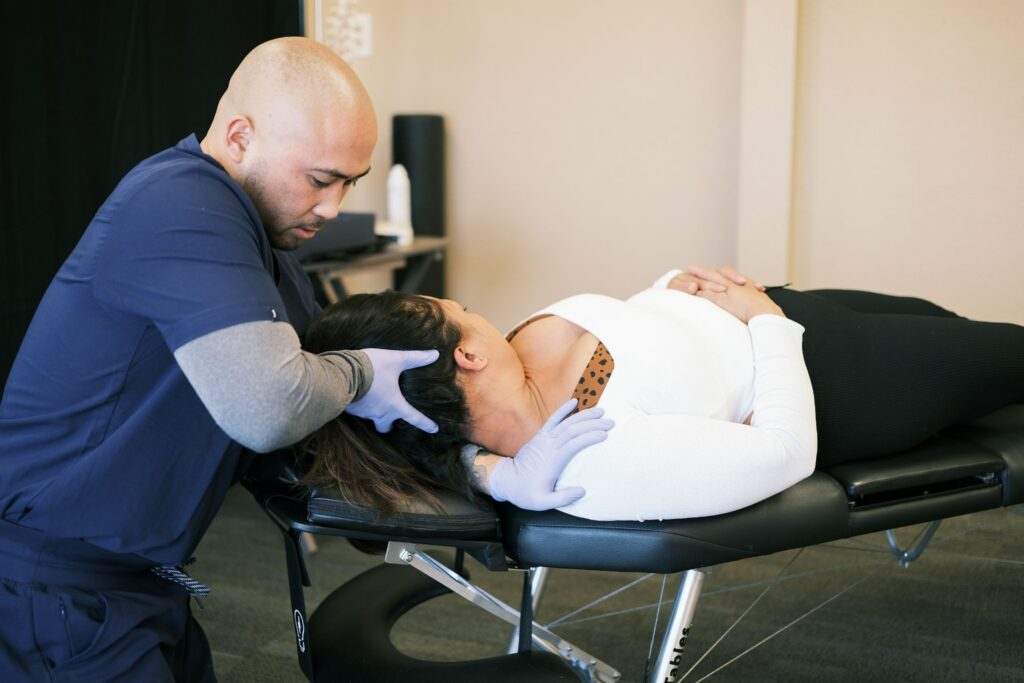
Let’s delve into the key components of recovery that I often recommend to my patients. First, chiropractic care can help alleviate pain and improve mobility by addressing any misalignments in your spine and joints. This hands-on approach facilitates your body’s natural healing processes.
Additionally, I encourage a balanced diet rich in anti-inflammatory foods to support your body’s recovery. Coupled with mental resilience techniques, such as visualization and mindfulness, you can foster a positive mindset that’s essential for overcoming the challenges of injury.
Together, we will explore these strategies and develop a personalized recovery plan that will guide you through this journey and help you return to your sport stronger than ever.
Understanding Common Athletic Injuries
As a local chiropractor, I want to emphasize the importance of understanding common athletic injuries for your overall well-being and performance in sports. Injuries can happen suddenly during a game or develop gradually over time, and recognizing the signs early can lead to more effective responses.
One of the most common issues I see in my practice are sprains and strains, particularly affecting areas like the ankles and muscles. Symptoms such as pain, swelling, and a limited range of motion are crucial indicators. Being aware of these symptoms can help prevent further damage and keep you active.
Another frequent concern is tendonitis, typically caused by repetitive motions. You may experience discomfort and stiffness in the affected area, especially after engaging in physical activity. This is where understanding the body’s signals becomes essential.
Stress fractures, which are often seen in runners and athletes, present as localized pain that tends to intensify with activity. It’s vital to listen to your body to avoid exacerbating these conditions.
By being informed about these common injuries, you can take proactive measures to prevent them. Incorporating proper warm-ups, strength training, and even chiropractic care can enhance your performance and reduce your risk of injury.
My goal is to help you understand these risks so you can make informed choices that promote a healthy, active lifestyle, minimizing downtime and maximizing your performance in the sports you enjoy.
Let’s work together to keep you moving and feeling your best!
The Role of Physical Therapy in Recovery
Recovering from athletic injuries requires a holistic approach, and chiropractic care can play a vital role in that journey. As a local chiropractor, I want to emphasize the importance of a personalized treatment plan designed specifically for your unique needs.
This plan often includes a combination of spinal adjustments, therapeutic exercises, and stretches to restore strength, flexibility, and coordination, helping you regain full functionality.
Chiropractic techniques, including spinal manipulation and other hands-on therapies, can alleviate pain and promote natural healing. I focus on educating you about proper body mechanics and posture to help prevent future injuries.
Regular chiropractic sessions not only aid in your recovery but also boost your confidence as you prepare to return to your sport.
Additionally, chiropractic care can assist you in setting achievable goals and tracking your progress, making the recovery process smoother and more manageable.
Innovative Recovery Tools and Technologies
As a local chiropractor, I want to share how innovative recovery tools are revolutionizing the healing process for athletes and active individuals alike. Many of my patients may not be familiar with these advancements, but they can significantly enhance your recovery from injuries while promoting natural healing.
Let’s explore some of these exciting tools:
- Cryotherapy devices: These tools expose your body to extremely cold temperatures, which can help reduce inflammation and speed up recovery. By incorporating cryotherapy into your recovery routine, you may find that your pain decreases and your healing accelerates.
- Electrical stimulation units: These devices work by gently stimulating your muscles, which can promote healing through improved blood circulation to injured areas. This stimulation can help alleviate pain and enhance the effectiveness of your rehabilitation.
- Virtual reality rehabilitation: Imagine a rehabilitation experience that’s not only effective but also engaging! Virtual reality technology offers immersive exercises designed to make your rehab more enjoyable, encouraging you to stay committed to your recovery journey.
As we embrace these innovative tools in our practice, I encourage you to consider how they can complement your chiropractic care and support your path to wellness.
If you have questions about these technologies or how they can be integrated into your recovery plan, feel free to ask during your next visit!
Nutrition and Hydration for Optimal Healing
As a local chiropractor, I want to emphasize the importance of nutrition and hydration in your healing journey. Whether you’re an athlete or simply someone looking to enhance your overall health, what you eat and drink can significantly impact your recovery process.
Proper nutrition serves as the foundation for your body’s healing, providing essential building blocks for tissue repair and strength. I encourage you to focus on incorporating lean proteins, healthy fats, and a colorful array of fruits and vegetables into your diet. These foods are rich in vitamins and minerals that are crucial for supporting your body’s natural healing mechanisms.
Hydration is equally vital. Water is key to transporting nutrients throughout your body, reducing inflammation, and keeping your joints lubricated. It’s important to stay well-hydrated throughout the day, especially following workouts or any physical therapy sessions.
In addition to water, consider incorporating electrolyte-rich drinks to help replenish lost minerals, particularly after engaging in intense physical activity. By prioritizing nutrition and hydration, you can enhance your healing process and overall well-being.
Mental Health Strategies for Athletes
Injuries can be quite challenging, and managing the emotional aspects of setbacks is just as crucial as the physical healing process.
As your local chiropractor, I want to emphasize the importance of developing mental resilience during these times. It’s essential to remain positive and proactive in your recovery journey.
Remember, seeking professional support, whether from a mental health professional or a chiropractor, can be incredibly beneficial.
Let’s discuss some effective strategies that can help strengthen your mind and support your overall well-being as you navigate through this difficult period.
Coping With Injury Setbacks
As a local chiropractor, I understand that facing an injury setback can be overwhelming. It’s essential to prioritize your mental health during this challenging time, as it plays a crucial role in your overall recovery. Acknowledging your feelings and seeking support can significantly impact your healing journey.
Here are some strategies that I recommend to help you cope and promote natural healing:
- Stay connected: Reach out to teammates, friends, or family who can provide encouragement and understanding. Building a support network can be incredibly beneficial for your mental well-being.
- Practice mindfulness: Incorporating activities like meditation or yoga into your routine can help reduce stress and foster a positive mindset. These practices not only support your mental health but can also enhance your physical recovery.
- Set small goals: Focus on achievable milestones related to your recovery. Setting small, manageable goals can help you regain a sense of control and progress, making the healing process feel more attainable.
Building Mental Resilience
Recovering from an injury isn’t solely about physical healing; it also involves enhancing your mental resilience. As a chiropractor, I understand that the road to recovery can be challenging, testing your patience and determination.
It’s crucial to build mental fortitude during this time. Start by setting small, achievable goals to help regain your confidence. Visualizing your recovery—imagining yourself back in action—can significantly boost your motivation and reinforce a positive mindset.
Staying connected with your support network, including friends and teammates, is essential. Their encouragement can uplift your spirits and keep you focused.
Consider incorporating mindfulness techniques, such as meditation or deep breathing exercises, into your routine to help manage stress. Remember, setbacks are a natural part of the healing journey and not a sign of failure.
Seeking Professional Support
When you’re navigating the difficult path of injury recovery, it’s important to consider how chiropractic care can support not only your physical healing but also your mental well-being. Engaging with a chiropractor can provide you with a holistic approach to recovery, addressing both the physical symptoms and the emotional challenges that often accompany them.
Here are a few benefits of seeking chiropractic care during your recovery process:
- Holistic Support: Chiropractors can help you manage pain and discomfort, which can alleviate some of the stress and frustration that comes with being injured. This can improve your overall mood and outlook.
- Personalized Recovery Plans: By working with a chiropractor, you can establish realistic recovery goals tailored to your specific needs. This focused approach helps keep you motivated and on track during your healing journey.
- Stress Relief Techniques: Chiropractors often incorporate relaxation techniques and mindfulness practices into their care. These methods can help reduce anxiety and promote a positive mindset as you work through your recovery.
Remember, chiropractic care isn’t just about physical adjustments; it’s about fostering a sense of balance and well-being as you heal.
If you’re unfamiliar with this approach, consider reaching out to a local chiropractor to learn more about how they can assist you in your recovery.
Creating a Personalized Recovery Plan
Creating a personalized recovery plan is essential for anyone recovering from injuries, and as your local chiropractor, I want to help guide you through this process. The first step is to assess your injury with a qualified healthcare professional, like myself, who can provide insight into your specific limitations and what timelines to expect for your recovery.
Once we’ve a clear understanding of your condition, we can work together to set realistic goals. It’s important to break these goals down into short-term and long-term objectives that are both achievable and measurable, ensuring you stay motivated throughout your recovery journey.
Incorporating a variety of rehabilitation exercises tailored to your individual needs is crucial. Depending on your injury, we may suggest specific strength training, flexibility exercises, and low-impact cardio to facilitate healing. It’s important to schedule these workouts consistently, but always listen to your body and make adjustments as needed.
Nutrition also plays a significant role in recovery. I encourage you to focus on a balanced diet that’s rich in vitamins and minerals to support your healing process.
Lastly, tracking your progress is vital. Regular check-ins will help us identify what’s working well and what may need to be adjusted in your plan.
The Importance of Rest and Sleep
As a local chiropractor, I want to emphasize the crucial role that rest and sleep play in your recovery process. These elements aren’t just luxuries; they’re vital for your body to heal and rejuvenate effectively.
When you don’t allow yourself enough rest, your body struggles to repair itself, which can delay your recovery and even lead to additional injuries. By prioritizing sleep, you’re providing your muscles and tissues with the opportunity they need to recover properly.
Here are some important benefits of ensuring you get adequate rest:
- Muscle Repair: During sleep, your body produces growth hormones that are essential for muscle recovery. This means that a good night’s sleep can significantly enhance your healing process.
- Pain Management: Rest helps to reduce inflammation and lowers your perception of pain, which can make it much easier to manage any discomfort you may be experiencing.
- Mental Sharpness: Quality sleep enhances cognitive function, enabling you to stay focused on your recovery goals and make informed decisions about your health.
Integrating consistent sleep patterns and periods of downtime into your recovery plan is key to getting back to your peak performance.
Don’t overlook the profound impact that a good night’s sleep can have on your overall well-being and healing journey!
Returning to Sport: Guidelines and Considerations
As a local chiropractor, I want to emphasize the importance of a gradual return to sports after an injury or extended break.
It’s not just about getting back into the game; it’s crucial to evaluate both your physical readiness and your mental preparedness. This holistic approach ensures you feel confident in your abilities and minimizes the risk of re-injury.
Start by listening to your body and gradually increasing your activity levels.
Chiropractic care can play a significant role in this process by helping to align your body and improve your overall function. This can enhance your performance and support your recovery as you ease back into your athletic routine.
Gradual Progression in Activity
As you work towards recovering from an athletic injury, it’s crucial to take a careful and gradual approach when returning to your sport. This method not only helps prevent re-injury but also supports your long-term success. Jumping back into full activity too quickly can lead to setbacks, so it’s important to adhere to a structured recovery plan.
Start with low-impact exercises to rebuild strength and endurance, and then progress to sport-specific drills.
Here are some important points to keep in mind:
- Listen to your body: Your body provides valuable feedback. Be mindful of any pain or discomfort during your activities, as this can be a sign that you need to adjust your approach.
- Increase intensity slowly: It’s vital to gradually ramp up your workouts. This allows your body to adapt without being overwhelmed, reducing the risk of reinjury.
- Set realistic goals: Focus on achievable milestones throughout your recovery. This will help you stay motivated and give you a clear way to track your progress.
As a local chiropractor, I emphasize the importance of a holistic approach to healing. Utilizing natural methods, such as chiropractic adjustments and tailored exercises, can enhance your recovery process and improve your overall well-being.
Assessing Physical Readiness
As a local chiropractor, I often get asked how to determine if someone is physically ready to return to their sport after an injury. It’s important to approach this process thoughtfully.
First, you should evaluate your strength and flexibility. Are you able to perform the movements necessary for your sport without experiencing pain? This is a critical first step.
Next, consider your endurance. You should feel capable of completing your usual training sessions without feeling excessively fatigued.
Additionally, assessing your balance and coordination is vital; if you’ve regained your agility, that’s a positive sign you’re on the right track.
I also recommend consulting with a physical therapist or a chiropractor who specializes in sports injuries. We can provide valuable insights and help you understand if you’ve met the necessary benchmarks for a safe return.
Lastly, remember that patience is key. It’s essential to listen to your body and ensure that you’re not only physically ready but also mentally prepared for the demands of competition.
Prioritizing your recovery now, with the help of chiropractic care and natural healing techniques, will set you up for future success in your sport.
Mental Preparedness and Confidence
As a local chiropractor, I want to emphasize that while physical readiness is crucial for returning to your sport, mental preparedness and confidence are just as vital in your recovery journey.
It’s important to cultivate trust in your body and in your abilities as you re-enter the game. Here are some strategies that can help enhance your mental readiness:
- Visualize Success: Take a moment to visualize yourself excelling in your sport. This mental imagery can help reinforce positive outcomes and boost your confidence when you’re back in action.
- Set Realistic Goals: It’s helpful to break down your return into manageable milestones. Setting achievable goals not only helps you stay focused but also builds your confidence step by step.
- Practice Mindfulness: Incorporating relaxation techniques into your routine can significantly reduce anxiety and help maintain focus during your training sessions. Mindfulness practices can support your mental clarity and overall well-being as you work towards recovery.
Conclusion
As a local chiropractor, I want to emphasize the importance of a holistic approach to your recovery from athletic injuries. Integrating chiropractic care into your recovery can greatly enhance your healing process. By focusing on physical therapy techniques, proper nutrition, and building mental resilience, you can support both your body and mind as you recover.
It’s crucial to set realistic goals for your rehabilitation and to regularly consult with healthcare professionals, including your chiropractor, who can provide personalized guidance. Don’t underestimate the power of rest and hydration during your recovery; they play a vital role in your healing journey. With a tailored recovery plan that incorporates chiropractic adjustments, you’ll be better equipped to overcome your injury and return to the sports and activities you love. Remember, your body has an incredible ability to heal naturally, and we’re here to help you every step of the way.