
You might not realize how much your everyday habits impact your spinal alignment, but they do. By adopting mindful practices and incorporating specific exercises, you can greatly enhance your posture and overall well-being. Ergonomics at your workspace can also play an essential role in supporting your spine. As you explore these techniques, consider how they can fit into your routine and what changes might benefit you the most. The journey to better spinal health involves more than just adjustments; it's about understanding a holistic approach that encompasses various aspects of your life.
Importance of Spinal Alignment
Spinal alignment is vital for your overall health, and it affects more than just your back. When your spine is properly aligned, it supports your nervous system, allowing your body to function at its best. Misalignment can lead to nerve interference, which might cause discomfort, pain, or even numbness in various parts of your body.
You mightn't realize it, but a well-aligned spine can improve your mood, energy levels, and overall well-being.
Good spinal alignment also plays an important role in your posture. Poor posture can strain your muscles and ligaments, leading to issues like tension headaches or chronic back pain. By maintaining proper alignment, you'll reduce the risk of these complications and enhance your physical performance.
Whether you're exercising, sitting at a desk, or even sleeping, a healthy spine guarantees that your body moves fluidly and efficiently.
Moreover, spinal alignment contributes to better digestion and respiratory function. A misaligned spine can put pressure on your internal organs, impairing their function.
When your spine is straight, your organs can operate without restriction, leading to improved digestion and easier breathing.
Everyday Habits for Alignment
Maintaining proper spinal alignment in your daily life doesn't have to be complicated. Simple adjustments to your routine can make a significant difference in how your spine feels and functions.
Start by paying attention to your posture while sitting, standing, and walking. When you sit, guarantee your back is straight and your feet are flat on the floor. If you're at a desk, use an ergonomic chair that supports your lower back.
When standing, distribute your weight evenly on both feet and avoid locking your knees. This helps maintain your natural spinal curves.
When walking, keep your head up and shoulders back; this encourages a straight spine and prevents slouching.
Another habit to adopt is mindful lifting. When picking up objects, bend at your hips and knees rather than your back. Keep the object close to your body and avoid twisting your torso while lifting. This reduces strain on your spine and helps maintain alignment.
Additionally, be conscious of how you use your devices. If you frequently use your phone or tablet, hold it at eye level to prevent straining your neck. This simple change can help keep your spine in a healthier position.
Finally, prioritize a good night's sleep. Choose a mattress and pillow that support your spine's natural curve.
These small daily habits can go a long way in promoting better spinal alignment and overall health, leading to a more comfortable and active lifestyle.
Beneficial Exercises to Try
Incorporating beneficial exercises into your routine can greatly enhance your spinal alignment and overall health. These exercises not only strengthen your core muscles but also improve flexibility, which helps maintain proper posture and alignment.
Start with planks. They engage your entire core, promoting stability and strength throughout your spine. Aim for three sets of 30 seconds, gradually increasing the duration as you progress.
Next, try bridges. Lie on your back with your knees bent and feet flat on the floor. Raise your hips toward the ceiling, squeezing your glutes at the top. This exercise strengthens your lower back and helps counteract the effects of prolonged sitting. Aim for three sets of 10-15 repetitions.
Don't forget about cat-cow stretches. This gentle flow between two positions improves spinal flexibility and encourages mobility. Begin on all fours, arching your back (cat) and then lowering your belly while lifting your head and tailbone (cow). Repeat this sequence for 10-15 cycles, focusing on your breath.
Lastly, incorporate thoracic extensions. Sit or stand tall, clasp your hands behind your head, and gently pull your elbows back while arching your upper back. This exercise opens up your chest and counteracts slumping. Aim for three sets of 10 repetitions.
Ergonomics and Workspace Setup
To achieve better spinal alignment, you should pay close attention to your workspace setup.
Adjusting your desk height and ensuring your chair offers proper support can make a significant difference.
These simple changes can help you maintain a healthier posture throughout the day.
Desk Height Adjustment
Finding the right desk height is essential for promoting better spinal alignment and overall comfort during your workday. When your desk is at the proper height, you can maintain a neutral posture, reducing the risk of strain on your back and neck.
To determine the ideal height, start by sitting comfortably in your chair. Your elbows should be at a 90-degree angle, resting lightly on the desk. Your wrists should stay straight and relaxed while typing. If your desk is too high, it can lead to shoulder tension; if it's too low, you might slouch, causing discomfort over time.
Consider using an adjustable desk or adding risers to your current setup. A sit-stand desk can offer flexibility, allowing you to alternate between sitting and standing, which can further enhance your spinal health.
Remember to keep your monitor at eye level, so you're not craning your neck. Small adjustments can make a significant difference in your comfort and productivity.
Chair Support Features
When it comes to enhancing your workspace, chair support features play a crucial role in maintaining proper spinal alignment. A well-designed chair can make all the difference in how your body feels during long hours of sitting.
Look for adjustable lumbar support that fits the natural curve of your lower back. This feature helps prevent slouching and encourages an upright posture.
Seat height adjustment is another essential aspect. You should be able to position your chair so your feet rest flat on the floor, with your knees at or just below hip level. This alignment reduces strain on your spine and promotes circulation.
Armrests can also support your posture by allowing your shoulders to relax, but make sure they're adjustable, too. Ideally, your arms should rest comfortably, keeping your wrists straight while typing.
Lastly, consider a chair with a seat pan that's slightly sloped forward. This design encourages an active sitting position, which can enhance your core stability.
Investing in a chair with these support features won't only improve your comfort but also contribute greatly to better spinal alignment.
Professional Treatments and Therapies
When it comes to improving your spinal alignment, professional treatments can make a significant difference.
Chiropractic adjustments help realign your spine, while physical therapy techniques strengthen the muscles that support it.
Exploring these options can lead you to a healthier, more aligned body.
Chiropractic Adjustments
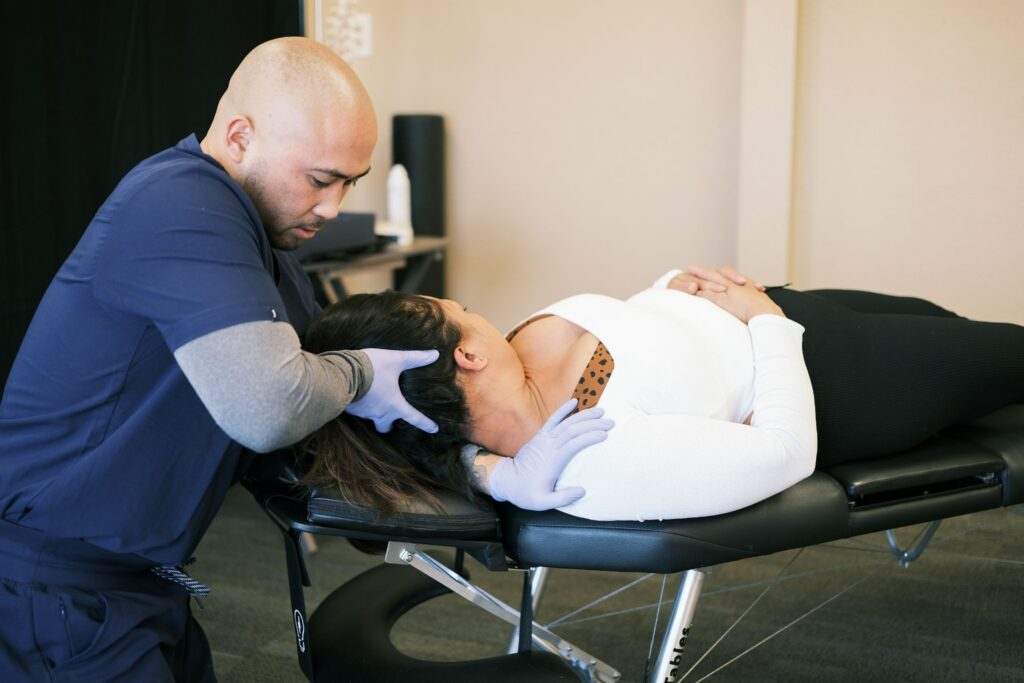
Utilizing chiropractic adjustments can considerably enhance spinal alignment and overall health. When you visit a chiropractor, they'll assess your spine and identify misalignments. These misalignments, or subluxations, can lead to discomfort, tension, and reduced mobility. By receiving targeted adjustments, you're not just alleviating pain; you're also promoting better function of your nervous system.
During an adjustment, your chiropractor uses their hands or specialized instruments to apply controlled force to specific joints. This process can restore your spine's natural position, allowing for improved communication between your brain and body. You might notice immediate benefits, such as reduced pain and increased range of motion, as well as long-term improvements in your posture and spinal health.
Regular chiropractic visits can also help prevent future misalignments, keeping your spine in prime condition. As a result, you'll likely experience increased energy levels, improved athletic performance, and an overall sense of well-being.
Physical Therapy Techniques
In recent years, physical therapy techniques have gained recognition as effective methods for improving spinal alignment and overall musculoskeletal health. If you're dealing with back pain or postural issues, a skilled physical therapist can help you regain balance and strength.
They typically start with an assessment to identify your specific alignment problems, then create a tailored treatment plan.
You might engage in targeted exercises that strengthen your core and back muscles. These exercises not only enhance stability but also promote proper posture, which is essential for spinal alignment.
Stretching techniques are also common, as they help alleviate tension in tight muscles that can pull your spine out of alignment.
Manual therapy techniques, like mobilizations or manipulations, can be incorporated to improve flexibility and reduce pain. Additionally, your therapist may teach you ergonomic strategies to use in daily activities, ensuring you maintain good posture while sitting, standing, or lifting.
Incorporating these physical therapy techniques into your daily routine can lead to long-lasting improvements in your spinal health, allowing you to move more freely and comfortably.
Mindfulness and Body Awareness
Mindfulness and body awareness go hand in hand, creating a powerful synergy that can enhance your spinal alignment techniques. When you're mindful, you're more in tune with your body's signals, allowing you to recognize tension and misalignment before they become problematic.
By practicing mindfulness, you can foster a deeper awareness of your posture and movements, which plays a vital role in maintaining a healthy spine.
Here are three effective ways to cultivate mindfulness and body awareness for better spinal alignment:
- Breath Awareness: Start by focusing on your breath. Inhale deeply and exhale slowly, paying attention to how your body feels with each breath. This practice helps ground you in the present moment and creates a connection between your mind and body.
- Body Scanning: Take a few minutes to perform a body scan. Lie down comfortably and mentally check in with each part of your body, from your head to your toes. Notice any tension or discomfort, particularly in your back and neck. This technique helps you identify areas needing attention and encourages relaxation.
- Posture Checks: Throughout the day, take a moment to assess your posture. Whether sitting or standing, verify your spine is aligned and your shoulders are relaxed. Frequent posture checks can remind you to adjust and maintain ideal alignment.
Nutrition's Role in Spine Health
Proper nutrition is essential for maintaining a healthy spine, as the foods you eat directly impact the strength and flexibility of your bones and muscles. A balanced diet rich in vitamins and minerals plays an important role in spinal health.
Calcium and vitamin D are particularly significant for bone density. You can find calcium in dairy products, leafy greens, and fortified foods, while vitamin D can be sourced from sunlight exposure, fatty fish, and fortified cereals.
In addition to calcium and vitamin D, magnesium is crucial for muscle function and nerve transmission. Foods like nuts, seeds, whole grains, and legumes can help guarantee you get enough magnesium.
Omega-3 fatty acids, found in fatty fish, flaxseeds, and walnuts, also contribute to reducing inflammation, which can help alleviate back pain and promote overall spinal health.
Don't forget about hydration! Drinking plenty of water keeps your intervertebral discs hydrated, allowing them to maintain their cushioning properties.
Dehydration can lead to reduced flexibility, increasing the risk of injury.
Moreover, maintaining a healthy weight through proper nutrition can alleviate stress on your spine. Excess weight forces your spine to support additional strain, which can lead to misalignment and discomfort.
Tools and Resources for Support
Exploring tools and resources for spinal support can greatly enhance your spine health journey. By incorporating the right tools into your routine, you can maintain better alignment and reduce discomfort.
Here are three essential resources to reflect upon:
- Ergonomic Chairs: Investing in an ergonomic chair is crucial for those who spend long hours sitting. These chairs promote proper posture by supporting your lower back and encouraging a neutral spine position. Look for adjustable features that allow you to customize your fit.
- Spinal Alignment Apps: Technology can be your ally in achieving better spinal health. Several apps offer exercises, reminders, and tips for maintaining good posture throughout the day. They can help you track your progress and stay motivated on your journey to a healthier spine.
- Foam Rollers: Incorporating foam rolling into your routine can alleviate tension and improve mobility. They help release tight muscles around the spine, allowing for better alignment and flexibility. Regular use can greatly enhance your overall spinal health.
Conclusion
Incorporating these trusted techniques for better spinal alignment into your daily routine can make a significant difference in your overall well-being. By being mindful of your posture, engaging in beneficial exercises, and enhancing your workspace, you're taking proactive steps toward a healthier spine. Don't forget the importance of professional treatments and nutrition in supporting your spinal health. With consistency and awareness, you can achieve and maintain ideal alignment, enhancing your quality of life.