
When it comes to back pain, a one-size-fits-all solution often falls short. You might find that understanding your unique situation—considering your lifestyle, medical history, and emotional well-being—can be the key to transforming your experience. By embracing a personalized approach, you can discover tailored exercise plans and pain management techniques that truly resonate with you. But what does this customized journey look like, and how can it lead to lasting relief? The answer might surprise you.
Understanding Back Pain
Back pain is a common issue that many people experience at some point in their lives. You might feel that nagging discomfort after a long day at work, or it could hit you suddenly after lifting something heavy. Understanding the nature of your back pain is vital for managing it effectively.
There are several factors that can contribute to back pain, including muscle strain, poor posture, and underlying health conditions. When you sit for prolonged periods or lift objects incorrectly, you might overextend or strain your muscles, leading to pain.
Additionally, age-related changes, such as arthritis or degenerative discs, can exacerbate discomfort.
You may also notice that emotional stress plays a role in your back pain. Stress can lead to muscle tension, which can further aggravate your symptoms. It's important to recognize how your lifestyle and emotional state can influence your back health.
To truly understand your back pain, consider keeping a pain journal. Note when the pain occurs, its intensity, and any activities that seem to trigger or relieve it. This information can be invaluable when discussing your symptoms with a healthcare professional.
The Importance of Personalization
When it comes to managing back pain, one-size-fits-all solutions just won't cut it.
You need individualized treatment plans and tailored exercise programs that address your unique needs and circumstances.
Individualized Treatment Plans
Personalized treatment plans are vital for effectively managing back pain. Each person's experience with back pain is unique, influenced by factors like lifestyle, medical history, and individual pain thresholds. That's why a one-size-fits-all approach often falls short.
Instead, an individualized plan takes into account your specific needs and circumstances, creating a roadmap tailored just for you.
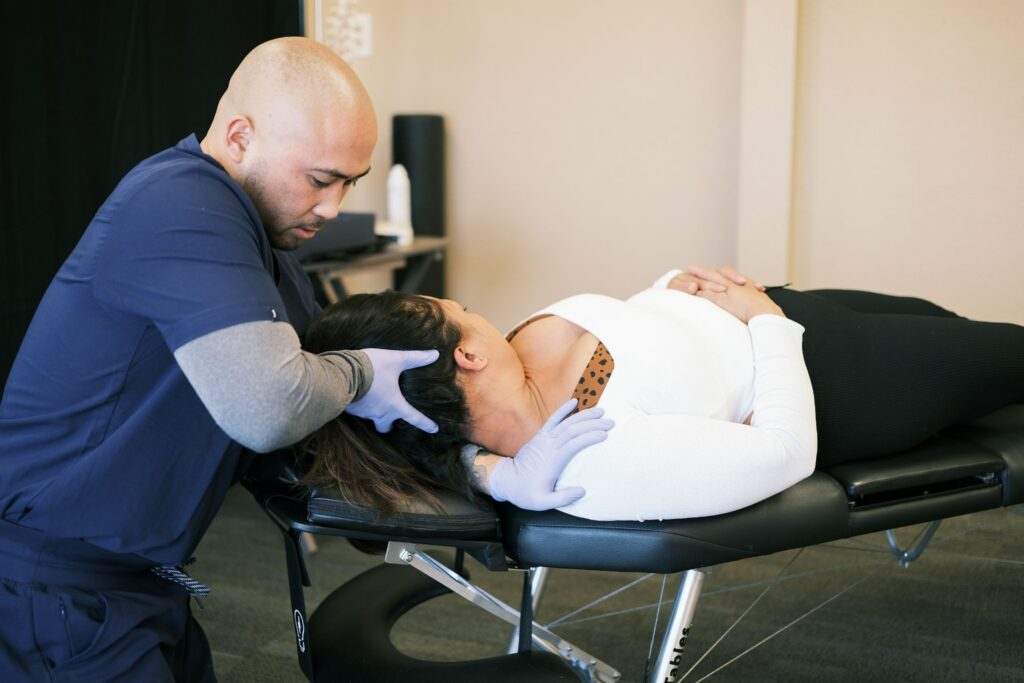
When you work with healthcare professionals to develop your plan, they'll assess your condition thoroughly. They'll consider not just the physical aspects of your pain but also emotional and psychological factors. You might find that combining different treatments—like medication, physical therapy, or alternative therapies—works best for you.
Moreover, regular follow-ups will allow adjustments to be made as your condition evolves. This adaptability guarantees that your treatment remains effective over time.
You'll also be encouraged to actively participate in your recovery, empowering you to take control of your health journey.
Tailored Exercise Programs
Tailored exercise programs play an essential role in managing back pain effectively. When you customize your workouts to your specific needs and limitations, you're more likely to see improvements. Not every back pain condition is the same, so a one-size-fits-all approach won't work for everyone. By focusing on your unique situation, you can target the underlying causes of your pain.
Start by consulting a healthcare professional or physical therapist who understands your condition. They'll help design a program that includes a mix of strength training, flexibility exercises, and aerobic activities. As you progress, be sure to adjust your program to reflect any changes in your pain levels or physical abilities. This way, you'll keep challenging your body without risking injury.
Incorporating specific exercises, like core strengthening and stretching, can greatly enhance your overall function and mobility.
Customized Exercise Plans
Creating a customized exercise plan can be a game changer for managing back pain. By tailoring your routine to fit your specific needs, you can't only alleviate discomfort but also strengthen the muscles that support your spine. This personalized approach guarantees that you're addressing the root causes of your pain while avoiding activities that could worsen your condition.
First, it's crucial to assess your current fitness level and identify any limitations. You might want to consult a physical therapist or a fitness professional who specializes in back pain. They can help you understand which movements are safe and effective for you.
Once you have this baseline, you can incorporate exercises that focus on flexibility, strength, and stability. Start with gentle stretches to improve flexibility, targeting areas like your hamstrings and hip flexors, which can greatly impact your back.
Gradually introduce strength-training exercises aimed at your core, as a strong core helps support your spine. Activities like planks, bridges, and controlled leg lifts can be beneficial.
Don't forget about low-impact cardio options like walking, swimming, or cycling. These activities can enhance blood flow to your muscles, aiding recovery.
Tailored Pain Management Techniques
As you work on your customized exercise plan, it's important to complement it with effective pain management techniques. Tailoring your approach to pain management can notably enhance your overall well-being and help you achieve your fitness goals.
Start by identifying the specific types of pain you're experiencing—whether it's sharp, dull, or radiating. This understanding will guide your choices in managing it effectively.
Over-the-counter pain relievers, such as ibuprofen or acetaminophen, can be effective for short-term relief. However, it's vital to consult with a healthcare professional before starting any medication.
If you're looking for alternative options, consider topical treatments, like creams or patches, which can target localized pain without systemic side effects.
Heat and cold therapy are also powerful tools. Applying heat can relax tight muscles and increase blood flow, while cold therapy can reduce inflammation and numb sharp pain. Experiment with both to see which one works best for you.
Furthermore, integrating stretching and mobility exercises into your routine can help alleviate tension and improve flexibility, reducing pain over time.
Don't overlook the benefits of regular breaks during prolonged activities, as these can prevent stiffness and discomfort.
Finally, keep a pain diary to track what techniques provide the most relief. This personalized record will help you refine your approach and communicate effectively with your healthcare provider about what's working and what isn't.
With these tailored pain management techniques, you can enhance your journey toward pain-free living.
Integrating Mind-Body Approaches
Integrating mind-body approaches can greatly enhance your journey in managing back pain. These techniques focus on the connection between your mental and physical well-being, helping you to develop a holistic strategy for relief. By tapping into the power of your mind, you can influence your body's pain response and improve your overall quality of life.
Consider incorporating the following practices into your routine:
- Mindfulness Meditation: Engaging in mindfulness can help you cultivate a sense of awareness and acceptance of your pain, reducing anxiety and stress related to your condition.
- Yoga and Stretching: These practices promote flexibility and strength, while also encouraging relaxation. They can help you develop better posture and body mechanics, which are essential in alleviating back pain.
- Breathwork: Simple breathing exercises can help you manage pain. By focusing on your breath, you can activate your relaxation response, which may lessen your perception of discomfort.
Incorporating these mind-body techniques into your pain management plan not only addresses physical symptoms but also emotional and psychological aspects of back pain.
As you explore these approaches, remember that consistency is key. Integrating these practices into your daily life may lead to significant improvements in how you experience and manage your pain.
Embrace this journey, and you might just discover a new level of empowerment in your healing process.
Success Stories and Case Studies
Through real-life experiences and testimonials, success stories highlight how individuals have transformed their back pain journeys.
Take Sarah, for example. After struggling with chronic pain for years, she discovered a personalized approach that combined physical therapy, mindfulness, and tailored exercises. By focusing on her unique needs, she learned to manage her pain effectively and reclaim her life.
Then there's Mike, who faced debilitating back issues due to his job's physical demands. With the help of a specialized program that addressed his work-related stresses and body mechanics, he not only alleviated his pain but also improved his overall strength and flexibility. His case illustrates how recognizing the impact of lifestyle factors can lead to significant improvements.
Another inspiring story is that of Jenna, who battled emotional stress alongside her physical pain. By integrating cognitive behavioral therapy with movement practices, she experienced a remarkable shift. Understanding the connection between her mind and body empowered her to break free from the cycle of pain.
These cases show that personalized interventions can lead to remarkable outcomes. Each individual's journey is unique, but the common thread is the emphasis on customization.
Whether through lifestyle changes, therapeutic techniques, or emotional support, you can find a path that resonates with your needs. By learning from these success stories, you're encouraged to explore options that can transform your own back pain experience.
Your journey toward relief and empowerment starts with recognizing the power of personalization.
Conclusion
In transforming your experience with back pain, embracing personalization is key. By focusing on your unique lifestyle, medical history, and emotional well-being, you can create a tailored plan that truly works for you. Customized exercise regimens and targeted pain management techniques empower you to regain strength and mobility. Remember, you're not alone on this journey; countless success stories show that with the right approach, you can achieve effective and sustainable recovery. Your path to healing starts now!