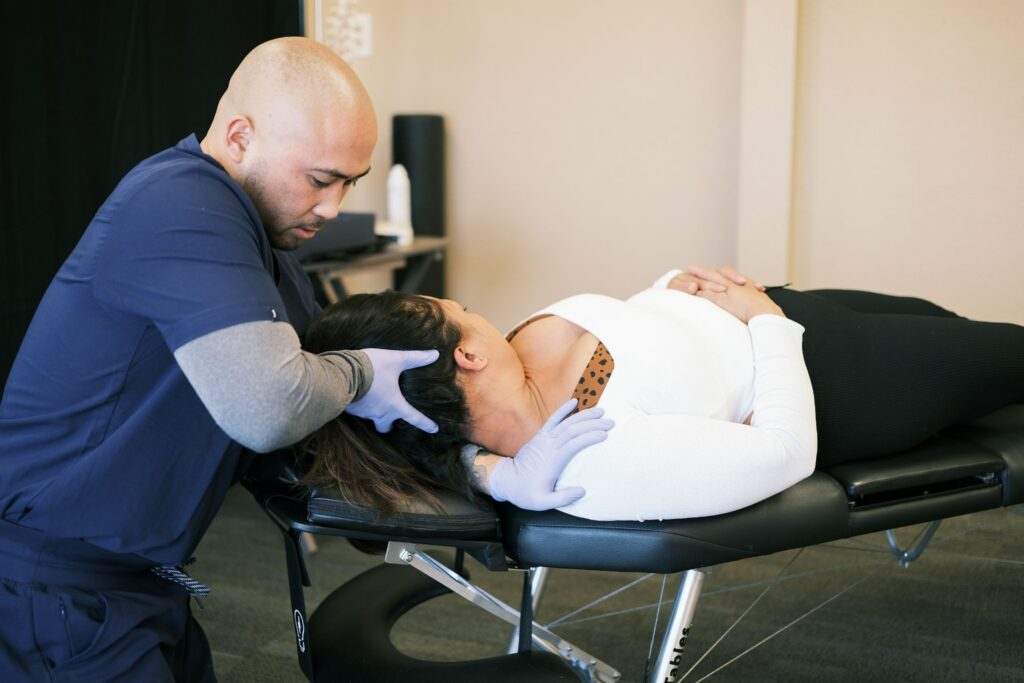

As a local chiropractor, I want to emphasize the profound impact your posture has on your overall well-being. Many people don't realize that making small adjustments can lead to significant improvements in how you feel. By incorporating natural care solutions, such as mindful stretching and core-strengthening exercises, you can enhance your alignment and alleviate discomfort.
It's also important to consider the role of lifestyle changes and natural remedies in this process. As you explore these methods, you may uncover insights that transform your daily routine and improve your quality of life. Just think—what if a few simple shifts in your habits could lead to lasting benefits? Embracing these adjustments can be a powerful step toward better health and wellness.
Understanding Posture and Its Impact
As your local chiropractor, I want to share with you how important good posture is for your overall health and well-being. It's not just about how you sit or stand; it's about creating a foundation for a healthier life. Proper alignment of your body can alleviate physical discomfort and enhance your mental clarity.
Picture this: by simply adjusting the way you hold yourself, you can feel more energetic and focused throughout your day.
A key player in your posture is your spine. When you maintain its natural curvature, you promote better alignment, which helps reduce strain on your muscles and joints. Unfortunately, slouching or hunching over can put excessive pressure on your spine, leading to pain and stiffness.
You may not realize it, but poor posture can even impact your breathing. When your shoulders are slumped, it restricts your lung capacity, often leaving you feeling fatigued.
Moreover, your posture can significantly influence your mood and confidence. Standing tall can promote a sense of strength and self-assurance, while slouching may signal insecurity. This connection between body language and mental state is profound; when you consciously adjust your posture, you might notice a boost in your positivity and readiness to face challenges.
To improve your posture, I encourage you to be mindful of how you hold your body throughout the day. Take short breaks to stretch, participate in exercises that strengthen your core, and practice mindful breathing.
Importance of Ergonomics
As a local chiropractor, I want to emphasize the importance of understanding ergonomics in your daily life. Maintaining proper posture is crucial for your overall well-being, and creating an ergonomic workspace is a key step towards achieving this. By doing so, you can improve your comfort and productivity while also promoting long-term health benefits.
Let me explain how the right setup can make a significant difference in your everyday activities. When your workspace is designed with ergonomics in mind, it helps reduce strain on your body, which can prevent discomfort and injuries. This, in turn, allows you to focus better on your tasks without the distractions of pain or discomfort.
By prioritizing ergonomic practices, you not only enhance your daily performance but also support your body's natural healing processes. I encourage you to consider how small adjustments in your work environment can lead to a healthier, more productive lifestyle.
Benefits of Proper Posture
As a local chiropractor, I want to emphasize that proper posture isn't just about appearing confident; it's crucial for your overall health and well-being. When you practice good posture, you help align your bones, joints, and muscles. This alignment significantly reduces strain on your body and can prevent injuries. Many of my patients have found that simply standing or sitting up straight alleviates discomfort in their back, neck, and shoulders, allowing them to feel more comfortable throughout their daily activities.
Furthermore, maintaining proper posture is beneficial for your digestive and respiratory systems. A well-aligned spine provides your internal organs with the space they need to function effectively. You may even notice a boost in your energy levels, as your body expends less effort supporting itself when you're aligned properly.
Good posture also plays a key role in enhancing focus and productivity. When you sit or stand correctly, you improve blood flow and oxygen delivery to your brain, which helps you concentrate better and think more clearly.
Incorporating proper posture into your everyday routine can uplift your mood and increase your confidence. When you carry yourself well, it often leads to greater self-assurance, positively affecting your interactions with others.
As your chiropractor, I encourage you to start embracing good posture today and experience these transformative benefits firsthand!
Ergonomic Workspace Essentials
As a chiropractor, I want to emphasize the importance of creating an ergonomic workspace to maintain good posture and support your overall health, particularly if you find yourself spending long hours at a desk. One of the first steps is to adjust your chair so that your feet rest flat on the floor, with your knees positioned at or slightly below hip level. This alignment is crucial as it allows your back to be supported by the chair, promoting a natural curve that can help prevent discomfort and strain.
Next, let's talk about the positioning of your desk and monitor. Ideally, your monitor should be at eye level to minimize neck strain and encourage proper alignment of your head with your spine. If you predominantly work on a laptop, investing in a laptop stand or an external monitor can help you achieve this optimal height.
Additionally, using a separate keyboard and mouse can significantly reduce wrist strain, which is essential for preventing repetitive stress injuries.
Lighting is another critical factor that often gets overlooked. Proper lighting not only reduces eye strain but also helps maintain your focus. A desk lamp with adjustable brightness can be a valuable tool in your workspace setup.
Finally, I can't stress enough the importance of taking breaks. It's vital to stand up, stretch, and move around every hour. This simple habit can enhance circulation and prevent stiffness, which is crucial for maintaining your musculoskeletal health.
Long-term Health Impacts
As a local chiropractor, I want to shed light on the importance of ergonomics in your workspace and how neglecting this aspect can lead to significant long-term health issues. Many individuals may not realize that poor posture and an improperly set up workstation can contribute to chronic pain, especially in your back, neck, and shoulders. Over time, these discomforts can escalate, impacting not only your productivity but also your overall well-being.
One of the common issues I see in my practice is repetitive strain injuries, which can severely limit your mobility and lead to lengthy recovery periods. Conditions such as carpal tunnel syndrome are also on the rise, and they can make even the simplest everyday tasks painful. If you find yourself constantly straining your body, you may also notice increased fatigue, which can hinder your ability to focus and maintain your energy throughout the day.
It's important to understand that these physical health impacts can also take a toll on your mental health, leading to increased stress and anxiety. That's why I encourage my patients to implement ergonomic solutions in their workspaces. Simple changes like using an adjustable chair, ensuring your desk is at the right height, and taking regular breaks can make a world of difference.
By prioritizing your comfort now, you can prevent serious health complications down the road. Remember, making small adjustments to your environment can lead to a healthier work life and enhance your overall quality of life.
Stretching Exercises for Better Posture
As a chiropractor, I want to emphasize the importance of stretching exercises in improving your posture, enhancing flexibility, and reducing muscle tension.
These simple yet effective movements can easily be incorporated into your daily routine, helping you alleviate discomfort and promote better spinal alignment.
Let me guide you through a few stretches you can perform in the comfort of your home.
First, let's start with the chest opener stretch. Stand tall and interlace your fingers behind your back. Gently pull your shoulders back while lifting your arms.
This stretch is particularly beneficial for counteracting the rounded shoulders that can develop from prolonged sitting, which is so common in our daily lives.
Next, I recommend the upper back stretch. Whether seated or standing, extend your arms in front of you and round your upper back as you push your hands away.
Hold this position for 15 to 30 seconds. This stretch focuses on the muscles that often tighten due to poor posture habits, helping to relieve that tension.
Don't overlook the hip flexor stretch. Kneel on one knee with the opposite foot in front, forming a 90-degree angle.
As you shift your weight forward slightly while keeping your back straight, you'll be opening up tight hip flexors that can contribute to a slouched posture.
Finally, let's incorporate the neck stretch. Gently tilt your head to one side, bringing your ear toward your shoulder.
Hold for about 15 seconds before switching sides. This stretch is essential for relieving tension in your neck, which is crucial for maintaining an upright and healthy posture.
Incorporating these stretches into your daily routine can significantly enhance your overall well-being and posture.
Strengthening Key Muscle Groups
As a local chiropractor, I want to emphasize the importance of strengthening key muscle groups to enhance your posture. Many people are unaware that engaging your core, upper back, and hip flexors is crucial for stabilizing your body and maintaining proper alignment.
By focusing on these areas, you can significantly improve your overall health and well-being.
Let's discuss some effective exercises that can help you build strength in these muscle groups. Not only will these exercises support your posture, but they'll also promote a more balanced and resilient body.
It's all part of a natural approach to healing and wellness that I believe can greatly benefit everyone.
Core Stability Exercises
As a local chiropractor, I want to emphasize the importance of core stability exercises in supporting your spine and improving your overall posture. Many people may not realize that a strong core is vital for maintaining a healthy back and preventing discomfort.
Your core consists of the muscles in your abdomen, lower back, and pelvis, all of which play a critical role in providing stability for your body. When your core is strong and stable, it creates a solid foundation that helps you maintain proper alignment during your daily activities, whether you're sitting at a desk, lifting objects, or engaging in physical exercise.
Incorporating core stability exercises into your routine can lead to remarkable improvements in your posture and overall well-being. Here are a few exercises I recommend to get started:
- Planks: This exercise engages your entire core, along with your arms and legs, promoting overall stability and strength.
- Dead Bugs: This exercise challenges your coordination and control, enhancing core strength while supporting spinal alignment.
- Bird Dogs: By focusing on balance and stability, this exercise encourages proper movement patterns and offers support to your spine.
- Side Bridges: Targeting your oblique muscles, this exercise helps reinforce lateral stability, which is crucial for good posture.
As you begin to incorporate these exercises into your routine, you may notice not only improved posture but also a reduction in discomfort and tension in your back.
Upper Back Strengthening
As a chiropractor, I want to emphasize the importance of strengthening your upper back for better posture and overall spinal health. Many of us spend long hours sitting or using electronic devices, which can lead to a forward hunch. This is where strong upper back muscles come into play. When the muscles in your upper back are well-developed, they help counteract that slouched position, promoting better alignment and reducing discomfort.
Key muscle groups to focus on include the rhomboids, trapezius, and rear deltoids. Strengthening these areas can significantly enhance your posture and decrease the likelihood of pain.
I recommend incorporating simple exercises into your routine, such as bent-over rows, resistance band pull-aparts, and seated rows. Bent-over rows are great for engaging multiple muscle groups and enhancing shoulder stability. Resistance band pull-aparts effectively activate the muscles between your shoulder blades, while seated rows contribute to the overall strength of your upper back.
Aim to incorporate these exercises two to three times a week, and as you progress, gradually increase the weight or resistance. Remember, consistency is essential in building strength.
As you strengthen your upper back, you'll likely notice improvements not only in your posture but also in how your body moves throughout the day. A strong upper back provides essential support for your spine, allowing you to stand taller and move more efficiently in your daily activities.
If you're new to chiropractic care or natural healing, I encourage you to consider how these practices can complement your exercise routine and contribute to your overall well-being.
Together, we can work towards achieving a healthier spine and a more balanced body.
Hip Flexor Engagement
As a local chiropractor, I want to emphasize the importance of engaging your hip flexors for maintaining optimal posture and enhancing your overall mobility.
Strong and active hip flexors provide vital support to your spine and pelvis, enabling you to stand tall and move with ease. If these muscles are neglected, you may experience tightness, discomfort, and a decline in your posture.
To effectively engage your hip flexors, I recommend incorporating specific exercises into your routine that focus on these essential muscle groups. Here are a few you can try:
- Marching in place: Lift your knees deliberately as you march, allowing you to feel the strength building in your hips.
- Lunges: Step forward into lunges, which not only stretch but also strengthen your hip flexors during each movement.
- Seated leg lifts: Sit on the edge of a sturdy chair, lift your feet off the ground, and hold this position to activate those key muscles.
- Yoga poses: Engage in poses like the warrior, where you can feel your hips both opening and strengthening.
As you practice these exercises, I encourage you to pay close attention to your posture. Keep your spine aligned and shoulders relaxed.
By regularly engaging your hip flexors, you'll enhance your posture and improve your overall body mechanics. Incorporating these exercises into your daily life can lead to significant benefits, including increased mobility and reduced discomfort.
Make it a part of your wellness routine and experience the positive impact of strong hip flexors on your health!
Mindfulness and Body Awareness
As a chiropractor, I want to emphasize the importance of mindfulness and body awareness in enhancing your posture and overall spinal health. Many of my patients are unaware of how much our daily habits can impact our bodies. By cultivating a deeper connection between your mind and body, you can identify and correct bad posture habits that may be contributing to discomfort.
Start by taking a moment to check in with yourself throughout the day. Are your shoulders tense? Is your back rounded? Recognizing these signs allows you to make necessary adjustments, which is a crucial step towards better posture and spinal alignment.
Incorporating mindfulness into your routine doesn't have to be complicated. I recommend setting aside just a few minutes each day to practice deep breathing. Focus on your breath as you inhale and exhale, and pay attention to the sensations in your body. Notice any areas of tension, and consciously work to relax those muscles. This practice not only helps calm your mind but also encourages a more aligned posture, which is essential for your spine's health.
Additionally, consider engaging in body awareness exercises like yoga or tai chi. These activities promote a better understanding of your body's movements and help align your physical state with your mental state. As you become more in tune with your body, you'll find it easier to maintain a neutral spine and relaxed shoulders throughout your day, which is vital for preventing pain and promoting overall wellness.
Natural Remedies for Pain Relief
As a local chiropractor, I often see patients who are unaware of how their body's tension can affect their posture and overall well-being. Recognizing these tension points is a crucial first step in our journey toward better posture and pain relief.
Once we identify these areas, I encourage you to consider natural remedies that can help alleviate discomfort and restore balance to your body.
Many people believe that over-the-counter medications are the only solution for pain relief, but there are effective natural alternatives that can complement our chiropractic care:
- Essential oils: Lavender and peppermint oils are wonderful options. When massaged into tense muscles, they provide a calming effect while also reducing inflammation. This can enhance the results of your chiropractic adjustments.
- Heat therapy: Using a warm compress or heating pad can work wonders for tight muscles. The warmth helps to relax them, increases blood flow, and promotes healing, which aligns perfectly with the goals of chiropractic treatment.
- Cold therapy: On the flip side, applying ice packs to swollen or painful areas can significantly reduce inflammation and numb discomfort. This is especially useful after a chiropractic adjustment to help your body adjust.
- Herbal teas: Sipping on soothing herbal teas like ginger or chamomile can help ease tension and promote relaxation. A relaxed body is more conducive to maintaining good posture and reaping the benefits of chiropractic care.
By integrating these natural remedies into your routine, you can enhance your healing process and support your overall health.
Lifestyle Changes for Long-Term Success
As your local chiropractor, I want to share some essential lifestyle changes that can lead to lasting improvements in your posture and overall health.
It's crucial to start by assessing your daily habits. Do you find yourself sitting for long periods at your desk? If that's the case, I encourage you to integrate regular movement into your routine. Setting a timer to remind you to stand up and stretch every hour can make a significant difference. Simple stretches can relieve tension and help reset your posture, which is vital for your spine's health.
Additionally, let's take a closer look at your workspace. Ensuring that your chair and desk are ergonomically aligned is key. Your computer screen should be at eye level, and your feet should rest flat on the ground. Investing in a chair that offers support for your lower back can greatly enhance your comfort and posture.
I also recommend incorporating physical activity into your daily life. Engaging in activities such as yoga, Pilates, or swimming can help strengthen your core muscles, which play an essential role in maintaining good posture. Aim for at least 30 minutes of exercise most days of the week to keep your body strong and aligned.
Mindfulness practices, including meditation, can also benefit your posture. By developing a heightened awareness of your body, you'll find it easier to notice when you're slouching or holding tension, which can lead to better posture habits over time.
Don't overlook the importance of nutrition either. A balanced diet that includes anti-inflammatory foods can alleviate pain and discomfort, making it easier to maintain proper posture throughout your day.
Finally, prioritize your sleep. A restful night's sleep on a supportive mattress is crucial for your body to recover and reinforce good posture habits.
By making these lifestyle changes, you won't only enhance your posture but also improve your overall well-being, setting the stage for long-term success in your health journey.
If you have any questions about how chiropractic care can support these changes, I'm here to help!
Conclusion
As a local chiropractor, I want to share how embracing natural care solutions can significantly improve your posture and overall well-being. It's important to incorporate mindful movements, core-strengthening exercises, and stretches into your daily routine. These practices not only help align your spine but also promote better bodily function.
Additionally, consider the benefits of natural remedies for relief from discomfort and the importance of creating a supportive sleep environment. A good night's sleep is crucial for your body's recovery and posture health.
By making consistent efforts and adjustments to your lifestyle, you can enhance your posture and cultivate a healthier, more balanced life. I encourage you to take the first step today towards a better version of yourself—your body will thank you!