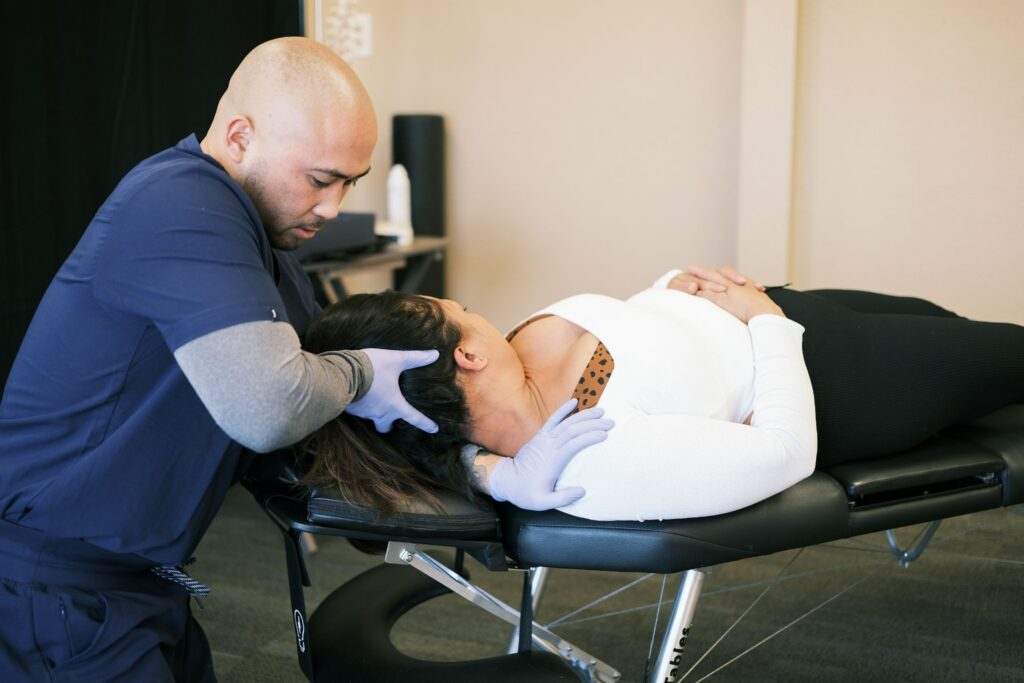

As your local chiropractor, it’s important for me to share how crucial your posture is for your back health. Many people might not realize that proper alignment can greatly impact your comfort and mobility. When your posture is off, it can lead to unnecessary discomfort and limitations in your daily activities.
Understanding the link between posture and back pain is the first step towards relief. It’s not just about remembering to sit up straight; there are numerous factors that contribute to your overall alignment. By making small adjustments in the way you sit, stand, and move, you can experience significant improvements in your daily life.
Let’s work together to explore these changes and discover how chiropractic care and natural healing can enhance your well-being and help you conquer back pain for good!
Understanding the Link Between Posture and Back Pain
As a local chiropractor, I want to help you understand how your posture plays a significant role in your back health. Many people don’t realize that slouching or sitting in an awkward position can have a profound effect on your spine.
Poor posture creates unnecessary stress on your back, resulting in discomfort and pain. Your muscles and ligaments are constantly working to support your body, but when your spine isn’t properly aligned, they become overextended and fatigued. This misalignment can lead to tension, stiffness, and, over time, even chronic pain.
When you maintain good posture, your muscles can work more efficiently, which reduces the strain on your back. Proper alignment allows you to distribute your body weight evenly, minimizing the pressure on your spine and the surrounding tissues.
It’s crucial to remain aware of your posture throughout the day, whether you’re sitting at your desk or moving around. By understanding the connection between posture and back pain, you can take proactive measures to improve your alignment and enhance your overall well-being.
Common Posture Mistakes to Avoid
As a local chiropractor, I often see patients who are unaware of the common posture mistakes that can contribute to back pain. One of the most frequent issues I encounter is slouching, whether while sitting or standing. When you hunch your shoulders and curve your back, it puts unnecessary strain on your spine and the muscles around it.
Another common problem is prolonged sitting, particularly when proper lumbar support is lacking. It’s crucial to choose a chair that supports your lower back and promotes a neutral spine position to help alleviate discomfort.
Many individuals also fall into the trap of craning their necks forward while using their phones or computers, a condition often referred to as “tech neck.” This posture can lead to tension and discomfort in your neck and shoulders.
Similarly, when walking, it’s important to keep your head up and maintain an aligned posture; looking down can disrupt your body’s alignment.
Lastly, I can’t stress enough the importance of engaging your core muscles. A strong core acts as a natural support system for your spine, allowing you to maintain proper posture throughout your daily activities.
By being aware of these common posture mistakes and making some simple adjustments, you can take significant steps toward improving your posture and reducing back pain.
As your chiropractor, I’m here to guide you on your journey to better health and well-being through natural healing.
Benefits of Good Posture
As a local chiropractor, I want to share with you the incredible benefits of maintaining good posture, which can significantly enhance your health and well-being.
Many people may not realize how much their posture affects their daily lives, so let’s explore a few key advantages:
1. Reduced Pain: Proper posture is crucial for minimizing the strain on your spine and surrounding muscles. By aligning your body correctly, you can alleviate discomfort, particularly in your back and neck, which many of my patients experience.
2. Increased Energy: When your body is in alignment, it operates more efficiently. This means that everyday activities require less energy, allowing you to feel more vibrant and energized throughout the day.
Many of my patients notice a marked improvement in their energy levels once they start focusing on their posture.
3. Improved Confidence: Believe it or not, how you hold yourself can influence your self-esteem. Standing tall not only affects how others perceive you but also how you perceive yourself.
I often encourage patients to adopt good posture as a way to enhance their confidence in both social and professional environments.
By embracing good posture, you’re not just improving your appearance; you’re investing in your health and quality of life.
If you’re interested in learning more about how chiropractic care can support your journey toward better posture and overall wellness, I’m here to help!
Simple Exercises to Improve Posture
As a local chiropractor, I want to share some effective exercises that can help improve your posture.
By focusing on simple stretches to enhance flexibility and strengthening your core muscles, you can start to notice significant changes in how you hold yourself. These movements not only allow you to stand taller but also alleviate discomfort that may be affecting your daily life.
I encourage you to incorporate these exercises into your routine, as they can play a vital role in supporting your spine and overall well-being. Embracing these natural methods can lead to a healthier, more confident posture.
Stretching for Flexibility
As a local chiropractor, I want to share with you the incredible benefits of regular stretching for improving flexibility and posture. Many people may not realize how simple stretches can play a significant role in your overall well-being.
By incorporating just a few stretches into your daily routine, you can experience remarkable improvements. Here are three effective stretches that I recommend:
- Chest Stretch: Stand tall and clasp your hands behind your back. Gently pull your shoulders back and down, allowing your chest to open up. Hold this position for 15-30 seconds. This stretch not only helps improve your posture but also opens up the chest area, which can relieve tension from sitting for long periods.
- Cat-Cow Stretch: Get on your hands and knees on a comfortable surface. Alternate between arching your back towards the ceiling (like a cat) and lowering your belly towards the ground (like a cow). This dynamic movement is excellent for improving spinal flexibility and can help alleviate back discomfort.
- Hip Flexor Stretch: Step one foot forward into a lunge position while keeping your back knee on the ground. Push your hips forward gently to stretch the hip flexors. Hold this position for 15-30 seconds on each side. This stretch is particularly beneficial for those who spend a lot of time sitting, as it helps to counteract tightness in the hips.
I encourage you to incorporate these stretches into your daily routine. They can enhance your posture, relieve muscle tension, and contribute to your overall health.
Strengthening Core Muscles
As a local chiropractor, I want to emphasize that improving your posture isn’t just about stretching; it’s equally important to strengthen your core muscles. A strong core is vital for supporting your spine and maintaining proper alignment, which can prevent many common issues.
To get started, I recommend incorporating simple exercises into your routine, such as planks and bridges. For planks, position yourself in a push-up stance and engage your core, holding the position for 20-30 seconds.
Bridges are another effective exercise: lie on your back with your knees bent, then lift your hips toward the ceiling. Aim to complete three sets of 10-15 repetitions.
By regularly practicing these exercises, you can enhance your posture and potentially reduce back pain. Remember to focus on your breathing and keep your movements controlled to maximize effectiveness.
Consistency is crucial—make these exercises a regular part of your daily life, and you should begin to see noticeable improvements in your posture and overall well-being. If you have any questions about these exercises or how they relate to chiropractic care, feel free to ask during your next visit!
Ergonomic Tips for Your Workspace
As a local chiropractor, I want to emphasize the importance of creating an ergonomic workspace for your overall health and well-being, especially if you find yourself sitting for extended periods.
Making a few simple adjustments can significantly alleviate discomfort and promote healthier posture, which is crucial for preventing back pain.
Here are three key ergonomic tips to consider:
- Chair Height: It’s vital to adjust your chair so that your feet are flat on the floor and your knees form a 90-degree angle. This position keeps your hips slightly elevated compared to your knees, which is essential for maintaining proper spinal alignment and reducing strain on your back.
- Monitor Position: Your monitor should be at eye level and roughly an arm’s length away. This setup helps prevent neck strain and encourages you to sit back in your chair, rather than leaning forward—a common habit that can lead to discomfort over time.
- Keyboard and Mouse Placement: Position your keyboard and mouse so that your elbows remain close to your sides and are bent at a 90-degree angle. This arrangement minimizes shoulder tension and supports a relaxed posture, contributing to overall spinal health.
By implementing these ergonomic tips, you can create a healthier workspace that not only enhances your comfort but also supports your body’s natural alignment.
Stretching Techniques for a Healthier Spine
As a local chiropractor, I want to emphasize the importance of not only creating an ergonomic workspace but also incorporating stretching techniques into your daily routine. Stretching is a vital practice that helps alleviate tension in your muscles and promotes flexibility—both essential for maintaining a healthy spine.
Let’s start with some simple neck stretches. Gently tilt your head to one side and hold for about 15 seconds before switching to the other side. This movement can help relieve stiffness in your neck, which is often aggravated by prolonged sitting.
Next, I recommend a stretch for your upper back. Clasp your hands together and stretch them forward while rounding your shoulders. Hold this position for 20 seconds. This stretch can help open up your upper back and counteract the forward hunch that commonly develops from sitting at a desk.
A seated spinal twist is another excellent exercise to incorporate. While sitting comfortably, place your right hand on your left knee and gently twist your torso to the left, holding for 15 seconds. Then, switch sides. This twist can improve spinal mobility and ease tension in your back.
Finally, let’s focus on releasing lower back tension with a standing forward bend. Stand tall, hinge at your hips, and allow your upper body to hang forward for about 20 seconds. This position helps to decompress the spine and release any built-up tightness.
I encourage you to aim for these stretches every couple of hours throughout your day. By doing so, you can significantly enhance your spinal health and overall comfort.
The Role of Core Strength in Posture
As your local chiropractor, I want to emphasize the critical importance of core strength in maintaining good posture and overall stability in your body.
A strong core isn’t just about aesthetics; it plays a vital role in supporting your spine and can significantly reduce your risk of injuries.
By engaging in exercises that strengthen your core, you can enhance your posture and promote better alignment of your body.
Let’s delve into some effective exercises that can help you build core strength and improve your posture, ensuring a healthier and more balanced lifestyle.
Importance of Core Stability
As a local chiropractor, I often emphasize the importance of core stability to my patients, as it plays a crucial role in your overall health and well-being.
Think of your core as the foundation of a sturdy building; it supports your spine and the surrounding muscles, allowing you to maintain proper posture and body alignment throughout your daily activities.
Here’s why prioritizing core stability is essential:
1. Enhanced Balance: A strong core is key to maintaining your balance. This stability not only helps you perform daily tasks with ease but also significantly reduces the risk of falls and injuries, which is particularly important as we age.
2. Reduced Back Pain: Many patients come to me seeking relief from back pain. A well-developed core helps alleviate pressure on your spine, which can minimize discomfort and prevent chronic pain from developing.
By strengthening your core, you’re taking a proactive step toward a healthier back.
3. Improved Athletic Performance: For those of you who enjoy physical activities, whether it’s running, cycling, or lifting weights, a solid core can greatly enhance your strength and endurance.
This means you’ll be able to perform movements more efficiently and with less risk of injury.
Incorporating core stability exercises into your routine can be a natural way to support your chiropractic care and improve your overall health.
Exercises for Core Strength
As a local chiropractor, I want to share with you some fundamental exercises that can significantly enhance your core strength, which plays a crucial role in maintaining good posture and overall spinal health.
Let’s begin with planks. This exercise involves holding a strong position for 30 seconds to a minute, engaging your entire core. It’s a simple yet effective way to strengthen your abdominal muscles and support your spine.
Next, I recommend trying bridges. To perform this exercise, lie on your back, lift your hips towards the ceiling, and squeeze your glutes. This not only stabilizes your pelvis but also strengthens your lower back, which is vital for preventing discomfort.
Another excellent exercise is the bird-dog. Begin on your hands and knees, then extend one arm forward while simultaneously extending the opposite leg back. This movement helps to improve balance and coordination while maintaining a straight line from your fingertips to your toes.
Finally, consider incorporating Russian twists into your routine. Sit with your knees bent and lean back slightly, then twist your torso side to side while holding a weight. This exercise strengthens your oblique muscles, which are essential for rotational movements and overall core stability.
By regularly practicing these exercises, you’ll not only boost your core strength but also enhance your posture, reduce the risk of back pain, and improve your overall stability.
Mindfulness and Posture Awareness
As a chiropractor, I often see many individuals overlook the significant impact that mindfulness can have on posture awareness. Understanding this connection is crucial in maintaining a healthy spine and overall well-being.
By incorporating mindfulness into your daily routine, you can become more attuned to your body and recognize when your posture may be compromising your health. Here are three effective ways mindfulness can enhance your posture awareness:
- Body Scanning: I encourage you to take a moment each day to mentally scan your body. Pay attention to any areas of tension or discomfort, as these sensations can be indicators of poor posture. Identifying these issues early can help prevent further complications.
- Breath Awareness: Focusing on your breath is another powerful tool for improving posture. Engaging in deep, mindful breathing helps to relax your muscles, which can promote a more natural and aligned posture. When you breathe deeply, it encourages your body to adopt a more open and upright position.
- Regular Check-Ins: I recommend setting reminders throughout your day to pause and assess your posture. This practice not only reinforces your awareness but also empowers you to make the necessary adjustments to maintain a healthy alignment. Regular check-ins can significantly contribute to your overall spinal health.
By embracing these mindfulness techniques, you can foster better posture awareness and support your journey toward natural healing and wellness.
Incorporating Posture Checks Into Your Daily Routine
As a local chiropractor, I want to emphasize how crucial it’s to incorporate posture checks into your daily routine to improve your spinal health and overall comfort. One of the simplest ways to start is by setting reminders on your phone or placing sticky notes around your workspace as visual cues.
Every hour, take a moment to evaluate your posture. Are your shoulders relaxed? Is your back straight? If not, take the time to make the necessary adjustments.
When you’re seated, ensure that your feet are flat on the floor and your knees are at a right angle. This positioning helps maintain optimal spinal alignment. If you’re standing for extended periods, remember to shift your weight from one foot to the other to alleviate strain on your body.
Additionally, utilize breaks to walk around and stretch—these actions can significantly help you reset your posture throughout the day.
You can also integrate posture checks into your daily activities, such as when you’re brushing your teeth or waiting in line. By cultivating this mindfulness about your posture, you’ll develop a habit that promotes proper alignment, ultimately reducing tension and discomfort in your back.
Over time, these small adjustments can lead to significant improvements in your overall well-being. Remember, your posture plays a vital role in how your body feels, and I’m here to guide you on this journey to better health through chiropractic care and natural healing.
When to Seek Professional Help for Back Pain
When should you think about reaching out to a chiropractor for your back pain? If you’re experiencing discomfort that lingers or intensifies, it’s crucial to seek the guidance of a healthcare professional.
As a chiropractor, I often see patients who might benefit from understanding these three important signs that indicate it’s time to get help:
- Persistent Pain: If your back pain has been hanging around for more than a few weeks, it’s a clear signal to consult with a chiropractor. Chronic pain can reveal deeper issues within your spine or nervous system that need to be addressed through natural healing methods.
- Radiating Pain: Do you feel pain that travels down your legs? This could suggest nerve involvement, and it’s something that should be taken seriously. A chiropractor can assess your condition and provide treatments that may alleviate this worrying symptom.
- Loss of Function: Struggling to stand, walk, or carry out daily tasks due to back pain is a significant concern. If this resonates with you, don’t hesitate to reach out for professional help. Chiropractic care focuses on restoring proper function and mobility, allowing you to get back to your daily life.
It’s important not to overlook these signs, as ignoring them can lead to more serious complications down the line.
Early intervention through chiropractic adjustments and natural therapies can significantly enhance your mobility and overall well-being.
Conclusion
As a local chiropractor, I want to share with you how transforming your posture can be a crucial step in overcoming back pain and improving your overall health. Many people aren’t aware that maintaining proper body alignment plays a significant role in reducing discomfort. By incorporating core-strengthening exercises into your routine and making ergonomic adjustments to your workspace, you can alleviate pain and enhance your well-being.
I encourage you to perform regular posture checks throughout your day – it’s a simple yet effective practice. If you find that pain persists, don’t hesitate to reach out for professional assistance. Chiropractic care focuses on natural healing and can help you regain balance in your body.
Embrace these changes, and you’ll discover a newfound confidence and energy in your daily life. Remember, your journey to a pain-free existence begins with small, mindful adjustments today!