
When you're dealing with a sports injury, it's vital to know the top treatments that can aid in your recovery. You might find that a combination of rest, ice therapy, and compression techniques plays a significant role in alleviating pain and swelling. Physical rehabilitation is essential for regaining strength and flexibility, while alternative therapies like acupuncture could provide additional benefits. Understanding how to effectively implement these methods can make all the difference in your healing process. What's the best approach for you?
Rest and Recovery
When dealing with a sports injury, sufficient rest and recovery are essential for getting back in the game. You might be enthusiastic to return to your favorite activities, but rushing the process can lead to further damage and prolong your downtime.
Prioritize giving your body the time it needs to heal, as this is fundamental to a successful recovery.
Start by listening to your body. If you're in pain, that's your cue to take a step back. Allow yourself to rest, which means avoiding any activities that aggravate your injury. This doesn't just mean sitting still; gentle movements or stretches may help with circulation and prevent stiffness.
Pay attention to how your body responds and adjust your activities accordingly.
You should also consider the importance of sleep. Quality sleep aids in the healing process, helping your body repair tissues and reduce inflammation. Aim for a consistent sleep schedule and create a relaxing environment to maximize your rest.
Nutrition also plays a significant role in recovery. Fuel your body with nutrient-dense foods that support healing, such as lean proteins, fruits, and vegetables.
Lastly, don't hesitate to consult a healthcare professional if you're unsure about how to proceed. They can provide tailored advice and guide you through your recovery.
Ice Therapy
Applying ice therapy is one of the most effective methods for managing sports injuries. When you experience pain, swelling, or inflammation from an injury, ice can be your best friend. The cold helps reduce blood flow to the affected area, minimizing swelling and numbing the pain. This makes ice therapy particularly useful within the first 48 hours following an injury.
To effectively use ice therapy, start by applying ice directly to the injured area for about 15 to 20 minutes. You can use an ice pack, a bag of frozen peas, or even a towel soaked in cold water. Make sure to wrap the ice source in a cloth to protect your skin from frostbite. You can repeat this process every couple of hours, especially in the initial stages of your recovery.
It's essential to listen to your body while using ice therapy. If you feel excessive discomfort or if your skin starts to look pale, remove the ice immediately. Ice therapy is most effective when combined with rest, so don't forget to take breaks during your daily activities.
As you continue to recover, you'll want to monitor the injured area closely. If the swelling and pain don't begin to subside after a couple of days of ice therapy, it's wise to consult a healthcare professional.
To conclude, ice therapy is a straightforward, effective way to manage pain and swelling, helping you get back to your active lifestyle sooner.
Compression Techniques
Compression techniques play an essential role in managing sports injuries, especially when paired with ice therapy. By applying pressure to the affected area, compression helps reduce swelling and inflammation, promoting faster recovery. You can use various methods, such as elastic bandages, compression wraps, or specialized sleeves, depending on the injury's severity and location.
To apply compression effectively, start by wrapping the injured area snugly but not so tight that it restricts circulation. You should be able to feel the pressure without experiencing numbness or excessive discomfort. It's often recommended to wrap from the farthest point from your heart and work toward the center. For instance, if you're dealing with a sprained ankle, begin wrapping just above the foot and move up toward the calf.
Compression can also provide support and stability to injured muscles and joints. This added support can help you maintain mobility while alleviating pain. When combined with ice therapy, the cold reduces blood flow, while compression keeps swelling in check, creating a powerful duo for recovery.
After the initial injury, you can continue using compression during your activities. Look for compression garments designed specifically for sports, as they offer support without hindering movement.
Remember to monitor your injury's response to compression. If you notice increased pain or swelling, it may be time to adjust your approach. Incorporating compression techniques into your recovery plan can greatly enhance your healing process and get you back in the game sooner.
Physical Rehabilitation
Physical rehabilitation is an important step in recovering from sports injuries, helping you regain strength, flexibility, and function. When you've experienced an injury, it's vital to work with a qualified physical therapist who can design a personalized program tailored to your specific needs. This process not only aids in healing but also prevents future injuries.
During rehabilitation, you'll likely focus on several key areas to restore your physical capabilities:
- Strength Training: Building muscle strength to support your joints and improve overall stability.
- Flexibility Exercises: Enhancing range of motion to guarantee your body can move freely without pain.
- Balance Training: Improving coordination and balance to reduce the risk of re-injury.
- Functional Activities: Engaging in sport-specific movements to prepare your body for return to play.
- Pain Management Techniques: Learning strategies to cope with discomfort while you heal.
Incorporating these elements into your rehabilitation plan can greatly speed up recovery. You'll gradually increase the intensity of your workouts as your body adapts and heals.
It's important to listen to your body throughout this process. Pushing yourself too hard can lead to setbacks.
Stay consistent with your rehabilitation exercises, and don't hesitate to communicate openly with your therapist about your progress.
Alternative Therapies
When it comes to recovering from sports injuries, exploring alternative therapies can provide valuable support alongside traditional treatments. These therapies often focus on holistic healing, addressing not just your physical symptoms but also your mental and emotional well-being.
One popular option is acupuncture, which involves inserting thin needles into specific points on your body. This technique can help alleviate pain, reduce inflammation, and promote faster healing. You might find that a few sessions lead to significant relief and improved mobility.
Another effective alternative is massage therapy. Whether it's deep tissue, sports massage, or trigger point therapy, skilled therapists can target tight muscles and promote blood flow, helping to ease tension and enhance recovery. Regular sessions could be just what you need to keep your body in prime condition.
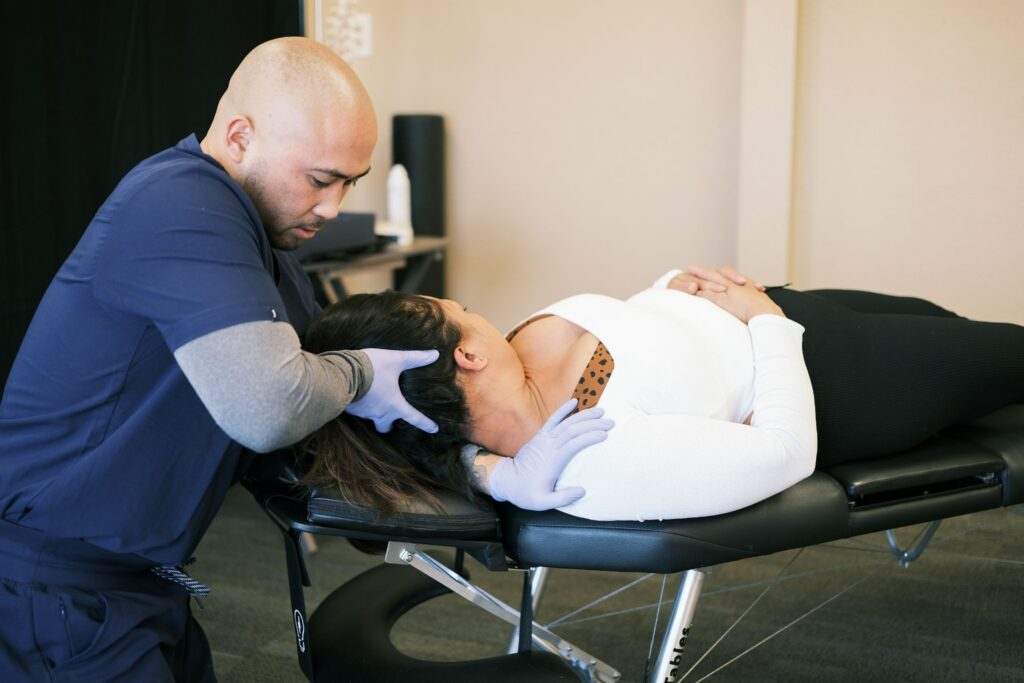
Chiropractic care is also worth considering. Chiropractors focus on spinal alignment and joint mobility, which can be essential for athletes. By ensuring your spine and joints are correctly aligned, you may experience reduced pain and improved overall function.
Lastly, don't overlook the benefits of herbal remedies and supplements. Natural anti-inflammatories like turmeric or ginger can complement your recovery process, while omega-3 fatty acids can support joint health.
Incorporating these alternative therapies into your recovery plan can make a significant difference. Remember to consult with your healthcare provider before starting any new treatment, ensuring it aligns with your overall recovery goals.
Take charge of your healing journey by considering these effective options!
Conclusion
Injuries can be frustrating, but you can take charge of your recovery. By prioritizing rest, using ice therapy, and applying compression techniques, you'll set the foundation for healing. Don't underestimate the power of physical rehabilitation and alternative therapies to aid your recovery. Remember, a balanced approach—including proper nutrition and seeking advice from healthcare providers—will have you back in action sooner. Stay proactive, listen to your body, and you'll be on the road to recovery in no time!