
When you're dealing with a sports injury, finding the right relief can be essential for your recovery and performance. You might have heard of the R.I.C.E method or considered physical therapy, but there are also other effective treatments like massage therapy and acupuncture that can aid in your healing. Each method has its own benefits, but knowing which combination works best for you can make a significant difference. Let's explore these options and discover how to tailor a plan that suits your specific needs.
R.I.C.E Method
When you suffer a sports injury, the R.I.C.E method can be your first line of defense. R.I.C.E stands for Rest, Ice, Compression, and Elevation. Each component plays an essential role in minimizing pain and promoting recovery, so let's break it down.
First, you need to rest the injured area. Avoid any activities that might exacerbate the injury. Taking a break allows your body to begin the healing process without further strain.
Next, apply ice to the affected area. Ice helps reduce swelling and numb pain. Aim for 15-20 minutes of ice application every hour, especially within the first 48 hours after the injury. Just remember to wrap the ice in a cloth to prevent frostbite.
Compression is the third step, and it's all about applying pressure to limit swelling. You can use an elastic bandage or a compression wrap, but make sure it's snug without cutting off circulation.
Finally, elevation helps reduce swelling by keeping the injured area above heart level. Prop your injury up on pillows or cushions to assist in this process.
Physical Therapy
When you face a sports injury, physical therapy can be a game-changer.
You'll benefit from personalized rehabilitation programs that focus on your specific needs, alongside strengthening and flexibility exercises to help you recover.
Plus, you'll learn effective pain management techniques to get back in the game sooner.
Personalized Rehabilitation Programs
Personalized rehabilitation programs play an essential role in your recovery from sports injuries, ensuring that treatment aligns with your specific needs and goals.
These programs are tailored to address the exact nature of your injury, taking into account your physical condition, activity level, and personal aspirations.
When you begin your rehabilitation, a skilled physical therapist evaluates your injury and develops a customized plan. This plan typically includes targeted exercises, hands-on therapy, and modalities to promote healing.
By focusing on your unique situation, your therapist can help you regain strength, mobility, and function more effectively.
Throughout the process, you'll engage in regular assessments to track your progress. This ongoing evaluation allows for adjustments to your program, ensuring it remains aligned with your recovery milestones.
You'll also receive education on injury prevention strategies, empowering you to avoid future setbacks.
Strengthening and Flexibility Exercises
Strengthening and flexibility exercises are essential components of physical therapy for sports injury recovery. These exercises help you regain strength, improve your range of motion, and prevent future injuries. When you incorporate these movements into your routine, you not only support your healing process but also enhance your overall athletic performance.
Start with gentle stretches to promote flexibility. Focus on the affected area and gradually increase the intensity as your body allows. Regular stretching can help alleviate tightness and improve circulation, making it easier to perform daily activities and return to your sport.
Next, incorporate strengthening exercises. These might include resistance bands, body-weight exercises, or light weights, depending on your injury and current ability. Aim to work all major muscle groups, paying special attention to those surrounding the injured area. Building strength in these supporting muscles will stabilize your joints and reduce the risk of re-injury.
Always listen to your body during these exercises. If something doesn't feel right, consult your physical therapist for guidance.
Pain Management Techniques
Managing pain effectively is essential for anyone recovering from a sports injury. Physical therapy offers a range of pain management techniques that can help you regain mobility and reduce discomfort.
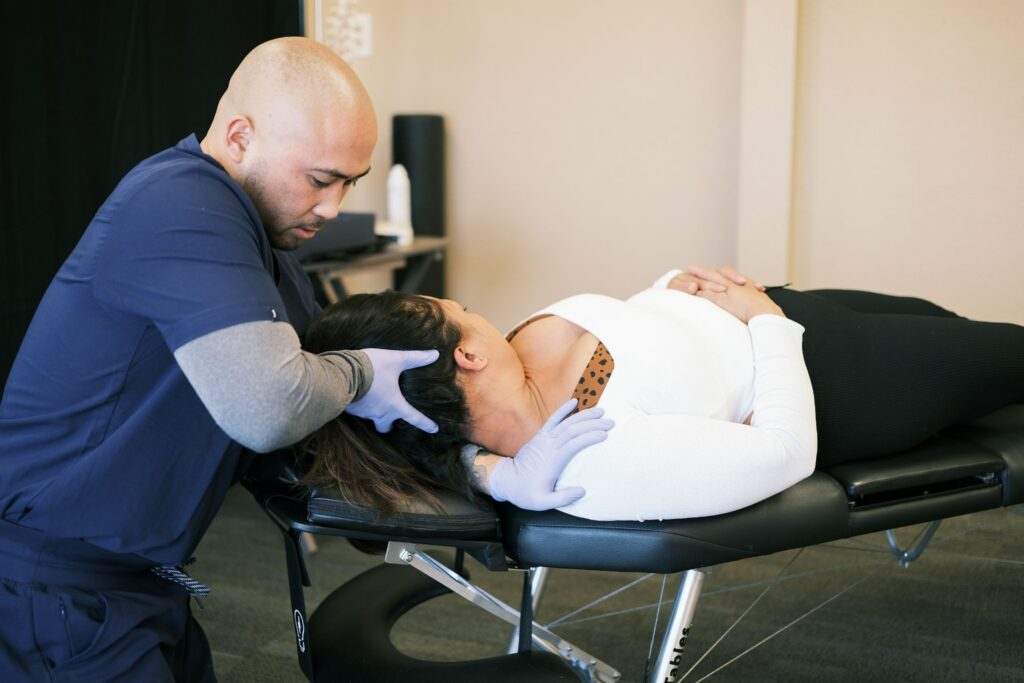
One primary approach is manual therapy, where your therapist uses their hands to manipulate soft tissues and joints, promoting circulation and easing tension.
Another essential technique is therapeutic modalities, like heat and cold therapy. Applying heat can relax muscles and improve blood flow, while cold therapy reduces inflammation and numbs sharp pain.
You might also benefit from electrical stimulation, which can help alleviate pain by blocking pain signals and stimulating muscle contractions.
Additionally, your therapist may introduce you to specific exercises designed to strengthen the injured area while minimizing pain. Gradually increasing your activity level can aid in recovery and boost your confidence in movement.
Don't forget to discuss your pain levels and concerns with your therapist. They can tailor your treatment plan to suit your needs, ensuring you utilize the most effective techniques.
Chiropractic Care
Chiropractic care offers effective relief for many sports injuries by addressing misalignments and promoting ideal function in the body. When you suffer an injury, your spine and joints can become misaligned, leading to pain and restricted movement. A chiropractor uses hands-on techniques to realign your spine, alleviating pressure on nerves and facilitating optimal function.
During your first visit, the chiropractor will assess your condition through a physical examination and may use diagnostic imaging if needed. This thorough evaluation helps identify the root cause of your pain, ensuring a tailored treatment plan.
You'll likely receive spinal adjustments, which can improve mobility and reduce inflammation, allowing your body to heal more efficiently. Chiropractic care doesn't just focus on immediate pain relief; it also emphasizes long-term wellness.
After treating your injury, your chiropractor can guide you on exercises and stretches to strengthen your muscles and prevent future injuries. These recommendations are crucial for athletes who need to maintain peak performance.
Moreover, many athletes find that regular chiropractic visits help enhance their overall physical condition. By ensuring your body is aligned and functioning effectively, you can boost your performance and minimize the risk of injury during training or competition.
If you're dealing with a sports injury, consider visiting a chiropractor. With their expertise, you can regain your range of motion, reduce pain, and get back to doing what you love, all while promoting your body's overall health and resilience.
Massage Therapy
Massage therapy is a powerful tool for relieving sports injuries and enhancing recovery. When you experience muscle tightness or soreness, a skilled massage therapist can work wonders. They use various techniques to manipulate soft tissues, promoting blood flow and helping your body heal more effectively.
One of the primary benefits of massage therapy is its ability to reduce muscle tension. Whether you're dealing with a sprain, strain, or general fatigue, targeted massage can loosen tight muscles, alleviating pain and discomfort. By focusing on specific areas, the therapist can help release built-up tension and restore proper function.
Additionally, massage therapy plays an essential role in improving flexibility and range of motion. When muscles are tight, your mobility can suffer, increasing the risk of further injury. Regular sessions can help maintain ideal flexibility, enabling you to perform better in your sport or physical activity.
Moreover, massage therapy promotes relaxation, which is critical for recovery. Stress can impede healing, but a good massage can reduce anxiety and promote a sense of well-being. This mental aspect is just as important as physical recovery, as a positive mindset can enhance your overall performance.
Incorporating massage therapy into your recovery routine can greatly speed up the healing process and prevent future injuries.
Acupuncture
Acupuncture offers a unique approach to relief from sports injuries, and you might be surprised by its benefits.
This treatment involves inserting fine needles at specific points, which can promote healing and alleviate pain.
Let's explore how acupuncture works and the conditions it can effectively address.
Benefits of Acupuncture
When it comes to relieving sports injuries, acupuncture offers a unique approach that many athletes find beneficial. This ancient practice stimulates specific points on your body, promoting healing and reducing pain. By improving blood flow and encouraging the release of endorphins, acupuncture can help alleviate discomfort and enhance recovery times.
You might appreciate how acupuncture addresses both physical and mental aspects of sports injuries. It not only helps reduce inflammation and muscle tension but also eases anxiety and stress that often accompany injuries. Many athletes report feeling more relaxed and focused after sessions, which can be essential for getting back in the game.
Moreover, acupuncture is a drug-free alternative, making it an appealing option if you're looking to avoid medication side effects. It's also versatile; whether you're dealing with a sprain, strain, or chronic pain, this treatment can be tailored to your specific needs.
Incorporating acupuncture into your recovery plan can enhance your overall performance and well-being. If you haven't tried it yet, consider giving it a shot—many athletes swear by its effectiveness in getting them back in peak condition.
Treatment Process Explained
Before your acupuncture session begins, you'll typically have a consultation where the practitioner assesses your specific injury and discusses your medical history. This step is essential, as it helps the practitioner tailor the treatment to your needs. They'll ask about your pain levels, the location of your injury, and any other relevant health issues.
Once the assessment is complete, you'll lie down in a comfortable position. The practitioner will insert thin needles into specific points on your body. You might feel a slight pinch, but many people describe the sensation as a mild ache or warmth. The needles stay in place for about 15 to 30 minutes while you relax.
After the session, you may feel a sense of calm or increased energy. It's important to stay hydrated and give your body time to respond to the treatment. You might notice some soreness in the areas where the needles were inserted, but this usually subsides quickly.
Your practitioner will likely recommend a series of sessions for ideal results, and they'll discuss aftercare to support your recovery. By following their guidance, you can enhance the benefits of acupuncture for your sports injury relief.
Conditions Treated Effectively
Many athletes find relief from a variety of conditions through acupuncture. If you're dealing with chronic pain, acupuncture can effectively alleviate discomfort in areas like your back, shoulders, and knees.
It's particularly beneficial for treating sports injuries, including sprains and strains. By targeting specific points on your body, acupuncture encourages your natural healing processes and reduces inflammation.
You might also experience improved recovery times after intense workouts or competitions. This treatment isn't just for pain relief; it can enhance your overall performance by promoting better blood flow and increasing energy levels.
Many athletes report enhanced flexibility and range of motion following acupuncture sessions, which can be vital for peak performance.
Additionally, if you struggle with anxiety or stress related to competition, acupuncture can help calm your mind and improve focus. It balances your body's energy, leading to a more centered approach during high-pressure situations.
Ultrasound Therapy
Ultrasound therapy is a cutting-edge treatment that uses sound waves to promote healing in sports injuries. This non-invasive technique sends high-frequency sound waves into your tissues, generating heat and increasing blood flow. As a result, it can help reduce pain and inflammation, making it easier for you to return to your favorite activities.
When you undergo ultrasound therapy, a trained professional applies a gel to the affected area and uses a handheld device that emits sound waves. You mightn't feel much during the treatment, but you may notice a warming sensation. This warmth helps relax tight muscles, enhances tissue repair, and encourages faster healing.
Many athletes find ultrasound therapy beneficial for a variety of injuries, such as tendonitis, muscle strains, and ligament sprains. Since it targets the underlying tissues more effectively than some other treatments, it can accelerate recovery. Most sessions last around 10 to 15 minutes, and you might require multiple visits depending on the severity of your injury.
The best part? Ultrasound therapy is generally safe and has minimal side effects, making it a great option for those looking to alleviate pain without invasive procedures.
You can incorporate this treatment alongside other therapies, like physical therapy or rest, to maximize your recovery.
If you're dealing with a sports injury, consider discussing ultrasound therapy with your healthcare provider. They can help determine if it's the right fit for your specific needs and get you back in the game sooner.
Stem Cell Treatment
If you're exploring innovative ways to treat sports injuries, stem cell treatment might be worth considering. This cutting-edge therapy harnesses the body's own healing capabilities to repair damaged tissues and reduce inflammation. As a result, you may experience quicker recovery times and enhanced performance.
When you undergo stem cell treatment, the process typically involves extracting stem cells from your own body, often from bone marrow or adipose tissue. These cells are then injected into the injured area, where they can promote healing.
Here's what you can expect:
- Regeneration: Stem cells can transform into various types of cells, helping to regenerate muscles, tendons, and cartilage.
- Reduced Pain: As inflammation decreases, you may notice a significant reduction in pain levels, allowing you to return to your favorite activities sooner.
- Minimal Recovery Time: Most patients find that they can resume light activities within days, making it an appealing option for athletes.
- Personalized Treatment: Since the stem cells come from your own body, the risk of rejection is low, providing a tailored solution to your specific injury.
While stem cell therapy isn't a magic bullet, many athletes have reported positive outcomes. It's important to consult with a qualified healthcare professional to determine if this treatment is right for you.
The potential benefits of stem cell treatment can be a game-changer in your journey to recovery.
Topical Pain Relievers
Topical pain relievers offer a convenient and targeted approach to managing discomfort from sports injuries. These products come in various forms, including creams, gels, and patches, making it easy to apply directly to the affected area. When you're dealing with pain from strains, sprains, or muscle soreness, reaching for a topical solution can provide quick relief without the systemic effects often associated with oral medications.
Many topical pain relievers contain active ingredients like menthol, capsaicin, or salicylates, which work by penetrating the skin to alleviate pain. Menthol creates a cooling sensation that distracts your brain from the underlying discomfort, while capsaicin can reduce pain signals over time by depleting substance P, a neurotransmitter involved in pain perception. Salicylates, derived from willow bark, function similarly to aspirin, targeting inflammation at the source.
Before using any topical pain reliever, it's important to read the instructions carefully and verify the product is suitable for your specific injury. Applying it to clean, dry skin can enhance absorption and effectiveness.
Remember, while these products can provide significant relief, they aren't a substitute for proper medical evaluation and treatment of serious injuries.
Incorporating topical pain relievers into your recovery routine can help you get back to your favorite activities faster. By using these targeted treatments, you can manage pain effectively and keep your performance on the field at its peak.
Conclusion
Injuries can sideline you, but with the right treatments, you can bounce back stronger than ever. By incorporating the R.I.C.E method, physical therapy, and other therapies like massage and acupuncture, you'll find relief and promote healing. Don't forget about topical pain relievers for quick relief and advanced options like ultrasound and stem cell treatments for a boost. Stay proactive in your recovery, and you'll be back in the game in no time!