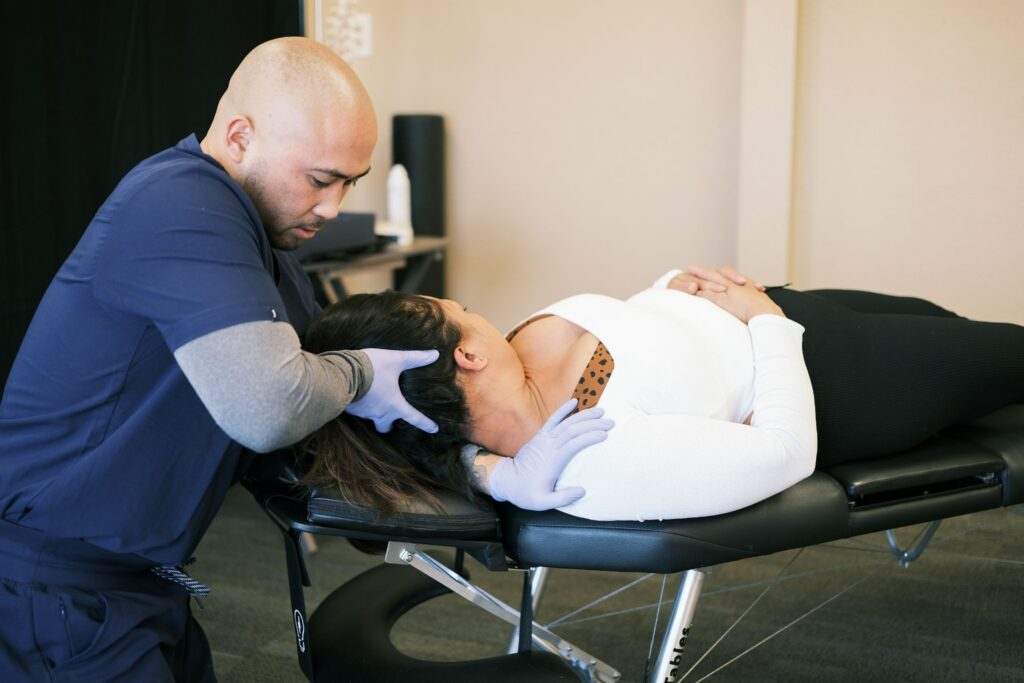

Good posture is essential for your overall health and well-being, yet many people underestimate its significance. You may be surprised to find that simple adjustments can significantly alleviate discomfort and improve your spinal alignment. By focusing on your workspace setup and adopting mindful practices, you can foster a healthier environment for your body.
As a chiropractor, I believe that chiropractic care is the best way to achieve optimal health and relieve pain. It’s all about supporting your body’s natural healing processes. Curious about techniques that can make a real difference? Let’s delve into some essential strategies for enhancing your posture and easing those persistent aches.
- Ergonomic Workspace Setup: Ensure your desk and chair are set up to promote good posture. Your chair should support the natural curve of your spine, and your computer screen should be at eye level. This reduces strain on your neck and back.
- Mindful Movement: Regularly take breaks to stretch and move around. Simple stretches can help relieve tension and improve circulation. Try gentle neck rolls or shoulder shrugs to keep your muscles relaxed.
- Strengthen Core Muscles: A strong core supports your spine. Incorporate exercises like planks and bridges into your routine. These not only strengthen your abdominal muscles but also help maintain proper posture.
- Mind Your Footwear: Shoes play a crucial role in your posture. Opt for supportive footwear that promotes proper alignment. Avoid high heels and flip-flops, which can lead to misalignment and discomfort.
- Consider Chiropractic Care: Regular chiropractic adjustments can help correct misalignments and improve your overall posture. A chiropractor can provide personalized guidance and techniques tailored to your specific needs, ensuring you stay on track toward optimal health.
By integrating these strategies into your daily life, you’ll be well on your way to improving your posture and alleviating discomfort. Remember, your spine is the foundation of your body. Taking care of it through chiropractic care and mindful practices is a natural and effective way to enhance your well-being.
Key Takeaways
- Make it a habit to check your posture regularly throughout the day. Whether you’re sitting at a desk or standing, aim for proper alignment to help your spine stay healthy.
- Consider investing in ergonomic furniture that supports your back. Adjusting your chair height can make a significant difference in your comfort level while working or relaxing.
- Strengthening your core muscles is essential for spinal support. By engaging these muscles consistently, you can enhance your stability and reduce strain on your back.
- Incorporate simple stretching and strengthening exercises into your daily routine. These practices not only improve flexibility but also help relieve muscle tension that can lead to discomfort.
- Regular visits to a chiropractor can provide personalized care that addresses your unique postural needs. A chiropractor can offer expert guidance on spine alignment and postural adjustments that promote overall wellness.
By following these tips and embracing chiropractic care, you can take significant steps toward achieving optimal health and a pain-free life.
Understanding the Importance of Good Posture
Good posture is more than just a way to appear confident; it plays a crucial role in your overall health and well-being. As a chiropractor, I often emphasize that the way you sit or stand can significantly impact your body. When you maintain proper alignment, you reduce strain on your muscles and joints, which helps prevent pain and discomfort. Slouching, on the other hand, can lead to back and neck issues that make even the simplest daily tasks feel challenging.
By practicing good posture, you’re not only protecting your spine but also enhancing your breathing and circulation, allowing your body to function more efficiently. This is where chiropractic care comes into play—regular adjustments can help you maintain that optimal alignment, supporting your posture and overall health.
Moreover, good posture can positively affect your mood and energy levels. When you practice sitting up straight or standing tall, you may find yourself feeling more alert and engaged. This increased focus can make it easier to tackle your daily tasks. Remember, the way you carry yourself not only influences your physical health but also your mental well-being.
Here are some simple tips to improve your posture and promote a healthier lifestyle:
- Be Mindful: Regularly check in with your posture throughout the day. Whether you’re sitting at a desk or standing in line, take a moment to align your body properly.
- Ergonomic Support: If you spend long hours sitting, invest in an ergonomic chair that supports your lower back and encourages good posture.
- Stretch Regularly: Incorporate stretches into your daily routine to alleviate tension in your muscles and promote flexibility.
- Strengthen Your Core: A strong core supports good posture. Consider exercises that target the abdominal and back muscles.
- Chiropractic Care: Schedule regular visits to your chiropractor. They can help ensure your spine is aligned, provide personalized advice, and teach you exercises to maintain your posture.
Remember, making small adjustments to your posture can lead to significant improvements in your health. Taking care of your spine through chiropractic care is a natural and effective way to achieve optimal health and wellness.
Ergonomic Workspace Setup
Setting up an ergonomic workspace is essential for maintaining a healthy spine and preventing discomfort. As a chiropractor, I want to share some simple yet effective adjustments that can greatly improve your well-being while you work.
First, ensure your chair is at the right height. Your feet should rest flat on the ground, promoting proper alignment in your spine. A chair that supports your lower back can also make a significant difference in your overall comfort.
Next, position your monitor at eye level. This adjustment helps reduce neck strain, allowing your spine to maintain its natural curve. If your monitor is too low, you may find yourself leaning forward, which can lead to discomfort over time.
Finally, keep your keyboard and mouse within easy reach. This placement encourages relaxed arms and helps maintain good posture. Remember, a relaxed posture is crucial for preventing tension and pain in your back and shoulders.
In addition to these adjustments, consider taking regular breaks to stretch and move around. Simple stretches can help keep your muscles engaged and your spine healthy.
Chair Height Adjustment
Achieving the right chair height is crucial for maintaining a healthy spine and ensuring an ergonomic workspace setup. When your chair is properly adjusted, you’ll likely experience improvements in your posture and overall comfort throughout the day, which is essential for your spinal health.
Here are some simple tips to help you find the perfect chair height:
- Make sure your feet rest flat on the floor or on a footrest. This helps support your lower back and keeps your spine aligned.
- Position your knees at or slightly below hip level. This alignment reduces pressure on your spine and promotes better posture.
- Keep your thighs parallel to the ground. This helps maintain proper alignment of your pelvis and spine.
- Ensure your elbows form a 90-degree angle when resting on the desk. This position helps prevent strain on your shoulders and neck, which can contribute to discomfort.
Remember, creating a workspace that supports your spine is an important step towards natural wellness. By making these adjustments, you can help alleviate discomfort and promote a healthier lifestyle.
If you’re experiencing pain or discomfort, consider consulting with a chiropractor who can provide personalized advice and support for your spinal health and overall well-being.
Monitor Positioning Tips
Proper monitor positioning is essential for your comfort, productivity, and overall spinal health while you work. As a chiropractor, I emphasize the importance of setting up your workspace in a way that supports your body, especially your spine.
Start by placing your monitor at eye level. This way, you won’t have to tilt your head up or down, which can lead to neck strain over time. The screen should be about an arm’s length away to help reduce eye strain and encourage good posture. If you wear glasses, it’s important to minimize glare from the monitor to ensure you can see clearly without straining your eyes.
Adjust the angle of the screen to avoid reflections from windows or overhead lights, as these can cause you to lean forward or twist your spine in uncomfortable ways. Ideally, the top of the monitor should align with your natural line of sight, with the screen slightly tilted back. This positioning helps maintain a neutral spine alignment, reducing the risk of discomfort and pain.
Remember to take short breaks throughout your day. Stand up, stretch, and refocus your eyes. These simple actions can help relieve tension and prevent stiffness, contributing to your overall well-being.
Prioritizing these adjustments goes a long way in creating a healthier workspace, ultimately supporting your spine and enhancing your natural healing process. If you’re experiencing discomfort, consider chiropractic care as a natural and effective solution for pain relief and wellness.
Keyboard and Mouse Placement
Your keyboard and mouse setup is crucial for maintaining a healthy spine and preventing discomfort during long working hours. As a chiropractor, I urge you to create an ergonomic workspace that not only supports your productivity but also promotes your overall wellness.
Here are some tips to help you achieve that:
- Keep your keyboard and mouse close: Position them within arm’s reach to avoid unnecessary strain on your shoulders. This small adjustment can help maintain good spinal alignment.
- Maintain a neutral wrist position: Your wrists should remain straight, avoiding any bending while typing or using the mouse. This helps reduce tension in your forearms and wrists, which can lead to discomfort.
- Use a supportive chair: Invest in a chair that provides proper support for your lower back. Additionally, ensure your feet remain flat on the floor. This posture helps in maintaining the natural curvature of your spine.
- Take regular breaks: It’s important to stand up, stretch, and move around occasionally. This practice helps relieve muscle tension and keeps your body active, promoting better spinal health.
By implementing these adjustments, you can greatly enhance your comfort and productivity throughout the day.
Remember, chiropractic care is an excellent option for addressing any discomfort you may experience and can help you achieve optimal health in the long run.
Prioritize your spinal health, and you’ll feel the benefits in every aspect of your life!
Stretching and Strengthening Exercises
To improve your posture and overall well-being, it’s essential to incorporate stretching and strengthening exercises into your daily routine. As a chiropractor, I believe that these practices can significantly enhance your spinal health and help you feel your best. Focusing on key stretching techniques and strengthening exercises not only keeps your body aligned but also supports the natural healing process.
Start by including gentle stretches that target your neck, shoulders, and back. These areas often hold tension and can contribute to poor posture. Simple movements, like neck rolls and shoulder shrugs, can make a big difference. Remember to listen to your body—if something doesn’t feel right, it’s important to stop and consult with a professional.
In addition to stretching, consider incorporating strengthening exercises that support your core and back muscles. Strong muscles provide better support for your spine, which can alleviate discomfort and improve your posture. Exercises like planks, bridges, and gentle back extensions can be very beneficial.
Also, pay attention to your daily movements. Make small adjustments, such as sitting up straight in your chair, keeping your feet flat on the floor, and taking regular breaks to stand and stretch. These simple changes can drastically improve your alignment and reduce strain on your spine.
Remember, chiropractic care is a fantastic way to support your posture and overall health. Regular adjustments can help keep your spine in optimal alignment, reduce pain, and enhance your body’s natural ability to heal.
Essential Stretching Techniques
While many individuals tend to overlook the importance of stretching, incorporating essential techniques into your daily routine can significantly enhance your posture and overall well-being.
As a chiropractor, I believe that regular stretching not only helps relieve tension and improve flexibility, but it also supports spinal alignment, which is crucial for optimal health.
Here are four effective stretching techniques you can easily incorporate into your day:
- Chest Stretch: Stand tall and clasp your hands behind your back. Gently pull your shoulders back and down. This stretch opens up your chest and counteracts the slouching that often comes from sitting for long periods.
- Neck Stretch: To ease neck tension, tilt your head to one side, allowing your ear to move toward your shoulder. Hold this position for a few deep breaths. This simple stretch can help relieve stiffness and improve neck mobility.
- Cat-Cow Stretch: Get on all fours and alternate between arching your back upward (like a cat) and sinking your belly toward the floor (like a cow). This dynamic stretch is fantastic for spinal flexibility and helps maintain a healthy spine.
- Hip Flexor Stretch: Step one foot forward into a lunge position, keeping your back knee on the ground and gently pushing your hips forward. This stretch can alleviate tightness in your hips, which often contributes to lower back pain.
Incorporating these stretches into your daily routine can enhance your posture and overall spinal health.
Remember, regular stretching complements chiropractic care, which is an excellent choice for pain relief and natural wellness.
If you’re experiencing discomfort, consider visiting a chiropractor to discuss how we can work together to achieve your health goals.
Stay proactive about your health and make stretching a part of your everyday life!
Key Strengthening Exercises
Incorporating key strengthening exercises into your routine is essential for improving posture and enhancing overall body stability, which is vital for maintaining a healthy spine. As a chiropractor, I emphasize the importance of exercises that target your core, back, and shoulders to support your spinal health.
Plank holds are excellent for engaging your entire core, helping to stabilize your spine and improve posture. Bridges not only strengthen your glutes but also support your lower back, providing a solid foundation for your spine. Adding rows or resistance band pull-aparts can enhance upper back strength, which is crucial for promoting proper shoulder alignment and reducing the risk of discomfort.
Don’t overlook the importance of lower body strength; exercises like deadlifts and squats can build strength in your legs and support your spine. Aim to perform these exercises two to three times a week, gradually increasing weights or resistance as you become stronger. Remember, consistency is key to achieving the best results!
In addition to these exercises, consider regular chiropractic adjustments to help align your spine and enhance the benefits of your strengthening routine. Chiropractic care can alleviate pain, improve mobility, and support your overall wellness journey.
Daily Movement Practices
Daily movement practices, such as stretching and strengthening exercises, play a crucial role in maintaining good posture and overall physical health.
As a chiropractor, I believe that incorporating these activities into your daily routine can greatly enhance your flexibility, build core strength, and alleviate discomfort.
Here are some effective exercises to consider that align with a holistic approach to wellness:
- Cat-Cow Stretch: This gentle movement enhances spinal flexibility and helps relieve tension in your back. It’s a great way to start your day or unwind after sitting for long periods.
- Plank Variations: These exercises are fantastic for strengthening your core, back, and shoulders. A strong core supports your spine, which is essential for good posture and overall stability.
- Chest Openers: If you find yourself slouching, chest openers are perfect for stretching your chest and shoulders. This simple stretch can help counteract the negative effects of prolonged sitting and improve your posture.
- Hip Flexor Stretches: Tight hips can lead to misalignment and discomfort. Incorporating hip flexor stretches into your routine can release tension, improve your alignment, and support better posture.
Remember, these exercises not only promote physical health but also complement the benefits of chiropractic care.
Regular movement can enhance your treatment results, helping you achieve optimal health and wellness naturally.
Always listen to your body and consult with a chiropractor to tailor a movement practice that best suits your individual needs.
Embrace these daily practices for a healthier, more vibrant life!
Mindfulness and Body Awareness
As you start to understand your body better and its alignment, embracing mindfulness can significantly enhance your posture and overall well-being. By practicing mindfulness, you can become more aware of your body’s signals, helping you to recognize when you might be slumping or tensing up. This heightened awareness can lead to improved posture habits and reduced discomfort, allowing you to feel your best.
Here are some helpful mindfulness techniques to boost your body awareness and complement your chiropractic care:
| Technique | Description |
|---|---|
| Breathing Exercises | Focus on taking deep, slow breaths to help relax your muscles and ease tension. This can create a solid foundation for proper alignment. |
| Body Scans | Regularly check in with different parts of your body to identify areas of tension. This can help you become more in tune with your body’s needs. |
| Movement Awareness | Pay attention to how you move during everyday activities. Being mindful of your movements can prevent strain and promote better posture. |
| Mindful Stretching | Incorporate gentle stretches while concentrating on how your body feels. This can enhance flexibility and support your spine’s health. |
| Visualization | Imagine your body in a state of alignment and balance throughout the day. Visualizing a healthy posture can reinforce positive habits. |
Proper Sitting Techniques
Sitting properly is essential for maintaining good posture and overall comfort, especially if you find yourself spending long hours at a desk.
As a chiropractor, I want to share some simple yet effective tips to help you optimize your sitting habits and support your spinal health:
- Adjust Your Chair Height: Make sure your feet rest flat on the floor, with your knees bent at a right angle. This helps keep your spine aligned and can prevent discomfort over time.
- Support Your Lower Back: Using a lumbar cushion or adjusting your chair to fit your natural spine curve is crucial. Proper lower back support helps reduce strain and promotes a healthier posture.
- Position Your Screen: To avoid straining your neck, keep your monitor at eye level. The top of the screen should be at or slightly below eye level, allowing you to look straight ahead without tilting your head.
- Keep Your Arms Relaxed: Your elbows should be close to your body and form a 90-degree angle while typing. This position reduces tension in your shoulders and neck, contributing to overall comfort.
Remember, maintaining good posture while sitting can significantly impact your health and well-being.
If you experience pain or discomfort, consider visiting a chiropractor. Chiropractic care focuses on natural healing and can help you achieve optimal health by addressing underlying issues related to your spine and nervous system.
Making these small adjustments today can lead to a healthier, more comfortable tomorrow!
The Role of Footwear in Posture
Your choice of footwear plays a significant role in your posture and overall spinal health. Wearing shoes that lack proper support can put unnecessary strain on your feet, back, and spine, making it hard to maintain a healthy alignment.
For example, high heels can shift your weight forward, causing your lower back to curve excessively. This misalignment can lead to muscle tension and discomfort, which is where chiropractic care can make a difference.
Choosing supportive shoes with adequate arch support is essential for promoting better posture. Look for footwear that offers stability and cushioning, especially if you spend long hours on your feet.
Remember, shoes that fit well are crucial; those that are too tight or loose can lead to misalignment and added strain on your body.
As a chiropractor, I can tell you that prioritizing footwear that supports your body’s natural alignment is key to enhancing your posture and reducing discomfort.
Regular chiropractic adjustments can also help keep your spine aligned and functioning optimally, complementing the benefits of wearing the right shoes.
To support your wellness journey, here are some general tips:
- When shopping for shoes, walk around in them to ensure they feel comfortable and supportive.
- Consider investing in orthotic inserts if you need extra support.
- Pay attention to how your body feels after a long day in your shoes; discomfort may be a sign of misalignment.
Tools and Aids for Better Alignment
To achieve better alignment and overall wellness, incorporating various tools and aids can significantly enhance your daily routine. While chiropractic care remains the most effective way to support your body, there are also helpful tools you can use to promote proper posture and alleviate discomfort throughout the day. Here are some options to consider:
- Posture Corrector: This gentle device encourages you to pull your shoulders back and align your spine. While it can offer temporary support, regular chiropractic adjustments can help correct underlying issues for long-term relief.
- Ergonomic Chair: Investing in a chair designed to support your lower back can help maintain proper spinal alignment while sitting. However, it’s essential to remember that a chiropractor can provide personalized strategies to ensure your workspace is optimized for your health.
- Standing Desk: Alternating between sitting and standing can promote better posture over time. A chiropractor can help you understand the best practices for transitioning between these positions to prevent strain.
- Foam Roller: Using a foam roller can help release muscle tension and improve flexibility, which positively impacts your posture. Alongside chiropractic care, this practice can enhance your recovery and overall body function.
In addition to these tools, here are some general tips to improve your alignment and well-being:
- Regular Movement: Take breaks throughout your day to stretch and move around. This can help prevent stiffness and keep your spine aligned.
- Mind Your Posture: Be mindful of your posture when sitting or standing. Keeping your shoulders back and your head aligned with your spine can make a significant difference.
- Stay Hydrated: Drinking plenty of water supports your spinal discs and overall health, making it easier for your body to maintain proper alignment.
- Schedule Regular Chiropractic Visits: Regular adjustments can help you maintain optimal health, relieve pain, and support your body’s natural healing processes.
Incorporating Movement Throughout the Day
Incorporating movement throughout your day is essential for your posture and overall well-being, and it doesn’t have to be complicated! Making small adjustments can lead to significant improvements in how you feel. As a chiropractor, I encourage you to prioritize these movements to support your spine and enhance your natural healing processes.
Start by setting a timer to remind yourself to stand up and stretch every hour. Simple activities like shoulder rolls, neck stretches, and gentle twists can help relieve tension and reset your posture, which is crucial for spinal health.
Consider modifying your workspace. If possible, use a standing desk or take phone calls while walking. This keeps your body engaged and helps prevent stiffness that can lead to discomfort. When running errands, try parking further away or taking the stairs instead of the elevator; these small changes can add up and significantly benefit your spine.
Even short bursts of movement, like a few minutes of jumping jacks or a brisk walk, can make a noticeable difference in how you feel. Remember, the key is consistency—integrate these movements into your daily routine. By doing so, you’ll likely find improvements not just in your posture, but also in your energy levels and focus throughout the day.
Chiropractic care can also play a vital role in achieving optimal health. Regular adjustments can help align your spine, reduce pain, and enhance your body’s natural ability to heal.
Regular Posture Check-ins and Adjustments
Regular posture check-ins are essential for maintaining a healthy spine and overall well-being. As a chiropractor, I can assure you that taking a moment to assess and adjust your posture can significantly reduce discomfort and enhance your daily life.
Here are some simple ways to make posture check-ins a part of your routine:
- Set reminders: Use your smartphone or computer to create reminders to check your posture every hour. This gentle nudge can help you stay aware of your body alignment.
- Use visual cues: Place sticky notes or small objects around your workspace to serve as prompts to sit up straight and maintain proper posture. These cues will help reinforce good habits.
- Practice mindfulness: Spend a few moments taking deep breaths, which can help you relax your shoulders and neck. Mindfulness not only benefits your posture but also contributes to your overall stress reduction.
- Engage in stretches: Incorporate simple stretches during breaks to reset your posture. Gentle movements can relieve tension in your back, neck, and shoulders.
Remember, chiropractic care is an excellent way to support your posture and spinal health. Regular adjustments can help align your spine, alleviate pain, and promote natural healing.
Conclusion
Improving your posture can be simple and effective, especially when you incorporate chiropractic care into your routine. As a local chiropractor, I want to share some techniques that can help you reduce discomfort and enhance your overall well-being.
First and foremost, setting up an ergonomic workspace is crucial. Make sure your chair supports your lower back, and that your computer screen is at eye level to prevent straining your neck. This simple adjustment can make a world of difference in how you feel throughout the day.
In addition to your workspace setup, practicing gentle stretches regularly can help alleviate tension in your muscles and support spinal health. Focus on stretches that open up your chest and shoulders, as these areas often become tight from prolonged sitting.
Staying mindful of your posture is also key. Periodically check in with your body throughout the day. Are your shoulders slouched? Is your back rounded? Small adjustments can lead to significant improvements over time.
Regular chiropractic adjustments can play a vital role in maintaining proper alignment and function of your spine, which in turn supports better posture. Your chiropractor can provide personalized guidance and techniques tailored to your specific needs.
With consistency and awareness, you can develop healthier habits that contribute to a pain-free life. Start today by incorporating these tips, and experience the benefits of better posture and overall wellness through chiropractic care! Remember, you have the power to feel great and move confidently.