
If you're struggling with chronic back pain, you might be looking for effective non-invasive solutions that can help restore your comfort and mobility. Techniques like physical therapy, acupuncture, and chiropractic care each offer unique benefits tailored to your needs. By exploring these options, you can discover ways to address the underlying causes of your pain without resorting to surgery or medication. But which method suits you best, and how can you integrate these practices into your daily routine for ideal results?
Physical Therapy
Physical therapy often plays an essential role in managing chronic back pain. It's not just about alleviating discomfort; it's about empowering you with the tools to understand and improve your condition.
During your sessions, a licensed physical therapist will evaluate your posture, flexibility, and strength. They'll create a personalized treatment plan tailored to your specific needs, which can include exercises, stretches, and manual therapy techniques.
You'll find that the exercises focus on strengthening your core, which supports your spine, and improving your flexibility to reduce tension. These routines can help you regain mobility and confidence in your movements.
You may also learn proper body mechanics to prevent further injury in your daily activities. Consistency is key, so sticking to your home exercises is crucial for long-term benefits.
Manual therapy techniques, like massage or joint mobilization, may also be incorporated. These hands-on approaches can alleviate pain and improve circulation, making your recovery smoother.
Your therapist might teach you how to use heat or ice therapy effectively, providing relief between sessions.
Acupuncture
Acupuncture can be an effective non-invasive treatment for chronic back pain. This ancient practice, rooted in Traditional Chinese Medicine, involves inserting thin needles into specific points on your body. These points correspond to pathways through which your energy, or "qi," flows. By stimulating these points, acupuncture aims to restore balance and promote natural healing.
When you undergo acupuncture, you might experience a sensation of warmth or a slight tingling as the needles are inserted. Many people find it surprisingly relaxing, and the treatment typically lasts around 30 to 60 minutes.
Research has shown that acupuncture can help reduce pain and improve function in individuals suffering from chronic back pain. It's believed to work by releasing endorphins, your body's natural painkillers, and by improving blood circulation to the affected areas.
You may need multiple sessions to achieve ideal results, often ranging from 6 to 12 treatments over several weeks. It's important to consult a qualified acupuncturist who can tailor the treatment to your specific needs and conditions.
While acupuncture is generally safe, you should discuss any underlying health issues with your practitioner beforehand.
If you're looking for a holistic approach to managing your back pain, acupuncture might be worth considering. It provides a drug-free alternative that not only addresses pain but also promotes overall well-being.
Chiropractic Care
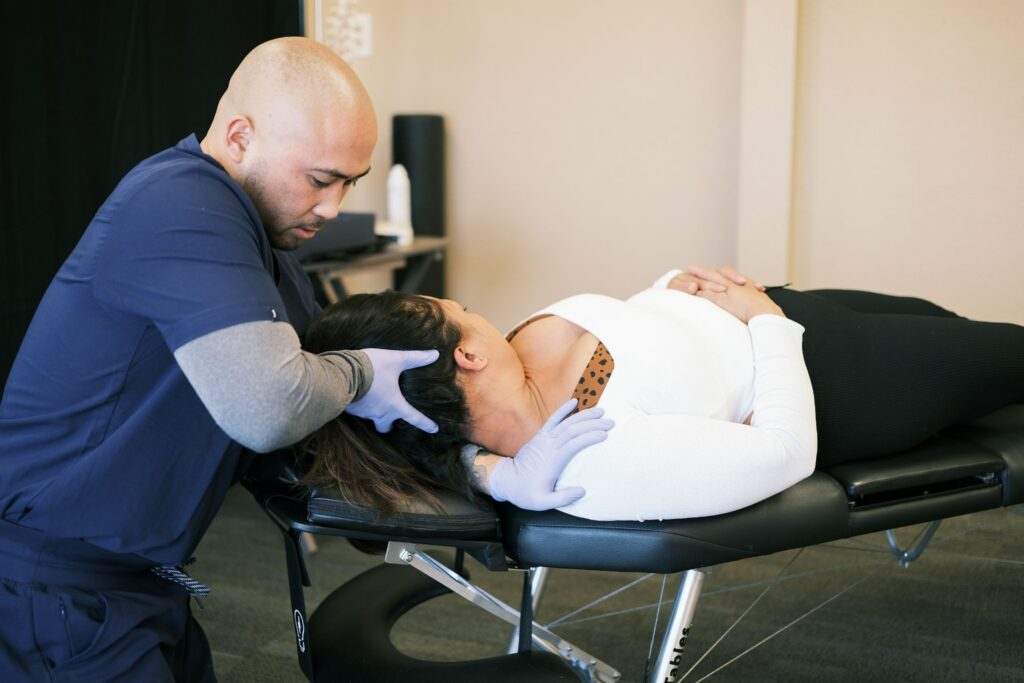
Chiropractic care is often sought after by individuals dealing with chronic back pain. If you've experienced persistent discomfort, you might find that chiropractic treatment offers a viable solution. Chiropractors focus on diagnosing and treating mechanical disorders of the musculoskeletal system, particularly the spine. Through hands-on adjustments and manipulations, they aim to restore proper alignment and improve function.
Here are some benefits of chiropractic care for chronic back pain:
- Pain Relief: Many patients report significant reductions in pain after just a few sessions.
- Improved Mobility: Regular adjustments can enhance your range of motion, making daily activities easier.
- Holistic Approach: Chiropractors often incorporate lifestyle advice, exercises, and nutrition guidance into your treatment plan.
When you visit a chiropractor, they'll conduct a thorough assessment to understand your specific condition. This may involve discussing your medical history, conducting a physical examination, and sometimes using imaging techniques.
Based on this information, they'll create a personalized treatment plan tailored to your needs.
Chiropractic care not only targets your back pain but also emphasizes overall wellness. It's about addressing the root causes, not just masking the symptoms.
By choosing this non-invasive approach, you can take an active role in managing your pain and improving your quality of life.
Spinal Decompression
If you're struggling with chronic back pain, spinal decompression might be the solution you need.
This technique offers various benefits, including relief from pressure on your spinal discs and improved mobility.
Let's explore the different methods used in spinal decompression and how they can help you regain your comfort.
Benefits of Spinal Decompression
Spinal decompression therapy offers significant relief for those struggling with chronic back pain. This non-invasive treatment can help alleviate discomfort and promote healing in your spine.
By gently stretching the spine, it creates space between the vertebrae, allowing for better circulation and reduced pressure on spinal nerves.
Here are some key benefits you can expect from spinal decompression:
- Reduced Pain: Many patients experience a noticeable decrease in pain levels after just a few sessions, making daily activities more manageable.
- Improved Mobility: As you find relief from pain, you'll likely notice increased flexibility and range of motion, allowing you to return to the activities you enjoy.
- Enhanced Healing: With improved blood flow and nutrient delivery to the affected areas, spinal decompression can accelerate the healing process for herniated or bulging discs.
Incorporating spinal decompression into your treatment plan could be a game changer for your chronic back pain.
You deserve to feel better and regain your quality of life, and this therapy might just be the solution you need.
Techniques and Methods
When seeking relief from chronic back pain, understanding the various techniques and methods of spinal decompression is crucial.
These approaches focus on relieving pressure from the spine, allowing you to experience pain relief and improved mobility.
One popular method is the use of spinal decompression therapy, which often involves specialized tables or devices.
These machines gently stretch the spine, creating space between the vertebrae, which can help alleviate nerve pressure.
Sessions typically last around 30-45 minutes and are usually done multiple times a week.
Another technique is manual spinal decompression, where a trained therapist uses hands-on methods to stretch and manipulate your back.
This approach can be beneficial for those who prefer a more personal touch and can restore your spine's natural alignment.
Yoga and Pilates can also play a significant role in spinal decompression.
These practices focus on gentle stretching and strengthening, helping to improve your posture and increase spinal flexibility.
Incorporating these techniques into your routine can lead to significant improvements.
Always consult a healthcare professional before starting any new treatment to verify it's right for you.
Therapeutic Exercises
When it comes to managing chronic back pain, therapeutic exercises can make a significant difference.
You'll want to focus on core strengthening exercises, flexibility and stretching techniques, and strategies to improve your posture.
These elements work together to enhance your overall stability and reduce discomfort.
Core Strengthening Exercises
Strengthening your core is essential for managing chronic back pain and improving overall stability. A strong core supports your spine and helps distribute weight evenly, reducing strain on your back.
Incorporating core strengthening exercises into your routine can lead to significant relief and prevent future pain.
Here are three effective exercises you can try:
- Planks: Engage your entire core by holding a plank position for 20-30 seconds. Gradually increase the duration as you gain strength.
- Bird-Dog: While on all fours, extend one arm and the opposite leg simultaneously. Hold for a few seconds, then switch sides. This exercise enhances balance and coordination.
- Bridges: Lying on your back with knees bent, lift your hips towards the ceiling. Squeeze your glutes at the top, then lower back down. This targets your lower back and glutes.
Remember to start slowly and focus on proper form to prevent injury. As you build strength, you'll notice improved stability and reduced discomfort in your back.
Consistency is key, so aim to incorporate these exercises into your weekly routine for the best results.
Flexibility and Stretching Techniques
Incorporating flexibility and stretching techniques into your routine can considerably enhance your back health and alleviate chronic pain. These exercises help increase your range of motion, reduce stiffness, and promote better blood circulation. You don't need to be a yoga expert; simple stretches can make a significant difference.
Start with gentle stretches targeting your back, hips, and legs. The cat-cow stretch, for instance, is excellent for improving spinal flexibility. To perform it, get on all fours, alternate between arching your back upwards and dipping it downwards, coordinating with your breath. Holding each position for a few seconds allows your muscles to relax.
Another effective stretch is the seated forward bend. Sit with your legs extended, reach for your toes, and feel the stretch in your hamstrings and lower back. Aim to hold these stretches for 20-30 seconds, repeating them 2-3 times per session.
Consistency is key; try to include these stretches into your daily routine. Over time, you'll likely notice improved flexibility and a reduction in your chronic back pain, helping you feel more comfortable and active in your daily life.
Posture Improvement Strategies
For those struggling with chronic back pain, focusing on posture improvement can be a game-changer. Good posture not only alleviates discomfort but also promotes long-term spinal health.
You can take several actionable steps to enhance your posture and reduce pain effectively.
- Ergonomic setup: Adjust your workspace to guarantee your computer screen is at eye level, and your chair supports your lower back.
- Strengthening exercises: Incorporate exercises that target core muscles, like planks and bridges, to provide better support for your spine.
- Mindfulness practices: Develop awareness of your body positioning throughout the day, reminding yourself to sit and stand up straight.
Massage Therapy
Massage therapy offers a powerful tool for managing chronic back pain, providing relief through targeted manipulation of muscles and soft tissues. When you receive a massage, a skilled therapist applies pressure to alleviate tension, increase circulation, and promote overall relaxation. This can be particularly beneficial if your back pain stems from muscle tightness or stress.
During a session, the therapist may use various techniques, such as Swedish, deep tissue, or myofascial release, tailored to your specific needs. Each technique has its benefits; for instance, deep tissue massage can reach deeper layers of muscle, helping to break up knots and relieve pain. You'll likely find that regular sessions can lead to long-term improvements in your back pain.
It's crucial to communicate openly with your therapist about the areas of discomfort and your pain levels. This feedback allows them to adjust their approach and guarantee you're comfortable throughout the session. Many individuals experience immediate relief, while others may notice gradual improvements over time.
In addition to pain relief, massage therapy can enhance your overall well-being. It can reduce stress, improve sleep, and even boost your immune system.
As you incorporate massage into your self-care routine, you may find that it not only helps alleviate chronic back pain but also enhances your quality of life.
Consider scheduling regular massages as part of your holistic approach to managing back pain. With consistent care, you'll likely discover the restorative benefits massage therapy has to offer.
Heat and Cold Therapy
After exploring the benefits of massage therapy, another effective method for managing chronic back pain is through heat and cold therapy. This approach can provide you with immediate relief and help reduce inflammation, making it an essential part of your pain management routine.
Here are some key benefits of heat and cold therapy:
- Heat relaxes muscles and improves blood circulation, which can alleviate stiffness and promote healing.
- Cold therapy numbs sharp pain, reduces swelling, and can calm inflammation after an activity that aggravates your back.
- Easy to apply: You can use simple household items like heating pads or ice packs, making this treatment accessible and convenient.
When you use heat therapy, consider applying a heating pad or taking a warm bath for about 15-20 minutes. This will help loosen tight muscles and increase blood flow to the affected area.
If you're opting for cold therapy, wrap ice packs in a cloth or use a bag of frozen peas to avoid direct contact with your skin, and apply it for about 15-20 minutes to reduce swelling and numb pain.
Always listen to your body. If you find that either method exacerbates your pain, stop immediately.
Alternating between heat and cold therapy may also provide additional relief, especially during flare-ups. Incorporating these techniques into your routine can help you manage your chronic back pain more effectively.
Mindfulness and Meditation
Mindfulness and meditation can be powerful tools in your journey to manage chronic back pain. These practices help you cultivate awareness and acceptance of your body and its sensations, which can greatly impact your pain experience. By focusing on the present moment, you can reduce stress and anxiety, two common contributors to chronic pain.
To get started, find a quiet space where you won't be disturbed. Sit comfortably, either in a chair or on the floor, and close your eyes. Take a few deep breaths, inhaling through your nose and exhaling through your mouth. As you breathe, bring your attention to your body. Notice any areas of tension or discomfort, including your back. Instead of resisting these sensations, acknowledge them without judgment. This acceptance can foster a sense of control over your pain.
You might also explore guided meditations specifically designed for pain relief. These can provide gentle reminders to stay focused and can lead you through visualization techniques that promote relaxation. Over time, regular practice can help change the way your brain processes pain signals, making them feel less intense.
Incorporating mindfulness into your daily routine can also be beneficial. Simple practices, like mindful walking or eating, can help you integrate awareness into your life, reducing overall stress and enhancing your pain management efforts.
As you continue to practice mindfulness and meditation, you may find a greater sense of peace and control over your chronic back pain.
Posture Improvement Techniques
Often, improving your posture can greatly reduce chronic back pain. Poor posture puts unnecessary strain on your spine and surrounding muscles, leading to discomfort and pain over time. By focusing on effective posture improvement techniques, you can alleviate that discomfort and promote better spinal health.
Here are three key techniques to enhance your posture:
- Strengthen your core: A strong core supports your spine and helps maintain proper alignment. Incorporate exercises like planks, bridges, and abdominal crunches into your routine.
- Mind your sitting position: If you sit for long periods, make sure your workstation is ergonomically designed. Keep your feet flat on the floor, your back straight, and your computer screen at eye level to minimize strain.
- Practice mindful standing: When standing, distribute your weight evenly on both feet. Keep your shoulders back and your head aligned with your spine. Engaging your core while standing can also provide better support.
Incorporating these techniques into your daily routine can lead to significant improvements in your posture. Regularly remind yourself to check your posture throughout the day, especially during prolonged sitting or standing.
As you become more aware of your posture, you'll likely notice a decrease in your chronic back pain. Remember, consistency is key.
Over time, better posture can transform not just your back health but also your overall well-being. Start today, and give your spine the support it deserves!
Conclusion
Incorporating these non-invasive solutions into your routine can markedly alleviate chronic back pain and improve your overall well-being. Whether you choose physical therapy, acupuncture, or chiropractic care, each method offers unique benefits tailored to your needs. Don't forget to explore additional options like spinal decompression, therapeutic exercises, or mindfulness practices. By taking proactive steps and focusing on your body's health, you can find relief and enhance your quality of life without resorting to invasive treatments.