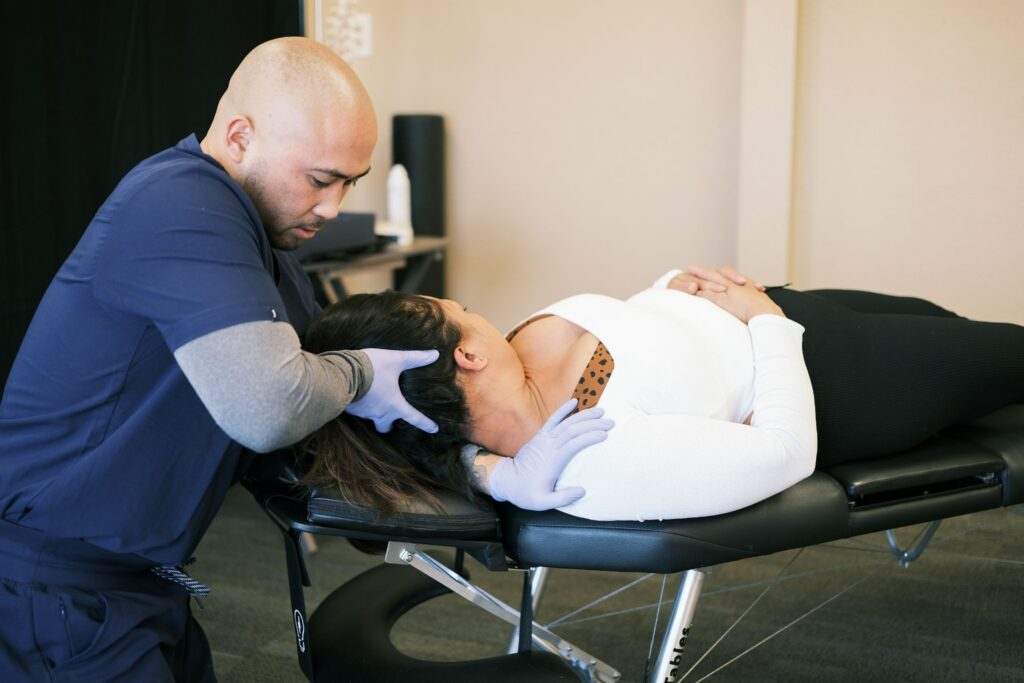

If you’ve been dealing with neck pain, remember that you’re not alone. Many individuals experience discomfort due to factors like poor posture or stress. Fortunately, there are effective home techniques you can implement to find relief, and I’m here to guide you through them.
Chiropractic care is one of the best ways to address neck pain naturally. By focusing on spinal health, chiropractic adjustments can realign your spine, relieve tension, and promote overall wellness. Regular visits to a chiropractor can help you discover the root causes of your pain and develop a personalized plan to address them.
In addition to chiropractic care, there are several simple techniques you can try at home. Stretching exercises can be incredibly beneficial for relieving tension in your neck. Gentle neck stretches, such as tilting your head from side to side or rotating it slowly, can help improve flexibility and reduce discomfort.
Heat therapy is another great option. Applying a warm compress or taking a warm shower can help soothe tight muscles and improve blood flow to the area. Just be sure to avoid applying heat for too long, as it’s best to limit sessions to about 15-20 minutes.
Additionally, pay attention to your posture throughout the day. Whether you’re sitting at a desk or using your phone, keeping your neck in a neutral position can help prevent strain. Consider using ergonomic furniture and taking frequent breaks to stretch and move around.
Remember, while these techniques can provide relief, working with a chiropractor is essential for long-term health. They can help you understand the mechanics of your body and guide you toward a healthier lifestyle. Embrace these home techniques, and consider scheduling a chiropractic appointment to take the first step toward a pain-free life.
Key Takeaways
- Engage in regular neck stretching exercises such as neck tilts and chin tucks. These simple movements can enhance your neck’s flexibility and help reduce built-up tension, making them a great addition to your daily routine.
- Consider using heat therapy to relax your muscles and improve blood flow. A warm towel or heating pad can work wonders in easing discomfort and promoting a sense of well-being.
- Cold therapy can be quite effective in managing sharp pain and reducing inflammation. Applying an ice pack can help numb the area and provide immediate relief from discomfort.
- It’s crucial to maintain proper posture, especially at your workspace. Ensure your chair and monitor are adjusted to promote good alignment, which can prevent unnecessary strain on your neck.
- Self-massage techniques can be beneficial in alleviating tightness in your neck. Take a few moments each day to gently massage the areas that feel tense. This can promote relaxation and enhance your overall comfort.
Remember, chiropractic care is a holistic approach that addresses the root cause of neck pain. Regular check-ups with your chiropractor can help ensure your spine is aligned and functioning optimally, leading to better health and wellness. Make chiropractic a part of your journey to natural healing and a pain-free life!
Understanding the Causes of Neck Pain
Neck pain is a common issue that can stem from various factors, and understanding these causes is key to finding relief. One of the primary culprits is poor posture, which often results from spending long hours hunched over a computer or smartphone. This can lead to muscle strain and tension in your neck.
Additionally, the way you sleep can significantly impact your neck health. Using inappropriate pillows or sleeping in awkward positions can contribute to ongoing discomfort. It’s important to find a pillow that supports your neck’s natural curve and promotes proper alignment while you sleep.
Injuries, such as whiplash from car accidents or sports-related mishaps, can also be significant contributors to neck pain. Chronic conditions like arthritis or herniated discs may cause ongoing discomfort as well. Moreover, stress and anxiety can manifest physically, tightening the muscles in your neck and leading to pain.
Being mindful of these factors can help you identify potential triggers in your daily routine. Here are some tips to help you manage and relieve neck pain naturally:
- Improve Your Posture: Make a conscious effort to sit up straight and keep your shoulders back while working. Consider ergonomic furniture that supports proper posture.
- Adjust Your Workspace: Position your computer screen at eye level to avoid straining your neck. Use a chair that offers good support to maintain proper alignment.
- Choose the Right Pillow: Invest in a quality pillow that supports your neck’s natural curve. Avoid sleeping on your stomach, as this can strain the neck.
- Take Frequent Breaks: If you work at a desk, take regular breaks to stretch and move around. This can help reduce tension in your neck and shoulders.
- Incorporate Stretching and Strengthening Exercises: Gentle neck stretches and strengthening exercises can help maintain flexibility and support the muscles around your cervical spine.
- Consider Chiropractic Care: Chiropractic adjustments can be a highly effective way to relieve neck pain. A chiropractor can help restore proper alignment, improve mobility, and reduce tension, leading to enhanced overall wellness.
By understanding the causes of neck pain and implementing these practical tips, you can take proactive steps toward relief and prevention.
Embracing chiropractic care as part of your wellness routine can help you achieve optimal health and a pain-free neck. Remember, your overall well-being is a journey, and making small changes can lead to significant improvements!
Stretching Exercises to Alleviate Tension
To effectively manage neck pain and enhance your overall well-being, incorporating stretching exercises into your daily routine can be incredibly beneficial. As a chiropractor, I recommend starting with simple neck tilts: gently drop your head to one side, allowing the stretch to extend along the opposite side of your neck. Hold this position for 15-30 seconds before switching to the other side. This straightforward exercise helps to alleviate tension and improve flexibility.
Next, consider adding chin tucks to your routine. Whether sitting or standing, maintain a tall posture and gently pull your chin back toward your neck. Hold this position for a count of five. This exercise not only assists in strengthening the neck muscles but also plays a significant role in enhancing your posture, which is vital for long-term spinal health.
Shoulder rolls are another effective way to relieve tension. Lift your shoulders up toward your ears, then roll them back and down in a circular motion. Aim for 10 repetitions. This movement helps to release built-up stress in the shoulders, contributing to a more relaxed neck.
Don’t forget about the doorway stretch, which is excellent for opening up your chest and relieving neck tension. Stand in a doorway, place your arms on either side of the frame, and gently lean forward. This stretch encourages better posture and can significantly reduce discomfort.
Regularly practicing these stretches can promote flexibility and greatly enhance your comfort.
Remember, chiropractic care is also a fantastic option for addressing neck pain and achieving optimal health. By visiting your chiropractor, you can receive personalized treatment that targets the root of your discomfort and supports your journey towards natural wellness.
Embrace these stretches as part of your routine, and consider incorporating chiropractic care for a holistic approach to health.
Heat Therapy for Muscle Relaxation
Heat therapy can be a fantastic ally in your journey toward relieving neck pain, as it aids in muscle relaxation and boosts blood circulation. As a chiropractor dedicated to promoting natural healing and optimal health, I want to share how you can safely incorporate heat therapy into your wellness routine.
There are several effective ways to apply heat, such as using heating pads, warm towels, or even a hot water bottle. These methods can help soothe tight muscles and alleviate discomfort. However, it’s essential to be cautious to avoid burns or overheating. Always test the temperature before applying it to your neck, and limit each session to about 15-20 minutes.
In addition to heat therapy, remember that chiropractic care plays a crucial role in addressing the underlying issues of neck pain. Regular visits to a chiropractor can help align your spine, relieve tension, and improve your overall well-being. By combining heat therapy with professional chiropractic adjustments, you can achieve lasting relief and enhance your body’s natural healing abilities.
Here are some general tips to keep in mind:
- Stay Hydrated: Drinking plenty of water helps keep your muscles hydrated and functioning properly.
- Posture Awareness: Be mindful of your posture throughout the day, especially if you work at a desk. Proper alignment can prevent strain and pain.
- Gentle Stretching: Incorporate gentle neck stretches into your routine to maintain flexibility and reduce tension.
Benefits of Heat Therapy
Soothing warmth can work wonders for alleviating muscle tension in your neck, and as a chiropractor, I often recommend heat therapy as a complementary approach to your overall wellness journey.
Applying heat to your neck increases blood flow to the area, which helps promote faster healing and reduce stiffness. This improved circulation delivers essential oxygen and nutrients to your muscles, allowing them to relax more effectively.
When you enjoy the comforting warmth, it also stimulates sensory receptors in your skin, distracting your brain from pain signals and providing relief. Not only does this help ease discomfort, but the gentle heat can also lift your mood and enhance your overall sense of well-being.
Whether you’re experiencing chronic pain or occasional discomfort, incorporating heat therapy into your routine can be a simple yet effective way to ease tension and improve your neck’s mobility.
Here are some tips for effectively using heat therapy:
- Use a Warm Compress: A warm towel or heating pad can be applied directly to the neck for 15-20 minutes.
- Take a Warm Bath: Soaking in warm water can relax your muscles and promote circulation throughout your body.
- Stay Hydrated: Drinking water helps support muscle function and overall health, especially when using heat therapy.
- Combine with Gentle Stretches: After applying heat, gentle neck stretches can further enhance mobility and relieve tension.
Remember, while heat therapy offers significant benefits, it’s best used in conjunction with regular chiropractic adjustments.
These adjustments help align your spine, reducing tension and improving overall function. By integrating heat therapy with chiropractic care, you can achieve optimal health and well-being more effectively. You’ll likely feel the benefits quickly!
Methods of Application
Applying heat therapy can take various forms, each offering unique benefits for muscle relaxation in your neck, which is essential for maintaining spinal health.
As a chiropractor, I encourage you to explore these natural methods for relief and wellness.
One simple approach is using a warm towel. Just soak it in hot water, wring it out, and drape it around your neck. This method not only warms the muscles but also encourages blood flow, promoting healing.
Another option is a heating pad set on low. Position it directly over the affected area for easy relief. This targeted warmth helps relax tight muscles and can be especially beneficial after a long day or following physical activity.
If you prefer hands-free comfort, consider electric heat wraps. These wraps conform to your body and provide consistent warmth, allowing you to go about your day while easing tension.
A warm shower is another fantastic way to soothe tight muscles. Letting the water cascade over your neck can do wonders for relaxation and tension relief.
Hot packs are also effective, delivering targeted warmth to specific areas of discomfort.
No matter which method you choose, always ensure that it feels comfortable and helps melt away the tension in your neck.
Remember, while these heat therapy techniques can provide significant relief, regular chiropractic care offers a holistic approach to pain relief and overall wellness.
Precautions to Consider
Before you consider heat therapy for neck pain, it’s important to keep some safety tips in mind to ensure you get the most benefit while staying safe.
First, always test the heat source on a small patch of skin to prevent burns. Using a towel as a barrier between the heat and your skin is a smart move, especially when using moist heat. Limit your heat application to about 15-20 minutes to avoid overheating your tissues.
If you have conditions such as diabetes or circulatory issues, it’s wise to check in with a healthcare professional before starting any new treatment. Remember, heat should never be applied to swollen or inflamed areas, as this can aggravate the situation. Always listen to your body; if you experience any discomfort or increased pain, take the heat source away right away.
While heat therapy can be a great way to relieve tension and pain, don’t forget the value of chiropractic care. Regular adjustments can help correct underlying issues in your spine and improve your overall wellness.
Cold Therapy for Inflammation Reduction
Cold therapy can be a fantastic tool for alleviating inflammation in your neck, especially when combined with chiropractic care. By applying an ice pack or cold compress for the appropriate amount of time, you can help ease pain and reduce swelling. This natural method not only aids in your recovery but also complements the holistic approach of chiropractic treatment.
To effectively use cold therapy, start by wrapping an ice pack in a cloth to protect your skin. Apply it to the affected area for about 15-20 minutes, taking breaks in between to avoid frostbite. This simple practice can provide immediate relief and is an excellent addition to your wellness routine.
Chiropractic care plays a crucial role in addressing the underlying issues that may contribute to neck pain and inflammation. Regular adjustments can help restore proper alignment, enhance mobility, and promote natural healing within your body.
Incorporating cold therapy into your recovery plan can accelerate the healing process and improve your overall well-being. Remember, consistency is key!
Make it a habit to listen to your body and address any discomfort with these natural methods. By prioritizing chiropractic care and simple self-care techniques like cold therapy, you’re taking significant steps toward achieving optimal health and a pain-free life.
Ice Pack Application
Using an ice pack can be one of the most effective ways to reduce inflammation and relieve neck pain, especially when combined with chiropractic care. Cold therapy works by constricting blood vessels, which helps minimize swelling and numbs sharp pain. Here are some simple guidelines to help you maximize the benefits of ice therapy at home:
| Step | Description |
|---|---|
| 1. Prepare | Wrap the ice pack in a thin cloth to protect your skin. This is important for avoiding any discomfort. |
| 2. Position | Gently place the wrapped ice pack on the affected area of your neck. Ensure it’s comfortably resting without pressing too hard. |
| 3. Duration | Apply the ice pack for 15-20 minutes at a time. This duration is effective for reducing inflammation while allowing your skin to recover. |
| 4. Frequency | You can repeat this process every 1-2 hours as needed. Consistent use can lead to better results. |
| 5. Monitor | Always keep an eye on your skin for any signs of frostbite, such as extreme redness or numbness. If you notice any of these signs, remove the ice pack immediately. |
Cold Compress Duration
When dealing with neck pain, using a cold compress can be a great natural way to find relief. As a chiropractor, I want to share some helpful tips to ensure you make the most of this simple technique.
Aim to apply the cold compress to your neck for about 15 to 20 minutes. This duration is effective for reducing inflammation and easing discomfort, without putting your skin at risk for damage. It’s important to give your skin a break after this time, so take at least a 20-minute pause before reapplying the compress. This resting period allows your skin to recover and prevents any issues like frostbite.
If neck pain lingers, you can repeat this process multiple times throughout the day, especially during the first 48 hours after any injury. However, remember that balance is key! It’s essential to listen to your body—if you start to feel any discomfort, adjust your timing accordingly.
In addition to using a cold compress, consider incorporating chiropractic care into your wellness routine. Chiropractic adjustments can help address the root cause of your neck pain and promote overall health. By focusing on spinal alignment, you can enhance your body’s natural healing abilities, leading to long-term relief and improved well-being.
As you explore natural methods for pain relief, always keep in mind the importance of a holistic approach to health. Simple practices, like maintaining proper posture, staying hydrated, and engaging in gentle stretching, can complement your cold therapy and chiropractic care, paving the way for a healthier, pain-free life.
Benefits of Cold Therapy
As a chiropractor, I understand that neck pain can be a frustrating and debilitating experience. One effective and natural way to manage this discomfort is through cold therapy. Applying cold packs can significantly help reduce inflammation and provide relief from pain. When you use cold therapy, it constricts blood vessels, which helps to minimize swelling and numb sharp aches. Many of my patients find that incorporating cold therapy into their routine not only eases their discomfort but also promotes quicker healing.
Here are some key benefits of cold therapy to consider:
| Benefit | Description |
|---|---|
| Reduces Swelling | Cold therapy effectively decreases inflammation in the affected area. |
| Numbs Pain | It provides immediate relief from sharp pain, allowing you to feel more comfortable. |
| Limits Tissue Damage | By constricting blood flow, cold therapy helps to protect surrounding tissues from further injury. |
| Improves Recovery Time | Using cold therapy can aid in the faster healing of injuries, helping you return to your daily activities sooner. |
| Easy to Use | Cold packs are simple to apply at home, making it a convenient option for pain management. |
Incorporating cold therapy into your pain relief routine can truly make a difference. Always remember to wrap your cold pack in a cloth to protect your skin, and apply it for about 15-20 minutes at a time. This natural approach can complement your chiropractic care, enhancing your overall wellness journey. If you’re dealing with neck pain, consider discussing cold therapy with your chiropractor, who can provide personalized advice tailored to your specific needs. Your path to optimal health starts with understanding and utilizing effective methods like these!
Proper Posture Techniques
Maintaining proper posture is crucial for preventing and alleviating neck pain, and as your local chiropractor, I want to share some valuable techniques that can help you achieve optimal health and wellness through natural means.
When you’re sitting or standing, it’s important to keep your shoulders relaxed and down, aligning them with your ears. Picture a gentle string pulling the top of your head upward—this will help elongate your neck. Make sure your chin isn’t jutting forward; instead, tuck it in slightly to maintain a neutral spine. This simple adjustment can make a significant difference in how your neck feels.
If you’re sitting, choose a chair that offers support for your lower back, and ensure your feet are flat on the floor. Position your computer screen at eye level to prevent tilting your head up or down, which can lead to discomfort.
When standing, distribute your weight evenly on both feet to avoid leaning to one side, which can strain your neck and back.
It’s also essential to take regular breaks to stretch and reset your posture, especially if you’re in a stationary position for extended periods. Simple stretches or a quick walk can do wonders for relieving tension. By incorporating these techniques into your daily routine, you can significantly reduce the strain on your neck and promote overall comfort.
Remember, chiropractic care is a fantastic option for addressing neck pain and enhancing your overall well-being. By focusing on natural healing and spinal education, you can find relief without the need for surgeries or medications.
Always prioritize your health and consider chiropractic adjustments as a proactive approach to maintaining a healthy spine and a pain-free lifestyle.
Ergonomic Adjustments for Workspaces
Creating an ergonomic workspace is crucial for preventing neck pain and enhancing overall well-being. By making a few simple adjustments to your workspace, you can support your spine and promote a healthier lifestyle. Here are some key tips to consider:
- Chair Height: Adjust your chair so that your feet rest flat on the ground, and your knees align with your hips. This helps maintain proper posture and provides support to your spine, making you feel comfortable and stable throughout the day.
- Monitor Position: Position your computer monitor at eye level. This adjustment prevents unnecessary strain on your neck and encourages a more natural alignment of your spine, which can enhance focus and clarity in your work.
- Keyboard and Mouse Placement: Keep your keyboard and mouse close enough that your elbows can maintain a 90-degree angle. This promotes relaxed shoulders and helps reduce tension in your upper body, allowing for greater productivity.
- Desk Organization: Keep your workspace tidy to minimize clutter. A well-organized desk creates a calming environment that can enhance your creativity and efficiency.
Here’s a simple checklist to help you visualize these adjustments:
| Adjustment | Importance | Emotional Impact |
|---|---|---|
| Chair Height | Supports proper posture | Feels comfortable and stable |
| Monitor Position | Reduces neck strain | Enhances focus and clarity |
| Keyboard Placement | Promotes relaxed shoulders | Boosts productivity |
| Desk Organization | Minimizes clutter | Creates a calming workspace |
Massage Techniques for Relief
When neck pain strikes, it can be incredibly uncomfortable and frustrating. As a chiropractor, I want to emphasize that massage can be a fantastic complement to chiropractic care, helping to alleviate tension and discomfort in the neck.
Whether you choose to use self-massage techniques or tools designed for relief, these methods can work wonders when combined with regular chiropractic adjustments.
Self-massage is a simple and effective way to target those tight areas in your neck. You can use your fingers to apply gentle pressure to sore spots, or try using a tennis ball against a wall to relieve tension. This can help to promote blood flow to the area, which is essential for healing and recovery.
Incorporating stretching into your daily routine can also be beneficial. Gentle neck stretches can help maintain flexibility and reduce stiffness. Remember to take breaks during the day to move and stretch, especially if you find yourself sitting for long periods.
While massage can provide temporary relief, it’s important to address the underlying causes of your neck pain. Regular chiropractic adjustments can help to realign the spine, improve mobility, and reduce tension in the muscles surrounding the neck.
By focusing on spinal health, you can achieve optimal wellness and prevent future discomfort.
In summary, while massage techniques can bring immediate relief to neck pain, pairing these methods with chiropractic care is the best way to ensure long-term health and wellness.
If you’re struggling with neck pain, consider reaching out to a chiropractor to explore how a holistic approach can benefit you. Your journey to a pain-free life starts with the right care!
Self-Massage Techniques
If you’re experiencing neck pain, incorporating self-massage techniques into your routine can be a beneficial way to find relief. While chiropractic care is the most effective option for addressing the root cause of pain, these self-massage methods can complement your treatment and provide immediate comfort.
Begin by gently using your fingertips to apply pressure to the base of your skull, moving in small circular motions. This area often holds a lot of tension, so taking the time to work here can be quite soothing.
Gradually move down to your shoulders, kneading the muscles with your thumbs. Remember, the goal is to relax the muscles, not to cause pain, so be mindful of how much pressure you apply.
You can also use the palm of your hand to press down firmly on any tight spots, holding this pressure for 15-30 seconds. This can encourage blood flow to the area, promoting healing.
To enhance the effects of your massage, incorporate gentle stretching of your neck. For instance, tilt your head to one side while using your opposite hand to apply gentle pressure. This not only helps relieve tension but also increases flexibility.
As you perform these techniques, don’t forget the importance of deep breathing. Take slow, deep breaths to help relax your body and mind, allowing for a more effective massage experience.
By regularly practicing self-massage, you can significantly reduce tension, improve your mobility, and enhance your overall comfort.
While these methods are helpful, remember that chiropractic care is the best approach for long-term relief and optimal health. A chiropractor can identify and address the underlying issues causing your neck pain, ensuring you not only feel better but also maintain a healthy spine.
Using Massage Tools
Self-massage techniques can be greatly enhanced with the use of various massage tools that specifically target neck pain, complementing the benefits of chiropractic care. By incorporating these tools into your routine, you can promote relaxation and aid in natural healing.
One effective option is a massage ball or foam roller. These tools can be rolled gently along your neck and upper back, helping to relieve tension and improve blood flow. This not only feels great but also supports the adjustments made during chiropractic sessions by maintaining muscle relaxation.
Handheld massagers are another excellent choice. They allow you to apply targeted pressure where you need it most, further enhancing your self-care routine. Additionally, consider using a neck massager that wraps around your neck, which often offers soothing heat and vibration to deepen your relaxation experience.
Don’t overlook therapy sticks or massage sticks, as they can effectively pinpoint tight spots in your muscles. Using these tools regularly can help you manage neck pain more effectively and support your overall wellness journey.
Remember, while these tools are beneficial, they should complement, not replace, regular visits to your chiropractor. Chiropractic care focuses on correcting spinal misalignments and promoting overall health, making it the best choice for long-term pain relief and wellness.
Breathing Exercises to Reduce Stress
Breathing exercises are an excellent way to reduce stress and tension, especially in your neck, which often holds the weight of our worries. Incorporating these techniques into your routine can’t only promote relaxation but also enhance your overall well-being.
As a chiropractor, I believe that taking care of your spine and nervous system is essential for optimal health, and these breathing exercises can complement chiropractic care perfectly. Here are four simple exercises to help alleviate stress and tension:
- Diaphragmatic Breathing: Find a comfortable seated or lying position. Breathe in deeply through your nose, allowing your belly to expand. Then, exhale slowly through your mouth. This technique helps to engage the diaphragm and can relieve pressure on your spine. Aim to do this for about 5 minutes.
- Box Breathing: This method is easy to remember. Inhale for a count of 4, hold your breath for 4, exhale for 4, and then pause for another 4 before inhaling again. This rhythmic breathing can help calm your mind and body, providing a sense of balance that supports your overall health.
- 4-7-8 Breathing: Inhale through your nose for 4 seconds, hold that breath for 7 seconds, and then exhale slowly through your mouth for 8 seconds. This practice can promote relaxation and is especially useful after a long day. Repeat this for 4 cycles to really feel the benefits.
- Alternate Nostril Breathing: Close one nostril and inhale through the other, then switch nostrils and exhale. This technique not only helps with respiratory health but also promotes mental clarity and reduces anxiety. Spend a few minutes alternating nostrils to enjoy a calming effect.
By incorporating these breathing exercises into your daily routine, you can experience noticeable relief from stress and tension. Remember, chiropractic care is an important part of maintaining a healthy spine and nervous system.
Together with these breathing techniques, you can achieve greater overall wellness and pain relief. Prioritizing your health naturally is the best choice for long-term well-being!
Yoga Poses for Neck Pain Relief
While stress can often lead to tightness in your neck, incorporating specific yoga poses into your routine can help alleviate this discomfort naturally. However, it’s essential to remember that regular chiropractic care can play a vital role in maintaining proper spinal health and relieving neck pain effectively.
Begin with the Cat-Cow stretch, which promotes flexibility in your spine and helps release tension. This pose not only benefits your neck but also encourages better alignment throughout your entire spine.
Following this, the Child’s Pose allows your neck and shoulders to fully relax, enhancing the benefits of the previous stretch.
Next, try gentle Neck Rolls—slowly rolling your head in a circular motion. This simple movement can help ease tightness, but it’s important to note that chiropractic adjustments can provide a more comprehensive solution by addressing underlying spinal issues.
For deeper relief, practice the Supported Fish Pose by lying on your back with a bolster or cushion under your upper back. This opens up your chest and stretches your neck, promoting better posture and alleviating discomfort.
Alongside these yoga practices, regular visits to your chiropractor can ensure that your spine remains in optimal alignment, further supporting your neck health.
Incorporate the Seated Forward Bend to lengthen your spine and release any lingering tension. This pose can complement chiropractic care by helping to enhance your overall well-being.
To conclude your practice, spend a few minutes in Savasana, focusing on deep breathing and relaxing your neck and shoulders.
Remember, while these yoga poses can provide immediate relief, consistent chiropractic care is the best way to achieve long-term health and wellness. It’s a natural approach to pain relief that focuses on your body’s innate ability to heal itself.
When to Seek Professional Help
Knowing when to seek professional help for neck pain is essential, especially if your discomfort persists despite trying various home remedies.
Listening to your body is key, and recognizing the signs that indicate it’s time to consult a healthcare professional can help you find relief. Here are four important indicators that suggest you should consider chiropractic care:
- Persistent Pain: If your neck pain lasts for more than a few weeks, it’s a good idea to seek a chiropractor’s expertise. Prolonged discomfort can indicate underlying issues that may benefit from spinal adjustments and holistic treatment.
- Radiating Symptoms: If you notice pain that travels down your arms or into your hands, don’t hesitate to reach out. This could be a sign of nerve involvement, and a chiropractor can help address the root cause of this pain naturally.
- Numbness or Weakness: Experiencing any numbness, tingling, or weakness in your arms is a clear signal to seek help. A chiropractor can evaluate your spine and nervous system to identify any misalignments that may be contributing to these sensations.
- Injury or Trauma: If your neck pain follows an injury or trauma, it’s important to get checked out as soon as possible. Chiropractors are skilled in assessing and treating injuries through gentle adjustments and supportive care.
Recognizing these signs can help you avoid complications and ensure you receive the right treatment for your neck pain.
Remember, chiropractic care focuses on natural healing and restoring balance to your body, making it an excellent choice for achieving optimal health and pain relief.
In addition, maintaining good posture, staying active, and practicing stress-reduction techniques can further support your neck health.
If you’re experiencing any of the symptoms mentioned, don’t wait—consult a chiropractor for a personalized approach to your wellness journey.
Conclusion
Incorporating these home techniques for neck pain relief can greatly enhance your comfort and overall well-being. As a local chiropractor, I want to emphasize the importance of maintaining an active lifestyle and practicing good posture to support your spinal health. Engaging in gentle exercises, like neck stretches and strengthening routines, can help alleviate tension and prevent pain.
Using heat or cold therapy can be beneficial as well—apply a warm compress to relax tight muscles or an ice pack to reduce inflammation. Don’t forget to prioritize regular stretching and explore relaxation methods such as yoga and mindful breathing exercises. These practices not only help relieve neck pain but also promote overall wellness.
Chiropractic care is a natural and effective solution for addressing neck pain at its source. By focusing on spinal alignment and joint function, chiropractic adjustments can help restore balance and reduce discomfort. If your pain persists or worsens, I encourage you to consult with a chiropractor who can provide personalized care and guidance tailored to your needs.
Your neck health is essential, and by choosing a holistic approach like chiropractic care, you’re taking a proactive step toward optimal health and wellness. Remember, a healthy spine is key to a healthy life!