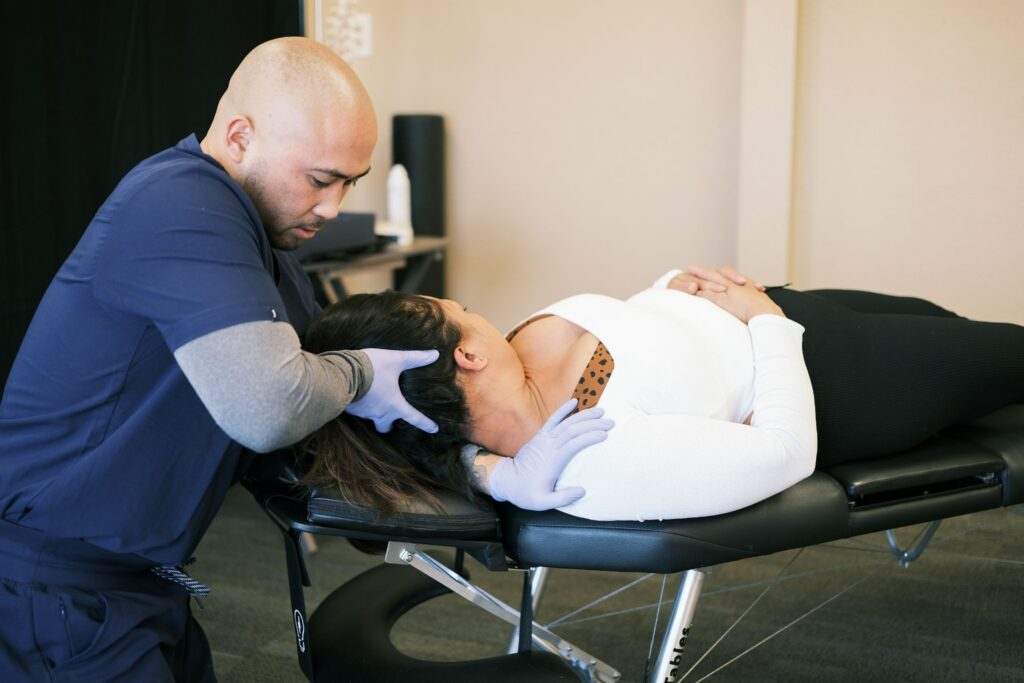

Recovering from whiplash may feel daunting, but with the right approach, you can navigate this journey towards healing. As a chiropractor, I want to emphasize the importance of natural healing and the role chiropractic care plays in your recovery process. By prioritizing rest and gentle movement, you can begin to regain your strength while ensuring your spine is properly aligned.
Understanding the ideal balance of activities and therapies is key to your recovery. Each of these tips is designed to empower you and provide guidance as you work towards feeling better. Let’s delve into some essential strategies that can aid your recovery and enhance your overall well-being.
- Seek Chiropractic Care: Regular visits to a chiropractor can help restore proper alignment to your spine, alleviate pain, and promote faster healing.
- Gentle Movements: Incorporate light stretches and movements into your routine to maintain mobility without overexerting yourself. Your chiropractor can guide you on the best exercises for your condition.
- Rest and Recovery: Allow your body the time it needs to heal. Listen to your body and take breaks when necessary.
- Stay Hydrated: Drinking plenty of water can support overall health and aid in the healing process.
- Heat and Cold Therapy: Applying heat can help relax muscles, while cold packs can reduce inflammation and pain. Use these therapies as needed.
- Mindful Posture: Be conscious of your posture throughout the day, whether sitting at a desk or using a phone. Good spinal alignment can prevent additional strain.
- Nutrition Matters: Eating a balanced diet rich in anti-inflammatory foods can support your body’s healing process. Consider incorporating fruits, vegetables, and omega-3 fatty acids.
- Stress Management: Stress can exacerbate pain and tension. Engage in relaxation techniques such as deep breathing, meditation, or gentle yoga.
- Gradual Activity Increase: As you start to feel better, slowly reintroduce activities you enjoy, but do so at a pace that feels comfortable for you.
- Stay Informed: Educate yourself about whiplash and its effects on the body. Knowledge is empowering and can help you make informed decisions about your care.
By following these tips and prioritizing chiropractic care, you can take significant strides towards a healthier, pain-free future. Remember, recovery is a journey, and you don’t have to navigate it alone. Your chiropractor is here to support you every step of the way.
Key Takeaways
- Rest and recovery are vital for whiplash healing. Create a calming sleep environment and use supportive pillows to keep your neck stable while you rest. This helps your body focus on healing.
- Chiropractic care is an excellent choice for realigning your spine and enhancing your body’s natural ability to heal. Regular adjustments can significantly alleviate pain and improve mobility.
- For the first couple of days after an injury, ice therapy can be your best friend. Applying ice helps reduce swelling. After 48 hours, switch to heat therapy to soothe tight muscles and promote blood flow.
- Staying well-hydrated and eating a balanced diet filled with fruits, vegetables, and lean proteins can support your recovery. Proper nutrition fuels your body and aids in healing.
- Make some ergonomic changes in your workspace. Ensure your chair and desk are set up to promote good posture. Take frequent breaks to stretch gently and reduce tension in your neck and back.
By incorporating these tips and prioritizing chiropractic care, you can effectively manage your whiplash recovery and work towards optimal health. Remember, your body has a remarkable ability to heal itself with the right support!
Rest and Allow Your Body to Heal
Rest and Allow Your Body to Heal Naturally with Chiropractic Care
If you’ve experienced whiplash, taking time to rest is crucial for your body to heal properly. Your muscles, ligaments, and tendons need the opportunity to recover from any strain, and that means it’s important to step back from your usual activities.
Listen to your body; it’s okay to pause your daily routines and avoid strenuous exercises as you heal.
A key part of your recovery is getting enough sleep, as this is when your body does most of its repair work. Create a soothing sleeping environment to aid in your recovery. If restful sleep is challenging, consider using supportive pillows to help stabilize your neck and promote comfort.
Throughout the day, aim for a balance between resting and gentle movement. Short walks or light stretching can be beneficial to maintain mobility without putting too much strain on your body.
Remember, your body knows what it needs, so prioritize self-care and have patience with the healing process.
In addition to rest, incorporating chiropractic care can be a game-changer for your recovery. A chiropractor can help realign your spine, which may alleviate pain and enhance your overall healing.
By focusing on natural methods of wellness, chiropractic care supports your body’s innate ability to heal itself.
As you embark on this healing journey, prioritize your well-being and stay committed to your recovery. You’ll likely find that with the right approach, including chiropractic care, you’ll feel better and stronger as you allow your body the time it needs to heal.
Apply Ice and Heat for Pain Relief
As a local chiropractor, I want to share some valuable insights on how using ice and heat can help ease your pain after a whiplash injury. These natural therapies can be powerful tools in your recovery process, complementing the chiropractic care that I provide.
Ice therapy is fantastic for reducing swelling and numbing any sharp pain you might experience. When you apply ice to the affected area, it constricts blood vessels, which helps minimize inflammation and provides immediate relief. I recommend using ice wrapped in a cloth for about 15-20 minutes at a time, especially during the first 48 hours after your injury.
On the other hand, heat therapy is great for relaxing tight muscles and improving blood flow. It promotes healing by increasing circulation to the injured area. You can use a warm towel or a heating pad for around 15-20 minutes. Just make sure not to use heat if there’s swelling still present, as it can exacerbate the problem.
It’s crucial to alternate between ice and heat based on your symptoms. Start with ice to manage pain and swelling, and then transition to heat to promote healing and flexibility.
Remember, while these methods can provide relief, they work best in conjunction with regular chiropractic care. A chiropractor can help align your spine, reducing tension and improving overall function, leading to a more comprehensive approach to wellness.
Embracing these natural healing methods alongside chiropractic care can be your pathway to optimal health. If you have any questions or need personalized advice, feel free to reach out!
Ice Therapy Benefits
Applying ice therapy can be an effective way to alleviate pain and reduce inflammation, especially after experiencing a whiplash injury. By using ice packs on the affected area, you can numb the pain and slow down blood flow, which helps decrease swelling. For optimal results, aim to apply ice for 15-20 minutes every hour during the first 48 hours following the injury.
Here’s a quick overview of the benefits of ice therapy:
| Benefits | Description |
|---|---|
| Pain Relief | Numbs the area, helping to ease discomfort naturally. |
| Inflammation Control | Slows blood flow to reduce swelling effectively. |
| Muscle Relaxation | Promotes relaxation of tight muscles around the injury. |
Incorporating ice therapy into your recovery routine can significantly enhance your healing process and complement your chiropractic care. Remember to wrap your ice pack in a cloth to protect your skin and prevent frostbite.
As a chiropractor, I encourage you to consider the importance of addressing the root cause of your pain. Regular chiropractic adjustments can help improve spinal alignment, promote natural healing, and prevent future injuries. By focusing on your overall wellness through chiropractic care, you can achieve lasting relief and a healthier lifestyle. Always listen to your body and consult with your chiropractor for personalized advice tailored to your recovery journey!
Heat Application Techniques
While ice therapy is crucial during the initial stages of whiplash recovery, incorporating heat into your routine can significantly enhance your comfort and flexibility as you heal.
Heat therapy encourages blood circulation, which helps to relax tight muscles and ease soreness, making it a beneficial addition to your recovery process.
For effective relief, you can use a heating pad, hot water bottle, or even a warm towel. When applying heat, aim for 15-20 minutes at a time. It’s important to ensure that whatever method you choose is warm but not too hot to prevent burns.
Many people find that alternating between heat and ice can yield the best results in managing pain and stiffness.
Always listen to your body; if the heat feels uncomfortable, take a break. Consistency is essential—try to incorporate heat therapy into your daily routine to support your recovery journey.
As a chiropractor, I emphasize the importance of holistic approaches to health and wellness.
Regular chiropractic care can help address the underlying issues contributing to your discomfort. Together with heat therapy, chiropractic adjustments can promote better spinal alignment and overall well-being.
Always consult with your chiropractor or healthcare provider before starting any new treatment to ensure it aligns with your recovery plan. Your path to optimal health is a journey, and I’m here to support you every step of the way!
Engage in Gentle Stretching Exercises
Gentle stretching exercises play a crucial role in restoring flexibility after a whiplash injury, and as your local chiropractor, I’m here to guide you on your journey to recovery.
These specific techniques not only help relieve tension but also enhance your range of motion, paving the way for natural healing and improved overall wellness.
Incorporating gentle stretches into your routine can significantly support your recovery process. Here are some recommended stretches that can aid in alleviating discomfort and promoting flexibility:
- Neck Tilts: Slowly tilt your head to one side, bringing your ear toward your shoulder. Hold for a few seconds and switch sides. This gentle stretch helps relieve tension in the neck and improves mobility.
- Chin Tucks: Sit or stand up straight and gently pull your chin in towards your neck. Hold for a few seconds and release. This exercise helps strengthen the neck muscles and aligns your spine.
- Shoulder Rolls: Roll your shoulders forward in a circular motion, then backward. This simple exercise can help release tension in the upper back and shoulders.
- Gentle Neck Rotation: Slowly turn your head to one side, looking over your shoulder, and hold for a few seconds. Repeat on the other side. This stretch enhances neck mobility and reduces stiffness.
Remember, it’s always best to perform these stretches gently and within your comfort zone. Listen to your body and don’t push through pain.
In addition to these stretches, consider regular chiropractic care. Visiting your chiropractor can provide you with personalized treatment plans tailored to your specific needs, addressing the root of your discomfort and facilitating natural healing.
Chiropractic adjustments can enhance your body’s ability to heal itself, promoting not only pain relief but also overall wellness.
By integrating these gentle stretching exercises into your daily routine and seeking chiropractic care, you’re taking proactive steps toward optimal health and a pain-free life.
Importance of Flexibility
Flexibility is a vital component in your recovery from whiplash, and chiropractic care can significantly enhance this process. By focusing on gentle stretching exercises, you can alleviate tension and improve your range of motion. As you work with your chiropractor, you’ll find that these techniques not only ease discomfort but also promote better circulation and reduce stiffness. Remember, healing takes time, and restoring flexibility is key to regaining your strength and confidence.
Here’s a quick emotional reflection on your journey:
| Feelings | Benefits of Stretching | Your Goals |
|---|---|---|
| Frustration | Increased Mobility | Return to daily life |
| Tension | Pain Relief | Enjoy activities again |
| Hope | Improved Posture | Strengthen neck |
| Determination | Enhanced Flexibility | Pain-free movement |
| Resilience | Overall Well-being | Thrive in recovery |
Chiropractic care can help you stay committed to your recovery, providing you with personalized stretching routines and hands-on adjustments that promote flexibility and healing. Here are some general tips to support your journey:
- Incorporate Daily Stretching: Simple stretches can help maintain flexibility and ease tension. Your chiropractor can recommend specific stretches tailored to your needs.
- Stay Hydrated: Drinking enough water supports muscle function and aids in recovery.
- Practice Good Posture: Being mindful of your posture can help prevent further strain on your neck and spine.
- Use Heat Therapy: Applying a warm compress can help relax tight muscles before stretching.
- Listen to Your Body: Pay attention to how your body responds to different activities and adjust your routine accordingly.
With consistent effort and the guidance of chiropractic care, you will see progress and move closer to your goals. Embrace this journey toward healing and well-being!
Recommended Stretching Techniques
Recovering from whiplash can be a challenging process, but incorporating specific stretching techniques into your routine can significantly aid in your recovery and overall wellness. As a chiropractor, I emphasize the importance of gentle, natural healing methods to support your body’s ability to heal itself.
Begin your recovery by gently tilting your head from side to side. Hold each stretch for about 15 seconds; this simple movement can help improve flexibility in your neck and alleviate discomfort. Next, try slowly rotating your head in a circular motion. This can help relieve tension that may have built up in your neck and shoulders.
Don’t forget about your shoulders! Performing shoulder rolls—moving your shoulders up, back, and down—can help ease stiffness and improve your overall range of motion.
Additionally, including chest stretches in your routine is essential. To do this, clasp your hands behind your back and gently lift your arms to open up your chest. This not only promotes better posture but also helps with breathing, which is vital for relaxation and recovery.
Throughout these exercises, remember to breathe deeply. Deep breathing promotes relaxation and aids in the healing process. Always listen to your body; if something feels painful, stop and adjust.
Consistency is key for recovery, so aim to incorporate these simple stretches into your daily routine. Not only will they help with your whiplash recovery, but they’ll also contribute to your overall spinal health and well-being.
Consider Physical Therapy
If you’re dealing with whiplash recovery, chiropractic care can be a transformative option for you. A chiropractor specializes in restoring your body’s natural alignment and function, helping you regain strength and mobility specifically tailored to your needs. They’ll assess your condition thoroughly and develop a personalized treatment plan that focuses on gentle adjustments, exercises, and techniques to relieve pain, enhance flexibility, and promote overall healing.
During your chiropractic sessions, you’ll participate in targeted adjustments that help address muscle tightness and imbalances that often occur after a whiplash injury. Your chiropractor may also employ additional methods like soft tissue therapy or recommend at-home exercises to alleviate discomfort and support your recovery.
Chiropractic care goes beyond just physical adjustments; it also offers you essential education on body mechanics. This knowledge empowers you to avoid further injury by understanding proper posture and movement patterns. Taking care of your spine and overall health can lead to a more effective recovery and a return to your daily activities sooner.
Here are a few general tips to support your healing process at home:
- Maintain good posture by keeping your shoulders back and head aligned with your spine.
- Incorporate gentle stretches into your routine to improve flexibility and reduce tension.
- Stay hydrated to support muscle recovery and overall health.
- Listen to your body; if something doesn’t feel right, consult your chiropractor for guidance.
Stay Hydrated and Maintain a Healthy Diet
Staying hydrated and maintaining a healthy diet are crucial steps in your whiplash recovery journey and overall wellness. Proper hydration not only helps keep your muscles and joints lubricated, reducing pain and stiffness, but it also promotes optimal spinal health. A well-balanced diet full of nutrients supports your body’s natural healing processes, enabling you to recover effectively.
As a chiropractor, I believe in the power of natural healing, and your diet plays a significant role in this. Here’s a simple guide on foods to focus on and those to avoid during your recovery:
| Foods to Include | Foods to Avoid |
|---|---|
| Leafy greens (like spinach) | Processed snacks |
| Lean proteins (like chicken) | Sugary drinks |
| Whole grains (like quinoa) | High-fat fast foods |
| Omega-3 rich foods (like fish) | Excessive caffeine |
General Tips for Optimal Health:
- Stay Hydrated: Aim to drink plenty of water throughout the day. Proper hydration can help relieve tension in the muscles supporting your spine.
- Eat Colorfully: Incorporate a variety of colorful fruits and vegetables into your meals. These foods are packed with vitamins and antioxidants that promote healing.
- Mindful Eating: Pay attention to how different foods make you feel, and choose those that boost your energy and vitality.
- Regular Chiropractic Care: Alongside a healthy diet, regular visits to your chiropractor can help address any underlying issues causing pain and support your overall wellness.
Practice Good Posture
While you’re recovering from whiplash, incorporating good posture into your daily routine can significantly ease discomfort and promote healing. Chiropractic care emphasizes the importance of proper spinal alignment, which can help reduce strain and enhance circulation—key components for a successful recovery.
Here are some easy tips to help you maintain good posture and support your healing journey:
- Sit Up Straight: When sitting, aim to keep your back straight and shoulders relaxed. Your head should be aligned with your spine, which helps in reducing unnecessary strain on your neck.
- Use Supportive Furniture: Invest in chairs that provide proper support for your lower back. A cushion can also be helpful for added comfort, allowing your spine to maintain its natural curve.
- Adjust Your Workspace: Ensure that your computer screen is at eye level to prevent slouching. Keeping your feet flat on the floor will help you maintain a more upright posture, which is crucial for spinal health.
- Take Frequent Breaks: Make it a habit to stand up and stretch every hour. This not only relieves tension but also helps reset your posture, encouraging a healthier alignment of your spine.
By focusing on these simple yet effective strategies, you can complement your chiropractic care and work towards achieving optimal health and wellness.
Use Over-the-Counter Pain Relievers
When dealing with whiplash, it’s understandable to seek relief from the discomfort you may be experiencing. While over-the-counter pain relievers might offer temporary respite, it’s essential to consider the benefits of chiropractic care for a more holistic approach to healing.
Chiropractic adjustments can help realign your spine and relieve tension in the muscles surrounding your neck, addressing the root cause of your pain rather than just masking the symptoms. Instead of relying solely on medications, I encourage you to explore natural healing options.
Regular chiropractic visits can improve your range of motion, reduce inflammation, and promote overall wellness. It’s a powerful way to support your body’s healing process without the side effects that medications can sometimes cause.
In addition to chiropractic care, here are some general tips and tricks for managing whiplash pain:
- Gentle Stretching: Incorporate gentle neck stretches and movements to maintain flexibility and reduce stiffness. Always listen to your body and avoid any movements that cause pain.
- Ice Therapy: Applying ice to the affected area can help reduce inflammation. Use an ice pack wrapped in a towel for about 15-20 minutes at a time.
- Good Posture: Maintain good posture while sitting and standing to support your neck and spine. Use ergonomic furniture if possible.
- Stay Hydrated: Drinking plenty of water supports overall health and can help with recovery.
- Rest and Relaxation: Ensure that you’re getting enough rest to allow your body to heal. Incorporate relaxation techniques like deep breathing or meditation to manage stress.
Remember, chiropractic care is a natural and effective way to achieve optimal health. If you’re suffering from whiplash, consider scheduling an appointment with your local chiropractor to discuss a personalized treatment plan that promotes healing and wellness.
Your body will thank you!
Types of Pain Relievers
If you’ve experienced a whiplash injury, you might be feeling discomfort and looking for ways to ease your pain. While many people turn to over-the-counter medications for relief, I want to share some insights on how chiropractic care can be a more effective and natural option for managing your pain and promoting overall wellness.
Chiropractic care focuses on aligning your spine and improving your body’s functionality, which can help alleviate pain from whiplash without relying on medications. Here are some benefits of choosing chiropractic treatment:
- Natural Pain Relief – Chiropractors use hands-on spinal manipulation and other techniques to relieve pain, reduce inflammation, and promote healing.
- Holistic Approach – Chiropractic care addresses not just the symptoms, but the root cause of your discomfort. By improving spinal alignment, we can enhance nervous system function and overall health.
- Personalized Treatment Plans – Every injury is unique, and a chiropractor will create a tailored treatment plan that suits your specific needs, helping you recover at your own pace.
- Education on Healthy Living – Alongside treatment, chiropractors provide valuable tips on posture, ergonomics, and exercises that can strengthen your body and prevent future injuries.
In addition to seeking chiropractic care, here are some general tips to aid your recovery from whiplash:
- Stay Active – Gentle movement and stretching can help maintain flexibility and reduce stiffness.
- Ice and Heat Therapy – Applying ice packs can reduce swelling, while heat can help relax tense muscles.
- Stay Hydrated – Drinking plenty of water supports healing and overall health.
- Rest and Relaxation – Ensure you give your body the time it needs to heal by getting adequate rest.
Always remember that your health journey is unique. If you’re dealing with whiplash, consider visiting a chiropractor to explore a natural, effective path to recovery and wellness.
Dosage and Timing
Understanding how to manage pain effectively during your whiplash recovery is crucial for your overall well-being. While over-the-counter pain relievers like ibuprofen or naproxen can provide temporary relief, it’s important to consider more natural approaches to pain management that align with optimal health.
As a chiropractor, I encourage you to prioritize chiropractic care as a holistic solution for your pain. Regular adjustments can help realign your spine, reduce tension in your muscles, and promote better overall function, which can significantly alleviate pain associated with whiplash.
In addition to chiropractic adjustments, here are some general tips to support your recovery:
- Listen to Your Body: Pay attention to how your body feels during daily activities. If certain movements aggravate your pain, modify them or consult with your chiropractor for tailored advice.
- Stay Active: Gentle stretches and light exercises can help improve mobility and reduce stiffness. Your chiropractor can guide you on safe exercises that suit your condition.
- Practice Good Posture: Maintaining proper posture, especially when sitting or using electronic devices, can lessen strain on your neck and spine.
- Heat and Cold Therapy: Applying a warm compress or an ice pack can help soothe pain and reduce inflammation. Use whichever method feels best for your body.
- Stay Hydrated: Drinking plenty of water can aid in muscle recovery and overall health.
- Mindfulness and Relaxation: Techniques such as deep breathing, meditation, or yoga can help manage stress, which often exacerbates pain.
If you find that your pain persists despite these strategies, consider reaching out to your chiropractor. They can provide you with a comprehensive plan tailored to your needs, helping you achieve optimal health through natural healing methods.
Explore Mindfulness and Relaxation Techniques
Recovering from whiplash can be a tough journey, but incorporating mindfulness and relaxation techniques can significantly support your healing process. These practices not only help reduce stress, but they also enhance mental clarity and promote overall well-being, which is essential for optimal health.
Here are four effective techniques you can try alongside your chiropractic care:
- Deep Breathing: Find a quiet space, close your eyes, and take slow, deep breaths. Inhale gently through your nose, allowing your abdomen to expand, and then exhale through your mouth. This simple practice can help calm your nervous system and relieve tension in your body.
- Meditation: Dedicate a few minutes each day to meditation. Sit comfortably, focus on your breath, and gently guide your thoughts away from distractions. This can help you reconnect with your body and mind, enhancing your overall recovery.
- Progressive Muscle Relaxation: Starting from your toes, tense each muscle group in your body for a few seconds and then relax them. Work your way up to your head. This technique helps release built-up tension and can complement the adjustments you receive in chiropractic care.
- Guided Imagery: Take a moment to visualize a peaceful scene, such as a serene beach or a tranquil forest. Immerse yourself in the details—hear the waves, feel the breeze. This mental escape can help reduce stress and promote relaxation, aiding your recovery process.
Incorporating these mindfulness and relaxation techniques into your daily routine, along with regular chiropractic adjustments, can create a holistic approach to your healing.
Gradually Return to Daily Activities
As you begin to feel better, it’s crucial to ease back into your daily activities in a way that supports your recovery. Start with light tasks that won’t strain your neck, such as tidying up your environment or taking short, leisurely walks. Always listen to your body; if you experience any pain, it’s a signal to stop and rest.
Gradually increase your activity level as you regain strength and confidence, but remember to do this at a comfortable pace.
Incorporating gentle stretching and mobility exercises into your daily routine can be incredibly beneficial. These movements help improve flexibility and reduce stiffness, supporting your overall spinal health.
Maintaining a balance between activity and rest is important—overdoing it can lead to setbacks in your recovery journey.
Setting small, achievable goals each week can be a great way to track your progress. Whether it’s returning to work part-time or picking up a favorite hobby again, celebrating these accomplishments—no matter how minor—can boost your motivation.
Remember, recovery is a process that takes time.
Chiropractic care is an excellent resource during this phase. Regular adjustments can help alleviate pain, improve mobility, and enhance your overall wellness.
Consult a Healthcare Professional for Guidance
When you’re on the road to recovery after a whiplash injury, seeking guidance from a chiropractor can be incredibly beneficial. Chiropractic care offers a natural and holistic approach to healing that emphasizes the body’s ability to heal itself.
Here are some compelling reasons to consider chiropractic care for your recovery:
- Tailored Treatment Plans: A chiropractor can develop a personalized treatment plan based on your specific needs and lifestyle. This means you get the care that fits you best.
- Natural Pain Relief: Chiropractors use hands-on adjustments and other techniques to alleviate pain without relying on medications. This can help you feel better naturally, without the side effects often associated with drugs.
- Spinal Health Focus: Whiplash can impact your spine and nervous system. A chiropractor will assess your spinal alignment and make adjustments to help restore proper function, which can lead to improved overall health.
- Holistic Healing: Chiropractic care not only addresses your immediate pain but also focuses on long-term wellness by promoting healthy movement patterns and strengthening your body.
- Progress Monitoring: Regular visits to your chiropractor allow for ongoing assessments of your recovery, ensuring that your treatment plan can be adjusted as needed to help you achieve optimal health.
General Tips for Recovery:
- Stay Active: Gentle movements and stretching can help maintain flexibility and reduce stiffness. Always consult your chiropractor for recommended exercises.
- Good Posture: Pay attention to your posture throughout the day. Proper alignment can reduce strain on your neck and back.
- Hydration and Nutrition: Drinking plenty of water and maintaining a balanced diet supports your body’s healing processes.
Choosing chiropractic care can be a powerful step toward feeling your best after a whiplash injury. Embrace the journey to recovery with the support of a knowledgeable chiropractor who can guide you every step of the way!
Conclusion
Incorporating these tips into your recovery routine can significantly enhance your healing process from whiplash. Always listen to your body and take things at a pace that feels right for you. It’s crucial to consult with your chiropractor for personalized advice tailored to your specific needs. By prioritizing rest, gentle movement, and mindfulness, along with regular chiropractic adjustments, you’ll promote natural healing and improve your overall wellness.
Chiropractic care focuses on aligning your spine and improving your nervous system function, which can alleviate pain and promote healing. Simple practices like gentle neck exercises, applying heat or ice, and maintaining good posture can make a world of difference in your recovery. Stay positive, and remember that healing takes time. Embrace this journey toward full recovery, and trust that chiropractic care is an excellent choice for achieving optimal health and preventing future injuries!