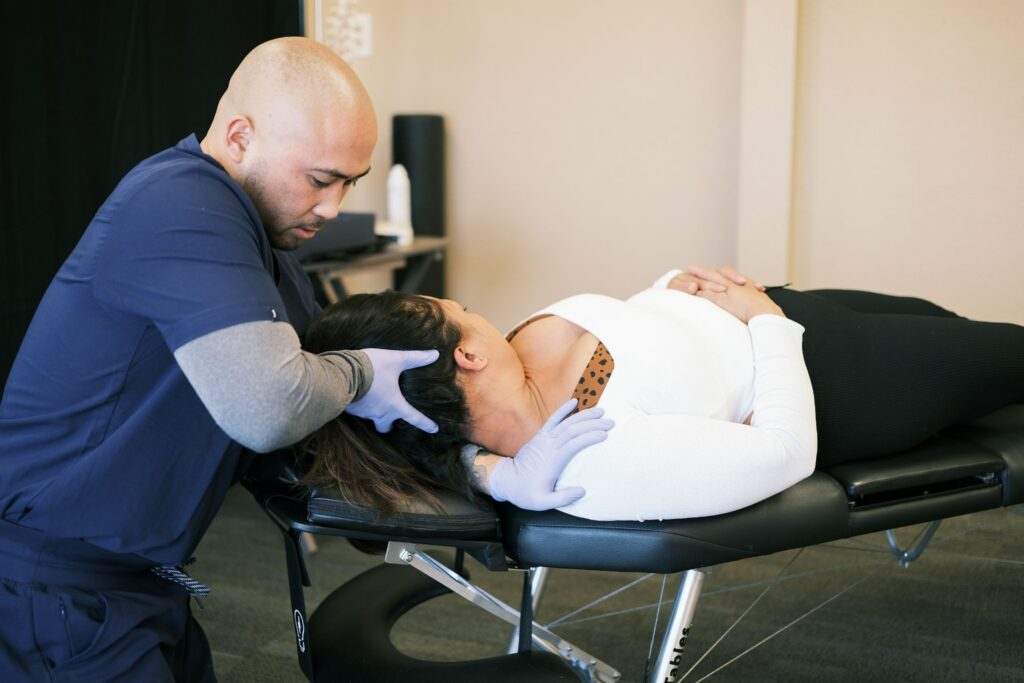

If you frequently find yourself struggling with tension headaches, you may have experimented with various remedies, some of which may have provided only temporary relief. Gaining a deeper understanding of effective techniques can truly transform how you manage your discomfort. Incorporating natural methods into your daily routine not only helps alleviate tension but also promotes overall wellness.
As a local chiropractor, I want to share some simple yet powerful strategies that can help you reclaim your focus and well-being. One of the most effective approaches is chiropractic care, which addresses the root causes of tension headaches by focusing on spinal health and alignment. When your spine is properly aligned, it can reduce muscle tension and improve blood flow, leading to fewer headaches.
Here are some straightforward methods you can incorporate into your life:
- Regular Chiropractic Adjustments: Regular visits can help keep your spine aligned, reduce tension in your muscles, and prevent headaches from recurring.
- Posture Awareness: Maintaining good posture while sitting, standing, and working can minimize strain on your neck and shoulders, which are common culprits of tension headaches.
- Hydration: Staying well-hydrated is crucial for overall health and can help prevent headaches caused by dehydration.
- Stress Management Techniques: Engage in relaxation practices such as deep breathing, yoga, or meditation. These techniques can help reduce stress and muscle tension.
- Frequent Breaks: If your work involves prolonged periods of sitting or staring at a screen, take regular breaks to stretch and move around. This can relieve muscle tension and improve circulation.
- Warm Compresses: Applying a warm compress to your neck and shoulders can soothe tight muscles and reduce headache pain.
- Gentle Stretching: Incorporate gentle stretches into your daily routine to keep your muscles relaxed and prevent tension buildup.
- Sleep Hygiene: Prioritize good sleep by creating a restful environment and sticking to a regular sleep schedule. Quality sleep is essential for overall health and can help reduce headache frequency.
- Healthy Diet: Eating a balanced diet rich in fruits, vegetables, and whole grains can improve your overall health and reduce the likelihood of headaches.
- Mindfulness and Relaxation: Practice mindfulness techniques to help manage stress and promote a sense of calm, which can greatly reduce tension headaches.
By focusing on these simple yet effective strategies, particularly the importance of chiropractic care, you can take proactive steps toward better health and reduced headache frequency. Remember, your spine plays a critical role in your overall wellness, so prioritizing its health is a natural and effective way to find relief.
Key Takeaways
- Engage in deep breathing exercises during a headache episode to quickly ease tension and foster relaxation. This natural technique not only calms your mind but also helps your body manage pain effectively.
- Pay attention to your posture and ergonomics, particularly while sitting. Maintaining proper alignment supports your spine and reduces unnecessary strain that can contribute to headaches, highlighting the importance of spinal health.
- Incorporate regular movement breaks and gentle stretches into your daily routine. This simple practice helps relieve muscle tightness and improves circulation, contributing to overall wellness and reducing headache occurrence.
- Ensure you’re staying well-hydrated by drinking plenty of water and moderating your intake of alcohol and caffeine. Proper hydration supports spinal health and minimizes headaches, showcasing the connection between lifestyle choices and pain relief.
- Use cold or warm compresses on your forehead or neck to alleviate discomfort and relax tense muscles. This natural remedy complements chiropractic care, which addresses the root causes of tension headaches for lasting relief.
Remember, chiropractic care is a powerful ally in your journey to wellness. By prioritizing spinal health and adopting these simple lifestyle adjustments, you can effectively manage tension headaches and enhance your overall quality of life.
Practice Deep Breathing Exercises
As a chiropractor dedicated to your health and wellness, I want to share an effective method for alleviating tension headaches: deep breathing exercises. These exercises not only help you find relief but also complement the benefits of chiropractic care by promoting relaxation and reducing stress.
To get started, find a quiet space where you can sit comfortably. Begin by inhaling deeply through your nose for a count of four, allowing your abdomen to expand fully. Hold that breath for another count of four, and then exhale slowly through your mouth for a count of four. Repeat this cycle several times.
As you focus on your breath, visualize the tension melting away with each exhale. This simple yet powerful technique can help lower your heart rate and cultivate a sense of calm, which is essential for your overall well-being. Incorporating deep breathing into your daily routine or using it at the onset of a headache can enhance the effectiveness of your chiropractic adjustments.
Apply Cold or Warm Compresses
When tension headaches strike, using cold or warm compresses can offer significant relief and complement the benefits of chiropractic care. A cold compress may be your go-to option, as it can numb the pain and reduce inflammation. To create one, simply wrap ice in a cloth or use a gel pack, applying it to your forehead or the back of your neck for about 15 to 20 minutes. This method helps constrict blood vessels, which may alleviate discomfort and enhance the effectiveness of your chiropractic adjustments.
Conversely, a warm compress can soothe tight muscles and promote relaxation. You can use a warm towel or a heating pad on your neck or shoulders. The warmth increases blood flow and eases tension, making it easier for your body to unwind and recover, especially after a chiropractic session.
It’s worth experimenting with both options to discover which one works best for you. Alternating between cold and warm compresses can also be effective in managing your tension headaches. Remember, listening to your body is key to finding the perfect balance for headache relief.
Incorporating these simple techniques alongside regular chiropractic care can help you achieve optimal health and wellness. Prioritize your body’s natural healing processes, and consider visiting your chiropractor for tailored advice on how to manage tension headaches and improve your overall well-being.
Stay Hydrated
Staying hydrated is essential for not only overall health but also for preventing and alleviating tension headaches, which can often be related to spinal alignment and muscle tension. When you’re dehydrated, your body may react with headaches, fatigue, and irritability. Ensuring proper hydration can support your body’s natural healing processes, leading to better spinal health and reduced pain.
Make it a habit to drink water throughout the day to maintain optimal hydration levels.
Here are some simple tips to help you stay hydrated and support your overall wellness:
- Carry a water bottle: Keep a reusable bottle with you to remind yourself to sip water regularly. Staying hydrated helps maintain optimal spinal function and reduces the risk of tension headaches.
- Set reminders: Use your phone or a hydration app to alert you to drink water at intervals. This ensures you’re consistently giving your body the fluids it needs for healing and function.
- Infuse your water: Add fruits or herbs to your water for a revitalizing twist that encourages you to drink more. This not only makes hydration more enjoyable but also enriches your diet with additional nutrients that support your health.
Maintain Good Posture
Maintaining good posture is crucial for preventing tension headaches and promoting overall wellness. As a chiropractor, I emphasize the importance of a well-designed workspace to support your spine and overall health.
Start by ensuring your computer screen is at eye level; this helps reduce strain on your neck and back. Choose a chair that provides adequate support for your lower back to maintain the natural curve of your spine.
Incorporating regular movement and stretching into your daily routine is also vital. Simple stretches can relieve muscle tension and keep you feeling relaxed.
Remember, chiropractic care is an excellent way to address posture-related issues and achieve optimal health. Regular adjustments can help align your spine, reduce pain, and enhance your body’s natural healing abilities.
Importance of Ergonomics
With just a few simple adjustments to your workspace, you can significantly reduce the risk of tension headaches that often stem from poor posture.
As a chiropractor, I want to emphasize the importance of ergonomics in maintaining proper spinal alignment and overall comfort throughout your day. By prioritizing good posture, you can help prevent strain on your neck, shoulders, and back, leading to a healthier and more productive lifestyle. Here are three crucial tips to consider:
- Chair Height: Make sure to adjust your chair so that your feet rest flat on the floor. This small change can promote better spinal alignment and reduce pressure on your lower back.
- Monitor Position: Position your monitor at eye level. This helps to minimize neck strain and encourages you to maintain a straight back while you work.
- Keyboard and Mouse: Keep your keyboard and mouse close to your body. This allows your arms to rest comfortably at your sides, reducing tension in your shoulders and wrists.
By implementing these ergonomic adjustments, you can find relief from tension headaches while also enhancing your overall productivity.
Desk Setup Tips
Proper desk setup is essential for maintaining good posture and preventing tension headaches, which can significantly impact your overall health and wellness. As a chiropractor, I want to share some valuable tips to help you create a workspace that promotes spinal health and comfort.
Start by positioning your chair so that your feet rest flat on the floor, with your knees at hip level. This alignment is crucial for supporting your spine and preventing strain. Your back should be well-supported by the chair’s backrest, helping you maintain an upright posture that encourages the natural curve of your spine.
Next, adjust your monitor to eye level. This adjustment is vital to avoid tilting your head up or down, which can lead to neck and back discomfort over time. Keeping your keyboard and mouse close to your body allows your elbows to remain at a 90-degree angle, reducing unnecessary tension in your shoulders and arms.
When typing, be mindful of your wrists. Keep them straight and relaxed to prevent strain and discomfort. A good rule of thumb is to ensure your screen is about an arm’s length away. This distance helps reduce eye strain and promotes better visual comfort, allowing you to focus on your work without excess fatigue.
By following these desk setup tips, you’re not just creating a comfortable workspace; you’re also taking important steps towards better spinal health and overall wellness. Remember, chiropractic care is a natural and effective way to address pain and promote a healthier lifestyle.
If you’re experiencing discomfort, consider reaching out to a chiropractor who can help you achieve optimal health through personalized care and support. Your body will thank you!
Stretching and Movement
Incorporating regular stretching and movement into your daily routine can significantly enhance your posture and help alleviate the risk of tension headaches. By being mindful of your posture and engaging in simple exercises, you can effectively relieve tension and promote relaxation, all while supporting your spinal health.
Here are some effective strategies that align with the principles of chiropractic care:
- Neck stretches: Gently tilt your head from side to side, holding each position for a few seconds to ease tightness. This can help maintain proper alignment of your cervical spine and reduce discomfort.
- Shoulder rolls: Rotate your shoulders forward and backward to release tension and improve circulation. This simple movement can help maintain mobility in your upper back and support overall spinal function.
- Upper back stretch: Clasp your hands together in front of you and round your upper back, holding the stretch to release tightness. This exercise can aid in opening up the chest and counteracting the effects of poor posture often caused by prolonged sitting.
By incorporating these movements into your daily routine, you not only promote relaxation but also support your body’s natural healing processes.
Incorporate Regular Stretching
Incorporating regular stretching into your daily routine can be a powerful way to alleviate tension headaches and promote overall wellness. As a chiropractor, I often see how muscle tightness in areas like the neck, shoulders, and upper back can lead to discomfort and headaches. By focusing on stretching these key areas, you can improve blood flow and help your body release built-up tension.
Just a few minutes of stretching each day can make a significant difference. You don’t need to set aside a lot of time—five to ten minutes can be effective. Simple stretches like neck rolls and shoulder shrugs can work wonders for easing tightness and promoting relaxation. Remember to incorporate deep, controlled breathing as you stretch; this not only enhances relaxation but also helps deliver more oxygen to your muscles.
It’s especially important to take stretch breaks throughout your day, particularly if you find yourself sitting for long periods. A quick stretch can refresh both your mind and body, thereby reducing the likelihood of tension headaches. By making stretching a regular habit, you’ll not only relieve current tension but also help protect yourself from future headaches.
In addition to stretching, consider regular chiropractic care to further support your journey toward optimal health. Chiropractic adjustments can help realign your spine, improve your posture, and enhance your body’s natural ability to heal itself. Together, stretching and chiropractic care can be a powerful duo for achieving better health and wellness. Remember, your body is designed to move, so let’s keep it active and pain-free!
Utilize Essential Oils
Essential oils can be a valuable tool in relieving tension headaches, but it’s important to remember that they work best in conjunction with chiropractic care. As a chiropractor, I want to emphasize that addressing the root causes of headaches, such as spinal misalignments and tension in the neck and shoulders, is crucial for long-term relief.
Let’s explore some of the top essential oils that can provide temporary relief and how you can incorporate them into your wellness routine alongside chiropractic adjustments.
- Peppermint Oil: Known for its cooling effect, peppermint oil can help improve circulation and ease tension. You can apply diluted peppermint oil directly to your temples and massage gently. However, remember that regular chiropractic adjustments can help alleviate the underlying tension causing your headaches.
- Lavender Oil: With its calming properties, lavender oil can help reduce stress and promote relaxation. You can diffuse lavender oil in your home or add a few drops to your bath. Pairing this with spinal care can enhance your overall sense of well-being.
- Eucalyptus Oil: Eucalyptus oil can help open up the sinuses and relieve overall tension. Inhaling its aroma can be beneficial, especially if sinus pressure contributes to your headaches. Regular chiropractic care can also assist in keeping your sinuses clear and your body aligned.
- Frankincense Oil: This oil is known for its anti-inflammatory properties and can help ease pain. You can mix frankincense oil with a carrier oil and massage it into your neck and shoulders. Combining this practice with chiropractic adjustments can lead to greater relief.
General Tips for Headache Relief:
- Maintain proper posture, especially if you spend long hours sitting at a desk.
- Stay hydrated, as dehydration can trigger headaches.
- Incorporate regular chiropractic visits to address spinal alignment and tension.
- Practice relaxation techniques such as deep breathing or meditation to manage stress levels.
Remember, while essential oils can provide temporary relief, the best way to achieve optimal health and prevent future headaches is through regular chiropractic care.
Best Essential Oils
Many people experience tension headaches, and finding natural ways to alleviate this discomfort is essential for overall wellness.
As a chiropractor, I believe in the power of natural healing and the benefits of spinal care for optimal health.
While essential oils can certainly provide some relief, it’s important to consider how chiropractic care can address the root causes of tension headaches.
Here are some essential oils that may help you relax and ease discomfort, but remember, combining these with regular chiropractic adjustments can lead to more effective and lasting relief:
- Peppermint Oil: This oil is known for its cooling effect, which can help ease headache pain and improve circulation. When your spine is aligned, your body can better function, allowing these natural remedies to work effectively.
- Lavender Oil: The calming scent of lavender promotes relaxation and reduces stress. Stress can often contribute to tension headaches, and chiropractic care can help relieve the stress on your body by ensuring your spine is in proper alignment.
- Eucalyptus Oil: If sinus pressure is contributing to your headaches, eucalyptus oil may help open up nasal passages. Regular chiropractic adjustments can also help improve overall respiratory function, which can be beneficial for sinus health.
Incorporating essential oils into your routine can be a nice complement to the benefits of chiropractic care. Always choose high-quality oils for the best results.
Remember, regular chiropractic visits can help reduce the frequency and severity of tension headaches by addressing the underlying issues in your spine and nervous system.
For ongoing relief and a healthier lifestyle, consider these tips:
- Stay hydrated, as dehydration can contribute to headaches.
- Practice good posture to avoid unnecessary strain on your spine.
- Engage in regular physical activity to keep your body healthy and reduce stress.
Application Methods
To maximize the benefits of essential oils for tension headache relief, it’s essential to apply them correctly, but remember that chiropractic care can also play a significant role in alleviating headache-related discomfort. By addressing the underlying spinal issues that may contribute to tension and stress, chiropractic adjustments can help you achieve optimal health and well-being.
When using essential oils, start by diluting a few drops of your chosen oil with a carrier oil, such as coconut or jojoba, to prevent skin irritation. Gently massage this mixture into your temples, neck, and shoulders, focusing on any tight areas. This not only provides relief but also promotes relaxation.
You can also use a diffuser to fill your space with the calming aroma of essential oils. This creates a soothing environment that supports relaxation, which is vital for overall wellness. Inhale deeply to enhance the calming effects. For quick relief, placing a drop directly onto your fingertips and applying it to your temples can be effective.
While these methods can be helpful, incorporating regular chiropractic care into your wellness routine can provide lasting relief and improve your overall health. Chiropractors focus on spinal health, which plays a crucial role in reducing tension and enhancing your body’s natural ability to heal.
Remember to maintain consistency with both your essential oils and chiropractic visits for the best results in managing tension headaches and promoting a healthier lifestyle.
Try Over-the-Counter Pain Relievers
When a tension headache strikes, many people instinctively reach for over-the-counter (OTC) pain relievers for quick relief. While these medications can provide temporary comfort, it’s important to consider a more holistic approach to managing your pain. Chiropractic care offers a natural and effective way to address the root causes of headaches, including tension and misalignment in the spine.
Instead of relying solely on medications, here are some tips to help alleviate tension headaches and promote overall wellness:
- Chiropractic Adjustments: Regular visits to a chiropractor can help realign your spine, reduce tension in the neck and shoulders, and improve overall function. This can lead to fewer headaches and less reliance on pain relievers.
- Stay Hydrated: Dehydration can contribute to headaches, so make sure you’re drinking enough water throughout the day. Aim for at least eight glasses a day, and increase your intake if you’re active or in a hot climate.
- Manage Stress: Stress is a common trigger for tension headaches. Incorporate stress-reducing activities into your routine, such as yoga, meditation, or deep-breathing exercises. These practices not only help with relaxation but also support spinal health.
- Maintain Good Posture: Poor posture can lead to tension in the neck and shoulders, contributing to headaches. Be mindful of your posture while sitting at a desk or using your phone. Consider ergonomic adjustments to your workspace to support a healthy spine.
- Regular Exercise: Engaging in regular physical activity can help reduce tension and improve circulation. Aim for at least 30 minutes of moderate exercise most days of the week to keep your body and mind in optimal condition.
- Adequate Sleep: A good night’s sleep is essential for overall health. Aim for 7-9 hours of quality sleep each night to help your body recover and reduce the likelihood of headaches.
If you find that your headaches persist, it’s a good idea to consult with a chiropractor. They can provide personalized care and guidance tailored to your specific needs. By focusing on natural healing methods and maintaining a healthy lifestyle, you can achieve lasting relief and improve your overall well-being.
Engage in Mindfulness and Meditation
As a local chiropractor, I want to share how engaging in mindfulness and meditation can play a significant role in reducing tension headaches. These practices not only help you focus on the present moment but also ease stress and promote relaxation—essential components for optimal health. Taking just a few minutes for mindful breathing or guided meditation can create a peaceful mental space, allowing the tension in your body to dissolve.
Here’s a straightforward breakdown of techniques that you can easily incorporate into your daily routine:
| Technique | Description |
|---|---|
| Deep Breathing | Inhale deeply through your nose and exhale slowly through your mouth, promoting relaxation. |
| Body Scan | Mentally focus on each part of your body, consciously relaxing any areas of tension. |
| Visualization | Imagine a serene scene—like a calm beach or a tranquil forest—immersing yourself in this peaceful imagery. |
| Mindful Walking | Take slow, deliberate steps, paying attention to each movement and your surroundings. |
Incorporating these techniques into your life can not only enhance your well-being but also serve as a natural way to alleviate tension headaches. Remember, chiropractic care is an excellent choice for achieving optimal health and wellness. By addressing the root causes of pain and tension through spinal adjustments and holistic practices, you can find relief and promote healing in a way that respects your body’s natural abilities.
Give these mindfulness techniques a try, and you may discover a simple yet effective way to help manage tension headaches, right at your fingertips. Your journey to a healthier, pain-free life starts with small, mindful steps.
Limit Caffeine and Alcohol Intake
Caffeine and alcohol are common culprits that can trigger tension headaches, so monitoring your intake of these substances is crucial for your overall well-being. You might be surprised to find that even small amounts can affect your head and body. By adopting moderation strategies, you can significantly reduce the frequency and severity of headaches.
As a chiropractor, I emphasize the importance of a holistic approach to health. While adjusting your caffeine and alcohol consumption is a great step, incorporating regular chiropractic care can also play a pivotal role in alleviating tension headaches. Chiropractic adjustments help restore proper alignment to your spine, reduce tension in your muscles, and improve overall nervous system function, which can lead to fewer headaches and a better quality of life.
Here are some practical tips to help you manage your caffeine and alcohol intake:
- Stay Hydrated: Drink plenty of water throughout the day. Dehydration can often exacerbate headaches, so keeping yourself well-hydrated can help minimize their occurrence.
- Set Limits: Consider setting a daily limit for caffeine and alcohol. Tracking your intake can help you stay mindful of how much you’re consuming.
- Opt for Alternatives: If you enjoy caffeine, try herbal teas or decaffeinated options. For alcohol, consider non-alcoholic beverages or mocktails, which can be just as enjoyable without the side effects.
- Listen to Your Body: Pay attention to how your body reacts after consuming caffeine or alcohol. If you notice a headache following their intake, it might be time to cut back even further.
- Prioritize Chiropractic Care: Regular visits to a chiropractor can help manage and prevent headaches. Chiropractic adjustments not only relieve tension but also promote overall wellness, allowing your body to function optimally.
Effects of Caffeine Consumption
While many individuals savor a warm cup of coffee to jumpstart their mornings, it’s important to be aware that excessive caffeine consumption can contribute to increased tension headaches.
As a chiropractor, I believe in the power of natural healing and wellness, and managing your caffeine intake can be a significant step towards achieving optimal health. Here are some helpful tips to enjoy caffeine while minimizing the risk of headaches:
- Limit daily intake: Aim for a moderate caffeine consumption of around 200-300 mg per day, which translates to approximately 2-3 cups of coffee. This can help you enjoy your favorite beverage without the side effects.
- Stay hydrated: Caffeine can be dehydrating, so it’s essential to drink plenty of water throughout the day. Staying well-hydrated supports overall health and can help alleviate headache symptoms.
- Listen to your body: Pay close attention to how your body responds to caffeine. If you start to experience headaches after consuming coffee or other caffeinated drinks, consider reducing your intake. Your body knows best!
By managing your caffeine consumption and focusing on hydration, you can enjoy your daily cup of coffee while supporting your overall wellness.
Additionally, chiropractic care can play a vital role in relieving tension and promoting a healthier spine, which can further contribute to reducing headaches. Remember, taking care of your body naturally is the best way to achieve long-lasting health and wellness!
Alcohol’s Impact on Headaches
Understanding the connection between alcohol and headaches is essential for enhancing your overall wellness, especially when it comes to spinal health. As a chiropractor, I often see how lifestyle choices, including alcohol consumption, can affect not just your head but your entire body.
Alcohol, particularly in excess, can trigger tension headaches for many people. This happens because drinking can lead to dehydration, a common headache culprit that can also strain your spine and muscles.
Moreover, alcohol can disrupt your sleep patterns, leaving you feeling fatigued and more vulnerable to headaches the following day. Poor sleep can negatively affect your spinal alignment and overall body function. Even small amounts of alcohol can lead to discomfort, especially for those who are already prone to tension headaches.
If you notice a pattern linking your alcohol consumption to headaches, it may be time to reassess your intake. Reducing alcohol not only lowers the risk of headaches but also promotes better hydration and improved sleep quality. These changes can significantly enhance your overall health and well-being.
In addition, consider incorporating regular chiropractic care into your wellness routine. Chiropractic adjustments can help alleviate tension in your neck and spine, which may further reduce the occurrence of headaches. Remember, maintaining a well-aligned spine supports your body’s natural healing processes.
Here are some simple tips to help you manage headaches and support your overall health:
- Stay Hydrated: Drink plenty of water, especially if you choose to consume alcohol.
- Monitor Your Intake: Keep track of how much alcohol you consume and its relation to headache occurrences.
- Prioritize Sleep: Establish a calming nighttime routine to improve your sleep quality.
- Seek Chiropractic Care: Regular adjustments can help relieve tension and promote spinal health.
Moderation Strategies for Relief
Moderately limiting your caffeine and alcohol intake can significantly help reduce the frequency and intensity of tension headaches. Both of these substances can lead to dehydration, which can worsen headache symptoms. Here are some helpful strategies to manage your consumption while considering the overall wellness that chiropractic care promotes:
- Set Daily Limits: Determine a sensible amount of caffeine and alcohol that feels right for you each day, and commit to sticking to it. This helps in keeping your body balanced and reducing tension.
- Choose Healthier Alternatives: Instead of reaching for caffeinated beverages or alcohol, try herbal teas or sparkling water. These options not only hydrate but can also feel refreshing and uplifting, supporting your overall well-being.
- Hydrate Well: Make it a habit to drink plenty of water throughout the day. Staying hydrated can counteract the dehydrating effects of caffeine and alcohol. Proper hydration is crucial for maintaining spinal health and preventing headaches.
As you explore these changes, remember that chiropractic care offers natural, effective solutions for pain relief and overall wellness. Regular chiropractic adjustments can help align your spine, reduce stress on your nervous system, and enhance your body’s natural ability to heal.
Schedule Regular Breaks and Downtime
Scheduling regular breaks and downtime is an essential practice for managing tension headaches and promoting overall wellness. When you work for long stretches without taking a breather, your muscles can become tense, which can lead to discomfort and pain. To help prevent this, consider setting a timer to remind yourself to step away from your tasks every hour. Use these moments to stretch, walk around, or simply take a few deep breaths to relax your mind and body.
Incorporating short breaks into your daily routine can make a significant difference. Even just a five-minute pause can help reset your body and mind. During these breaks, focus on your breath or practice mindfulness techniques. This not only gives your body a chance to recharge but also helps reduce the stress that contributes to headaches.
In addition to these short breaks, it’s important to prioritize longer downtime each week. Engage in activities that you enjoy, whether it’s spending quality time with family and friends or indulging in a favorite hobby. Such activities can lower the frequency and intensity of headaches, providing a natural way to enhance your well-being.
Conclusion
By incorporating these natural techniques into your daily routine, you can effectively manage and reduce tension headaches while promoting overall wellness. As a chiropractor, I emphasize the importance of spinal health in preventing and alleviating headaches. Start by practicing deep breathing exercises to help relax your body and mind. Staying hydrated is crucial, as dehydration can contribute to headache discomfort.
Maintaining good posture is essential; poor alignment can strain your neck and shoulders, leading to tension headaches. Regular stretching can also help release muscle tightness and improve flexibility. Consider integrating mindfulness practices like meditation or yoga into your day to reduce stress, which is a common headache trigger.
Limiting caffeine and alcohol intake can further support your efforts in headache management. Don’t forget to schedule regular breaks throughout your day to recharge and avoid overexertion. Applying warm or cold compresses to your forehead or neck can provide immediate relief.
By prioritizing chiropractic care, you can address the root causes of tension headaches and enhance your overall well-being. Remember, your spinal health plays a vital role in your body’s ability to heal naturally. Taking these steps can lead to lasting relief and a healthier lifestyle!