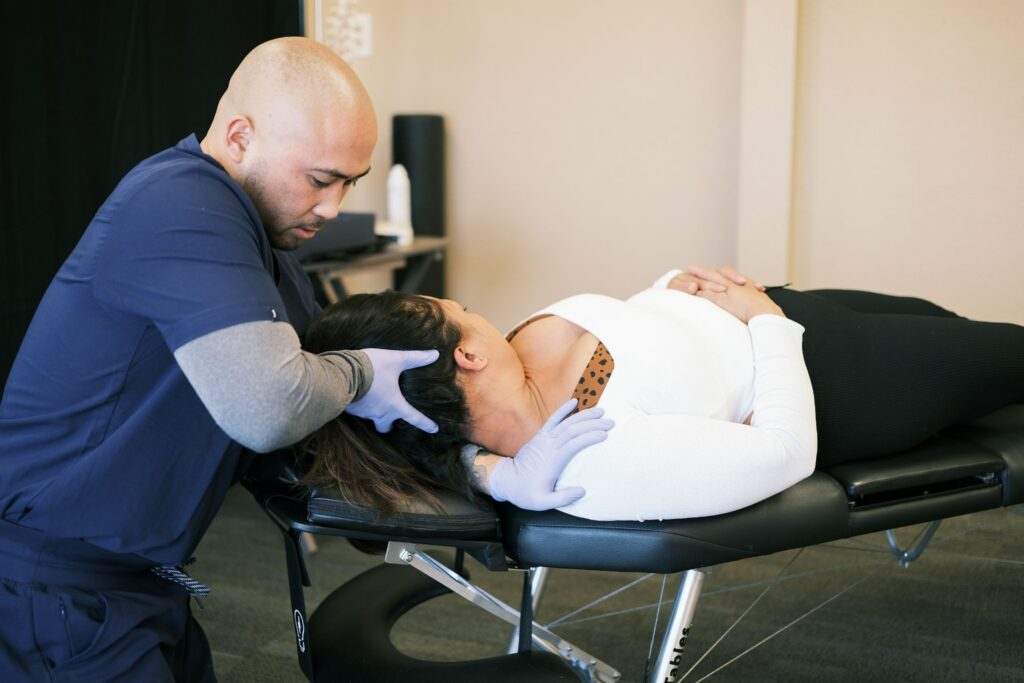

As a local chiropractor, I understand how challenging back pain can be, and I’m here to share sustainable solutions that go beyond temporary fixes. It’s important to embrace strategies that promote long-term wellness. Simple adjustments like maintaining proper posture, engaging in regular exercise, and making ergonomic changes in your workspace can significantly improve your spinal health.
But sustainable relief doesn’t stop there. Nutrition and sleep quality play crucial roles in your overall well-being and can greatly impact your back health. Have you ever considered how the foods you eat and your sleep habits affect your spine? It’s essential to explore these connections to create a holistic approach to pain relief. Let’s delve deeper into how we can work together to support your back and help you achieve a pain-free life.
Understanding the Causes of Back Pain
As a local chiropractor, I want to help you understand the various causes of back pain, which can often feel overwhelming. It’s important to recognize that these causes can differ from person to person.
A very common issue I see in my practice is muscle strain, which frequently results from activities like lifting heavy objects or making sudden awkward movements.
Another significant concern is herniated discs, where the cushioning between your vertebrae can slip out of place and press on nearby nerves, leading to discomfort.
Poor physical conditioning can also contribute to back pain, as weak muscles may struggle to properly support your spine.
You might be surprised to learn that stress and tension can manifest physically as tight muscles in your back, further intensifying your pain.
Additionally, conditions such as arthritis or scoliosis can lead to chronic issues that require ongoing management.
Lifestyle factors play a crucial role too; for instance, obesity and a lack of exercise can contribute to back pain as well.
By identifying the specific cause of your discomfort, we can take targeted steps toward effective relief and recovery.
Understanding these factors is the first step on your path to feeling better, and as your chiropractor, I’m here to guide you through natural healing methods tailored to your needs.
The Role of Proper Posture
As a local chiropractor, I want to emphasize the importance of maintaining proper posture in your everyday life, especially if you’re experiencing back pain. Correct alignment while sitting, standing, or moving is crucial for distributing your body weight evenly, which helps alleviate strain on your spine and muscles.
By consciously keeping your shoulders back, your spine straight, and your head aligned with your hips, you can significantly lower your risk of discomfort.
It’s also important to consider your workspace. If you find yourself sitting for extended periods, ensure that your chair provides adequate support for your lower back, and that your feet are flat on the ground.
Adjusting your computer screen to eye level can help prevent slouching, which can contribute to poor posture and pain. When you stand, try to distribute your weight evenly between both feet and avoid locking your knees.
If you catch yourself slouching, don’t hesitate to take breaks to stretch and reset your posture. Being mindful of how you position your body can have a profound impact on your overall back health.
Benefits of Regular Exercise
As a local chiropractor, I want to emphasize the significant benefits of incorporating regular exercise into your daily routine, particularly for your back health and overall wellbeing. Engaging in physical activity is essential as it strengthens the muscles that support your spine, which can help to reduce the risk of injury and alleviate any discomfort you may be experiencing.
When you make exercise a consistent part of your life, you’ll notice improvements in your flexibility and range of motion—both crucial for maintaining a healthy back. As a chiropractor, I see firsthand how increased flexibility can prevent strain and promote better spinal alignment.
Additionally, regular exercise enhances circulation within your body. This improved blood flow ensures that your muscles receive the vital nutrients needed for healing and optimal function. Consequently, you may find that your recovery time from any discomfort is significantly reduced.
It’s also important to recognize that staying active helps you manage your weight, which can greatly reduce the strain on your back. By maintaining a healthy weight, you lessen the pressure on your spine, promoting better alignment and reducing pain.
Lastly, one of the remarkable benefits of exercise is the release of endorphins—your body’s natural pain relievers. This not only helps you feel better physically, but it also boosts your mental wellbeing.
As your chiropractor, I encourage you to prioritize exercise as part of your journey toward a healthier back and a happier you. Remember, your spine will thank you!
Stretching and Flexibility Techniques
As a chiropractor, I want to emphasize the vital role stretching plays in maintaining your flexibility and preventing back pain.
Many people may not realize that incorporating effective flexibility exercises into your daily routine can significantly enhance your mobility while reducing muscle tension.
Let’s delve into some essential techniques that can truly benefit your back health.
By understanding and applying these methods, you can take proactive steps toward a healthier spine and overall well-being.
Importance of Regular Stretching
As a local chiropractor, I want to share with you the importance of incorporating regular stretching into your daily routine, especially if you’re dealing with back pain. Many of my patients come in feeling overwhelmed by their discomfort, but I often emphasize that stretching can be a powerful tool to help alleviate that pain and enhance flexibility.
When you engage in regular stretching, you help reduce the tension in your muscles, which can, in turn, relieve pressure on your spine. This is crucial because a well-aligned spine is key to overall health.
By improving your flexibility, you’ll find it easier to perform everyday activities, making your daily life more enjoyable and lowering your risk of future injuries. Stretching also increases blood flow to your muscles, which promotes faster recovery from any strain and reduces stiffness that can contribute to pain.
I always encourage my patients to listen to their bodies and focus on gentle stretches that specifically target the back and surrounding areas. Making stretching a consistent part of your routine can lead to lasting benefits.
It’s not just about managing your back pain more effectively; it’s about enhancing your overall well-being and quality of life. Remember, natural healing is within your reach, and I’m here to guide you on that journey.
Effective Flexibility Exercises
As a local chiropractor, I want to emphasize the importance of incorporating effective flexibility exercises into your routine, especially if you’re dealing with back pain or seeking to improve your overall mobility.
One great starting point is the cat-cow pose; this gentle stretch helps to mobilize your spine and can be very beneficial in easing discomfort.
Another effective stretch is the seated forward bend, which targets your hamstrings and lower back. This can help alleviate tightness and promote better movement.
Additionally, the child’s pose is an excellent option, as it gently elongates your spine and helps relax your muscles after a long day.
Don’t overlook the supine spinal twist, either; this stretch encourages spinal rotation and can significantly reduce tension in your back.
When practicing these stretches, hold each position for at least 15-30 seconds while breathing deeply. This deep breathing can enhance your relaxation and make the stretches more effective.
I encourage you to aim for daily stretching, paying close attention to how your body feels to avoid any overexertion.
With consistent practice, you can increase your flexibility, reduce pain, and improve your overall movement.
Ergonomic Workspaces for Prevention
As a local chiropractor, I want to share with you the importance of creating an ergonomic workspace to help prevent back pain and promote overall health.
Many people aren’t aware that the way we set up our work environment can significantly affect our posture and comfort, especially during long hours at a desk.
To start, make sure your chair is adjusted so that your feet can rest flat on the floor and your knees are at hip level. This position helps maintain proper alignment and support for your spine.
It’s also beneficial to have a lumbar cushion to provide additional support for your lower back.
Your computer monitor should be positioned at eye level and about an arm’s length away. This setup is crucial for reducing neck strain and encourages you to maintain a more natural posture.
When it comes to using a keyboard, try to keep it at a height that allows your elbows to bend at a 90-degree angle, which can help prevent wrist and shoulder discomfort.
Don’t forget the importance of taking regular breaks throughout your day. Standing up to stretch and move around can help alleviate stiffness and improve circulation, which is vital for your overall well-being.
If you have the option, consider investing in a sit-stand desk. Alternating between sitting and standing can have a positive impact on your posture and comfort levels.
By implementing these simple ergonomic adjustments in your workspace, you can foster better posture, enhance your comfort, and take significant steps toward preventing back pain.
Your body will thank you for it!
Mindfulness and Stress Reduction
As a chiropractor, I want to emphasize the importance of incorporating mindfulness into your daily routine to help reduce stress and alleviate back pain. When you practice mindfulness, you enhance your awareness of your body and its sensations, which is crucial for identifying areas of tension and discomfort.
I recommend starting with simple techniques, such as deep breathing exercises or meditation. Just a few minutes each day dedicated to focusing on your breath can make a significant difference in calming your mind and letting go of distractions.
Another effective method you might consider is progressive muscle relaxation. This technique involves tensing and then relaxing different muscle groups, which can help release any built-up stress in your body.
Not only do these practices promote mental clarity, but they also support better posture and spinal alignment, which are vital for reducing strain on your back.
Nutrition for Spine Health
As a local chiropractor, I want to emphasize the vital role that nutrition plays in maintaining a healthy spine and alleviating back pain. Many patients may not realize that the foods we consume can significantly impact our overall spinal health.
By incorporating anti-inflammatory foods into your diet, staying well-hydrated, and ensuring you’re getting the essential nutrients your body needs, you can support your recovery and enhance your well-being.
Let’s take a closer look at how these dietary choices can make a positive difference for your spine. Eating a balanced diet rich in fruits, vegetables, whole grains, and healthy fats can help reduce inflammation, which is often a contributing factor to back pain.
Additionally, proper hydration is crucial for maintaining the elasticity and health of the spinal discs.
Remember, what you eat can be just as important as the adjustments and therapies we provide in the office. Together, we can create a holistic approach to your spinal health that includes both chiropractic care and mindful nutrition.
Let’s work towards a healthier, pain-free future!
Anti-Inflammatory Foods
As a local chiropractor, I’m here to share some valuable insights on how anti-inflammatory foods can play a crucial role in easing back pain and supporting your overall health. Many of my patients have found that incorporating these foods into their diets has made a significant difference in their recovery and wellness journey.
To start, consider adding fatty fish like salmon and sardines to your meals. These are rich in omega-3 fatty acids, which are known for their ability to reduce inflammation in the body.
Additionally, leafy greens such as spinach and kale are fantastic choices. They’re loaded with essential vitamins and minerals that are vital for maintaining a healthy spine.
Don’t overlook the power of berries, nuts, and seeds either. These foods are packed with antioxidants that help combat inflammation effectively.
And let’s not forget about spices like turmeric and ginger; these have long been recognized for their potent anti-inflammatory properties.
By making these dietary changes, you’re not only enhancing your well-being but also potentially alleviating some of your back pain.
Remember, consistency is key. Incorporating these anti-inflammatory foods into your daily routine can support your chiropractic care and help you feel your best.
If you have any questions about how to integrate these foods into your diet or how they complement your treatment, feel free to ask during your next visit!
Hydration and Spine Health
As your local chiropractor, I want to emphasize the importance of staying well-hydrated for the health of your spine. The discs between your vertebrae act as natural cushions, and they need sufficient moisture to function effectively. When your body is dehydrated, these discs can become less elastic and less capable of absorbing shock, which can lead to discomfort and back pain.
Here are some simple tips to help you support your spine health through proper hydration:
- Drink Water Regularly: Aim to consume at least eight glasses of water daily, but feel free to adjust this amount based on your activity level and individual needs.
- Incorporate Hydrating Foods: Include hydrating foods in your diet, such as cucumbers, oranges, and watermelon. These not only add to your hydration but also provide essential nutrients.
- Limit Diuretics: It’s a good idea to cut back on beverages like caffeine and alcohol, as they can contribute to dehydration and negatively affect your spine health.
- Monitor Your Urine Color: A simple way to gauge your hydration is by checking the color of your urine. A pale yellow color usually indicates that you’re well-hydrated, while a darker shade can suggest that you need to drink more fluids.
By prioritizing hydration, you’re taking an important step in maintaining the health of your spine and overall well-being.
If you have any questions about how hydration impacts your spine health or if you’re experiencing discomfort, feel free to reach out during your next visit!
Essential Nutrients for Recovery
As a local chiropractor, I want to emphasize the importance of not just hydration, but also essential nutrients for your spine health and overall recovery.
It’s crucial to incorporate key vitamins and minerals into your daily diet to support your healing process.
Calcium and vitamin D are fundamental for maintaining strong bones, which is vital for a healthy spine. Magnesium is another important nutrient that aids muscle function and can help alleviate tension in your body, making it easier for you to move comfortably.
Don’t forget about omega-3 fatty acids, which are found in foods like fish and flaxseeds. These healthy fats can significantly reduce inflammation, a common issue for many experiencing back pain.
Protein is also essential as it helps repair damaged tissues; ensure you’re getting enough from sources like lean meats, beans, or nuts.
Lastly, antioxidants such as vitamins C and E play a key role in reducing oxidative stress, further aiding your recovery.
By prioritizing these nutrients, you’ll not only bolster your spine health but also enhance your overall well-being.
This holistic approach can lead to more effective relief from back pain and a better quality of life.
Natural Remedies and Therapies
As a local chiropractor, I often see patients seeking relief from back pain who may not be familiar with the benefits of chiropractic care and other natural healing methods.
While modern medicine offers various treatments, many individuals find that these natural approaches can address the root causes of discomfort instead of merely masking the symptoms.
Here are some effective options that I encourage my patients to consider:
- Chiropractic Care: Regular adjustments can realign your spine, which not only improves mobility but also significantly reduces pain. By correcting misalignments, we can help your body function optimally.
- Acupuncture: This ancient practice involves stimulating specific points on your body to promote healing and provide pain relief. Many patients find it to be a complementary therapy that enhances the effects of chiropractic care.
- Herbal Remedies: Certain herbs, like turmeric and ginger, have natural anti-inflammatory properties that can help ease pain. Incorporating these into your diet may support your healing process.
- Mindfulness and Meditation: These techniques are excellent for reducing stress, which can contribute to back pain. By enhancing your overall well-being, you may find relief from discomfort.
Integrating these natural therapies into your routine can lead to sustainable relief and an improved quality of life.
However, it’s always important to consult with a healthcare professional, like me, before starting any new treatment to ensure it’s right for you.
Together, we can create a personalized plan that addresses your specific needs.
The Importance of Sleep Quality
As a local chiropractor, I want to emphasize the importance of quality sleep, especially for those dealing with back pain. Your sleep position is crucial in this regard.
Selecting the right mattress can significantly impact your spinal support, helping to alleviate discomfort. Additionally, adopting good sleep hygiene practices will ensure that you wake up feeling rejuvenated and free from pain.
Sleep Position Matters
As a local chiropractor, I want to emphasize the importance of sleep position in achieving restorative rest and alleviating back pain. Many people may not realize how significantly their sleeping habits can affect their overall well-being.
By adopting the right sleep position, you can enhance spinal alignment and reduce discomfort. Here are four key positions to consider:
- Sleeping on Your Back: This is often the most recommended position as it helps distribute your weight evenly. It minimizes pressure on your spine and can lead to a more restful night.
- Sleeping on Your Side: Curling up in a fetal position can be beneficial for reducing back pressure. However, it’s crucial to ensure that your knees aren’t drawn in too tightly, as this can create additional strain.
- Using a Pillow: If you prefer sleeping on your side, I advise placing a pillow between your knees. This simple adjustment can help maintain proper hip alignment and reduce tension in your lower back.
- Steering Clear of Stomach Sleeping: While it may seem comfortable for some, sleeping on your stomach can put a strain on your neck and spine. I recommend avoiding this position whenever possible to prevent long-term issues.
By making conscious adjustments to your sleep position, you can take a proactive step towards relieving back pain and enhancing your overall health.
Mattress Quality Impact
As a local chiropractor, I often see patients who are unaware of how crucial their mattress quality is in managing back pain.
While many people tend to focus on sleep positions, it’s essential to recognize that the right mattress is just as important for achieving restorative sleep. A supportive mattress plays a vital role in maintaining proper spinal alignment, which can significantly reduce pressure on your back and allow your muscles to relax during the night.
If your mattress is either too firm or too soft, it can worsen discomfort, leading to restless nights filled with tossing and turning.
It’s important to choose a mattress that strikes the right balance between support and comfort, tailored to your unique body type. By investing in a high-quality mattress, you can greatly enhance the quality of your sleep, which will contribute to waking up feeling refreshed and pain-free.
Remember, a good night’s sleep isn’t just a luxury; it’s essential for your overall well-being and plays a key role in effective back pain management.
If you’re unsure about what to look for in a mattress, feel free to ask me during your next visit!
Sleep Hygiene Practices
As a local chiropractor, I want to emphasize the importance of sleep hygiene in your journey towards healing and overall wellness. Quality sleep is vital for your body to recover and function optimally, especially when dealing with issues like back pain.
Here are four practical sleep hygiene tips that I recommend:
- Stick to a Consistent Sleep Schedule: Going to bed and waking up at the same times each day can help regulate your body’s internal clock. This consistency can enhance your sleep quality, which is crucial for healing.
- Establish a Relaxing Bedtime Routine: Incorporate calming activities into your nightly routine, such as reading a book or practicing meditation. These actions can signal to your body that it’s time to relax and prepare for restorative sleep.
- Limit Screen Time Before Bed: I advise reducing your exposure to screens at least an hour before you plan to sleep. This can help boost your melatonin levels, making it easier for you to fall asleep and stay asleep.
- Optimize Your Sleep Environment: Ensure your bedroom is conducive to sleep—dark, quiet, and cool. A calming environment can significantly enhance the quality of your sleep, allowing your body to heal more effectively.
Seeking Professional Guidance and Support
As a local chiropractor, I want to emphasize the importance of seeking professional guidance when dealing with persistent back pain. Understanding your condition is the first step toward effective relief, and that’s where I come in. I can assess your situation, pinpoint any underlying issues, and recommend personalized treatment options tailored to your needs.
Chiropractic care focuses on restoring proper function to your spine and nervous system. Through gentle adjustments, I can help alleviate pain, improve mobility, and enhance your overall well-being. Unlike DIY methods, my approach is rooted in a thorough understanding of how your body works, ensuring you receive the best care possible.
In our sessions, I’ll provide you with customized exercises designed to strengthen your back and improve your posture, which is crucial for preventing future discomfort. I encourage you to ask questions and voice any concerns during our visits; open communication is key to achieving the best outcomes.
Additionally, I recommend considering complementary therapies, such as acupuncture or massage, which can work alongside chiropractic treatments to promote healing and relaxation.
Conclusion
As a local chiropractor, I’m here to share how sustainable solutions for back pain relief can significantly enhance your daily life. By prioritizing proper posture, maintaining an active lifestyle, and setting up an ergonomic workspace, you can effectively alleviate discomfort. It’s crucial to recognize that nutrition, hydration, and quality sleep are vital components of spinal health—these elements can greatly influence how your back feels.
I encourage you to explore the benefits of chiropractic care, which focuses on natural healing and supporting your body’s intrinsic ability to heal itself. Seeking the right support and guidance is key to your journey toward a stronger, pain-free back. By adopting these strategies, you’ll not only reduce your pain but also promote a healthier lifestyle overall. Let’s work together to help you achieve optimal spinal health!