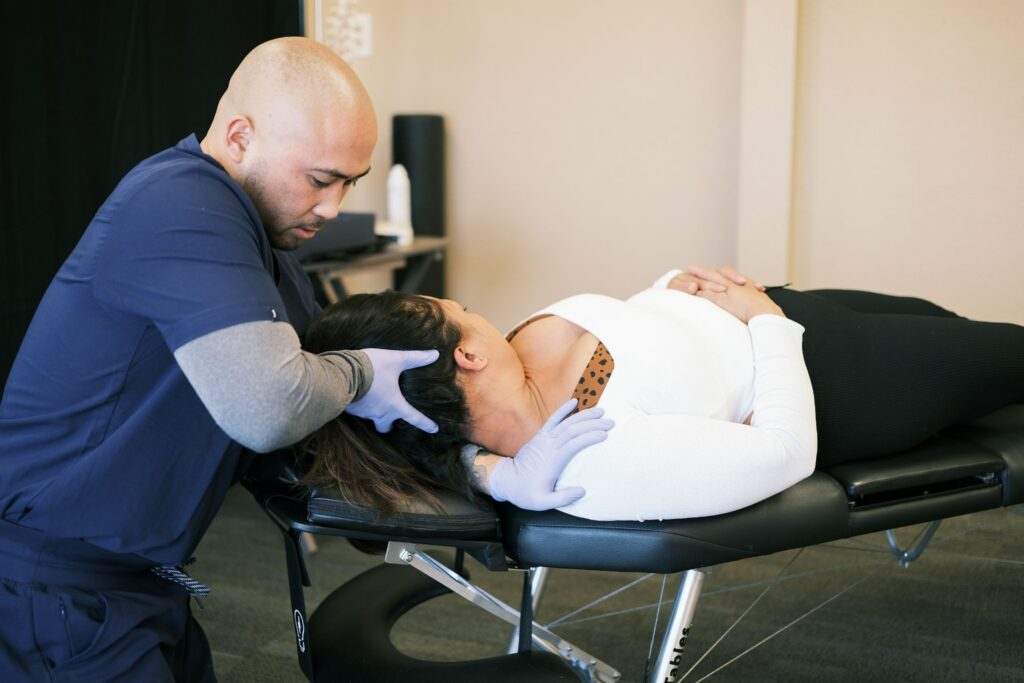

If you’re experiencing lower back pain, I want you to know that you are not alone in this struggle. Many individuals face this challenge, but the good news is that there are effective, natural steps you can take to alleviate your discomfort. As a chiropractor, I believe that understanding the root cause of your pain is crucial. Once we identify the underlying issues, we can work together to incorporate gentle exercises tailored to your needs, enhance your posture, and explore various holistic strategies for healing. Let’s delve into these essential steps that can help you reclaim your comfort and mobility through chiropractic care and natural healing methods.
Understand the Cause of Your Pain
As a local chiropractor, I often see patients who are struggling with lower back pain, and understanding the underlying causes is a vital first step in addressing this issue. Many people assume their pain is solely due to heavy lifting, but the reality is that there are numerous factors at play.
For instance, poor posture during everyday activities or prolonged periods of sitting can significantly impact your back health. Additionally, stress and emotional tension can lead to muscle tightness, contributing to discomfort.
It’s important to be mindful of your daily habits, as even something as simple as your sleep position can influence your back pain. If you lead an active lifestyle, consider whether you’ve pushed your body too hard or if you’ve experienced an injury. By identifying the root cause of your pain, we can develop a more effective treatment plan tailored to your needs.
I encourage you to keep a journal to track when your pain occurs and any activities that may trigger it. This practice can provide valuable insights that will help us pinpoint specific triggers and guide your recovery journey.
Incorporate Gentle Stretching Exercises
As a local chiropractor, I often see patients struggling with lower back pain, and one of the most effective ways to aid your recovery is through gentle stretching exercises. Once you’ve pinpointed the underlying causes of your discomfort, incorporating these stretches into your routine can make a significant difference.
Start with fundamental stretches that emphasize flexibility and mobility, such as the cat-cow stretch or the child’s pose. These movements help to alleviate tension in your back and enhance your overall range of motion. It’s crucial to listen to your body during this process; remember, you should never push yourself beyond your comfort zone. Aim to hold each stretch for about 15-30 seconds, repeating them a few times to maximize their benefits.
Additionally, it’s wise to include stretches that target your hamstrings and hips. Tightness in these areas can often contribute to lower back pain, so addressing them can lead to greater relief.
I recommend aiming to stretch daily, particularly after prolonged periods of sitting. Consistency is key in reaping the full benefits of these exercises.
As you continue, you’ll likely experience a reduction in pain and an enhanced sense of comfort in your lower back, allowing you to move more freely throughout your daily activities. Remember, gentle stretching is a natural and supportive way to complement chiropractic care and promote healing.
Strengthen Your Core Muscles
As your local chiropractor, I want to emphasize the importance of strengthening your core muscles to aid in the recovery from lower back pain. A strong core is vital because it provides the stability and support your spine needs. When you focus on exercises that engage your abdominal, oblique, and lower back muscles, you’re taking an important step towards better spinal health.
Exercises like planks, bridges, and bird-dogs are excellent starting points for building your core strength. Not only do these movements enhance your core stability, but they also improve your overall balance and coordination, which are crucial for daily activities.
I recommend incorporating core workouts into your routine two to three times a week. Begin with shorter sessions and gradually increase the intensity and duration as you become more comfortable with the movements.
Additionally, remember to engage your core during your daily activities, as this can significantly reduce the strain on your back.
It’s important to listen to your body during this process. If you experience pain while performing any exercise, it’s crucial to adjust your technique or stop altogether.
With consistent effort and patience, you can build a strong foundation that not only alleviates your lower back pain but also helps prevent future issues. Together, we can work towards improving your overall health and well-being through natural healing methods.
Optimize Your Posture
As your local chiropractor, I want to emphasize how crucial it’s to optimize your posture for a successful recovery from lower back pain. Many people overlook the importance of posture, not realizing that it plays a significant role in how our bodies function. Maintaining good posture helps distribute your body weight evenly, which reduces unnecessary strain on your back muscles and spine.
I encourage you to start by aligning your ears, shoulders, and hips in a straight line, whether you’re sitting or standing. When seated, aim to keep your feet flat on the floor and your knees at a right angle. It’s also beneficial to choose a chair that offers proper support for your lower back and to be mindful of avoiding slouching.
For those of you who spend long hours at a desk, it’s essential to take regular breaks. Use these moments to stretch and change your position to keep your body engaged and healthy.
When lifting objects, remember to bend at your knees instead of your waist, and keep the item close to your body to minimize strain.
Incorporating these habits into your daily routine can alleviate pain and help prevent future issues. Small adjustments in your posture can lead to significant improvements in your overall back health.
As your chiropractor, I’m here to help guide you through this process and support your journey towards better health and well-being.
Apply Heat and Cold Therapy
As your local chiropractor, I want to share some insights on how you can effectively manage lower back pain through heat and cold therapy. These natural methods can significantly aid in your recovery process.
Heat therapy is fantastic for relaxing and soothing tight muscles. When your muscles are tense, applying heat can help them loosen up, promoting better blood flow and reducing discomfort.
On the other hand, cold therapy is essential for reducing inflammation and numbing pain, especially right after an injury or during a flare-up.
It’s important to understand when to use each method. Generally, I recommend using cold therapy within the first 48 hours after an injury to minimize swelling.
After that, heat therapy can be beneficial to relax the muscles and alleviate stiffness. Knowing how and when to switch between these therapies can greatly enhance your healing journey.
Always feel free to reach out to me if you have any questions about incorporating these techniques into your pain relief routine!
Benefits of Heat Therapy
As a local chiropractor, I want to share with you the incredible benefits of heat therapy for alleviating lower back pain. When you apply heat to the affected area, it significantly increases blood flow, which promotes healing and reduces stiffness in the muscles and joints.
This improved circulation helps to relax tight muscles, easing discomfort and allowing for better mobility, which is essential for your overall well-being.
Many patients find that using a heating pad or a warm towel not only provides immediate relief but also offers a soothing, comforting experience. Plus, heat therapy can stimulate the release of endorphins—your body’s natural painkillers—which can enhance your sense of well-being even further.
Incorporating heat therapy into your recovery routine can do wonders; it addresses the pain while also improving your overall flexibility and function.
Just remember, to avoid any discomfort, it’s best to limit heat application to about 20 minutes at a time to prevent overheating your skin.
If you have any questions about how to integrate heat therapy into your healing journey, or if you’d like to explore other natural healing methods, don’t hesitate to reach out! Your path to recovery and wellness is important to us.
Cold Therapy Techniques
As a local chiropractor, I want to share with you some effective cold therapy techniques that can significantly aid your recovery from lower back pain. Many of my patients find that using cold therapy complements heat therapy beautifully, especially when it comes to alleviating discomfort.
Applying cold can be incredibly beneficial in reducing inflammation and numbing sharp pain. You can start by using an ice pack or even a bag of frozen vegetables wrapped in a towel—this method works well if you don’t have an ice pack on hand. I recommend applying it to the affected area for about 15-20 minutes at a time.
It’s essential to take breaks in between applications to protect your skin from frostbite.
Additionally, consider using a cold compress or a cold gel pack. These options can conform to your body better, providing more effective coverage for the areas in need. If you’re experiencing muscle spasms, cold therapy can offer quick relief, helping you to feel more comfortable and relaxed.
Always listen to your body when using cold therapy. Adjust the duration and frequency of your applications based on how you feel.
When to Alternate Methods
As a local chiropractor, I want to help you understand the importance of alternating between heat and cold therapy to enhance your recovery from lower back pain.
Each method serves a unique purpose: heat therapy relaxes muscles and improves blood circulation, while cold therapy effectively reduces inflammation and numbs pain.
Here’s how to use these techniques for optimal healing:
- After Activity: If you’ve engaged in physical activity or if certain movements have triggered pain, start with cold therapy. This will help mitigate any swelling that may occur.
- Chronic Pain: For those dealing with persistent discomfort, heat therapy is your best friend. It promotes relaxation and helps alleviate stiffness in your muscles.
- Transition Periods: When you experience intense activities or find yourself sitting for long periods, consider alternating between heat and cold every 20 minutes. This can provide significant relief and support your recovery process.
By integrating these methods into your routine, you can take proactive steps toward managing your lower back pain naturally.
Consider Professional Treatment Options
As a local chiropractor, I want to help you understand when it might be time to seek professional assistance for your lower back pain. If you’ve been dealing with discomfort for more than a few days, or if the pain seems to be getting worse despite your own efforts at home, it’s wise to reach out to a healthcare provider.
Furthermore, if you notice any numbness, tingling, or weakness in your legs, don’t hesitate to get help. These symptoms could signal a more serious underlying issue that requires attention.
You should also consider professional care if your back pain is disrupting your daily activities or affecting your sleep. As a chiropractor, I can offer you a holistic approach to treatment. Through spinal adjustments and personalized care plans, I aim to improve your body’s alignment, enhance mobility, and relieve pain.
I work closely with patients to create tailored exercise programs that not only strengthen your back but also boost your overall flexibility.
It’s crucial to take action early on. By addressing your pain sooner rather than later, you can significantly reduce the risk of developing chronic issues and help yourself return to your everyday activities more quickly.
Make Lifestyle Adjustments for Long-Term Relief
As a local chiropractor dedicated to helping you achieve long-term relief from lower back pain, I want to emphasize the importance of making lifestyle adjustments alongside any professional treatment you may receive.
While chiropractic care can offer immediate relief, your daily habits play a crucial role in your overall well-being. Here are three key adjustments to consider:
1. Stay Active: Regular physical activity is vital for your spine health. Activities like walking or swimming can significantly strengthen your core muscles, which provide essential support to your back.
I recommend aiming for at least 30 minutes of moderate exercise most days of the week to keep your body moving and your back strong.
2. Improve Posture: Your posture can greatly affect your back health. Be conscious of your sitting and standing habits.
I suggest investing in ergonomic furniture and being mindful to keep your back straight and shoulders back. This simple adjustment can help reduce strain and prevent discomfort.
3. Maintain a Healthy Weight: Carrying excess weight can place additional stress on your spine and contribute to lower back pain.
A balanced diet and portion control are key components in managing your weight. Focus on eating nutritious foods that fuel your body, which can lead to significant improvements in your back health.
By incorporating these lifestyle changes, you can support your chiropractic care and work towards achieving long-lasting relief from lower back pain.
Conclusion
Recovering from lower back pain is a journey that requires dedication, and I’m here to guide you through it! As a chiropractor, I want to help you understand the underlying causes of your discomfort. Incorporating gentle stretches, core-strengthening exercises, and maintaining proper posture can make a world of difference in your recovery.
In addition, I recommend utilizing heat and cold therapy to alleviate pain and inflammation. If your pain persists, don’t hesitate to seek professional help—chiropractic care can provide tailored treatments that address your specific needs.
Moreover, making healthy lifestyle changes will not only aid in your recovery but also promote long-term wellness. Remember to stay consistent with your efforts, and together we can work towards achieving a stronger, pain-free back. Your journey to better health starts here!