
As a local chiropractor, I want to address the common issue of back pain stemming from poor posture. Many individuals experience discomfort after spending long hours at a desk, and you’re certainly not alone in this struggle. The good news is that there are simple, natural adjustments you can make to your environment and daily routines that can significantly enhance your comfort and overall health.
Chiropractic care focuses on the body’s natural ability to heal itself, and by implementing a few effective strategies, you can improve your posture and alleviate pain. Here are some tips that can help you stand tall and move freely throughout your day:
- Ergonomic Setup: Ensure your workstation is ergonomically designed. Your monitor should be at eye level, and your chair should support your lower back.
- Regular Movement: Take breaks to stand, stretch, and walk around. This promotes circulation and reduces stiffness.
- Mindful Posture: Be conscious of your posture, whether sitting or standing. Try to keep your shoulders back and your spine aligned.
- Strengthening Exercises: Incorporate exercises that strengthen your core and back muscles; this can provide better support for your spine.
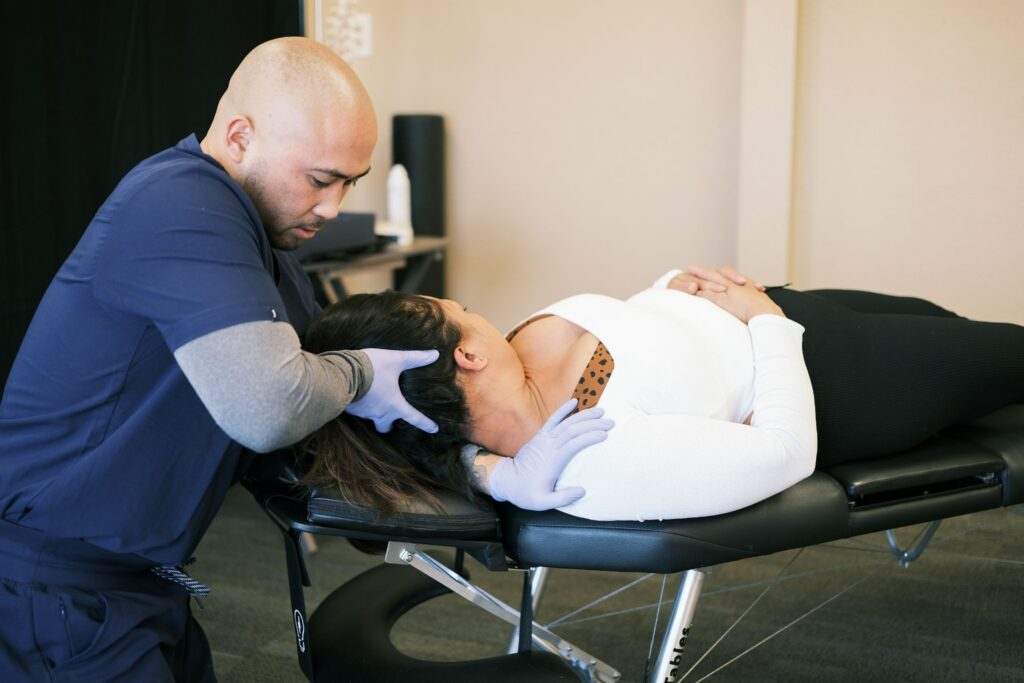
- Chiropractic Adjustments: Regular chiropractic adjustments can help correct misalignments and improve your posture, leading to reduced pain and improved function.
By making these adjustments and considering chiropractic care, you can take significant steps toward alleviating posture-related back pain and enhancing your overall well-being. Let’s work together to find the best solutions for your health and comfort!
Understanding Posture-Related Back Pain
As a local chiropractor, I want to share some important insights about how your posture can significantly impact your back health. Many of you may not realize that when you slouch or spend extended periods sitting without proper support, it can lead to various issues such as muscle strain, spinal misalignment, and chronic pain.
Our bodies aren’t designed to remain in one position for too long; doing so can cause certain muscles to tighten while others weaken, leading to discomfort, particularly in the lower back and shoulders.
Understanding the connection between posture and your overall well-being is crucial. For instance, slouching compresses the spinal discs, which can result in pain and even long-term damage. By being mindful of your posture, you can make simple adjustments throughout your day to promote better alignment.
Aim to sit up straight, keep your feet flat on the floor, and ensure your head is aligned with your spine.
Incorporating regular movement and stretching into your routine can also help alleviate strain on your back. These small changes can make a significant difference in reducing your back pain and enhancing your posture.
If you’re interested in learning more about how chiropractic care can support your journey to better health, feel free to reach out for guidance. Together, we can work towards a pain-free, healthier you!
The Importance of Ergonomic Workspaces
As a local chiropractor, I want to emphasize the crucial role your workspace plays in your overall spinal health and well-being. An ergonomic environment isn’t just a luxury; it’s a necessity for maintaining good posture and preventing issues like back pain.
By creating a workspace that supports your body’s natural alignment, you can significantly reduce the strain on your muscles and joints. Here are some key elements to consider:
- Adjustable chair: Opt for a chair that provides adequate support for your lower back. It should allow your feet to rest flat on the floor, keeping your spine in a neutral position and promoting proper posture.
- Monitor height: Ensure your computer screen is at eye level. This setup minimizes neck strain and allows your shoulders to remain relaxed, reducing the risk of discomfort over time.
- Keyboard and mouse placement: Position these tools at a height that feels comfortable for you. Keeping them within easy reach can help prevent awkward movements and strain on your wrists, which are often overlooked but vital for a healthy workspace.
By paying attention to these elements, you can create a supportive environment that not only enhances your comfort but also plays a significant role in preventing pain and improving your overall health.
If you have any questions about setting up your workspace or how it relates to your spinal health, feel free to ask during your next visit!
Exercises to Strengthen Your Core
As a local chiropractor, I want to emphasize the importance of strengthening your core to help alleviate back pain.
Many patients are unaware of how critical core stability is for overall spinal health. Incorporating exercises such as plank variations, bridge exercises, and Pilates techniques can significantly enhance your core strength.
Not only do these exercises provide support for your spine, but they also play a vital role in improving your posture and reducing discomfort.
Plank Variations
As a chiropractor, I often emphasize the importance of core strength in maintaining overall spinal health and alleviating back pain. One effective way to build this strength is by incorporating plank variations into your exercise routine.
These exercises not only engage multiple muscle groups but also enhance your stability and posture, which are crucial for a healthy spine. Here are a few plank variations I recommend for my patients:
- Side Plank: This exercise involves balancing on one arm while stacking your feet. It effectively targets your oblique muscles, which play a key role in improving lateral stability and supporting your spine.
- Plank with Shoulder Taps: While maintaining a standard plank position, tap each shoulder with the opposite hand. This move not only challenges your core but also promotes balance, helping to stabilize your entire body.
- Plank Jacks: From a plank position, jump your feet out and then back in. This dynamic exercise elevates your heart rate while continuing to engage your core muscles.
Incorporating these plank variations into your routine can be a simple yet powerful way to strengthen your core and support your spine, ultimately helping you manage and prevent back pain.
Always remember to listen to your body and consult with a healthcare professional if you have any concerns or pre-existing conditions.
Bridge Exercises
As a local chiropractor, I want to share the benefits of bridge exercises, which can significantly enhance your core strength and spinal support.
These exercises are an excellent addition to your wellness routine, especially if you’re not familiar with chiropractic care and natural healing methods.
To perform a bridge, start by lying on your back with your knees bent and your feet flat on the ground, positioned hip-width apart. As you press through your heels, lift your hips toward the ceiling while squeezing your glutes at the top of the movement. Hold this position for a brief moment, then gently lower your hips back down to the ground.
I recommend aiming for three sets of 10 to 15 repetitions.
Incorporating bridge exercises into your routine not only strengthens your core but also specifically targets your lower back and glutes, which can help alleviate tension and discomfort.
By improving your posture and reducing back pain, these exercises can make daily activities more comfortable and enjoyable.
Pilates Techniques
As a local chiropractor, I want to share how Pilates techniques can be an excellent addition to your wellness routine, especially for strengthening your core and improving stability.
These controlled movements not only enhance posture but can also alleviate back pain, which is something many of my patients struggle with. Here are some effective exercises to consider:
- The Hundred: Begin by lying on your back and raising your legs. As you pump your arms, take deep breaths, focusing on the flow of energy through your core. This exercise promotes circulation and helps stabilize your spine.
- Roll-Up: This movement involves slowly rolling your body up and down, engaging your abdominal muscles. Visualize each vertebra articulating with the ground, which can help improve spinal flexibility and strength.
- Plank: When you hold a strong plank position, you engage your core while maintaining a stable spine. Think of yourself as a solid pillar, which not only enhances core strength but also supports your overall alignment.
Incorporating these exercises into your routine can complement chiropractic care, fostering a holistic approach to your health and wellness.
If you have any questions about how these techniques might benefit you, feel free to ask during your next visit!
Stretching Techniques for Relief
As a local chiropractor, I want to emphasize the importance of effective stretching exercises in alleviating back pain. Many of my patients are often surprised to learn how incorporating daily stretching into their routine can make a significant difference in their comfort levels.
Not only does stretching enhance flexibility, but it also plays a crucial role in correcting posture, which ultimately reduces strain on your back.
Let’s take a moment to explore some simple yet powerful stretches that you can integrate into your daily life. These stretches can help ease discomfort, improve your overall well-being, and support the natural healing process.
Effective Stretching Exercises
As a local chiropractor, I often encounter patients who struggle with back pain, which can significantly impact daily life.
One of the most effective ways to alleviate this discomfort is by incorporating simple stretching exercises into your routine. Stretching not only enhances flexibility but also helps to ease muscle tension.
Here are three stretches I recommend for my patients to consider:
- Cat-Cow Stretch: This exercise is great for relieving spinal tension. Start on your hands and knees, arch your back while inhaling (like a cat), and then round your back while exhaling (like a cow). This fluid movement helps to mobilize your spine and can provide immediate relief.
- Child’s Pose: This is a fantastic stretch for promoting relaxation. Begin in a kneeling position, sit back onto your heels, and extend your arms forward on the floor. Allow your body to sink into the stretch, feeling a gentle release in your back and shoulders.
- Seated Forward Bend: This stretch targets the hamstrings and lower back. Sit on the floor with your legs extended in front of you, and gently reach for your toes. Even if you can’t touch your toes right away, just leaning forward will help to stretch and relieve tension in those areas.
Incorporating these stretches into your daily routine can be a powerful step towards natural healing and improved overall well-being.
Always listen to your body, and if you have any questions or concerns, don’t hesitate to reach out for guidance.
Daily Stretching Routines
As a local chiropractor, I want to emphasize the importance of incorporating stretching exercises into your daily routine for optimal spinal health and overall well-being. Simple movements like the Cat-Cow Stretch, Child’s Pose, and Seated Forward Bend can significantly enhance your flexibility and alleviate tension in your back.
I recommend starting your day with the Cat-Cow Stretch. This gentle movement warms up your spine and prepares your body for the day ahead. Following that, transition into Child’s Pose, which provides a deep release for your lower back and promotes relaxation.
Finally, the Seated Forward Bend is excellent for lengthening your spine and stretching your hamstrings, contributing to better posture.
Making these stretches a consistent part of your daily routine can lead to wonderful improvements. I encourage you to practice them at the same time each day, as this consistency can help you notice reduced discomfort and increased energy levels.
Posture Correction Stretches
As a local chiropractor, I want to emphasize the importance of proper posture in preventing back pain. Many people may not realize that incorporating posture correction stretches into their daily routine can significantly help restore balance and alignment within the body.
These stretches are designed to target tight muscles and enhance flexibility, making it easier to maintain a healthy posture throughout your day-to-day activities.
Here are some effective stretches that I recommend:
- Chest Opener: Stand up straight and interlace your fingers behind your back. Gently pull your shoulders back to open up your chest. This stretch helps counteract the forward hunch many of us develop from sitting or working at a desk.
- Cat-Cow Stretch: Position yourself on all fours, with your hands under your shoulders and knees under your hips. Alternate between arching your back up towards the ceiling (like a stretching cat) and sinking your belly down toward the floor (like a gentle cow). This movement promotes spinal flexibility and helps relieve tension in the back.
- Seated Forward Bend: Sit with your legs extended straight in front of you. Reach towards your toes while keeping your back straight. This stretch is fantastic for releasing tension in your lower back and hamstrings.
Incorporating these stretches into your daily routine can lead to lasting relief and improved posture.
If you have any questions about how chiropractic care can further support your journey to better posture and overall wellness, feel free to reach out. Your health is my priority!
The Role of Proper Footwear
As your local chiropractor, I want to emphasize the critical role that proper footwear plays in maintaining your back health. The right shoes aren’t just about style; they provide essential support and alignment for your body. When shoes are ill-fitting or lack adequate arch support, they can lead to misalignment in your spine, which often results in discomfort and pain.
When you’re shopping for shoes, I encourage you to prioritize styles that offer cushioning, stability, and a proper fit. High heels and overly flat shoes can put unnecessary strain on your back and disrupt your natural walking pattern. Instead, look for footwear with a slight heel and good arch support to help promote proper posture.
It’s also important to replace your shoes regularly. Worn-out soles can significantly compromise the support they provide, leading to increased strain on your back. If you find yourself on your feet for extended periods, consider using orthotic inserts for added comfort and support.
Investing in quality footwear is a simple yet effective way to enhance your overall well-being. By choosing the right shoes, you can keep your back healthy and pain-free, allowing you to enjoy your daily activities with ease.
Mindfulness and Body Awareness
As a local chiropractor, I want to share with you an important aspect of managing back pain that often goes overlooked: mindfulness and body awareness. While many individuals tend to prioritize physical treatments, it’s crucial to recognize that cultivating a deeper connection with your body can be just as effective in alleviating pain.
By tuning into your body, you can identify areas of tension and discomfort, allowing you to make necessary adjustments to your posture or daily activities before any pain escalates.
Practicing mindfulness can significantly enhance your awareness of your movements and environment, which ultimately contributes to better alignment and overall well-being. Here are some techniques you can incorporate into your routine to boost your body awareness:
- Breath Focus: Start by taking deep, intentional breaths. Pay attention to how each inhale and exhale affects your spine and shoulders. This simple practice can promote relaxation and help you notice any areas of tension.
- Body Scan: Close your eyes and take a moment to mentally check in with each part of your body. Notice any tightness or discomfort, and acknowledge these sensations without judgment. This awareness can guide you in making adjustments to relieve discomfort.
- Mindful Movement: Engage in gentle stretching or yoga. Focus on how your body feels with each motion, and listen to what it’s telling you. Mindful movement not only helps to alleviate tension but also promotes better flexibility and strength.
By integrating these practices into your daily life, you can enhance your body awareness and support your chiropractic care.
The Benefits of Regular Breaks
As a local chiropractor, I want to emphasize the significant benefits of taking regular breaks throughout your day. Many people underestimate how stepping away from your work, even for just a few minutes, can positively impact your overall well-being and productivity. This simple practice allows your body to reset and recharge, which is essential in reducing muscle tension and preventing fatigue—two common culprits that contribute to back pain.
Incorporating short breaks into your daily routine not only rejuvenates your body but also enhances your focus and creativity. Activities like walking around, stretching, or changing your environment can refresh your mind, making it easier to approach tasks with renewed energy when you return. You’ll likely discover that this practice leads to increased efficiency and lower stress levels.
Additionally, taking breaks is crucial for maintaining proper posture. Long periods of sitting can lead to slouching or straining your back, creating discomfort that can escalate over time. By taking a moment to stand up and move around, you encourage better alignment, which is vital for spinal health.
I encourage you to make it a habit to schedule those breaks throughout your day; your back—and your overall health—will thank you!
Utilizing Supportive Accessories
As a local chiropractor, I want to help you understand how utilizing supportive accessories can significantly improve your comfort and play a vital role in preventing back pain.
These tools are specifically designed to enhance your posture and provide essential support for your back throughout your daily activities. When you start incorporating the right accessories, you’ll likely notice a remarkable improvement in how you feel.
- Ergonomic chairs: These chairs are designed to promote proper spine alignment, which can greatly reduce strain on your back. By supporting your natural posture, they help alleviate discomfort.
- Lumbar support cushions: When you place a lumbar support cushion in your chair, it encourages the natural curve of your spine. This simple addition can make a big difference in your overall comfort.
- Standing desks: Alternating between sitting and standing at a desk keeps your body engaged and reduces the pressure on your back. This change in position can help prevent stiffness and promote better circulation.
Choosing the right supportive accessories is crucial for your well-being. By investing in these tools, you can create a more comfortable workspace that encourages better posture and minimizes discomfort.
Seeking Professional Help When Necessary
As a local chiropractor, I want to emphasize that while supportive accessories and maintaining good posture can significantly help with back pain, there are times when these measures may not be enough.
If you find that your pain is persistent or even worsening, it’s essential to seek professional help. A chiropractor can conduct a thorough assessment of your condition and develop a personalized treatment plan tailored to your specific needs.
Chiropractic care focuses on the alignment of the spine and the body’s ability to heal itself. Through techniques such as spinal adjustments, we can help restore balance and reduce discomfort.
If you’re experiencing chronic pain, numbness, or weakness, don’t hesitate to reach out. These symptoms may indicate underlying issues that require immediate attention, and addressing them early can prevent further complications.
In addition to traditional chiropractic adjustments, I often recommend complementary therapies such as acupuncture or massage therapy. These approaches can enhance your healing process and provide additional relief from pain.
Conclusion
As a local chiropractor, I want to share some effective strategies to help alleviate posture-related back pain that you might not be familiar with. By making simple adjustments to your workspace and integrating stretching, mindfulness, and regular breaks into your daily routine, you can significantly reduce discomfort. It’s important to wear supportive footwear and engage in exercises that strengthen your core, as these are essential for maintaining a healthy spine.
If you find that your discomfort persists despite these changes, I encourage you to seek professional help. Chiropractic care can provide you with personalized treatment plans aimed at correcting posture and enhancing your overall well-being. By taking these proactive steps, you can take charge of your posture and enjoy a more comfortable, pain-free life. Remember, your spine is foundational to your health, and I’m here to support you on your journey to wellness.