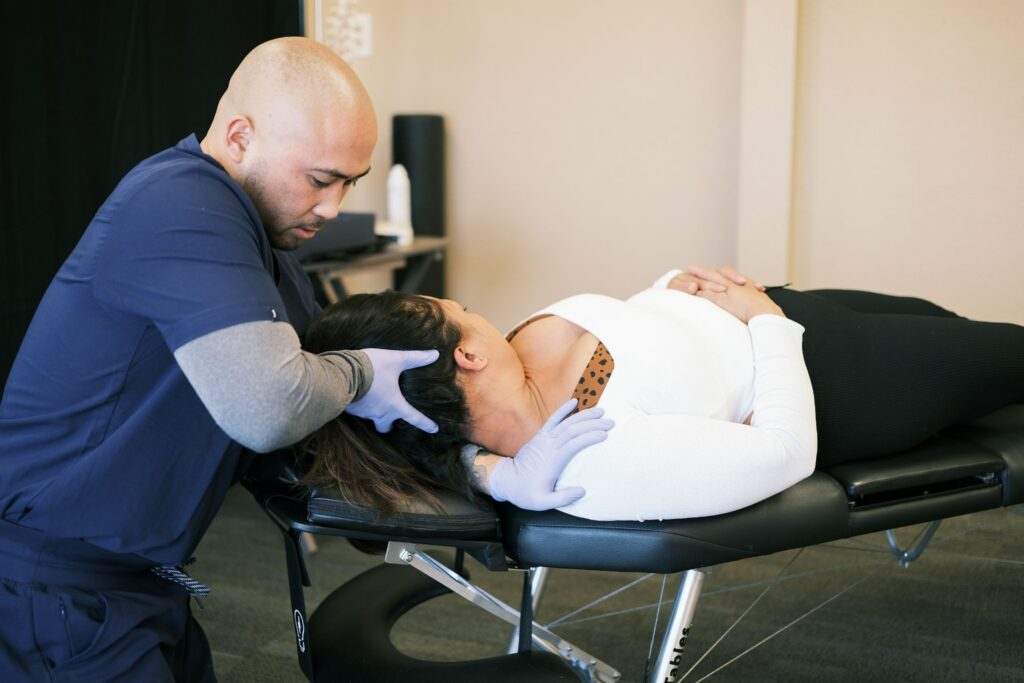

Neck pain can be a frustrating and persistent issue, but there are simple steps you can take today to prevent it and promote optimal health. As a local chiropractor, I want to share some effective strategies that not only help with neck pain but also enhance your overall well-being.
First and foremost, maintaining good posture is crucial. Whether you’re sitting at a desk, using your phone, or even standing, be mindful of how you hold your body. Keeping your head aligned over your spine can significantly reduce strain on your neck.
Next, consider optimizing your workspace. Make sure your computer screen is at eye level and that your chair supports your lower back. This will help you maintain a comfortable position, reducing the likelihood of neck discomfort.
Incorporating regular breaks into your day is also essential. Every 30 minutes, take a moment to stretch, move around, and give your neck a rest from static positions. Simple neck stretches can relieve tension and improve flexibility, keeping your neck healthy.
Hydration is another key factor in preventing neck pain. Staying well-hydrated helps maintain the elasticity of spinal discs and can reduce stiffness. So, make sure to drink plenty of water throughout the day.
Don’t forget the benefits of chiropractic care! Regular visits to a chiropractor can help address any misalignments in your spine that may be contributing to neck pain. Chiropractic adjustments not only alleviate discomfort but also promote natural healing and optimal function of your nervous system.
Curious about the best practices to implement? Start by focusing on your posture, optimizing your workspace, taking breaks, staying hydrated, and considering chiropractic care as a natural solution for maintaining a pain-free neck. By incorporating these strategies, you can take significant steps toward a healthier, pain-free life.
Key Takeaways
- To promote a healthy spine, it’s essential to maintain good posture. This means aligning your spine and keeping your shoulders relaxed, whether you are sitting at your desk or standing. Good posture not only helps prevent neck pain but also supports overall spinal health.
- Remember to take regular breaks every 30 minutes. Stand up, stretch, and move away from screens. This simple action can significantly reduce tension in your neck and improve circulation, contributing to a healthier spine.
- Incorporating daily neck stretching exercises can enhance flexibility and relieve tension. Consider gentle movements like neck rotations or side stretches, which can be easily done at home. These exercises not only help with neck pain relief but also support spinal alignment.
- Staying hydrated is crucial for muscle health. Aim to drink at least eight 8-ounce glasses of water daily. Proper hydration can help prevent muscle stiffness, making it easier for you to maintain a healthy posture and a flexible spine.
- When it comes to sleep, using a supportive pillow that suits your sleeping position is vital for maintaining proper neck alignment throughout the night. A good pillow can help ensure that your spine stays in a neutral position, reducing the risk of waking up with neck pain.
By focusing on these natural strategies and considering chiropractic care, you can take proactive steps towards preventing neck pain and achieving optimal health. Remember, a healthy spine is the foundation for a healthier life!
Understand the Importance of Good Posture
Many people overlook the importance of good posture, but it’s crucial for preventing neck pain and promoting overall health. When you maintain proper alignment, your spine and muscles function more efficiently, which significantly reduces strain on your neck.
Take a moment to consider your posture throughout the day. Slouching or leaning forward can put unnecessary pressure on your cervical spine, leading to discomfort and tension.
Improving your posture can be simple and doesn’t require any special equipment. Start by being mindful of your body position. Keep your shoulders relaxed and aligned with your ears, and engage your core to support your spine.
If you’re sitting, ensure your back is supported, and your feet are flat on the ground. It may feel a bit strange at first, but with practice, good posture will become second nature to you.
Incorporating chiropractic care into your wellness routine can also enhance your posture and overall health. A chiropractor can help identify any misalignments in your spine and provide adjustments that promote proper alignment.
This not only alleviates pain but also improves your body’s ability to function optimally.
Remember, small changes today can lead to a healthier, pain-free tomorrow. So, stand tall and sit straight—your neck and your body will thank you.
Prioritize your posture and consider chiropractic care as a natural approach to achieving and maintaining optimal health.
Optimize Your Workspace Ergonomics
Maintaining good posture at your desk is just as essential as when you’re standing or walking. As a chiropractor, I want to emphasize that optimizing your workspace ergonomics can play a significant role in preventing neck pain and promoting overall wellness.
By making a few simple adjustments, you can create a healthier work environment that supports your spine and enhances your well-being.
Here are four important tips to help you adjust your workspace for better ergonomics:
- Chair Height: Ensure your chair provides adequate support for your lower back. Adjust it so that your knees form a 90-degree angle, allowing your feet to rest flat on the floor. This position helps maintain the natural curve of your spine.
- Desk Setup: Position your keyboard and mouse within easy reach to prevent unnecessary stretching. Your arms should be relaxed at your sides, with your elbows bent at about 90 degrees. This will reduce strain on your shoulders and neck.
- Monitor Distance: Place your computer screen about an arm’s length away from your eyes and adjust it to eye level. This prevents you from craning your neck and helps keep your spine aligned while you work.
- Lighting: Make sure your workspace is well-lit to minimize glare on your screen. Proper lighting can reduce eye strain and help you maintain focus, contributing to a more comfortable work experience.
By implementing these ergonomic tips, you can’t only alleviate discomfort but also promote a healthier lifestyle.
Take Regular Breaks From Screens
To maintain a healthy neck and overall spine wellness, it’s crucial to take regular breaks from screens. As a chiropractor, I encourage you to set timer reminders that prompt you to step away from your devices and engage in gentle stretches. These brief pauses allow your muscles to relax and can significantly reduce discomfort associated with prolonged screen time.
Incorporating movement into your daily routine is essential for keeping your spine healthy. Simple actions like standing up, walking around, or performing neck stretches can enhance your posture and alleviate tension.
Remember, consistent movement not only helps prevent discomfort but also supports your overall well-being.
Chiropractic care is a fantastic option for addressing any pain or discomfort you may experience. Regular adjustments can help align your spine, improve your posture, and promote natural healing.
Set Timer Reminders
Setting timer reminders is a simple yet effective way to ease the strain on your neck from prolonged screen time. By incorporating regular breaks into your routine, you allow your neck muscles to relax and recover, promoting better spinal health. Here’s how you can make this practice work for you:
- Set a Timer: Use your smartphone or computer to remind you to take breaks every 30 minutes. This helps you stay mindful of your posture and movement throughout the day.
- Take Short Breaks: Step away from your screen for at least 5 minutes during each break. This brief pause can work wonders for your neck and spine.
- Change Your Focus: During your breaks, look away from your screen and focus on distant objects. This not only relieves eye strain but also encourages you to reset your posture.
- Stay Hydrated: Drink water during your breaks. Staying hydrated supports your overall health and encourages you to move around, which is essential for keeping your spine healthy.
Incorporating these timer reminders into your daily routine can significantly enhance your neck’s comfort and health.
Remember, maintaining a healthy spine is key to overall wellness, and chiropractic care can provide the necessary support for a pain-free life.
Stretch and Move
Taking regular breaks from screens is crucial for preventing neck pain and ensuring your overall comfort. As a chiropractor, I can tell you that incorporating movement into your daily routine can significantly enhance your well-being and support your spinal health. Every hour, make it a point to stand up, stretch, and move around to alleviate tension in your neck and shoulders. Here’s a simple guide to help you remember:
| Time Interval | Action | Duration |
|---|---|---|
| Every 30 mins | Stand up and stretch | 2 minutes |
| Every hour | Walk around | 5 minutes |
| Every 2 hours | Do gentle neck rotations | 3 minutes |
| Every 3 hours | Change your seating position | 5 minutes |
These small adjustments can make a world of difference. Regular movement not only helps relieve discomfort but also promotes better posture and spinal alignment. Remember, chiropractic care is a natural way to support your body’s healing process and maintain optimal health. By integrating these simple practices into your day, you can reduce pain and improve your overall quality of life. Prioritize your health and take proactive steps towards a pain-free future!
Incorporate Neck Stretching Exercises
Incorporating daily neck stretching exercises into your routine can be a game-changer for your overall health and well-being. As a local chiropractor, I often see how tension and discomfort in the neck can lead to more serious issues down the line. By targeting specific muscle groups through gentle stretching, you can enhance flexibility, relieve tension, and significantly reduce your risk of pain.
Let’s explore some effective neck stretches that can help keep your neck healthy and pain-free:
- Neck Tilts: Gently tilt your head to one side, bringing your ear towards your shoulder. Hold for 15-30 seconds, then switch sides. This stretch helps to release tightness in the sides of your neck.
- Chin Tucks: Sit or stand up straight and gently tuck your chin towards your chest. This helps to strengthen the muscles that support your head and can alleviate forward head posture, which is common with prolonged screen time.
- Neck Rotations: Slowly turn your head to one side, looking over your shoulder. Hold for 15-30 seconds, then rotate to the other side. This stretch promotes mobility and can help reduce stiffness.
- Shoulder Shrugs: Raise your shoulders up towards your ears, hold for a few seconds, and then release. Repeat several times. This exercise can relieve tension in both your neck and shoulders.
By incorporating these simple stretches into your daily routine, you can take proactive steps toward maintaining a healthy neck.
Remember, when it comes to pain relief and achieving optimal health, chiropractic care is your best ally. Regular adjustments can complement your stretching routine, addressing misalignments in your spine that may contribute to neck discomfort.
In addition to these stretches, consider maintaining good posture throughout your day, especially when sitting at a desk or using your phone. Take regular breaks to move around and stretch throughout the day. Your neck will thank you for it!
If you ever experience persistent pain or discomfort, I encourage you to seek chiropractic care for a personalized approach to your wellness journey.
Daily Stretch Routine
As a local chiropractor, I want to emphasize the importance of daily stretching for maintaining a healthy spine and reducing the risk of neck pain.
Establishing a regular stretching routine can significantly improve your neck’s flexibility, relieve tension, and enhance your overall well-being. Here are four effective neck stretches to incorporate into your daily routine:
- Chin Tucks: Start by gently pulling your chin towards your chest. This movement helps to realign your cervical spine and can alleviate pressure in your neck. Hold for a few seconds and breathe deeply.
- Side Neck Stretch: Tilt your head to one side, bringing your ear toward your shoulder. This stretch targets the muscles along the side of your neck. Hold for a few breaths, then switch sides to ensure balanced flexibility.
- Neck Rotations: Slowly turn your head to the right, allowing your neck to rotate freely. Then, turn to the left. This smooth motion helps maintain mobility in your cervical spine and can reduce stiffness.
- Shoulder Shrugs: Raise your shoulders toward your ears, hold for a moment, and then relax them down. This exercise helps relieve tension in both your neck and shoulders, promoting overall relaxation.
By committing to this simple routine, you’ll likely notice improved comfort and mobility in your neck.
Remember, chiropractic care is an excellent way to support your body’s natural healing processes and achieve optimal health. Regular adjustments, combined with these stretching exercises, can help you maintain a healthy spine and enhance your quality of life.
Always listen to your body, and if you experience persistent discomfort, don’t hesitate to consult with a chiropractor for personalized care and guidance.
Targeted Muscle Groups
Daily stretching is an excellent way to enhance your flexibility and promote overall neck health. By focusing on specific muscle groups such as the trapezius, sternocleidomastoid, and levator scapulae, you can effectively alleviate tension and discomfort in your neck.
One simple stretch you can try is the seated neck tilt. Gently tilt your head to one side, holding the position for about 15 seconds, then switch to the other side. This helps to relieve tightness and improve your range of motion. For the sternocleidomastoid, simply turn your head to the right and look over your shoulder, maintaining that position for 15 seconds before changing sides.
Another effective stretch targets the levator scapulae—look down while tilting your head to one side, holding for 15 seconds. Incorporating these stretches into your daily routine can significantly promote relaxation and prevent pain in your neck.
It’s important to remember that regular chiropractic care complements these stretching exercises and can support your journey to optimal health. A chiropractor can provide personalized guidance on maintaining muscle health, ensuring that your spine and neck function at their best.
Stay Hydrated for Muscle Health
As a chiropractor dedicated to your overall well-being, I want to emphasize the crucial role that staying hydrated plays in maintaining muscle health and preventing issues like neck pain. When your body is dehydrated, it can lead to muscle stiffness and cramping, which can make any discomfort in your neck even worse.
Fortunately, keeping your body well-hydrated is a straightforward and effective way to support your health.
Here are four simple tips to help you stay hydrated and support your muscles:
- Drink Water Regularly: Aim to drink at least eight 8-ounce glasses of water each day. Carrying a reusable water bottle can serve as a reminder to sip throughout the day.
- Eat Water-Rich Foods: Incorporate fruits and vegetables into your meals, such as cucumbers, watermelon, and oranges. These foods not only nourish your body but also contribute to your hydration.
- Monitor Your Urine Color: A quick way to check your hydration status is by observing your urine. Light yellow typically indicates good hydration, while darker colors may suggest that it’s time to drink more fluids.
- Limit Dehydrating Beverages: Try to reduce your intake of caffeinated drinks and alcohol, as these can contribute to dehydration. Focusing on water and natural beverages can help keep your body in balance.
In addition to these hydration tips, regular chiropractic care can help alleviate discomfort and promote overall wellness.
By ensuring your spine is aligned and your nervous system is functioning optimally, you can enhance your body’s ability to stay healthy and recover from any strain.
Invest in a Supportive Pillow
Proper hydration is just one piece of the puzzle when it comes to preventing neck pain. An equally important factor is investing in a supportive pillow. Your pillow plays a crucial role in aligning your head and neck with your spine, which can help alleviate discomfort and reduce strain during sleep. Here’s a straightforward guide to help you choose the right pillow for your needs:
| Pillow Type | Benefits |
|---|---|
| Memory Foam | Conforms to your shape for support |
| Latex | Offers firm support for stability |
| Feather | Allows for adjustable softness |
| Buckwheat | Promotes airflow while providing support |
As you consider your options, it’s essential to think about your sleeping position. Side sleepers typically benefit from thicker pillows to fill the gap between their head and shoulders, providing necessary support. Back sleepers often find comfort with a medium thickness, while stomach sleepers may require a thinner pillow to keep their neck in a neutral position and prevent strain.
Practice Mindfulness and Stress-Reduction Techniques
Since stress can significantly contribute to neck pain, adopting mindfulness and stress-reduction techniques can be transformative for your overall well-being.
Integrating these strategies into your daily routine not only helps alleviate tension in your neck but also enhances your mental health, making chiropractic care even more effective.
Here are four simple yet powerful techniques to get you started:
- Deep Breathing: Calm your nervous system by taking slow, deep breaths. Inhale through your nose for four counts, hold for four, and exhale through your mouth for four. This practice helps reduce stress and can complement your chiropractic adjustments.
- Meditation: Dedicate a few minutes each day to meditation. Focus on your breath or use a calming phrase to clear your mind. This practice can help you manage stress, allowing your body to better respond to chiropractic care.
- Gentle Stretching: Incorporate gentle neck stretches into your day to release built-up tension. Tilt your head from side to side and forward to ease tightness. These stretches can enhance the effectiveness of your chiropractic sessions by keeping your muscles flexible.
- Progressive Muscle Relaxation: This technique involves tensing and relaxing each muscle group from your toes up to your neck. It promotes relaxation and can help your body respond more positively to chiropractic adjustments.
By incorporating these mindfulness and stress-reduction techniques into your life, you can support your spinal health and overall wellness.
Use Proper Lifting Techniques
Using proper lifting techniques is crucial for maintaining a healthy spine and preventing neck pain or injuries. As a chiropractor, I want to emphasize how essential it is to lift correctly to protect your body and promote natural healing.
When lifting objects, always remember to bend at your knees and not at your waist. This technique helps distribute the weight more evenly and minimizes strain on your neck and back. Keep the object close to your body and maintain a neutral spine position to support your natural alignment.
Here’s a quick reference guide to help you remember the best practices:
| Do’s | Don’ts |
|---|---|
| Bend your knees | Twist your torso |
| Keep the load close | Lift with your back |
| Engage your core | Lean forward |
Additionally, avoid attempting to lift objects that are too heavy for you. If something feels awkward or beyond your capacity, don’t hesitate to ask for assistance or use tools like a dolly.
Engage in Regular Physical Activity
Incorporating regular physical activity into your daily routine is a fantastic way to prevent neck pain and enhance your overall well-being. Staying active not only strengthens the muscles around your neck but also improves flexibility, which can significantly reduce the risk of discomfort.
As a chiropractor, I believe that maintaining an active lifestyle is essential for spinal health and natural healing. Here are some simple activities you can easily add to your week to support your neck and spine:
- Stretching: Dedicate a few minutes each day to gentle neck stretches. This will help keep your muscles limber and reduce tension.
- Strength Training: Focus on exercises that target your shoulders and upper back. Strengthening these areas provides vital support to your neck, which can help prevent pain.
- Cardiovascular Workouts: Engage in enjoyable activities such as walking, swimming, or cycling. These exercises improve blood flow, promote overall fitness, and contribute to a healthy spine.
- Yoga or Pilates: These practices are excellent for enhancing flexibility and promoting better posture—two key elements in preventing neck strain. They also encourage mindfulness, which can help reduce stress-related tension in the neck and shoulders.
Remember, incorporating these activities into your routine not only aids in pain relief but also supports your journey to optimal health.
If you’re experiencing neck pain, consider visiting your local chiropractor for a personalized approach to wellness. Together, we can explore natural healing methods tailored to your needs, helping you live a healthier, pain-free life.
Seek Professional Help When Necessary
When neck pain becomes persistent or severe, it’s important to take action to avoid further complications. As a chiropractor, I emphasize the importance of addressing neck pain early on. Ignoring this discomfort can lead to chronic issues or reduced mobility, making it essential to seek help.
Chiropractic care is a natural and effective approach to managing neck pain. We focus on spinal alignment and adjustments, which can relieve pressure on nerves and improve overall function. By addressing the root cause of your neck pain, we can help you achieve optimal wellness without the use of medications or invasive procedures.
Here’s a quick overview of how chiropractic care can benefit you:
| Focus Area | Benefits of Chiropractic Care |
|---|---|
| Spinal Alignment | Corrects misalignments that may cause pain |
| Pain Relief | Reduces tension and discomfort in the neck |
| Improved Mobility | Enhances movement and flexibility |
| Holistic Approach | Treats the whole body, not just the symptoms |
In addition to seeking chiropractic care, here are some general tips to help manage neck pain at home:
- Practice Good Posture: Be mindful of your posture while sitting, standing, and using devices. Keep your head aligned with your spine.
- Take Breaks: If you spend long hours at a desk, take regular breaks to stretch and move around.
- Apply Heat or Cold: Use a heating pad or ice pack to reduce inflammation and relieve pain.
- Stay Hydrated: Drink plenty of water to keep your muscles and joints healthy.
- Gentle Stretching: Incorporate gentle neck stretches into your routine to maintain flexibility.
Conclusion
Incorporating simple strategies into your daily routine can go a long way in preventing neck pain and promoting overall spinal health. As a chiropractor, I cannot stress enough the importance of good posture. Make it a habit to sit and stand tall, keeping your shoulders back and your head aligned over your spine.
Optimizing your workspace is also crucial. Ensure that your computer screen is at eye level, and use ergonomic furniture to support your body properly. Remember to take regular breaks from sitting to stretch and move around. Stretching your neck gently can release tension and improve flexibility.
Staying hydrated is essential for maintaining healthy discs in your spine, so drink plenty of water throughout the day. Practicing mindfulness techniques can help you manage stress, which is often a contributor to muscle tension in the neck and shoulders.
When lifting objects, always use proper techniques—bend at your knees and keep the object close to your body. This helps protect your spine and reduces the risk of injury.
If you ever feel overwhelmed or if neck pain persists, seeking chiropractic care can be a beneficial step. Chiropractors specialize in natural healing and can help identify the root causes of your discomfort. By taking charge of your neck health today, you can pave the way for a more comfortable tomorrow! Remember, your spine is the foundation of your health—treat it well!