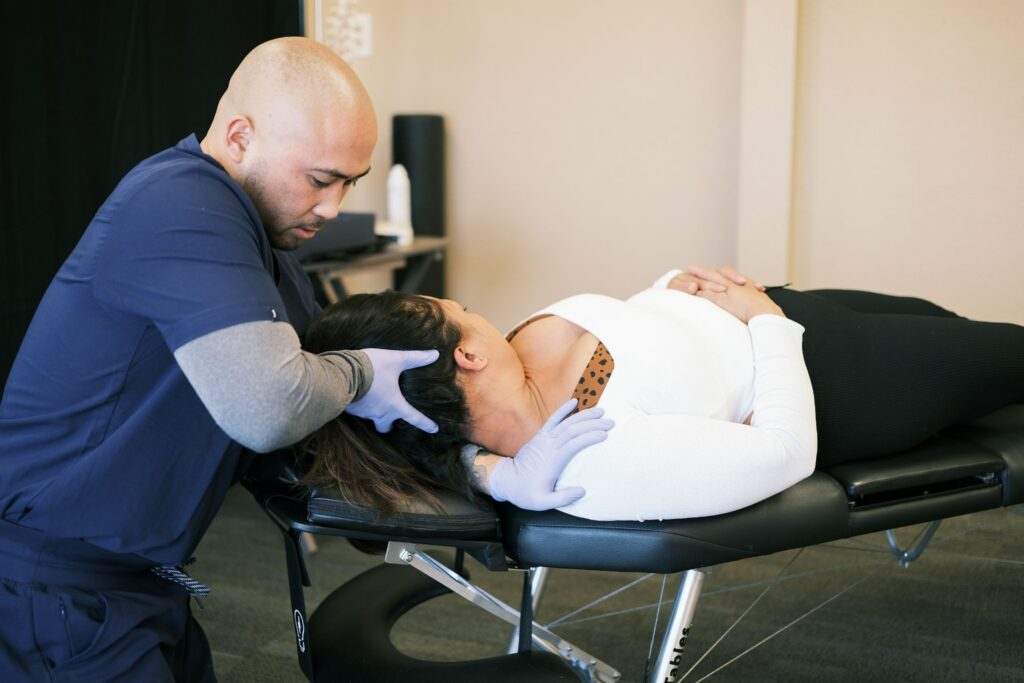

As a local chiropractor, I often see patients struggling with persistent back pain that disrupts their daily activities. It’s important to know that simple lifestyle changes can greatly improve your comfort and well-being. By paying attention to your posture, engaging in regular exercise, and adjusting your workspace ergonomically, you can effectively alleviate discomfort and promote better back health. If you’re wondering about specific strategies to enhance your back health, I’m here to guide you through practical, natural methods that can provide lasting relief. Let’s work together to explore these solutions and empower you on your journey to feeling better!
Understanding the Causes of Back Pain
As a local chiropractor, I want to help you understand that back pain isn’t just a result of heavy lifting or intense workouts; it can arise from a variety of everyday habits and conditions that you mightn’t even be aware of.
For instance, many people develop discomfort from simply slouching while sitting or sleeping in positions that aren’t supportive for their spine.
If you find yourself sitting for long periods—like hours at a desk without taking breaks—you could be weakening your back muscles, which can lead to pain over time.
It’s also important to note that carrying excess weight puts additional strain on your spine, increasing the risk of injury.
Furthermore, stress can manifest physically in your body, causing muscle tension in your back that may contribute to chronic discomfort.
Even the type of footwear you choose can impact your posture and alignment; wearing shoes that lack proper support can lead to significant issues.
By understanding these common causes of back pain, you can begin to make small, yet impactful changes in your daily routine.
Simple adjustments can help prevent discomfort and enhance your overall well-being.
As your chiropractor, I’m here to guide you through this process and support your journey toward a healthier spine and a more comfortable life.
Importance of Good Posture
As a local chiropractor, I want to emphasize the crucial role that good posture plays in preventing back pain. Many people may not realize how much our body alignment affects our overall well-being. When you maintain proper posture, you significantly reduce the strain on your muscles and joints, which leads to less discomfort and a healthier spine.
Understanding ergonomics is key to achieving good posture. By making simple adjustments to your workspace and daily routines, such as your chair height, desk setup, and even how you hold your phone, you can support your back effectively.
These small changes can have a big impact on your daily comfort and long-term health. I encourage everyone to pay attention to their posture and consider the benefits of chiropractic care as a natural approach to healing and maintaining a healthy spine.
Together, we can work towards improving your posture and overall health, reducing the risk of back pain in the future.
Role of Ergonomics
As a local chiropractor, I want to emphasize the crucial role ergonomics plays in preventing back pain, especially for those who may not be familiar with chiropractic care and natural healing. Proper posture is your first line of defense against spinal strain.
Whether you’re sitting, standing, or moving, maintaining a neutral spine position is key to your overall health.
Let’s talk about your workspace. It’s important to adjust your environment for optimal support. Make sure your computer screen is at eye level to avoid straining your neck, and choose a chair that provides adequate support for your lower back.
If your feet don’t comfortably reach the ground, consider using a footrest to promote better alignment.
When it comes to lifting, remember to bend at your knees and keep the load close to your body. This technique minimizes the stress on your back, helping you avoid injury.
I also encourage you to take regular breaks throughout your day to stretch and change positions. These small adjustments can make a significant difference.
By incorporating these ergonomic principles into your daily routine, you not only promote better posture but also significantly reduce your risk of developing back pain in the long run.
As a chiropractor, I’m here to support you in understanding how these actions can lead to a healthier spine and overall well-being.
Benefits of Alignment
As your local chiropractor, I want to emphasize the importance of maintaining proper alignment for your overall health and well-being. Many people are unaware of how good posture can significantly influence their daily lives.
When your body is aligned correctly, it allows for even distribution of weight, which alleviates unnecessary strain on your muscles and joints. This can help you avoid chronic pain and tension headaches, issues that are all too common in our busy lives.
Proper alignment also plays a crucial role in your ability to breathe deeply, leading to increased energy levels and improved mental clarity. When you’re aligned, you’ll notice that you feel more empowered and less fatigued, enhancing your overall mood throughout the day.
By consciously working on maintaining good posture—whether you’re sitting at a desk, standing in line, or moving around—you’re making a valuable investment in your long-term health.
I encourage you to incorporate small adjustments into your daily routine, as these changes can lead to significant benefits over time. My goal is to keep you active, pain-free, and thriving in your everyday life.
Let’s work together to achieve your health and wellness goals through natural healing and proper alignment.
Ergonomic Workspace Setup
As a local chiropractor, I want to share some essential tips for creating an ergonomic workspace that can help you reduce your risk of back pain and promote overall well-being.
One of the first steps is to ensure your chair is adjusted to the right height. Your feet should rest flat on the floor, and your knees should form a right angle. This position allows for proper alignment of your spine. The lumbar support of your chair should fit snugly against your lower back, encouraging a neutral spine posture, which is vital for preventing discomfort.
It’s also crucial to position your computer monitor at eye level, approximately an arm’s length away. This setup helps avoid unnecessary strain on your neck and shoulders.
When selecting a keyboard and mouse, choose options that allow your wrists to remain straight and relaxed, reducing the risk of repetitive strain injuries.
If you find yourself sitting for prolonged periods, I recommend considering a standing desk or a sit-stand converter. This will give you the flexibility to alternate between sitting and standing, promoting better circulation and posture.
Additionally, keep your workspace organized to minimize reaching for items, as excessive stretching can lead to strain.
Lastly, don’t forget the importance of taking short breaks every hour to stretch and move around. These small, mindful adjustments can significantly enhance your comfort and support, helping you maintain good posture and alleviate back pain over time.
Regular Exercise and Strength Training
As a local chiropractor, I want to share how incorporating regular exercise and strength training into your daily routine can significantly reduce your risk of experiencing back pain and enhance your overall mobility.
One of the key areas to focus on is your core. A strong core is essential because it provides support to your spine, helping to alleviate strain and prevent discomfort. I recommend exercises like planks, bridges, and various abdominal workouts, as these are fantastic for building core strength.
It’s also important not to overlook your lower back muscles. Strengthening these muscles can help prevent discomfort during everyday activities. Furthermore, engaging in weight training fosters muscle balance, which is crucial for maintaining proper posture—something we emphasize in chiropractic care.
I encourage you to aim for at least 150 minutes of moderate aerobic activity each week, along with strength training at least twice a week. Choose activities that you genuinely enjoy, whether it’s swimming, cycling, or weightlifting, to keep your motivation high.
Stretching for Flexibility
As your local chiropractor, I want to emphasize the importance of stretching for flexibility in preventing back pain. Many people often concentrate solely on building strength, but incorporating regular stretching into your routine is equally crucial for enhancing overall mobility and reducing tension in your back muscles.
Stretching improves blood flow and keeps your muscles supple, making them less susceptible to injuries. I recommend starting with simple stretches like the cat-cow pose and seated forward bends, which can help alleviate tightness in your back.
It’s beneficial to hold each stretch for at least 20-30 seconds while breathing deeply to promote relaxation. Additionally, dynamic stretches before your workouts can prepare your muscles for movement, reducing the risk of strain.
I encourage you to aim for daily stretching or at least three times a week. Consistency is key to achieving lasting flexibility! By prioritizing this aspect of your wellness routine, you’ll cultivate a more balanced body that supports your spine, ultimately decreasing your risk of back pain and enhancing your overall well-being.
Maintaining a Healthy Weight
As a local chiropractor, I want to emphasize the importance of maintaining a healthy weight, especially when it comes to preventing back pain. Many of my patients are surprised to learn how closely their weight is linked to their spinal health.
A balanced diet, regular physical activity, and mindful portion control are key components in achieving and maintaining your ideal weight. When you prioritize these aspects of your lifestyle, you’re not just improving your overall well-being; you’re also providing vital support to your back.
Excess weight can put additional strain on your spine and surrounding muscles, leading to discomfort and pain. By making conscious choices about what you eat and how you move, you can significantly enhance your body’s ability to function optimally.
I encourage you to take small, manageable steps towards a healthier lifestyle. This could mean incorporating more whole foods into your diet, finding enjoyable activities to keep you active, or simply being more mindful about portion sizes.
Together, we can work towards a healthier you, which in turn can lead to a happier, pain-free back.
Balanced Diet Importance
As a local chiropractor, I want to emphasize the importance of a balanced diet in maintaining a healthy weight, which is crucial for preventing back pain. When you nourish your body with the right nutrients, you can effectively manage your weight and reduce the strain on your back and spine.
I encourage you to incorporate a diverse range of fruits, vegetables, whole grains, lean proteins, and healthy fats into your meals. Not only does this approach help in weight management, but it also promotes overall wellness.
By choosing nutrient-dense foods over processed options, you can boost your energy levels and support better posture throughout your day. Every meal presents an opportunity to nourish your body and enhance your health.
Regular Exercise Benefits
As a local chiropractor, I want to share with you how regular exercise can significantly enhance your overall well-being and play a vital role in managing weight and preventing back pain. Engaging in consistent physical activity not only helps you burn calories and build muscle, but it also boosts your metabolism. This is crucial because maintaining a healthy weight reduces the strain on your back, which can lower your risk of experiencing pain and injury.
Moreover, exercise is essential for strengthening your core muscles, which provide critical support for your spine. A strong core helps to maintain proper posture and alignment, further alleviating tension in your back. Additionally, regular physical activity improves your flexibility, making it easier for your body to move without discomfort.
To reap these benefits, I recommend incorporating a balanced routine that includes cardiovascular workouts, strength training, and stretching exercises. This combination won’t only enhance your physical fitness but also create a more resilient foundation for your body.
Portion Control Strategies
As a local chiropractor, I want to emphasize the importance of effective portion control not just for weight management, but also for overall health and spinal wellness.
One simple yet powerful strategy is to use smaller plates and bowls; this can help you eat less while still feeling satisfied. It’s essential to tune into your body’s hunger signals—eat when you feel hungry, and stop when you’re satisfied.
I also encourage you to minimize distractions during mealtime, such as watching television, as this can lead to overeating and may contribute to discomfort in your back.
To better understand proper serving sizes, consider measuring your food portions until you develop a good sense of what a healthy serving looks like.
Incorporating more fruits and vegetables into your meals is another great approach; they aren’t only low in calories but also packed with nutrients that support your body’s healing processes.
Additionally, skipping meals can often result in binge eating later on, which can negatively impact your weight and overall health.
By implementing these portion control strategies, you can help maintain a healthy weight and reduce the risk of back pain, which is crucial for your well-being.
Proper Lifting Techniques
As a local chiropractor dedicated to your well-being, I want to share some essential lifting techniques that can significantly minimize your risk of back pain. When you need to lift heavy objects, it’s crucial to use the right methods to protect your spine and promote natural healing.
First, position yourself close to the object and stand with your feet shoulder-width apart for better stability. Instead of bending at your waist, bend your knees and squat down to grasp the item. This helps maintain a straight back and an elevated chest, which are vital for proper posture.
As you lift, engage your core muscles and push through your heels, allowing your legs to handle the bulk of the weight. Avoid twisting your body while lifting, as this can put unnecessary strain on your back. Instead, pivot your feet to change direction.
If you encounter an object that feels too heavy or awkward, don’t hesitate to seek assistance or utilize tools like dollies or lifting straps. Additionally, keep the load close to your body; this technique reduces strain on your back and allows for a safer lifting experience.
Mindfulness and Stress Management
As your local chiropractor, I want to emphasize that lifting correctly is just one aspect of preventing back pain. It’s essential to recognize that stress and anxiety can lead to muscle tension, which often exacerbates discomfort in your back.
By practicing mindfulness, you can effectively reduce stress and encourage relaxation, which is key to maintaining a healthy spine. I recommend starting with just a few minutes each day dedicated to focusing on your breath. Pay attention to how your body feels and consciously release any tension you may be holding.
Incorporating mindfulness techniques such as deep breathing, meditation, or yoga into your daily routine can significantly enhance your overall well-being and help alleviate back pain.
Additionally, I encourage you to be mindful of your posture throughout the day. Awareness of how you sit, stand, and move can have a profound impact on your back health. Simple adjustments to your posture, combined with effective stress management techniques, can create a strong foundation for a healthier back.
As you explore these methods, remember that chiropractic care also plays a vital role in supporting your spine’s health and function. Together, we can work towards a comprehensive approach to reducing pain and improving your quality of life.
Conclusion
As your local chiropractor, I want to share some valuable insights on how you can prevent back pain and enhance your overall well-being. It’s essential to focus on maintaining good posture throughout your day, whether you’re sitting at a desk or standing. Creating an ergonomic workspace is key – this means adjusting your chair, desk, and computer setup to support your spine properly.
Regular exercise and stretching are also vital components of a healthy lifestyle. Incorporate activities that strengthen your core and promote flexibility, as these will support your back and reduce the risk of pain. Additionally, it’s crucial to practice proper lifting techniques. Always bend at your knees and keep the object close to your body to avoid straining your back.
Don’t overlook the importance of managing stress, too. Techniques like mindfulness or meditation can help you stay relaxed and centered, which can positively impact your physical health. By implementing these strategies, you’ll be taking proactive steps to maintain a healthier back and enjoy a more active life. Start today, and you’ll soon notice the benefits! If you have any questions or need personalized advice, feel free to reach out to my office.