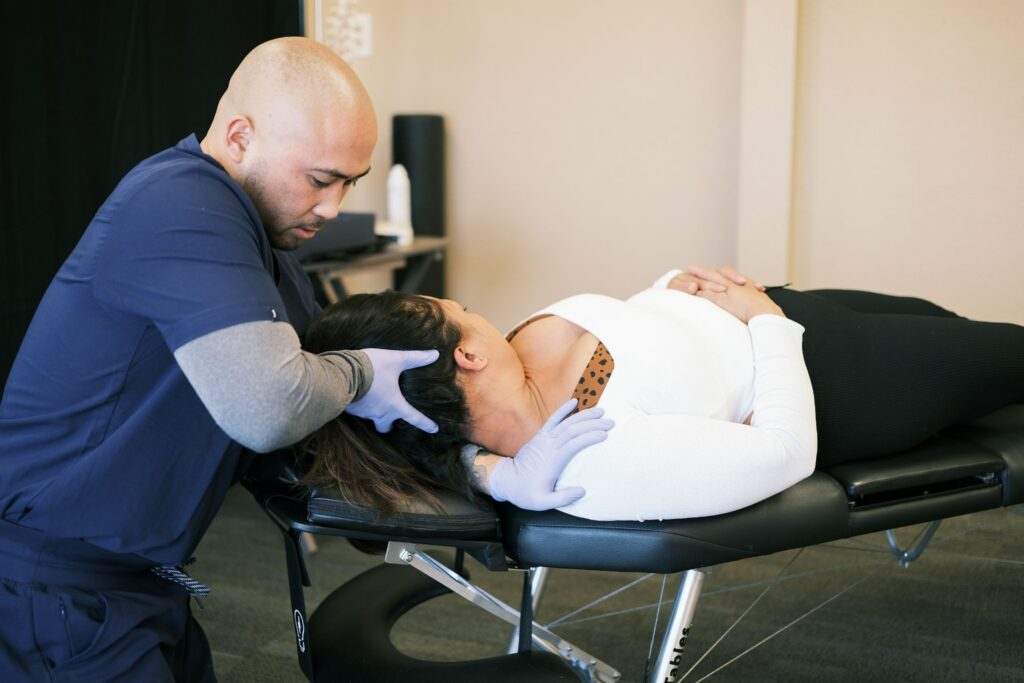

As a local chiropractor, I want to emphasize that your recovery is just as crucial as your training, yet it often gets overlooked. By prioritizing essential aspects like nutrition, quality sleep, and utilizing innovative recovery tools, you can significantly improve your performance and reduce the risk of injuries. So, what specific strategies should you consider incorporating into your routine?
Understanding the science behind muscle repair and the benefits of active recovery can truly make a difference. Active recovery, which includes gentle movements and stretches, can enhance blood flow and support the healing process. Additionally, chiropractic care can play a vital role in your recovery journey by ensuring proper alignment and function of your spine and joints.
Let’s delve into these key components to help you transform your recovery experience and achieve your athletic goals. Remember, investing in your recovery is investing in your overall health and performance.
Understanding the Importance of Recovery
As a local chiropractor, I want to emphasize the critical role that recovery plays in your overall health and well-being, especially if you’re engaging in any form of physical activity. When you push your body, whether through exercise or daily tasks, it’s essential to allow time for recovery. This is when your muscles repair and adapt, ultimately becoming stronger.
Neglecting this vital phase can lead to fatigue, injuries, and a decline in performance. Many people mistakenly believe that increasing training intensity alone will yield better results, but without adequate recovery, you risk burnout and long-term issues.
Incorporating rest days, consuming a balanced diet, and staying hydrated are fundamental to helping your body recover effectively. Engaging in active recovery—such as gentle stretching or low-impact activities—can also alleviate muscle soreness and promote healing.
Always listen to your body; it often signals when it needs a break. By understanding and embracing the importance of recovery, you not only enhance your physical performance but also create a sustainable routine that supports your overall health.
As your chiropractor, I encourage you to view recovery as a crucial element of your wellness journey. When you prioritize this aspect, you’ll discover significant improvements in both your physical health and your overall sense of well-being.
Let’s work together to ensure that recovery is an integral part of your health strategy!
The Science Behind Muscle Repair
As a local chiropractor, I want to share some insights on how your muscles heal after intense activity. When you challenge your muscles, they can experience tiny tears. This is a natural part of the process, and understanding how muscle fiber regeneration works—along with the importance of nutrition—can significantly enhance your recovery.
It’s essential to recognize that proper healing isn’t just about rest; it involves a holistic approach. Nutrients play a vital role in this process, helping to repair those micro-tears and restore your strength.
By ensuring you have a balanced intake of proteins, carbohydrates, and vitamins, you can support your body’s natural healing mechanisms.
Let’s talk about how these elements work together to promote recovery and improve your performance. With the right knowledge and care, you can optimize your healing journey and get back to feeling your best.
Muscle Fiber Regeneration
Muscle fiber regeneration is an essential process that takes place after you engage in intense exercise, and understanding it can significantly aid your recovery. When you push your body during workouts, small tears occur in your muscle fibers. This is your body’s way of signaling that it needs to repair and strengthen those muscles.
At this point, a specialized group of cells known as satellite cells come into play. They activate and multiply to help mend the damaged fibers, ultimately promoting growth and enhancing muscle strength and size. You might experience some soreness as this regeneration occurs, but don’t worry—this is a natural part of the process and indicates that your muscles are adapting and becoming stronger.
To facilitate optimal recovery, it’s crucial to prioritize proper rest and consider active recovery techniques. As a chiropractor, I encourage you to understand how your body heals itself through these natural processes.
Role of Nutrients
As a local chiropractor, I want to emphasize the crucial role that nutrients play in the process of muscle repair and overall recovery from physical activity. After an intense workout, your body needs the right building blocks to heal effectively, and this is where nutrition comes into play.
Protein is particularly vital; it aids in muscle synthesis, helping to rebuild and strengthen muscle fibers that may have been stressed during exercise. Carbohydrates are equally important because they replenish glycogen stores, which provide the energy necessary for your body to recover.
And let’s not overlook healthy fats! They’re essential for hormone production and maintaining cellular health.
Additionally, vitamins and minerals like vitamin C, vitamin D, and magnesium are key players in facilitating healing and reducing inflammation. Staying hydrated is also critical; proper hydration helps transport these nutrients and supports optimal muscle function.
By prioritizing a balanced diet rich in these essential nutrients, you can significantly enhance your recovery process, minimize soreness, and improve your performance for future workouts.
Making informed dietary choices won’t only support your physical health but also complement the chiropractic care you receive, promoting a holistic approach to your well-being. Your body will certainly thank you for it!
Nutrition for Optimal Recovery
As a local chiropractor, I want to share the importance of nutrition in optimizing your recovery after intense physical activities. Proper nutrition is a vital part of your healing process, as it provides your body with the necessary nutrients to repair muscle tissue, replenish energy stores, and reduce inflammation.
Here are some essential components to consider incorporating into your recovery diet:
- Protein: This nutrient plays a crucial role in repairing and building muscle. I recommend focusing on lean sources such as chicken, fish, or legumes. These options can help support your body’s natural healing processes.
- Carbohydrates: After physical activity, your body needs to replenish its glycogen stores. Whole grains, fruits, and starchy vegetables are excellent choices that can provide the energy you need for recovery.
- Healthy Fats: Including healthy fats in your diet can support hormone production and help reduce inflammation. Foods like avocados, nuts, and olive oil are great additions that promote overall wellness.
- Hydration: Staying hydrated is essential for nutrient transport and recovery. I encourage you to drink plenty of water, and after intense workouts, consider replenishing lost electrolytes to support your body’s recovery efforts.
By focusing on these nutritional components, you can enhance your recovery and support your overall health and well-being.
Active Recovery Techniques
As a local Chiropractor, I want to share how active recovery techniques can significantly improve your recovery process.
By integrating stretching and mobility exercises into your routine, along with low-intensity cardio, you can promote movement in your body without straining it. This approach not only aids in healing but also helps you feel rejuvenated and prepared for your next workout.
Embracing these natural healing methods can be a vital part of your overall wellness journey.
Let’s work together to incorporate these practices into your lifestyle for optimal results!
Stretching and Mobility Exercises
As a local chiropractor, I want to emphasize the importance of incorporating stretching and mobility exercises into your wellness routine, especially if you’re new to chiropractic care and natural healing.
Many people often focus solely on intense workouts to boost their performance, but integrating these exercises is crucial for enhancing recovery and overall health.
Stretching and mobility exercises play a vital role in keeping your muscles flexible, reducing soreness, and improving your range of motion. By dedicating time to these practices, you’ll not only feel better after your workouts but also help prevent injuries down the road.
Here are some key benefits of stretching and mobility exercises:
- Increases blood flow to muscles, promoting healing and recovery
- Enhances flexibility and range of motion, making daily activities easier
- Reduces muscle tension and soreness, leading to a more comfortable experience
- Improves posture and body alignment, which can alleviate discomfort and enhance overall well-being
I recommend integrating dynamic stretches before your workouts to warm up your muscles, and static stretches afterward to cool down and promote recovery.
Additionally, prioritizing foam rolling and targeted mobility drills can help you address tight areas in your body. By actively engaging in these techniques, you’ll support your body’s natural healing process and elevate your athletic performance.
Low-Intensity Cardio Options
As a chiropractor, I want to emphasize the importance of incorporating low-intensity cardio into your routine for both recovery and overall well-being. Engaging in gentle activities such as walking, cycling, or swimming at a relaxed pace can significantly enhance blood circulation, which aids in alleviating muscle soreness and stiffness.
I recommend aiming for 20 to 30 minutes of these soothing exercises a few times a week. Low-intensity cardio not only facilitates recovery but also has the added benefit of uplifting your mood and boosting your energy levels.
It’s a wonderful approach to keep your body active without placing too much strain on it. Whether it’s enjoying a peaceful stroll in the park or a leisurely bike ride around your neighborhood, these activities are easy to incorporate into your daily life.
The Role of Sleep in Athletic Performance
As your local chiropractor, I want to share how vital sleep is for your overall health and athletic performance. Many people overlook the importance of quality sleep, but it plays a crucial role in how you train, recover, and ultimately perform in your chosen activities.
By prioritizing sleep, you’re not just resting; you’re investing in your body’s ability to function at its best. Here are some key benefits of adequate sleep that I often discuss with my patients:
- Promotes muscle recovery: During sleep, your body works hard to repair muscles and tissues, which is essential for anyone engaged in physical activity.
- Boosts focus and concentration: A rested mind is sharper and more alert, allowing you to make quick decisions when it matters most, whether in sports or daily tasks.
- Balances hormones: Sleep plays a critical role in regulating hormones like cortisol and testosterone. These hormones are vital for recovery and optimal performance, and a lack of sleep can throw them off balance.
- Lowers injury risk: Getting proper rest is key to preventing overtraining and fatigue-related injuries. When your body is well-rested, it can better handle the stresses of physical activity.
At our practice, we emphasize the importance of a holistic approach to health, which includes not only chiropractic adjustments but also lifestyle factors like sleep.
Let’s work together to ensure you’re getting the restorative sleep your body needs to thrive!
Innovative Recovery Tools and Technologies
As a local chiropractor, I want to emphasize the importance of quality sleep as the cornerstone of your recovery journey. However, combining restorative sleep with innovative recovery tools and technologies can significantly enhance your overall performance and well-being.
Consider incorporating devices like compression boots or pneumatic massage systems into your recovery routine. These tools are designed to improve blood flow and alleviate muscle soreness, making them a fantastic addition to your self-care practices.
Additionally, wearable technology can be a game-changer. These devices track your recovery metrics and provide real-time insights into your body’s needs, allowing you to make informed decisions about your recovery process.
If you often experience tight muscles, foam rollers with vibration technology can help you target those areas more effectively, promoting relaxation and flexibility.
For those who enjoy heat therapy, infrared saunas can be beneficial for reducing inflammation and enhancing muscle relaxation.
Lastly, don’t overlook the advantages of electrical stimulation devices. These tools can aid in muscle recovery by mimicking the natural contraction process, providing your muscles with the support they need to heal and strengthen.
By integrating these innovative tools with your chiropractic care, you can take significant strides toward optimal recovery and improved performance.
Mental Recovery: The Psychological Aspect
As a local chiropractor, I want to emphasize that while physical recovery tools are important, the mental aspect of recovery is equally crucial for your overall well-being and performance.
Your mindset can significantly affect how quickly you recover from fatigue and injuries. By prioritizing mental recovery, you can maintain focus and motivation, which in turn allows you to perform at your best.
Here are some effective strategies to enhance your mental recovery:
- Mindfulness Meditation: This practice helps you cultivate awareness and reduce stress, creating a sense of calm that can aid your recovery process.
- Visualization Techniques: By imagining your success, you can boost your confidence and create a positive mental environment that supports healing.
- Positive Affirmations: These simple statements can help shift your mindset and reinforce your self-belief, making it easier to overcome challenges.
- Social Support: Surrounding yourself with encouraging friends and supportive teammates can make a significant difference in your mental recovery journey.
Remember, taking care of your mental health is just as important as physical adjustments and therapy in chiropractic care.
Incorporating Stretching and Mobility Work
As a local chiropractor, I want to emphasize the importance of mental recovery as a crucial component of your physical rehabilitation journey. One effective way to support your recovery is by incorporating stretching and mobility work into your routine. These practices can significantly enhance your overall healing process.
By dedicating time to stretching, you can improve your flexibility, reduce muscle tension, and help prevent injuries. Before your workouts, it’s beneficial to engage in dynamic stretches. These movements warm up your muscles, increase blood flow, and prepare your body for the physical activity ahead.
After your workout, I recommend transitioning to static stretches. Focus on the major muscle groups to promote relaxation and aid in recovery.
In addition to stretching, integrating mobility work—such as foam rolling or yoga—can greatly improve your joint function and flexibility. This not only enhances your overall movement patterns but also supports your performance in sports and daily activities.
Aim to spend at least 10-15 minutes each day on these practices. Always listen to your body; if something doesn’t feel right, don’t hesitate to make adjustments.
Building a Personalized Recovery Plan
As a local chiropractor dedicated to your well-being, I want to emphasize the importance of creating a personalized recovery plan tailored to your unique needs. This plan is vital for ensuring that you progress effectively and safely throughout your rehabilitation journey.
Here are some key elements to consider when building your recovery plan:
- Assess Your Needs: Together, we’ll identify specific areas of weakness or injury that require focused attention. This assessment will help us target your recovery efforts more effectively.
- Set Realistic Goals: It’s important to define both short-term and long-term objectives that align not only with your recovery but also with your overall health and fitness aspirations. We’ll work together to set achievable goals that motivate you.
- Incorporate Variety: To keep your recovery engaging and effective, we’ll mix in various techniques. This may include chiropractic adjustments, stretching, foam rolling, and hydration strategies. Different approaches can enhance your recovery and prevent plateaus.
- Monitor Progress: Regular evaluations of your recovery plan are essential. We’ll assess how your body is responding to the treatments and make necessary adjustments to ensure you’re on the right track.
By following these steps, we can create a supportive and personalized recovery plan that promotes natural healing and helps you regain your strength and mobility.
Your journey to wellness is a collaborative effort, and I’m here to guide you every step of the way.
Conclusion
As a local chiropractor, I want to emphasize how incorporating effective recovery strategies can significantly enhance your athletic performance. By focusing on key elements like nutrition, quality sleep, and active recovery techniques, you not only support muscle repair but also improve your overall health and well-being.
Chiropractic care plays a vital role in this process by helping to align your body, reducing tension, and promoting efficient movement. I encourage you to embrace innovative recovery tools and practices while also tuning in to your body’s signals.
Recovery is not just a temporary phase; it’s a crucial component of your athletic journey. By starting today and integrating these natural healing methods into your routine, you could see remarkable improvements in your sports performance and overall wellness. Let’s work together to revitalize your recovery and pave the way for your lasting success in sports.