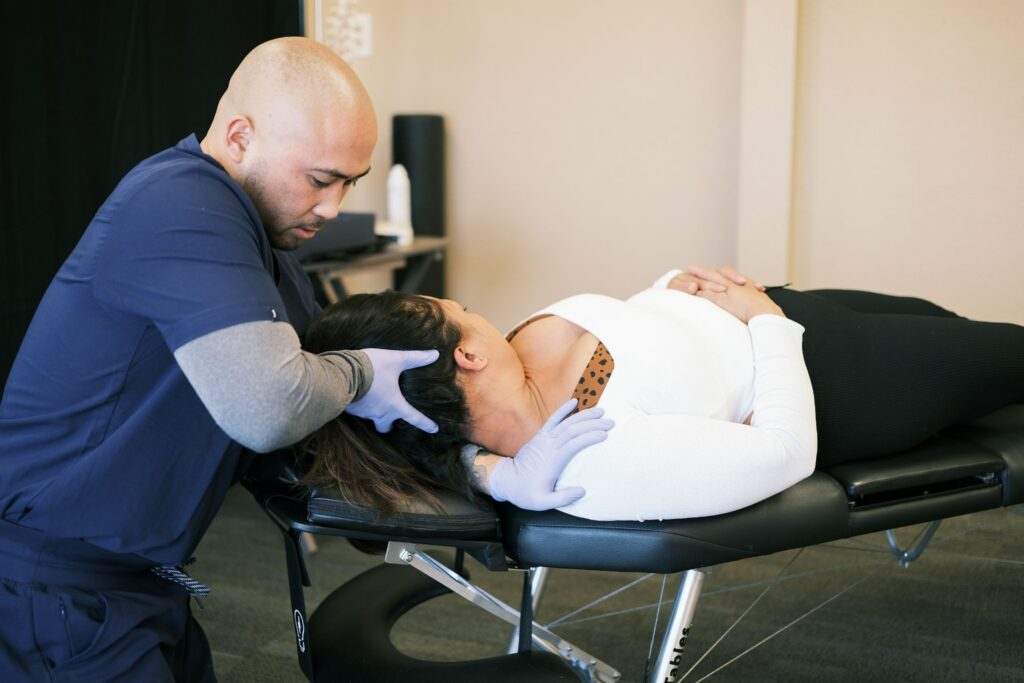

As a local chiropractor, I understand the unique challenges that come with living with fibromyalgia. Many of my patients have shared their struggles in finding effective relief, and I want to introduce you to the benefits of holistic care. This comprehensive approach not only addresses your physical discomfort but also supports your emotional wellness.
In our practice, we focus on integrating techniques such as mindfulness, customized nutritional guidance, and gentle movement exercises. These practices work together to help create a more harmonious balance in your life. But you may be wondering, what specific techniques can truly make a difference in your daily routine? By exploring these natural healing options, you could potentially transform your experience with fibromyalgia.
Chiropractic care plays a crucial role in this holistic approach. Through gentle adjustments, we aim to improve your spinal alignment, which can alleviate pain and enhance your overall mobility. Additionally, we can work together on strategies for managing stress and anxiety, which can often accompany fibromyalgia.
I encourage you to consider these natural healing methods. By embracing a holistic approach, you have the opportunity to reclaim your vitality and improve your quality of life. Let's explore how we can work together towards your wellness goals.
Understanding Fibromyalgia
Fibromyalgia is a multifaceted condition that affects millions of individuals, leading to widespread pain, fatigue, and a variety of other symptoms. If you suspect you might be experiencing fibromyalgia, it's understandable to feel overwhelmed by the persistent discomfort and exhaustion that can accompany it. This condition can significantly impact various areas of your life, including sleep, mood, and daily activities.
It's common for people with fibromyalgia to feel frustrated, especially since the condition isn't well understood, even among healthcare professionals. While the exact cause of fibromyalgia remains elusive, research indicates it may be linked to how your brain processes pain signals. Factors such as stress, genetics, and infections could also contribute to the onset or worsening of symptoms.
As your local chiropractor, I want to assure you that you aren't alone in this journey. Many individuals share similar experiences, and gaining a deeper understanding of your condition can empower you to seek effective, natural healing options. You might notice tender points on your body that are painful when pressure is applied, which is a characteristic sign of fibromyalgia.
Symptoms can vary widely, with periods of improvement and exacerbation that can make it difficult to plan your day. Fatigue often plays a significant role, hindering your ability to focus or complete tasks. By acknowledging the complexities of fibromyalgia, you can start to explore various strategies for managing your symptoms holistically.
Chiropractic care can be a valuable component of your treatment plan, focusing on natural healing methods that address underlying issues and promote overall well-being. Staying informed about your condition and tuning into your body's signals can significantly enhance your quality of life, even in the face of challenges.
Together, we can work towards finding the right approach tailored to your individual needs.
The Importance of Holistic Care
As your local chiropractor, I want to emphasize the significance of understanding the mind-body connection, especially when it comes to managing fibromyalgia symptoms.
Holistic care is at the heart of what we do, offering tailored treatment approaches designed specifically for your individual needs and experiences. By focusing on both the physical and emotional aspects of your health, we can help you achieve a more balanced and fulfilling life.
Our goal is to empower you with natural healing methods that support your overall well-being, allowing you to feel your best every day.
Mind-Body Connection
As a local chiropractor, I want to emphasize the vital mind-body connection and its significant impact on managing fibromyalgia symptoms.
It's crucial to understand how your mental and emotional states can influence your physical health. By focusing on this connection, you can more effectively tackle the pain and fatigue that often come with fibromyalgia.
Here are some ways you can strengthen your mind-body connection, which can complement chiropractic care:
- Mindfulness Practices: Incorporating mindfulness techniques such as meditation or deep breathing exercises can help you remain present and alleviate stress, which can otherwise worsen your symptoms. These practices can be a great addition to your overall wellness plan.
- Physical Activity: Engaging in gentle forms of exercise, like yoga or tai chi, not only enhances your physical health but also uplifts your mood and general well-being. Chiropractic care can support your physical activity by ensuring your body is aligned and functioning optimally.
- Creative Outlets: Exploring artistic endeavors—be it painting, writing, or playing music—can serve as a therapeutic way to express and release pent-up emotions and stress. This creative expression is an important aspect of holistic healing.
Personalized Treatment Approaches
As a local chiropractor, I want to share how personalized treatment approaches can significantly impact your journey toward managing fibromyalgia. Each individual's experience with fibromyalgia is distinct, which is why it's crucial to customize your care to meet your specific needs. This involves taking into account your unique symptoms, lifestyle, and any other health concerns you may have.
I encourage you to work closely with healthcare professionals who prioritize holistic care, as they can guide you in identifying the most effective strategies for your situation. In our practice, we often combine chiropractic adjustments with other therapies such as physical therapy, acupuncture, and nutritional counseling.
This multi-faceted approach addresses not only the physical symptoms of fibromyalgia but also supports your emotional well-being. Additionally, I recommend exploring complementary practices like mindfulness and yoga, which can help alleviate stress and enhance your overall quality of life.
It's essential to monitor what methods resonate with you and to maintain open communication with your care team about your experiences and progress. Together, we can create a tailored plan that empowers you on your path to relief.
Mindfulness and Meditation Techniques
As a local chiropractor dedicated to helping you manage fibromyalgia symptoms, I want to share how incorporating mindfulness and meditation techniques into your daily routine can significantly enhance your overall well-being.
These practices not only help you connect with your body but also aid in reducing stress and fostering a sense of peace. By focusing on the present moment, you can shift your attention away from pain and discomfort, leading to a more positive experience.
Here are three effective techniques that are easy to integrate into your life:
- Breath Awareness: Dedicate a few minutes each day to simply focus on your breathing. Inhale deeply through your nose, hold for a moment, and exhale slowly through your mouth. This calming practice can center your thoughts and help alleviate anxiety, which is crucial in managing fibromyalgia.
- Body Scan Meditation: Find a comfortable position, preferably lying down, and bring your awareness to each part of your body, starting from your toes and moving upward. Pay attention to any areas of tension or discomfort, and consciously work on releasing that tension. This technique promotes relaxation and enhances your awareness of physical sensations, which is beneficial in understanding your body better.
- Guided Imagery: Consider using guided meditation apps or recordings that lead you through peaceful visualizations. Imagine yourself in a tranquil setting, such as a beach or a forest. This mental escape not only helps you detach from pain but also encourages a sense of tranquility and well-being.
By integrating these mindfulness and meditation techniques into your routine, you can complement your chiropractic care and take an active role in managing your fibromyalgia symptoms.
Nutritional Approaches for Relief
As a local chiropractor, I want to emphasize that while mindfulness and meditation can be powerful tools for managing fibromyalgia symptoms, we must also recognize the significant role nutrition plays in your overall well-being. The food you consume directly affects how you feel each day, and adopting a balanced diet filled with whole foods can greatly improve your symptoms.
To start, I encourage you to incorporate anti-inflammatory foods into your meals. Opt for plenty of fruits, vegetables, whole grains, and healthy fats, such as olive oil. Additionally, foods rich in omega-3 fatty acids—like fish, walnuts, and flaxseeds—can help reduce inflammation and may alleviate pain.
Staying hydrated is equally important, as dehydration can worsen fatigue and discomfort. Aim for at least eight glasses of water daily, adjusting this amount based on your level of activity.
It's also wise to limit processed foods, sugar, and excessive caffeine, as these can trigger flare-ups. Instead, focus on nourishing your body with nutrient-dense options. You might want to explore potential food sensitivities; keeping a food diary can be helpful in identifying any triggers that may be exacerbating your symptoms.
In addition to dietary changes, certain supplements can support your nutritional strategy. Magnesium, vitamin D, and B vitamins have been shown to enhance muscle function, boost energy levels, and promote overall health. However, I always recommend consulting with a healthcare professional before starting any new supplements to ensure they're right for you.
At our chiropractic practice, we believe in a holistic approach to health that encompasses both physical adjustments and nutritional support. Together, we can work towards better managing your fibromyalgia symptoms naturally.
Exercise and Physical Activity
As a local chiropractor, I want to share the importance of gentle movement for those managing fibromyalgia.
Engaging in tailored exercise routines can greatly enhance your daily comfort and energy levels. Not only do these regimens help alleviate symptoms, but they also empower you to take an active role in your overall wellness.
By incorporating the right types of physical activity into your routine, you can significantly improve your quality of life.
Let's discuss how chiropractic care and natural healing methods can support you in this journey toward better health and vitality.
Benefits of Gentle Movement
As a local chiropractor, I want to share with you how gentle movement can significantly enhance your well-being, especially for those dealing with conditions like fibromyalgia.
Incorporating low-impact activities into your daily routine can help manage pain, uplift your mood, and increase your energy levels. It's important to remember that you don't have to exert yourself to the max; even small, consistent efforts can yield remarkable benefits.
Here are some key advantages of integrating gentle movement into your lifestyle:
- Pain Relief: Activities such as stretching and walking are excellent ways to ease muscle tension and stiffness, which can help alleviate discomfort associated with fibromyalgia.
- Improved Mood: Engaging in physical activity stimulates the release of endorphins—our body's natural mood lifters. This can be particularly beneficial in combating feelings of anxiety or depression.
- Better Sleep: Consistent gentle movement encourages relaxation, making it easier for you to fall asleep and enhancing the overall quality of your sleep.
By understanding the positive impact of gentle movement, you can take proactive steps toward improving your health and well-being.
As your chiropractor, I'm here to support you in discovering the best practices for your individual needs.
Tailored Exercise Regimens
As a local chiropractor, I believe that creating a tailored exercise regimen can significantly help in managing the symptoms of fibromyalgia. By focusing on activities that cater to your unique needs and limitations, you can enhance your overall well-being while reducing the risk of flare-ups.
It's essential to start this journey by consulting with a healthcare professional or a chiropractor who's knowledgeable about fibromyalgia. We can work together to identify exercises that are gentle on your body and won't exacerbate your pain.
I often recommend incorporating low-impact activities, such as walking, swimming, or cycling. These exercises are gentle on your joints while helping to improve your stamina.
Begin with short sessions and gradually increase both the duration and intensity as your body allows. Remember, it's crucial to listen to your body; if something feels wrong, it's perfectly okay to modify or skip that activity.
In addition to aerobic exercises, flexibility and strength training can be incredibly beneficial. Gentle stretching can alleviate tension and discomfort, while light resistance exercises can help you build strength without overwhelming your body.
I also suggest considering mindfulness practices such as yoga or tai chi. These not only promote physical health but also enhance mental well-being, creating a holistic approach to your care.
Consistency is vital for success, but remember to pace yourself and avoid pushing your limits.
By developing a tailored exercise regimen, you can empower yourself to manage fibromyalgia more effectively. This balance between movement and rest is key to achieving a more fulfilling and pain-managed life.
I'm here to support you on this journey to natural healing and optimal wellness.
Alternative Therapies to Consider
As a local chiropractor, I understand that managing fibromyalgia can be challenging, and I want to help you explore some alternative therapies that can play a significant role in your overall wellness.
Integrating these approaches into your daily routine may help alleviate pain, promote relaxation, and enhance your quality of life. Here are three alternative therapies that I believe are worth considering:
– Acupuncture: This ancient technique, rooted in traditional Chinese medicine, involves the careful insertion of thin needles into specific points on the body. Many of my patients with fibromyalgia have reported experiencing reduced pain and improved sleep following their acupuncture sessions.
This therapy can stimulate your body's natural healing processes and is a beneficial complement to chiropractic care.
– Massage Therapy: Incorporating regular massage into your self-care routine can be incredibly advantageous for those dealing with fibromyalgia. Massage therapy helps release muscle tension, boost circulation, and alleviate stress.
Whether you opt for a deep tissue massage or a gentle Swedish massage, I find that many patients experience significant relief from their symptoms after these sessions.
– Essential Oils: Aromatherapy is another excellent tool for promoting relaxation and mitigating pain. Essential oils like lavender and peppermint are particularly popular among my patients.
You can use these oils in a diffuser, add them to your bath, or mix them with carrier oils for a calming massage. The therapeutic properties of these oils can enhance your overall sense of well-being.
Each of these therapies offers distinct benefits that can work in harmony with chiropractic care to create a comprehensive approach to managing fibromyalgia.
I encourage you to consult with a healthcare professional to ensure these therapies align with your specific needs.
Building a Supportive Community
Building a supportive community is crucial for effectively managing fibromyalgia, and as a local chiropractor, I want to emphasize how chiropractic care can play a vital role in your journey. When you connect with others who understand the challenges of fibromyalgia, you create a network that not only provides emotional support but also practical advice on natural healing methods, including chiropractic adjustments.
I encourage you to seek out local support groups or online forums specifically for fibromyalgia patients. Engaging in these communities allows you to share your experiences and learn from others who've found relief through chiropractic care and various holistic approaches. Don't hesitate to contribute your story; it may resonate with someone else and help foster deeper connections.
Involving family and friends in your wellness journey is also important. Educating them about fibromyalgia and the benefits of chiropractic care can help them understand what you're experiencing. Open conversations about your needs and limitations can empower them to offer the support necessary for your healing process.
Perhaps you could suggest participating in wellness activities together, such as gentle yoga or relaxation techniques, both of which complement chiropractic treatments.
Additionally, social media can be a powerful platform for building connections. Seek out groups focused on fibromyalgia and holistic healing, where members share valuable resources, tips, and personal experiences related to chiropractic care.
You may find friendships that extend beyond the online world, enriching your support system as you navigate your wellness journey. Remember, you aren't alone, and together we can explore the pathways to better health.
Conclusion
As a local chiropractor, I want to share how incorporating holistic care into your fibromyalgia management can truly transform your experience. By embracing practices such as mindfulness, nutritious eating, and gentle exercises, we can work together to alleviate your symptoms and enhance your overall well-being.
It's also important to recognize the power of community; connecting with others who understand your journey can provide invaluable support. Remember, you're not alone in this. A thorough approach, which may include chiropractic adjustments, can lead to a better quality of life.
Chiropractic care focuses on the relationship between the body's structure and its function. By addressing misalignments and promoting proper spinal health, we can help reduce pain and improve your body's ability to heal itself. Embrace these strategies and empower yourself on your healing path. Together, we can navigate your journey towards relief and wellness.