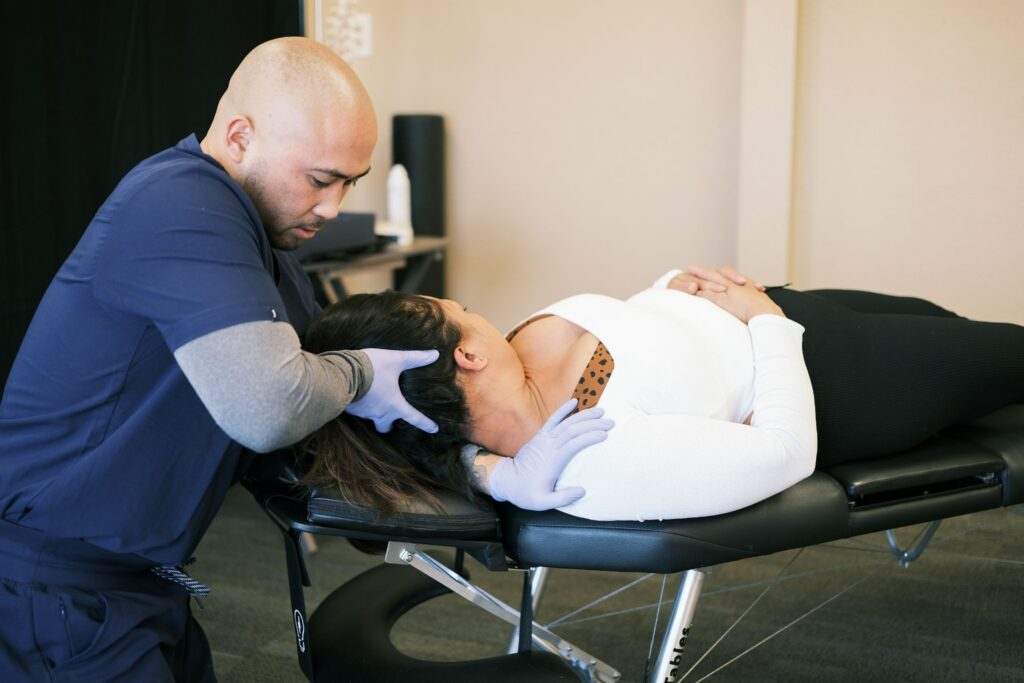

If you’re dealing with migraines and cervical pain, finding effective relief can be a journey. You may not realize just how connected these conditions are, and how certain strategies—especially chiropractic care—can lead to significant improvements. By exploring a variety of natural relief options, you can discover personalized methods that work for you.
Chiropractic care is a powerful tool for managing migraines and cervical pain. Through targeted spinal adjustments, a chiropractor can help restore proper alignment in your spine, which may alleviate tension and reduce the frequency and intensity of headaches. This holistic approach not only addresses the symptoms but also aims to tackle the underlying causes of your pain.
In addition to chiropractic adjustments, there are several simple strategies you can incorporate into your daily routine to enhance your well-being:
- Stay Hydrated: Drinking plenty of water can help prevent dehydration, a common trigger for migraines. Aim for at least eight glasses a day.
- Practice Good Posture: Maintaining proper posture while sitting or working can relieve pressure on your neck and spine. Be mindful of how you sit, especially if you spend long hours at a desk.
- Manage Stress: Stress is a known trigger for migraines. Incorporate relaxation techniques such as deep breathing, yoga, or meditation into your daily routine to help manage stress levels.
- Regular Exercise: Engaging in regular physical activity can help improve blood flow and reduce tension in the neck and shoulders, which may contribute to your migraines.
- Sleep Hygiene: Establishing a consistent sleep schedule and creating a restful sleep environment can improve the quality of your sleep, which is crucial for overall health and well-being.
- Ice or Heat Therapy: Applying ice packs or a warm compress to the neck can provide temporary relief from pain and tension.
By incorporating these tips and prioritizing chiropractic care, you can take proactive steps towards managing your migraines and cervical pain naturally. Remember, every person is unique, so it’s important to work closely with your chiropractor to develop a personalized plan that suits your specific needs. Together, you can regain control of your health and enjoy a better quality of life.
Key Takeaways
As a local chiropractor, I understand how debilitating migraines and cervical pain can be. One of the best ways to find relief is through regular chiropractic adjustments. These adjustments not only help realign the spine but also relieve neck tension, which can significantly reduce the frequency of migraines.
In addition to chiropractic care, incorporating gentle neck stretches into your daily routine can work wonders. Maintaining good posture is equally important, as it alleviates cervical pain and enhances comfort during migraine episodes. Remember to stay hydrated, aiming for at least eight 8-ounce glasses of water a day, as dehydration can be a common trigger for migraines.
Managing stress is another critical aspect of finding relief. Techniques such as deep breathing, yoga, and mindfulness can help reduce tension and lessen migraine triggers. These practices not only support your overall well-being but also work hand-in-hand with chiropractic care to improve your health.
Lastly, consider the benefits of complementary therapies like acupuncture and massage. These treatments can help relieve neck discomfort and promote relaxation, making them great additions to your chiropractic care plan.
By focusing on these natural strategies and prioritizing chiropractic adjustments, you can take significant steps toward achieving optimal health and wellness. Remember, your journey to pain relief and improved well-being starts with taking care of your spine!
Understanding Migraines and Cervical Pain
When you experience migraines, it’s important to understand that cervical pain can significantly impact your symptoms. The muscles and joints in your neck can become tense, adding to the discomfort you feel during a migraine attack. This tension often arises from poor posture, stress, or past injuries, and it can worsen the throbbing pain in your head.
Cervical pain can limit your movement, making it challenging to find a comfortable position when a migraine strikes. You may find that certain neck movements make your pain worse, or that lying down doesn’t bring the relief you’re looking for. By recognizing the connection between your migraines and neck discomfort, you can take steps to address both issues effectively.
Chiropractic care is an excellent option for managing both migraines and cervical pain. A chiropractor can help realign your spine, relieve tension in your neck, and improve your overall posture, which can lead to a significant reduction in migraine frequency and intensity.
In addition to chiropractic adjustments, here are some simple tips to help you manage cervical pain and migraines at home:
- Practice Good Posture: Be mindful of your posture while sitting, standing, and using your phone or computer. Keeping your neck aligned with your spine can help reduce tension.
- Gentle Stretching: Incorporate gentle neck stretches into your daily routine. Stretching can help relieve muscle tightness and improve your range of motion.
- Stay Hydrated: Dehydration can be a trigger for migraines, so make sure to drink plenty of water throughout the day.
- Use Heat or Cold Therapy: Applying a warm compress or an ice pack to your neck can provide relief from tension and soreness.
- Relaxation Techniques: Engage in relaxation practices such as deep breathing, meditation, or yoga, which can help reduce stress and tension in your body.
By prioritizing chiropractic care and these wellness strategies, you can work towards alleviating both cervical pain and migraines, leading to a healthier, more comfortable life.
If you’re struggling with these issues, consider scheduling a visit to your chiropractor to discuss a personalized treatment plan.
Identifying Triggers
To effectively manage your migraines, identifying triggers is crucial, and this is where chiropractic care can play a significant role. Many people find that certain foods, stress, and even issues related to the spine, such as cervical pain, can lead to migraine episodes. By recognizing these patterns, you can take proactive steps to minimize their impact on your life.
As a chiropractor, I encourage you to keep track of your symptoms and any potential triggers. This may include noting down what you eat, your stress levels, and any discomfort in your neck or back. By understanding how these factors interact, you can work towards alleviating your migraines naturally.
Chiropractic adjustments can help align your spine and relieve tension that may contribute to headaches. Regular chiropractic care not only targets the root causes of pain but also promotes overall wellness, helping your body function at its best.
In addition to chiropractic treatments, consider integrating relaxation techniques, such as deep breathing or gentle yoga, into your daily routine. Staying hydrated and maintaining a balanced diet can also contribute to reducing the frequency and intensity of migraines.
Common Migraine Triggers
Understanding common migraine triggers is crucial for managing your symptoms and enhancing your overall well-being. By identifying what might provoke your migraines, you can take proactive steps to avoid these triggers and promote a healthier lifestyle. Here are four common triggers to be aware of, along with tips on how chiropractic care can help:
1. Stress: High-stress levels can lead to tension headaches and migraines. Regular chiropractic adjustments can help reduce stress by improving spinal alignment, which may enhance your body’s ability to cope with stressors.
Incorporating relaxation techniques such as deep breathing or yoga can also complement your chiropractic care.
2. Diet: Certain foods, like aged cheese and processed meats, may trigger migraine attacks. Focusing on a balanced diet rich in whole foods can support your overall health.
Consider working with a nutritionist to help identify foods that may be sensitive for you. Chiropractic care can also aid digestion and overall wellness, promoting better dietary choices.
3. Sleep Patterns: Irregular sleep, whether too much or too little, can disrupt your routine and trigger migraines. Establishing a regular sleep schedule can greatly benefit your health.
Chiropractic care can help improve your sleep quality by relieving tension in your body and promoting relaxation, making it easier to achieve restorative sleep.
4. Weather Changes: Sudden shifts in weather, especially changes in barometric pressure, can provoke headaches. While you may not control the weather, maintaining a healthy lifestyle through regular chiropractic adjustments can help your body better adapt to environmental changes, potentially reducing the frequency of migraine attacks.
Incorporating these tips into your daily routine can empower you to manage your migraines more effectively.
Cervical Pain Associations
Cervical pain can often be linked to migraine episodes, highlighting the importance of understanding how these two conditions can influence one another. Poor posture, such as slouching at your desk, can create muscle tension in your neck, potentially triggering a migraine. It’s crucial to pay attention to your posture and make adjustments to promote better spinal alignment.
Stress is another common trigger; it can tighten your neck muscles, leading to discomfort that may escalate into a headache. Incorporating stress-reducing practices like deep breathing, meditation, or gentle stretching can be beneficial for both neck relief and migraine prevention.
Additionally, lack of sleep and dehydration can worsen cervical pain and increase your risk of migraines. Ensuring you get adequate rest and staying hydrated throughout the day can make a significant difference in your overall well-being.
Be mindful of your daily habits—frequent phone use or carrying heavy bags can strain your neck. Try using a hands-free device to reduce neck strain while talking on the phone, and consider using a backpack with supportive straps instead of a heavy shoulder bag.
As a chiropractor, I recommend regular adjustments to help maintain proper spinal alignment, which can alleviate cervical pain and reduce the frequency and severity of migraines.
By addressing these triggers and prioritizing your spinal health, you can take proactive steps toward managing your cervical discomfort and enhancing your overall quality of life.
Lifestyle Modifications
Making simple lifestyle changes can have a profound effect on your migraine management. As a chiropractor, I often see how our daily habits can influence our overall health, including the frequency and intensity of headaches. Staying hydrated, maintaining regular sleep patterns, and incorporating stress management techniques are all vital steps you can take to support your wellness journey.
Hydration is essential for optimal body function, including the health of your spine and nervous system. Aim to drink plenty of water throughout the day to help prevent dehydration, which can trigger headaches.
Establishing a consistent sleep routine is another key factor. Quality sleep allows your body to heal and rejuvenate, which is crucial for managing migraines. Try to go to bed and wake up at the same time each day, creating a calming bedtime ritual to help you wind down.
Additionally, stress can be a significant contributor to migraines. Incorporating stress management techniques, such as deep breathing exercises, yoga, or even regular chiropractic adjustments, can greatly aid in reducing tension and promoting relaxation.
Chiropractic care helps to align the spine, which can relieve pressure on nerves and improve overall function, making it a powerful tool in your migraine management plan.
By focusing on these lifestyle modifications and considering the benefits of chiropractic care, you can take proactive steps toward achieving optimal health and reducing the impact of migraines on your life.
Hydration and Nutrition
Staying properly hydrated is crucial for managing migraines, and as a chiropractor, I understand the importance of a holistic approach to health and wellness.
When it comes to hydration and nutrition, here are some effective strategies that complement chiropractic care for optimal wellness:
- Drink Water Regularly: Aim to drink at least eight 8-ounce glasses of water daily. Staying hydrated not only helps prevent migraines but also supports overall spinal health. Adjust your intake based on your activity level and the climate you’re in.
- Include Electrolytes: Natural sources like coconut water or electrolyte-rich foods, such as bananas and leafy greens, can help replenish essential minerals. These nutrients are vital for your body to function well, including maintaining nerve function and muscle health, which is important for your spine.
- Eat Balanced Meals: Focus on whole foods, particularly fruits and vegetables, which not only have high water content but also provide essential nutrients for your body. A balanced diet supports your overall health and can enhance the benefits of chiropractic adjustments.
- Limit Caffeine and Alcohol: Both caffeine and alcohol can lead to dehydration, so it’s wise to consume these in moderation. When you do indulge, make sure to balance it with plenty of water. Keeping your body hydrated will support your overall wellness and help you feel your best.
By integrating these hydration and nutrition strategies into your daily routine, you’re taking proactive steps towards better health.
Remember, chiropractic care can play a vital role in your wellness journey, offering natural pain relief and promoting a healthier lifestyle.
Stay hydrated and nourish your body for a happier, healthier you!
Regular Sleep Patterns
Establishing regular sleep patterns is crucial for managing migraines and promoting overall well-being. Quality sleep can significantly impact how you feel, and maintaining a consistent sleep schedule is key. Try to go to bed and wake up at the same time each day, even on weekends. This practice helps regulate your body’s internal clock, leading to deeper and more restorative sleep.
Creating a calming bedtime routine can also help you unwind. Consider activities that encourage relaxation, such as reading a book or doing gentle stretches. It’s important to limit exposure to screens and bright lights before bedtime, as they can interfere with your sleep cycle.
Your sleeping environment plays a vital role in your sleep quality, too. Make sure your room is dark, cool, and quiet to create the perfect setting for rest.
Incorporating chiropractic care into your wellness routine can also enhance your sleep quality. Regular adjustments can help alleviate tension and discomfort, potentially reducing the frequency and intensity of migraines.
Stress Management Techniques
While you may not be able to eliminate stress entirely, incorporating effective stress management techniques can significantly help in reducing the frequency and severity of migraines.
As a chiropractor committed to promoting natural healing and wellness, I encourage you to consider these strategies that can complement your chiropractic care for a healthier, more balanced life:
- Mindfulness Meditation: Take a few minutes each day to focus on your breath. This simple practice can help calm both your mind and body, enhancing your overall sense of well-being.
- Physical Activity: Regular exercise is a fantastic way to release endorphins and relieve tension. Whether it’s going for a brisk walk, practicing yoga, or even dancing, moving your body can contribute to reduced stress and improved spinal health.
- Deep Breathing Exercises: Incorporating deep, slow breathing into your daily routine can effectively lower stress levels and promote relaxation. This technique also encourages better oxygen flow, which is essential for your body’s overall function.
- Time Management: Feeling overwhelmed can contribute to stress and tension. By prioritizing tasks and setting realistic goals, you can create a more manageable routine that allows for rest and recovery, supporting your chiropractic adjustments.
By integrating these stress management techniques into your daily life, you can enhance the benefits of your chiropractic care and move closer to achieving optimal health.
Physical Therapy and Exercises
If you’re dealing with migraines, chiropractic care combined with targeted exercises can be a transformative approach to managing your pain. Chiropractors specialize in understanding how spinal alignment, muscle tension, and posture can contribute to discomfort. By focusing on these areas, we can help create a personalized plan tailored to your needs.
Regular chiropractic adjustments can relieve pressure on your nervous system, which may help reduce the frequency and intensity of your migraines. Alongside adjustments, specific exercises can enhance muscle flexibility and blood circulation, which can be beneficial for alleviating migraine symptoms. Simple neck stretches or gentle shoulder rolls can relieve tension, while core-strengthening exercises can improve your posture and support spinal health.
Incorporating relaxation techniques such as yoga or tai chi can also promote overall wellness and further reduce stress, which is often a trigger for migraines.
Remember, consistency is essential; making these practices a regular part of your daily routine can lead to noticeable improvements over time.
Taking an active role in your health empowers you to manage migraines more effectively. By choosing chiropractic care, you’re opting for a natural approach to wellness that focuses on healing from within, helping you achieve optimal health and an improved quality of life.
Medication Options
After exploring physical therapy and exercises, it’s essential to understand how chiropractic care can play a significant role in managing migraines naturally.
While medications may provide temporary relief, chiropractic adjustments can address the root causes of migraines and promote long-term wellness. Here are some ways chiropractic care can help:
- Spinal Adjustments: Misalignments in the spine can contribute to tension and headaches. Regular chiropractic adjustments help restore proper alignment, reducing stress on the nervous system and alleviating migraine symptoms.
- Muscle Relaxation Techniques: Chiropractors often incorporate techniques to relax tight muscles around the neck and shoulders, which can help ease tension headaches and migraines.
- Lifestyle and Ergonomics: A chiropractor can provide guidance on proper posture and ergonomic practices, which can reduce strain on the body and prevent migraines triggered by poor habits.
- Stress Management Strategies: Stress is a common trigger for migraines. Chiropractors can offer holistic strategies to manage stress, including relaxation techniques and lifestyle changes that promote overall well-being.
Always consult your chiropractor to discuss your specific needs and how chiropractic care can be tailored to help manage your migraines effectively.
Alternative Therapies
When seeking relief from migraines, it’s essential to consider natural approaches that can complement your well-being journey. Chiropractic care stands out as a leading option for addressing not only migraine pain but also the underlying factors contributing to it. By focusing on spinal health, chiropractors can help restore proper alignment, which plays a crucial role in reducing tension and improving overall body function.
In addition to chiropractic adjustments, incorporating techniques like acupuncture may provide further relief. This approach stimulates specific points in your body, which can enhance balance and reduce discomfort.
Herbal remedies, such as butterbur and feverfew, can also be beneficial for some individuals looking for natural options to decrease migraine occurrences. However, it’s essential to consult with your chiropractor or healthcare professional before trying new supplements.
Massage therapy is another effective method to alleviate tension in your neck and shoulders, which can often trigger migraines. Regular sessions can help keep your muscles relaxed and promote better posture, reducing the likelihood of headaches.
Yoga is a fantastic practice to consider as well. Its emphasis on stretching and controlled breathing can lead to increased relaxation and improved spinal health, ultimately lowering the chances of migraines.
Lastly, biofeedback is a technique that teaches you how to control certain physiological functions, empowering you to manage pain more effectively. This method can be particularly useful when combined with chiropractic care.
Stress Management Techniques
While you may not always be able to control the triggers of your migraines, effectively managing stress can significantly reduce their frequency and intensity.
As a chiropractor, I believe in the power of natural healing and holistic approaches. Here are four stress management techniques you can incorporate into your daily routine to promote wellness and support your overall health:
- Deep Breathing: Spend a few moments each day focusing on your breath. Inhale deeply through your nose, hold for a moment, then exhale slowly through your mouth. This practice not only calms your mind but also helps alleviate tension in your body, which can be beneficial for spinal health.
- Mindfulness Meditation: Set aside some quiet time to practice mindfulness. Sit comfortably, focus on your thoughts, and gently bring your attention back to the present moment. This technique enhances your awareness of stressors, making it easier to manage them without letting them affect your health.
- Regular Exercise: Engage in physical activities that you enjoy, such as walking, yoga, or dancing. Regular exercise isn’t only great for your body but also releases endorphins—your body’s natural mood lifters. This can help relieve tension and promote a healthier spine.
- Connect with Others: Reach out to friends or family members. Sharing your feelings can provide much-needed support and lighten your emotional load. Strong social connections are essential for your emotional well-being and can complement the benefits of chiropractic care.
By incorporating these techniques into your life, you can enhance your stress management, improve your overall wellness, and support your journey towards optimal health.
When to Seek Professional Help
Managing stress is crucial in reducing the occurrence of migraines, but sometimes you might need a little extra support. If you’re experiencing frequent, severe migraines that interfere with your daily activities, it’s important to seek professional help. Don’t wait until the pain becomes unbearable; addressing the issue early can help prevent further complications.
If over-the-counter medications aren’t providing the relief you need, consider reaching out to a chiropractor. Chiropractic care focuses on the spine and nervous system, and many patients find that adjustments can significantly reduce their migraine frequency and intensity.
Additionally, if you notice any new symptoms like changes in vision, weakness, or difficulty speaking, it’s essential to seek immediate medical attention, as these could indicate a more serious condition.
If you’re also dealing with cervical pain that doesn’t improve with self-care, a chiropractor can provide specialized treatments to help. Techniques such as spinal adjustments, soft tissue therapy, and personalized wellness plans can effectively alleviate pain and promote healing.
Remember, you don’t have to endure pain alone. Seeking chiropractic care can lead to better management of your migraines and cervical pain, ultimately enhancing your overall quality of life.
Focus on maintaining a healthy lifestyle through regular exercise, proper hydration, and stress-reduction techniques like mindfulness or yoga. Taking these steps alongside chiropractic care can set you on the path to optimal health and wellness.
Conclusion
If you’re struggling with migraines and cervical pain, incorporating chiropractic care into your wellness routine can significantly enhance your quality of life. Understanding your triggers is essential, and a chiropractor can help you identify these while also providing tailored adjustments to improve your spinal health.
Making healthy lifestyle changes, such as maintaining good posture and staying hydrated, plays a crucial role in managing pain. Regular chiropractic adjustments can not only alleviate existing discomfort but also prevent future episodes by ensuring your spine is aligned and functioning properly.
Don’t overlook the benefits of stress management; techniques like deep breathing and gentle stretching can complement your chiropractic care. Remember, if your symptoms are persistent, consulting with a chiropractor is a smart and effective choice to explore natural healing methods.
Take charge of your health today and discover how chiropractic care can lead you toward a more comfortable, pain-free life. Embrace these strategies, and you’ll be on your way to achieving optimal wellness!