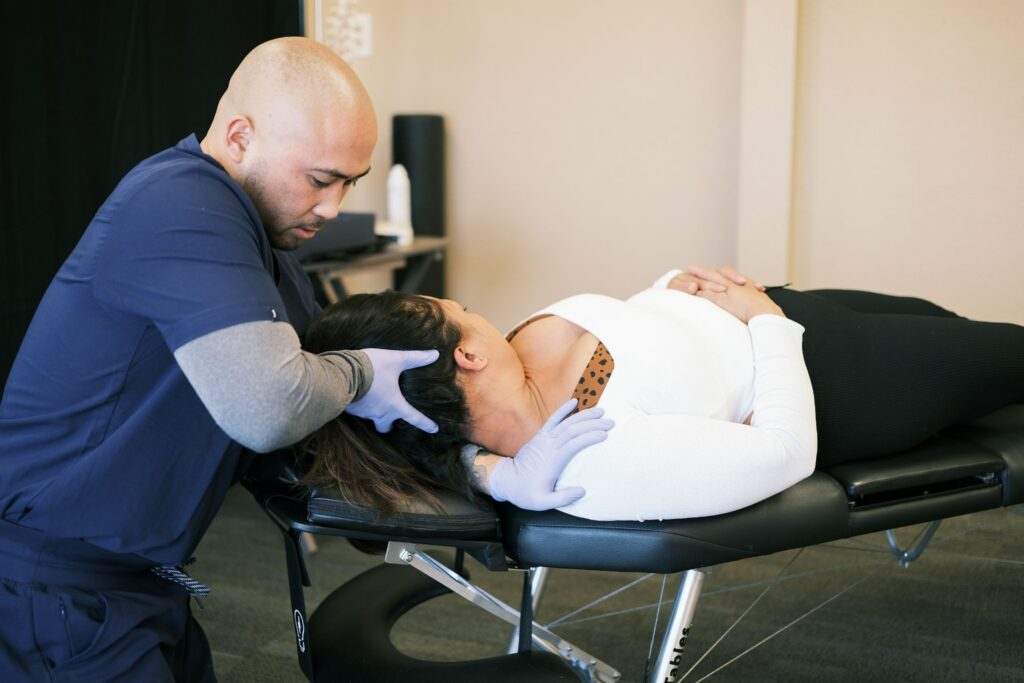

As a local chiropractor dedicated to helping patients manage chronic migraines, I want to share with you a holistic approach that can significantly improve your quality of life. Managing migraines effectively often requires a combination of lifestyle changes, dietary adjustments, and alternative therapies, which can include chiropractic care.
It's essential to identify your specific migraine triggers—these could be related to stress, posture, or even certain foods. By developing a routine that not only addresses these triggers but also promotes your overall well-being, we can work together towards a more effective relief strategy.
In chiropractic care, we focus on the alignment of the spine and how it impacts your nervous system, which plays a crucial role in headache management. By incorporating gentle adjustments and other natural healing techniques, we aim to reduce tension and improve your body's function. Understanding these strategies and their benefits can truly make a difference in your journey toward finding relief from chronic migraines. Let's explore how we can create a personalized management plan that suits your needs.
Understanding Chronic Migraines
As a local chiropractor, I want to shed light on chronic migraines, which can be far more than just frequent headaches. They're often debilitating episodes that can significantly disrupt your daily life. If you've ever had one, you likely understand the feeling of helplessness and frustration that accompanies it.
Chronic migraines typically occur 15 or more days a month and can last from a few hours to several days. They often bring intense pain, nausea, and heightened sensitivity to light and sound, making even the simplest daily tasks feel overwhelming.
Understanding your migraine triggers is crucial for effective management. Common triggers may include stress, hormonal fluctuations, certain dietary choices, and various environmental factors. I often recommend keeping a migraine diary to help pinpoint these triggers. By tracking when your migraines occur alongside your activities and meals, you can begin to identify patterns that are specific to you.
In some cases, chronic migraines may also be accompanied by aura, which consists of visual or sensory disturbances that signal an oncoming episode. You might experience flashes of light or tingling sensations. Recognizing these early signs can empower you to prepare for the migraine or seek treatment sooner.
It's also important to acknowledge that chronic migraines can affect not only your physical health but also your mental well-being. Conditions such as anxiety and depression frequently coexist with chronic pain.
As your chiropractor, I encourage you to seek support from healthcare professionals and consider joining support groups, as these can be invaluable in managing your condition.
Lifestyle Modifications
As a local chiropractor, I want to share some simple lifestyle modifications that can significantly reduce the frequency and intensity of your migraines, leveraging natural healing methods. One of the first things to focus on is your sleep patterns. It's essential to establish a consistent sleep schedule by going to bed and waking up at the same time every day. Quality sleep not only helps your body recover but can also minimize migraine triggers, allowing you to wake up feeling rejuvenated.
Next, let's talk about managing stress, which is a common trigger for migraines. Incorporating relaxation techniques into your daily routine can be incredibly beneficial. Practices such as deep breathing, yoga, or meditation can help alleviate stress levels. Even taking short breaks during your day can reduce tension and help prevent migraines from occurring.
Staying hydrated is another crucial aspect. Dehydration is a well-known migraine trigger, so make it a habit to drink water regularly throughout the day. If you're active or in a warm environment, it's especially important to keep a water bottle handy to remind yourself to stay hydrated.
Regular physical activity is also advantageous for migraine management. Engaging in moderate exercise can help decrease the frequency of migraines. Find activities that you enjoy, like walking, swimming, or cycling, and aim to include them in your weekly routine. This not only promotes physical health but also contributes to overall well-being.
Lastly, it's important to identify and manage your specific migraine triggers. I recommend keeping a migraine diary to track occurrences along with potential triggers. This practice can help you recognize patterns and avoid situations that may provoke an attack, empowering you to take charge of your health.
Incorporating these lifestyle modifications can enhance your quality of life and support your journey towards natural healing. If you have questions or want personalized guidance, feel free to reach out during your next visit!
Dietary Adjustments
As a local chiropractor, I want to emphasize the importance of dietary choices in managing chronic migraines. Your diet can significantly influence both the frequency and intensity of your migraine episodes.
It's crucial to identify and steer clear of foods that may trigger your migraines. Additionally, staying properly hydrated and ensuring you receive a well-rounded intake of essential nutrients can contribute to overall well-being.
By making these dietary adjustments, you may experience notable improvements in your migraine symptoms. Remember, natural healing encompasses not just spinal adjustments but also lifestyle changes, including nutrition.
Let's work together to create a holistic approach to your health!
Trigger Foods to Avoid
As a local chiropractor dedicated to natural healing and overall wellness, I want to emphasize the importance of identifying trigger foods for effectively managing migraine discomfort. Many people may not realize that certain foods can exacerbate migraines, making it crucial to pay attention to your diet. Common offenders include aged cheeses, processed meats, and items containing MSG. I recommend considering the elimination of these foods from your meals and snacks to see if you notice a decrease in the frequency and severity of your headaches.
It's also wise to be mindful of foods high in tyramine, such as fermented products and pickled items. Alcohol, especially red wine, is known to trigger migraines in many individuals, so moderation is key. Additionally, be cautious with artificial sweeteners, as they've been linked to headaches for some people.
A valuable strategy I encourage is maintaining a food diary. By tracking your meals and the timing of your migraines, you can identify patterns and specific triggers that may be affecting you. This proactive approach not only allows you to take charge of your diet but also enhances your overall well-being.
Keep in mind that triggers can vary from person to person, so it's essential to discover what specifically impacts you. Making these dietary adjustments can lead to significant relief from chronic migraines, enabling you to enjoy life more fully.
As your chiropractor, I'm here to support you on your journey to wellness through natural methods that complement your dietary changes.
Hydration Importance
As a local chiropractor dedicated to promoting natural healing and overall wellness, I want to emphasize the vital role that proper hydration plays, especially for managing chronic migraines. Many people may not realize that dehydration can trigger headaches, including migraines. By ensuring you stay well-hydrated, you can significantly lessen the frequency and severity of these painful episodes.
Here are some important points to consider regarding hydration:
- Water Intake: Strive for at least 8 cups (64 ounces) of water each day. However, you should tailor this amount to your personal activity level and the climate you live in.
- Electrolytes Matter: It's crucial to replenish electrolytes, particularly if you engage in activities that cause you to sweat. Drinks like coconut water or electrolyte-rich beverages can be beneficial.
- Limit Caffeine: While moderate caffeine intake may provide relief for some, excessive caffeine consumption can lead to dehydration and might trigger migraines.
- Monitor Symptoms: Keep a journal of your fluid intake and how it correlates with your migraine patterns. You may discover a direct connection that can help you manage your symptoms better.
- Hydration Foods: Don't forget about the power of hydrating foods! Incorporate fruits and vegetables that are high in water content, such as cucumbers and watermelon, to enhance your hydration levels.
By understanding and implementing proper hydration strategies, you can support your body's natural healing processes and potentially reduce the impact of chronic migraines.
If you have any questions or need personalized advice, feel free to reach out during your next visit!
Balanced Nutrient Intake
As a local chiropractor dedicated to holistic health, I want to emphasize the importance of proper hydration and balanced nutrient intake in managing chronic migraines. Your diet plays a crucial role in how your body responds to these painful episodes.
I encourage you to focus on incorporating a variety of whole foods that are rich in essential vitamins and minerals. Leafy greens, fresh fruits, whole grains, and lean proteins should be staples in your meals. Not only do these foods nourish your body, but they can also help reduce inflammation and stabilize your blood sugar levels, both of which are vital for migraine prevention.
It's equally important to be mindful of foods that may trigger your migraines. Common culprits include aged cheeses, processed meats, and artificial sweeteners, which can potentially worsen your symptoms.
I recommend keeping a food diary to help you track how different foods affect you personally, allowing you to make informed choices that support your well-being.
Moreover, consider adding magnesium-rich foods to your diet, such as nuts, seeds, and legumes. Research has shown that magnesium may help decrease the frequency of migraines.
Don't forget about the benefits of omega-3 fatty acids; incorporating fatty fish, flaxseeds, and walnuts into your meals can also be advantageous.
In our chiropractic practice, we believe that a holistic approach—combining proper nutrition with spinal health—can significantly improve your quality of life.
Let's work together to find the best strategies for your health journey!
Medical Treatments
As a local Chiropractor, I want to share some insights on managing chronic migraines through natural healing methods. Many people may not be familiar with how chiropractic care can play a crucial role in this process.
We offer a variety of approaches, including adjustments and preventative treatments, that can provide significant relief from migraine symptoms. Chiropractic care focuses on the alignment of the spine and nervous system, which can often alleviate tension and improve overall function.
Additionally, we can explore alternative therapies that complement our treatments, such as lifestyle changes and stress management techniques. By understanding these options, you can find a holistic approach to managing your migraines and enhancing your quality of life.
Let's work together to discover the best strategies for your healing journey!
Prescription Medications Overview
As a local chiropractor dedicated to your overall well-being, I want to share some important insights about managing chronic migraines, which can be quite debilitating.
While many people turn to prescription medications, there are also natural approaches that can effectively alleviate pain and reduce the frequency of migraine attacks.
Understanding the different categories of treatments can help you make informed decisions about your care. Here's a brief overview of some common medication types that are often discussed, but please remember that there are natural alternatives available.
- Triptans: These medications are frequently used for acute pain relief during a migraine attack by targeting serotonin receptors. However, we can explore natural methods to balance serotonin levels through lifestyle changes and holistic therapies.
- NSAIDs: Non-steroidal anti-inflammatory drugs can help with pain and inflammation, but chiropractic adjustments and techniques may provide similar relief without the need for medication.
- Ergots: While these can be effective for some during an attack, we can look into other natural remedies that might work for you.
- Opioids: Typically considered a last resort, opioids can have significant side effects. I often encourage patients to consider natural pain management strategies that can be safer and more sustainable.
- Anti-nausea medications: Nausea often accompanies migraines, but there are natural methods, such as dietary adjustments and certain herbal remedies, that can help manage this symptom.
Before starting any new treatment, whether it be medication or a natural approach, it's important to have a conversation about your symptoms and health history.
As a chiropractor, I can help guide you through various options, including spinal adjustments, lifestyle changes, and exercises that may greatly improve your quality of life without relying solely on prescriptions.
Let's work together to find a holistic approach that suits you best!
Preventative Treatment Options
As a local chiropractor, I want to share some insights on managing chronic migraines through preventative treatments that focus on natural healing and overall wellness. Many people may not realize that there are various approaches to reducing the frequency and intensity of migraine attacks that don't solely rely on medication.
One effective strategy is to explore lifestyle changes and holistic therapies that can support your body's natural ability to heal. For instance, chiropractic adjustments can help improve spinal alignment, which may alleviate tension and pressure that contribute to migraines. Regular adjustments can also enhance nervous system function, potentially leading to fewer headaches.
In addition to chiropractic care, consider incorporating stress management techniques such as yoga, meditation, or deep-breathing exercises. These practices can help reduce overall stress levels, which is often a significant trigger for migraines.
Maintaining proper hydration and a balanced diet rich in essential nutrients can also play a crucial role in preventing migraines. If you're open to exploring dietary supplements, magnesium and riboflavin (Vitamin B2) have been shown to be beneficial for some individuals in reducing migraine frequency.
Furthermore, acupuncture is a natural therapy that might offer relief by targeting specific points in the body to promote relaxation and balance. While pharmaceutical options like beta-blockers, antidepressants, and anticonvulsants are often prescribed, it's essential to consider a comprehensive approach that includes natural therapies.
Working closely with a healthcare provider who appreciates the value of chiropractic care and holistic treatments can help you identify the best strategies tailored to your unique needs.
#
Alternative Therapies
Considerations
As you consider alternative therapies for managing chronic migraines, let's explore how chiropractic care and other holistic approaches can complement your journey toward relief.
While lifestyle adjustments and natural remedies are valuable, integrating specific medical treatments can enhance your overall wellness.
Here are some alternative medical options you might find beneficial:
- Acupuncture: This ancient technique involves stimulating specific points on the body, which may help alleviate the frequency and intensity of migraines. Many patients have reported significant improvements through this practice.
- Botox Injections: If you're struggling with chronic migraines, Botox has been approved as a treatment option. It works by relaxing the muscles and preventing the onset of migraines, offering another layer of relief.
- Cognitive Behavioral Therapy (CBT): CBT can be a powerful tool in your pain management arsenal. By learning effective coping strategies and stress management techniques, you may be able to identify and reduce your migraine triggers.
- Biofeedback: This innovative technique teaches you to gain control over certain physiological functions. By promoting relaxation and awareness, biofeedback can empower you to manage pain more effectively.
- Nutritional Supplements: Incorporating certain vitamins and minerals, such as magnesium and riboflavin, into your diet has been shown to help lower the frequency of migraines. Discussing these options with a healthcare professional can help you find the right balance.
As a chiropractor, my goal is to support your health through natural healing methods.
## Alternative Therapies
As a local chiropractor, I understand that many individuals suffering from chronic migraines often seek relief beyond traditional treatments. It's essential to explore alternative therapies that can complement your existing care or even serve as effective replacements.
One approach we frequently recommend is acupuncture. This technique involves the insertion of thin needles into specific points on your body, which many patients report helps reduce the frequency and intensity of their migraines.
Another area to consider is the use of herbal supplements. Two herbs, feverfew and butterbur, have shown promising results in clinical studies for preventing migraines. However, it's crucial to consult with your healthcare provider before starting an herbal regimen to ensure it's safe and won't interact with any medications you're currently taking.
Biofeedback is also a valuable technique we offer, which teaches you to control certain physiological functions through relaxation and awareness. By gaining insight into how your body responds to stressors and pain, you can learn to manage your migraines more effectively.
Massage therapy is yet another tool in our holistic toolbox. Regular massage sessions help alleviate muscle tension and promote relaxation, potentially leading to fewer migraine occurrences.
Additionally, making dietary changes can significantly impact your migraine triggers. Keeping a food diary can help you identify what may be contributing to your headaches, allowing you to make informed adjustments to your diet.
While alternative therapies may not be a universal solution for everyone, they can provide meaningful support on your journey to managing chronic migraines.
As always, I encourage you to consult with your healthcare provider before making any significant changes to your treatment plan. Together, we can find the most effective strategies to help you find relief.
Stress Management Techniques
As a local chiropractor dedicated to helping my patients achieve optimal health, I want to share how effectively managing stress can play a vital role in alleviating chronic migraines.
It's fascinating to recognize that stress often lies at the heart of these painful episodes, which is why integrating stress-reducing practices into your daily life is crucial for relief.
Here are several techniques that I recommend exploring:
- Mindfulness Meditation: Taking just a few minutes each day to focus on your breath and observe your thoughts without judgment can significantly enhance your awareness of stress triggers. This practice fosters a sense of calm that your body will thank you for.
- Deep Breathing Exercises: A simple yet powerful technique—inhale deeply through your nose, then exhale slowly through your mouth. This practice can help lower your heart rate and usher in relaxation, counteracting stress's negative effects.
- Regular Physical Activity: Engage in activities that bring you joy, whether it's a leisurely walk, yoga, or dancing around your living room. Exercise is a natural stress reliever, as it releases endorphins that elevate your mood and diminish stress levels.
- Progressive Muscle Relaxation: This technique involves tensing and relaxing different muscle groups in your body one at a time. It's highly effective in alleviating physical tension and fostering a deep sense of relaxation.
- Time Management: By organizing your tasks and setting realistic goals, you can mitigate feelings of overwhelm. Effective time management contributes to a balanced lifestyle, which can be incredibly beneficial in reducing stress.
Incorporating these stress management strategies into your daily routine can empower you to take control of your migraines.
Remember, consistency is essential; the more regularly you practice these techniques, the more effective they'll be in managing stress and reducing the frequency and intensity of migraine episodes.
As always, I'm here to support you on your journey to health and wellness through chiropractic care and natural healing methods.
If you have any questions or need guidance on how to incorporate these practices into your life, don't hesitate to reach out!
Keeping a Migraine Diary
As a local chiropractor, I want to emphasize the importance of keeping a migraine diary as part of your journey towards understanding and managing your headaches naturally. Documenting your migraines can provide crucial insights into triggers, patterns, and effective treatments.
Begin by recording the date and time of each migraine. This will help you notice how frequently they occur and if there are specific times during the day or week when they tend to arise.
Next, pay attention to the symptoms you experience during a migraine. Note the intensity of the pain, its location, and any accompanying symptoms such as nausea or light sensitivity. This detailed information can assist us in determining whether your migraines are consistent or if there are variations that might require special attention.
It's also essential to jot down what you were doing before the migraine started. Did you eat something out of the ordinary? Did you skip meals, or were you under stress? Identifying these factors could uncover potential triggers that we can work on together.
Be sure to keep a record of any medications or treatments you've tried, from over-the-counter pain relievers to alternative therapies like chiropractic adjustments or acupuncture. This will provide us with valuable information about what's been effective and what hasn't.
Lastly, consider incorporating lifestyle factors such as your sleep patterns, hydration, and exercise routines into your diary. Over time, you may begin to see trends that can inform your management strategies.
Conclusion
As a local chiropractor dedicated to helping those who suffer from chronic migraines, I want to share some effective relief strategies that can significantly enhance your quality of life. Chiropractic care focuses on natural healing and making lifestyle adjustments that can help alleviate your migraine symptoms.
First, consider modifying your daily habits and diet. Certain foods may trigger migraines, and by identifying these through a process of elimination, you can create a diet that supports your health. Additionally, regular chiropractic adjustments can help align your spine and improve your overall nervous system function, which may reduce the frequency and intensity of your migraines.
Stress management is another essential component. Techniques such as deep breathing exercises, yoga, and mindfulness can be beneficial. Keeping a migraine diary is also a valuable tool; it allows you to track your symptoms, patterns, and potential triggers, which can be useful information for your treatment plan.
I encourage you to work closely with me and your healthcare provider to develop a personalized approach that incorporates these strategies. Together, we can create a plan that empowers you to take control of your migraines and improve your overall well-being through natural and holistic methods.