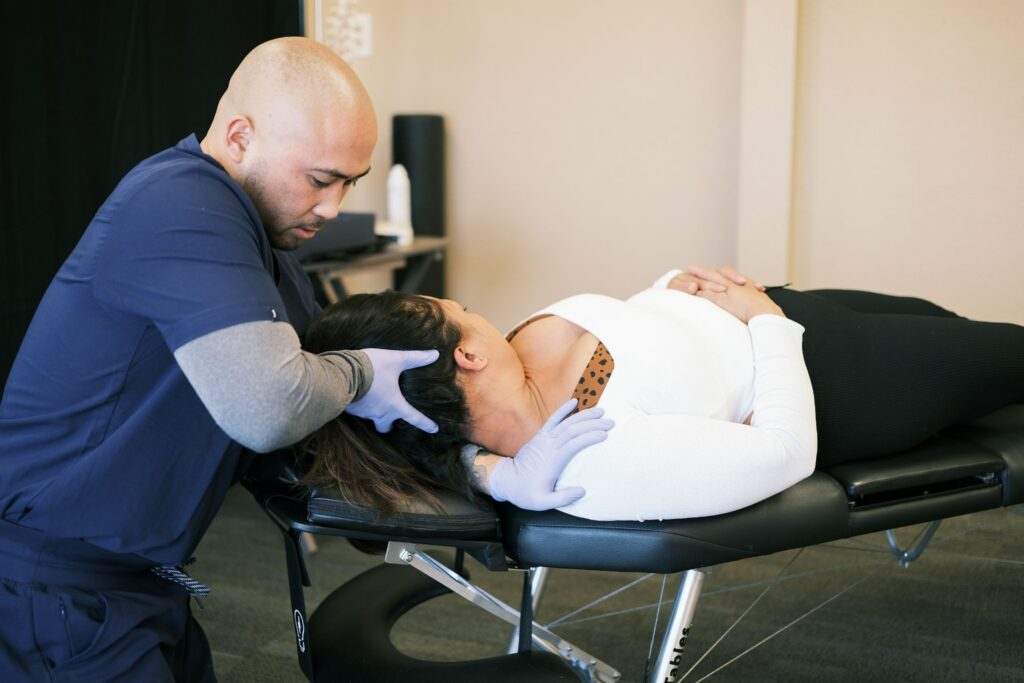

As your local chiropractor, I want to emphasize the importance of incorporating the right exercises into your routine to prevent back pain effectively. Many people believe that simply lifting weights or stretching is enough, but there’s so much more to it. Key elements like core stability, flexibility, and maintaining proper posture are crucial for a healthy spine and overall well-being.
To support your spine and reduce the risk of discomfort, I recommend focusing on specific exercises that strengthen your core muscles, enhance flexibility, and promote good posture. These exercises can be easily integrated into your daily life, whether at home or in a gym setting.
Let’s delve deeper into the types of exercises that can benefit your back. By understanding and practicing these movements, you can take proactive steps toward a healthier back and a more active lifestyle. Remember, a strong foundation is essential for a pain-free life, and I’m here to guide you on that journey.
Understanding the Importance of Back Strengthening Exercises
As a local chiropractor, I want to emphasize just how vital it’s to strengthen your back for your overall health and to prevent injuries. Many people don’t realize that a strong back plays a crucial role in supporting your spine, improving your posture, and enhancing your daily life activities.
When you participate in back strengthening exercises, you’re not just building muscle; you’re also increasing your endurance, which makes everyday tasks—like lifting or sitting for extended periods—much more comfortable.
Integrating these exercises into your routine can significantly decrease your risk of experiencing back pain or injuries. Strong back muscles are key to stabilizing your core, which is essential for maintaining balance and avoiding falls.
Additionally, a well-conditioned back can enhance your athletic performance and improve your overall mobility.
As someone who focuses on chiropractic care and natural healing, I encourage you to prioritize back strengthening exercises as part of your wellness journey. Your back is your foundation; taking care of it will lead to a healthier and more active life.
The Role of Flexibility in Back Health
As a local chiropractor, I want to emphasize that building a strong back is just one piece of the puzzle when it comes to overall back health. Flexibility is equally important. When your muscles and joints are flexible, they can move more freely, which helps reduce strain on your spine. Conversely, tight muscles can create imbalances that lead to discomfort and increase your risk of injury.
Incorporating flexibility exercises into your daily routine is essential for maintaining a healthy range of motion. By stretching the muscles in your back, hips, and legs, you can’t only improve your posture but also alleviate tension that could contribute to pain.
Activities like yoga and Pilates are excellent choices for enhancing flexibility while promoting relaxation and well-being.
It’s crucial to listen to your body during these stretches. Avoid pushing into pain and instead focus on gentle movements that feel good for you. Consistency is key—dedicating just a few minutes each day to flexibility exercises can lead to significant improvements in your back health.
Core Stability Exercises
As a local chiropractor, I want to emphasize the importance of core strength in preventing back pain. When your core muscles are properly engaged and stable, they play a crucial role in supporting your spine and enhancing your posture.
Many of my patients are surprised to learn that a strong core can significantly reduce the risk of back issues. Let’s take a look at some effective core stability exercises that can truly make a difference in your overall health and well-being.
Importance of Core Strength
As a local chiropractor, I want to emphasize the significant role that core strength plays in maintaining your overall back health. Your core muscles are crucial for stabilizing your spine and pelvis during everyday activities. When these muscles are strong, you’re less likely to experience strain or injury, which is especially important if you want to avoid unnecessary visits to my office.
Here are three key benefits of having a strong core that I want you to understand:
- Improved Posture: A robust core provides support for your spine, helping you maintain proper alignment. This is vital for reducing the risk of back pain, which can often be alleviated through natural methods like chiropractic adjustments combined with core strengthening exercises.
- Enhanced Balance: Strong core muscles contribute significantly to better balance, which is essential for preventing falls and related injuries, especially as we age. By focusing on building your core strength, you can enhance your stability in daily activities.
- Increased Stability: A stable core facilitates more efficient movement, making physical activities easier and reducing the chances of overexertion. This stability not only supports your spine but also enhances your overall physical performance.
Effective Core Stability Moves
Strengthening your core is essential for overall health, and it’s a key focus in chiropractic care. This doesn’t occur by coincidence; it requires specific exercises aimed at enhancing stability and support for your spine.
One of the foundational exercises I recommend is the plank. To perform this, position yourself face down, supporting your body weight on your forearms and toes while maintaining a straight line from head to heels. Start by holding this position for 30 seconds, gradually increasing the duration as your strength improves.
Another beneficial exercise is the bridge. Lie down on your back with your knees bent, then lift your hips toward the ceiling. Hold this position for a few seconds before lowering back down. This movement not only strengthens your core but also engages your glutes and lower back, providing comprehensive support for your spine.
Side planks are another great option. Balance on one forearm and the side of your foot, ensuring that your body remains straight. This exercise effectively targets the oblique muscles, which play a crucial role in spinal stability.
Lastly, I encourage you to try bird-dogs. While on your hands and knees, extend one arm forward while simultaneously extending the opposite leg behind you. Hold briefly before switching sides. This exercise promotes coordination and balance, which are vital for a healthy spine.
Incorporating these core stability moves into your routine can significantly enhance your overall strength and stability, helping to alleviate back pain and support your chiropractic treatment.
Stretching Techniques for Back Relief
As a local chiropractor dedicated to helping you achieve optimal health, I want to emphasize the importance of incorporating effective stretching techniques into your daily routine.
These stretches can significantly alleviate back pain and enhance your overall flexibility, making everyday activities much more manageable. Here are three essential stretches I recommend:
- Child’s Pose: Begin by kneeling on the floor, sitting back on your heels. Extend your arms forward while gently lowering your torso. This position not only elongates your spine but also helps to relax tight back muscles, providing a soothing stretch.
- Cat-Cow Stretch: Start in a tabletop position on all fours. As you inhale, arch your back and lift your head and tailbone up (this is the cow position). Then, as you exhale, round your spine and tuck your chin (the cat position). This dynamic movement is excellent for increasing spinal flexibility and relieving built-up tension.
- Seated Forward Bend: Sit comfortably with your legs extended in front of you. Inhale deeply and reach your arms overhead, then exhale as you bend forward, aiming to touch your toes. This stretch effectively targets your hamstrings and lower back, promoting relaxation and flexibility.
By integrating these stretches into your daily routine, you may experience remarkable improvements in your back health.
Strengthening the Lower Back
As a local chiropractor, I want to emphasize the importance of strengthening your lower back to support your spine and overall well-being. A resilient lower back can significantly reduce the risk of pain and injury, and I encourage you to incorporate specific exercises into your routine.
Begin with bridges. To perform this exercise, lie on your back with your knees bent and feet flat on the floor. Gently lift your hips until your body forms a straight line from your shoulders to your knees. Hold this position for a few seconds before lowering back down. This simple movement helps strengthen the muscles that support your spine.
Another effective exercise is the bird-dog. Start on all fours, and then extend one arm and the opposite leg simultaneously. This exercise not only strengthens your lower back but also improves stability and coordination. Remember to switch sides to maintain balance.
I also recommend trying supermans. Lie face down on the floor and lift both your arms and legs off the ground, mimicking the posture of Superman in flight. This exercise engages your lower back muscles and helps build strength.
Lastly, don’t forget about planks. Holding a plank position engages your entire core, including your lower back. Make sure your body remains straight from head to heels as you hold the position. Start with 20-30 seconds, and as you gain strength, gradually increase your time.
Incorporating these exercises into your routine can greatly enhance your lower back strength. If you have any questions or need guidance, feel free to reach out.
Natural healing and maintaining a healthy spine are key components of overall wellness, and I’m here to support you on your journey.
Exercises to Improve Posture
As a local chiropractor, I want to emphasize the importance of maintaining good posture for your overall health. One effective way to enhance your posture is by engaging in core-strengthening exercises that provide support to your spine. These exercises help to stabilize your body and improve your alignment.
In addition to strengthening your core, incorporating stretching techniques into your routine can greatly increase your flexibility. Greater flexibility allows for easier adjustments to your posture, making it more natural to maintain proper alignment throughout your daily activities.
I also encourage you to develop a habit of posture awareness. By consciously paying attention to your posture during various activities—whether you’re sitting at a desk, standing, or walking—you can make necessary adjustments that promote better spinal health.
Small changes can lead to significant improvements in how you feel and function. Remember, taking care of your posture is an essential part of your overall wellness journey!
Core Strengthening Activities
As a local chiropractor, I want to emphasize the importance of having a strong core for your overall health and well-being. A strong core is vital not only for maintaining good posture but also for preventing back pain, which is a common issue I see in practice.
By engaging in core strengthening activities, you can improve your stability and provide better support for your spine. Let me share three effective exercises that can help you build core strength:
- Plank: This exercise is fundamental for core stability. Begin by holding a plank position for about 20-30 seconds, ensuring that your entire core is engaged. As you become more comfortable, you can gradually increase the duration. This simple move can make a big impact on your posture.
- Bird-Dog: Start on all fours, and then extend one arm forward while simultaneously extending the opposite leg back. Hold this position for a few seconds before switching sides. This exercise not only strengthens your core but also enhances your balance and coordination, which are essential for maintaining a healthy spine.
- Russian Twists: Sit on the floor with your knees bent, lean back slightly, and twist your torso from side to side while holding a weight or medicine ball. This exercise primarily targets your obliques and helps to stabilize your core, contributing to a stronger foundation for your spine.
Incorporating these exercises into your daily routine can lead to significant improvements in your posture and overall back health.
As your chiropractor, I’m here to guide you on your journey to natural healing and wellness, helping you understand the benefits of a strong core for your body.
Stretching Techniques for Flexibility
As a local chiropractor, I want to emphasize that building core strength is just one aspect of maintaining a healthy back. Equally important are stretching techniques that enhance flexibility and improve your posture.
I recommend incorporating dynamic stretches, such as arm circles and leg swings, into your warm-up routine before any physical activity. These movements help prepare your body for exercise and reduce the risk of injury.
After your workouts, it’s crucial to focus on static stretches to ease tension in your back. Simple stretches like the cat-cow stretch and child’s pose can effectively relieve discomfort and promote relaxation. Additionally, a seated forward bend is excellent for lengthening your spine and boosting overall flexibility.
Don’t overlook your hip flexors and hamstrings; tightness in these areas can contribute to poor posture and back pain. I encourage you to dedicate at least 10 minutes each day to stretching.
With consistent practice, you’ll likely notice a remarkable improvement in your posture and overall back health. Remember, incorporating these techniques into your routine is a natural and effective way to support your body’s well-being.
Daily Posture Awareness Tips
As a local chiropractor, I often see patients who unknowingly struggle with poor posture, especially while sitting at their desks or hunching over their phones.
It’s common to lose awareness of posture throughout the day, but with a few simple strategies, you can significantly improve your spinal health. Here are three tips I recommend to help you stay mindful of your posture:
1. Set Reminders: I encourage you to utilize your phone or computer to set hourly reminders.
Take a moment to stand up, stretch, or adjust your seating position. Regular breaks can make a big difference in how your body feels throughout the day.
2. Engage Your Core: It’s important to activate your core muscles while sitting or standing.
This practice not only supports your spine but also promotes a more aligned posture. Strong core muscles can help alleviate strain on your back and neck.
3. Adjust Your Workspace: Ensure that your workspace is ergonomically designed for your comfort.
Your computer screen should be at eye level, and your feet should rest flat on the ground. This setup can help you maintain proper posture and reduce the risk of discomfort or injury.
By incorporating these tips into your daily routine, you can take proactive steps toward keeping back pain at bay and enhancing your overall well-being!
Activities to Enhance Hip Flexibility
As a local chiropractor, I want to emphasize the often-overlooked significance of hip flexibility in maintaining a healthy back. Many individuals may not realize that incorporating specific activities into their daily routine can significantly reduce the risk of back pain.
To get started, I recommend simple yet effective stretches such as the butterfly stretch and hip flexor stretch. These exercises are designed to open up the hips and improve your overall range of motion.
In addition to static stretches, consider integrating dynamic movements like leg swings and lunges into your routine. These exercises engage your hip muscles and enhance flexibility, which can be immensely beneficial. Incorporating foam rolling for a few minutes can also help alleviate any tension in the hip area, promoting better mobility.
I suggest practicing these activities at least three times a week. Consistency is crucial for seeing improvement! As your hip flexibility increases, you’ll likely experience a reduction in tightness, leading to better posture and less strain on your back.
By making these exercises a regular part of your daily routine, you’ll be taking a significant step towards preventing back pain while improving your overall mobility.
Incorporating Yoga for Back Pain Prevention
As a local chiropractor dedicated to helping you achieve optimal spinal health, I want to share how incorporating yoga into your routine can significantly aid in preventing back pain.
Yoga is an excellent way to enhance flexibility and build core strength, both of which are crucial for a resilient spine. By practicing yoga regularly, you can lower your risk of injury and support your overall well-being.
Here are three foundational poses to consider:
- Cat-Cow Stretch: This dynamic movement not only enhances spinal flexibility but also warms up the back, preparing it for deeper stretches.
- Downward-Facing Dog: This pose effectively stretches the hamstrings and calves, which can alleviate tension in the lower back, an area often affected by tight muscles.
- Child’s Pose: This gentle position allows for a release of back tension and encourages relaxation, which is essential for recovery and stress relief.
As you move through these poses, it’s crucial to pay attention to your breath. This focus can deepen your mind-body connection, promoting a sense of calm and mindfulness that can reduce stress—one of the common contributors to back pain.
Tips for Maintaining a Consistent Exercise Routine
As a local chiropractor, I want to emphasize the importance of maintaining a consistent exercise routine for your overall health and well-being. Establishing a schedule that seamlessly fits into your daily life is crucial.
Begin by pinpointing specific times during the week when you can commit to 30 minutes of exercise. Treat these sessions as you’d any important appointment—don’t cancel on yourself!
Choose activities that you genuinely enjoy, whether it’s cycling, swimming, or yoga. Engaging in exercises you love makes it much easier to stick to your routine.
Consider partnering with a workout buddy; exercising together can boost your motivation and accountability, making your journey towards wellness more enjoyable.
Tracking your progress is also beneficial—use a journal or a fitness app to monitor your achievements. Celebrate those small victories, as they’ll help keep you motivated.
And if you happen to miss a workout, don’t let it derail your progress—just get back on track the following day.
Incorporating variety into your routine is key to preventing boredom and keeping things fresh. Always listen to your body; if something doesn’t feel right, it’s important to address it to avoid injury.
Consistency is vital, and by following these tips, you’ll be well on your way to achieving a healthier lifestyle and a pain-free back.
Conclusion
As a local chiropractor, I want to emphasize the importance of incorporating reliable exercises into your daily routine to enhance your back health. Many people may not realize that focusing on core stability, flexibility, and proper posture can significantly alleviate existing discomfort while also preventing future pain. It’s crucial to stay consistent with these practices, and I recommend integrating activities like yoga, which can provide additional benefits for your body.
With dedication to these exercises, you’re taking an essential step toward strengthening your back and improving your overall well-being. A more active, pain-free life is achievable, and I encourage you to start today. Take control of your back health with natural healing methods, and feel free to reach out if you have questions or need guidance on the best exercises for your specific needs. Your journey to a healthier back begins now!