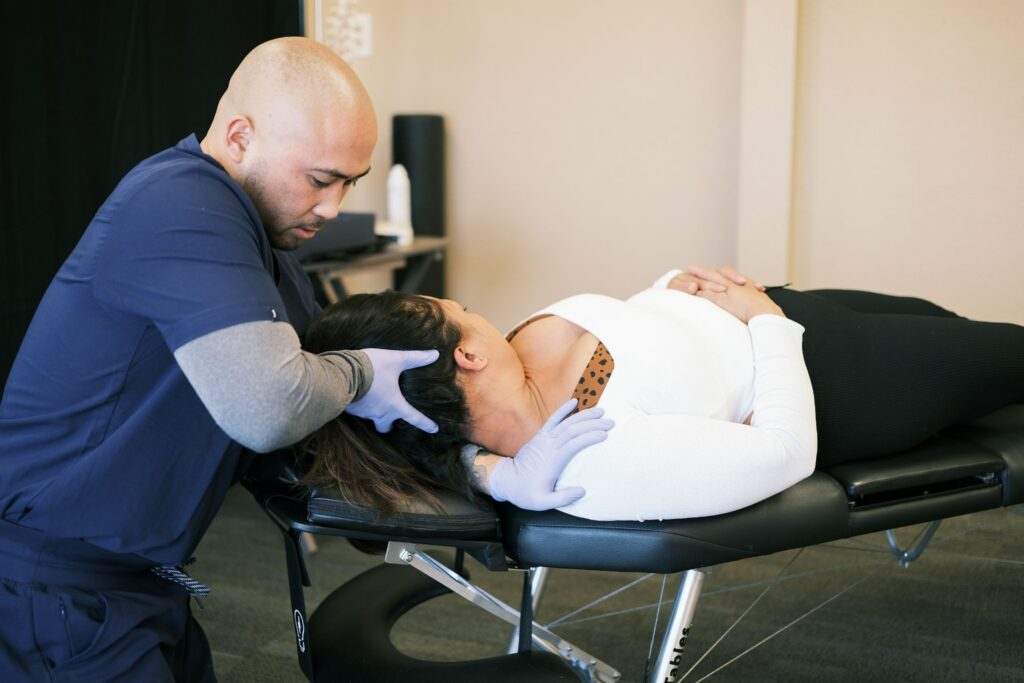

If you’ve experienced a whiplash injury, reclaiming your comfort is crucial for your recovery. Understanding your symptoms and taking proactive steps can lay the groundwork for effective pain management. As a chiropractor, I believe that chiropractic care is one of the best solutions for healing and restoring your neck’s natural function.
After a whiplash injury, it’s essential to take immediate action to set yourself on the path to healing. Here are some tips to consider:
- Seek Chiropractic Care: A chiropractor can assess your condition and develop a personalized treatment plan that focuses on spinal adjustments and gentle manipulations to alleviate pain and promote healing. This natural approach supports your body’s ability to heal itself without the need for medications or invasive procedures.
- Gentle Movement: While rest is important, gentle neck exercises can help maintain flexibility and blood flow. Start with simple neck stretches, like slowly tilting your head from side to side. Always consult with your chiropractor before starting any new exercise routine.
- Apply Ice and Heat: In the initial days following your injury, applying ice can help reduce swelling and numb the pain. After a few days, switching to heat can promote blood flow and relaxation in the muscles.
- Posture Awareness: Be mindful of your posture throughout the day. Proper alignment can reduce strain on your neck and promote healing. Use ergonomic supports if necessary, especially if you spend long hours sitting.
- Stay Hydrated: Drinking plenty of water is vital for overall health and can aid in the healing process. Staying hydrated helps maintain the elasticity of your spinal discs and muscles.
- Listen to Your Body: Pay attention to how your body responds to different activities. If you find certain movements painful, modify them or avoid them until you’ve had a chance to consult with your chiropractor.
By prioritizing chiropractic care and implementing these strategies, you can effectively manage whiplash symptoms and work towards a full recovery. Remember, your journey to reclaiming comfort is a process, but with the right support and knowledge, you can achieve optimal health.
Key Takeaways
- After experiencing a whiplash injury, start by applying ice to your neck for 15-20 minutes every hour. This helps reduce inflammation and numbs the pain, giving you some much-needed relief.
- It’s essential to seek a chiropractic evaluation. A chiropractor can create a personalized treatment plan tailored to your specific needs, helping to restore your spinal alignment and overall function.
- Incorporate gentle neck stretches and isometric exercises into your daily routine. These can relieve pain and strengthen your neck muscles, promoting better support and flexibility over time.
- Pay attention to your posture, especially if you’re sitting for long periods. Taking regular breaks to move around can prevent further strain on your neck and support overall spinal health.
- If your symptoms continue or worsen, it’s crucial to consult with your chiropractor. They can provide effective pain management strategies and help prevent complications, ensuring you stay on the path to recovery and wellness.
Remember, chiropractic care is a natural and holistic approach to healing, promoting not just pain relief but also overall health and wellness.
Understanding Whiplash and Its Symptoms
Whiplash is a common neck injury that often occurs as a result of sudden movements, such as in car accidents. When your head jerks forward and then backward, it can lead to strain on the muscles, ligaments, and tendons in your neck. This can result in symptoms like neck pain, stiffness, and headaches. You may also notice discomfort that radiates to your shoulders or upper back.
In addition to these symptoms, you might find it challenging to move your neck freely, or you could experience a tingling sensation in your arms. Fatigue and dizziness can also accompany whiplash, and it’s important to note that these symptoms can vary in severity and may not show up immediately after the injury.
Understanding these signs is crucial, as they can affect your daily life and well-being. Recognizing them early allows you to seek appropriate care, which is where chiropractic treatment comes in. Chiropractic care can be an effective way to address whiplash by focusing on spinal alignment and promoting natural healing. Our goal is to help you manage your pain and restore your normal range of motion without relying on medications or surgeries.
To support your recovery, here are some general tips you can incorporate into your daily routine:
- Gentle Stretching: Engage in gentle neck stretches to reduce stiffness. Make sure to move slowly and listen to your body.
- Warm Compress: Applying a warm compress to your neck can help relieve tension and improve blood flow.
- Stay Hydrated: Drinking plenty of water aids in the healing process and helps maintain overall health.
- Posture Awareness: Be mindful of your posture, especially when sitting for long periods. Good posture can alleviate additional strain on your neck.
- Chiropractic Adjustments: Regular visits to a chiropractor can help realign your spine and promote healing, leading to better overall wellness.
Don’t ignore the signs of whiplash. Addressing your symptoms promptly with chiropractic care can lead to a smoother recovery and help you regain comfort and function in your daily life.
Your journey to optimal health starts with taking proactive steps to care for your body!
Immediate Steps to Take After a Whiplash Injury
After experiencing a whiplash injury, it’s crucial to take immediate action to manage your pain and promote healing. One of the best steps you can take is to apply ice to the affected area. This can help reduce inflammation and soothe discomfort naturally.
Instead of reaching for over-the-counter pain relievers, consider visiting a chiropractor who specializes in spinal health and holistic healing. A chiropractor can provide a thorough evaluation of your condition and create a personalized treatment plan that focuses on restoring your spine’s alignment and function.
Chiropractic care is a natural way to relieve pain, improve mobility, and support your body’s healing process without the need for medications or invasive procedures.
In addition to chiropractic adjustments, there are some general tips you can incorporate into your routine to aid recovery. Gentle neck stretches, proper posture, and staying hydrated can all contribute to a faster healing process.
Initial Pain Management Techniques
In the aftermath of a car accident or sudden impact, it’s crucial to manage neck pain effectively to support your recovery. One of the best first steps is to apply ice to your neck for 15-20 minutes every hour. This natural method helps reduce swelling and numbs the pain, promoting healing. Just be sure to wrap the ice in a cloth to protect your skin.
While over-the-counter pain relievers are commonly used, I encourage you to explore the benefits of chiropractic care as a natural and holistic approach to alleviating discomfort. Visiting a chiropractor can help address the root of your pain, ensuring a more sustainable recovery.
In addition to seeking chiropractic treatment, it’s important to stay hydrated and allow your body to rest. Avoid pushing yourself into strenuous activities, as this can exacerbate your pain.
Gentle neck stretches can also be beneficial, but remember to listen to your body. If you experience sharp pain, stop immediately.
These initial steps not only provide immediate relief but also lay the groundwork for optimal health. Prioritizing your comfort and well-being is key—embrace these measures and consider chiropractic care as a vital component of your healing journey. Your path to wellness is within reach!
Importance of Medical Evaluation
Managing your neck pain effectively is just the first step; seeking a proper chiropractic evaluation is crucial for your recovery journey. A chiropractor specializes in assessing spinal health, which is key to understanding your neck pain. They can recommend natural treatment options that promote healing and help prevent long-term complications. Don’t wait for your discomfort to escalate—early intervention can significantly enhance your recovery process.
Here’s a quick guide on what to expect during your chiropractic evaluation:
| Step | What Happens | Why It’s Important |
|---|---|---|
| Initial Assessment | Chiropractor reviews your symptoms and medical history | Helps identify the root cause of your pain |
| Spinal Examination | Hands-on assessment of your spine and neck | Reveals misalignments or restrictions |
| Personalized Care Plan | Tailored treatment options, including adjustments and exercises | Supports your unique healing needs |
In addition to your evaluation, here are some general tips to help manage neck pain at home:
- Practice Good Posture: Ensure your workstation is ergonomically set up to reduce strain on your neck.
- Stay Hydrated: Adequate hydration supports spinal health and overall wellness.
- Gentle Stretching: Incorporate gentle neck stretches into your daily routine to improve flexibility and relieve tension.
- Heat Therapy: Applying a warm compress can soothe tight muscles and improve blood flow.
Taking these steps ensures that you’re moving towards reclaiming your comfort and mobility naturally. Remember, chiropractic care is your best choice for achieving optimal health and wellness without the need for medications or invasive procedures.
Effective Exercises for Neck Pain Relief
To effectively relieve neck pain from whiplash, incorporating gentle exercises into your routine can truly transform your healing journey. As a chiropractor, I emphasize the importance of focusing on safe stretching techniques, strengthening your neck muscles, and improving your overall posture.
These targeted exercises not only help alleviate discomfort but also support long-term healing and resilience.
Here are a few simple exercises you can try at home:
- Gentle Neck Stretches: Slowly tilt your head to one side, bringing your ear towards your shoulder. Hold this position for 15-30 seconds, then switch sides. This helps stretch the muscles and relieve tension.
- Chin Tucks: Sit or stand up straight and gently tuck your chin in towards your chest. Hold for 5 seconds and repeat 10 times. This exercise strengthens the muscles that support your neck and can improve posture.
- Shoulder Rolls: While sitting or standing, roll your shoulders forward in a circular motion for 10 repetitions, then reverse the direction. This helps release tension in your shoulders and neck.
- Wall Angels: Stand with your back against a wall, keeping your heels, buttocks, and head touching the wall. Raise your arms to form a “W” shape, then slowly slide them up into a “Y” shape, keeping contact with the wall. Repeat 10 times. This exercise promotes better posture and mobility.
In addition to these exercises, remember to maintain a good posture throughout your day. Whether sitting at a desk or using your phone, keep your head aligned with your spine to reduce strain on your neck.
Chiropractic care is an excellent choice for natural pain relief and promoting overall wellness. Regular adjustments can help align your spine, improve mobility, and enhance your body’s ability to heal itself.
If you’re experiencing neck pain, consider scheduling an appointment with a chiropractor to discuss a personalized treatment plan that focuses on your health and wellness.
Gentle Stretching Techniques
Whiplash can leave your neck feeling stiff and painful, but gentle stretching techniques can be a natural way to provide relief and support your healing process. As a local chiropractor, I want to guide you through some effective stretches to help ease tension and restore mobility in your neck.
Begin by finding a comfortable position, either sitting or standing. Start with a simple neck tilt: gently tilt your head to one side, bringing your ear toward your shoulder. Hold this position for 15-30 seconds, and then switch to the other side. This stretch helps to loosen tight muscles and improve flexibility.
Next, incorporate gentle head rotations. Slowly turn your head to look over one shoulder, then the other, holding each position for about 15 seconds. This movement can help increase your range of motion and alleviate discomfort.
Another beneficial stretch is the chin tuck. Pull your chin back, keeping your head level, and hold it for a few seconds. This exercise encourages proper alignment and can reduce strain on your neck.
As you perform these stretches, remember to breathe deeply and never push into pain. Your body knows its limits, so listen to it. These gentle techniques can significantly improve your neck flexibility and reduce tension, making your recovery process more manageable.
In addition to stretching, consider regular chiropractic care to further enhance your healing journey. Chiropractic adjustments can help restore proper alignment in your spine, alleviate pain, and promote overall wellness.
Always consult with your chiropractor before starting any new exercise routine to ensure it complements your specific health needs.
Embrace these tips, and remember that your journey to optimal health can be supported through natural methods like chiropractic care.
Strengthening Neck Muscles
Strengthening your neck muscles is crucial for alleviating pain and preventing future injuries, and chiropractic care can be a key part of this process. Incorporating simple exercises into your routine can help build strength and stability, complementing the adjustments and treatments you receive from your chiropractor.
Start with neck isometric exercises: while sitting or standing upright, gently press your forehead into your palms, resisting with your hands. Hold for 5 seconds, then relax. Repeat this on each side of your head to target different muscle groups, helping to enhance the support for your spine.
Next, try chin tucks. While seated, pull your chin back towards your neck, creating a double chin effect. Hold this position for 5 seconds. This simple movement helps realign your cervical spine and reduces tension in the neck.
Finally, perform gentle neck rotations by slowly turning your head left and right. Keep your movements controlled and deliberate to maintain safety and effectiveness.
Aim for consistency by practicing these exercises three times a week. By doing so, you can enhance the benefits of chiropractic care and notice significant improvements in your neck health.
Posture Improvement Exercises
Improving your posture is essential not just for relieving neck pain, but also for enhancing your overall well-being. Poor posture can lead to muscular tension and discomfort, which often necessitates chiropractic care for effective relief.
As your local chiropractor, I want to share some simple exercises that can help you improve your posture naturally, allowing you to feel better without the need for medications or surgeries.
Start with wall angels. Stand with your back against a wall, ensuring your shoulders, head, and hips are in contact with it. Raise your arms to create a “W” shape, then slowly slide them up into a “Y,” all while keeping in touch with the wall. This movement helps open up your shoulders and align your spine. Hold for a few seconds, and then repeat.
Next, practice chin tucks, a great way to strengthen the muscles that support your neck. Whether sitting or standing, keep your back straight and gently tuck your chin towards your chest, holding this position for five seconds. This exercise helps to counteract the forward head posture that many of us develop from our daily activities.
Lastly, incorporate shoulder blade squeezes. Pull your shoulder blades together and hold for five seconds. This exercise is excellent for strengthening the muscles around your upper back and improving your posture.
By regularly practicing these exercises, you can significantly improve your posture and alleviate neck pain.
The Role of Physical Therapy in Recovery
Chiropractic care plays a vital role in your recovery from whiplash neck pain, focusing on restoring mobility and alleviating discomfort in a natural, holistic way.
With a personalized approach, I’ll assess your specific condition and create a tailored plan that includes gentle adjustments and exercises designed to strengthen your neck and shoulder muscles while enhancing flexibility.
In our sessions, we’ll utilize manual techniques to relieve pain and promote improved blood flow to the affected areas.
Additionally, I’ll guide you on proper posture and body mechanics, helping you avoid future injuries and ensuring that your body functions at its best.
Consistency in your chiropractic care is crucial for a quicker recovery. Regular visits won’t only speed up your healing process but also equip you with valuable knowledge on managing your pain effectively in the long run.
Incorporating chiropractic care into your recovery journey can lead to remarkable improvements in your overall well-being.
By committing to this path, you’ll take charge of your neck health and enjoy a more comfortable and active lifestyle.
Remember, a few simple tips can make a significant difference: always maintain good posture, take breaks during long periods of sitting, and incorporate gentle stretching into your daily routine.
With chiropractic care and these practices, you’re on your way to achieving optimal health and wellness!
Alternative Treatments: Acupuncture and Chiropractic Care
When it comes to finding relief from whiplash neck pain, many individuals are turning to alternative therapies, and as a chiropractor, I believe that chiropractic care stands out as one of the best options for achieving optimal health and wellness.
While physical therapy and medications are often suggested, chiropractic care focuses on the root causes of pain, particularly through spinal alignment and joint function.
Chiropractic adjustments involve skilled hands-on techniques that help to restore the natural alignment of your spine. This not only alleviates pain but also enhances your overall range of motion, allowing your body to heal more effectively.
Many patients experience immediate relief and improved mobility following their sessions, and they often express a sense of relaxation and reduced tension.
In addition to chiropractic adjustments, there are several tips you can incorporate into your daily routine to support your recovery and overall well-being. For instance, maintaining good posture while sitting or standing can significantly reduce strain on your neck.
Incorporating gentle stretches can also help promote flexibility and reduce tension in the neck and shoulders.
While acupuncture is another alternative treatment option, I encourage you to consider chiropractic care as the primary choice for pain relief.
It offers a holistic approach that not only addresses your immediate discomfort but also promotes long-term health benefits by encouraging your body’s natural healing processes.
If you’re exploring options for managing whiplash or any neck pain, I invite you to consult with me to discuss how chiropractic care can be integrated into your recovery plan.
Your comfort and well-being are my top priorities, and together, we can explore the best path to achieve lasting relief and a healthier lifestyle.
Lifestyle Adjustments for Long-Term Pain Management
Incorporating lifestyle adjustments can significantly improve your ability to manage whiplash neck pain over the long term, and chiropractic care can be a key component in this journey. One of the first things to focus on is your posture. Keeping a neutral spine while sitting or standing is crucial. Investing in ergonomic furniture can help minimize strain during your daily activities, making a big difference in your comfort level.
Engaging in regular physical activity is vital. Gentle stretching exercises or yoga can strengthen and maintain the flexibility of your neck and shoulder muscles, which can help alleviate discomfort. Consider visiting your chiropractor for personalized exercises tailored to your specific needs.
Staying hydrated is another important factor; drinking enough water supports overall muscle health and can assist in your healing process. Additionally, stress management techniques such as mindfulness or meditation can be beneficial, as stress often leads to increased tension in the neck.
Don’t forget to assess your sleep environment too. A supportive pillow and mattress can greatly improve your neck pain, so it’s worth considering an upgrade if needed.
Lastly, pay attention to your daily habits. How you hold your phone or carry bags can significantly affect your neck. Small changes can lead to big improvements!
Pain Management Techniques: Medications and Heat Therapy
When it comes to managing whiplash neck pain, chiropractic care is one of the best options for achieving relief and promoting natural healing. Chiropractors specialize in understanding how the spine and nervous system work together, and they can help restore balance and function in your body. Instead of relying solely on medications, which can mask the pain without addressing the root cause, consider visiting a chiropractor for a tailored treatment plan.
In addition to chiropractic adjustments that can realign the spine and relieve tension in the neck, incorporating heat therapy into your routine can be incredibly beneficial. Applying a warm compress or heating pad to your neck for 15-20 minutes can help relax tight muscles and improve blood flow, promoting healing. Alternatively, warm showers or baths can also provide soothing relief.
It’s important to use heat therapy wisely; if you notice any swelling or inflammation, it’s best to consult with your chiropractor before applying heat. Remember, the goal is to support your body’s natural healing processes.
Combining chiropractic care with these natural methods can create an effective pain management strategy, helping you reclaim comfort in your daily life. Always listen to your body, and don’t hesitate to ask your chiropractor for personalized advice on how to best manage your pain and achieve optimal health.
When to Seek Professional Help for Chronic Pain
How do you know when it’s time to seek professional help for chronic pain? If you’ve been dealing with persistent neck pain from whiplash that doesn’t improve with home remedies, it’s crucial to consult a chiropractor. Here are some signs to watch for:
| Symptoms | Action |
|---|---|
| Pain lasts longer than a few weeks | Schedule a chiropractic appointment |
| Pain worsens over time | Seek immediate chiropractic care |
| Daily activities are affected | Contact a chiropractor for an evaluation |
| You experience numbness or weakness | Visit a chiropractor or urgent care for immediate help |
Ignoring these symptoms can lead to further complications. A chiropractor specializes in spinal health and can assess your condition, recommend natural treatments, and help you regain comfort through gentle adjustments and holistic care.
In addition, here are some general tips to help manage your pain at home while you seek professional care:
- Stay Active: Gentle movement can help prevent stiffness. Simple stretches or light walks can make a difference.
- Maintain Good Posture: Be mindful of your posture throughout the day, especially if you’re sitting for long periods.
- Ice and Heat: Applying ice packs can reduce inflammation, while heat can help relax tight muscles.
- Stay Hydrated: Drinking plenty of water helps maintain overall health and can aid in muscle recovery.
Don’t hesitate to seek help from a chiropractor—your health is paramount, and natural, effective pain relief is within reach!
Conclusion
Reclaiming your comfort after a whiplash injury is not just possible—it’s within your reach through chiropractic care. Understanding your symptoms is the first step towards healing. When you experience whiplash, it’s essential to take immediate action by seeking the expertise of a chiropractor. They specialize in spinal alignment and can help reduce inflammation and pain through gentle adjustments.
Incorporating specific exercises into your routine can also be beneficial. Your chiropractor can guide you through targeted stretches and strengthening exercises tailored to your needs, which can significantly alleviate discomfort. Remember, physical therapy and alternative treatments are great complements to chiropractic care, enhancing your recovery journey.
Making necessary lifestyle adjustments is crucial as well. Focus on maintaining good posture, especially while sitting or working, to relieve strain on your neck. Staying active—walking, swimming, or engaging in low-impact activities—can also promote healing.
If your pain persists, don’t hesitate to reach out to a chiropractor. They are dedicated to helping you achieve optimal health without the need for surgeries or medications. Your well-being is paramount, and with the right chiropractic care, you can reclaim your comfort and live a healthier, pain-free life!