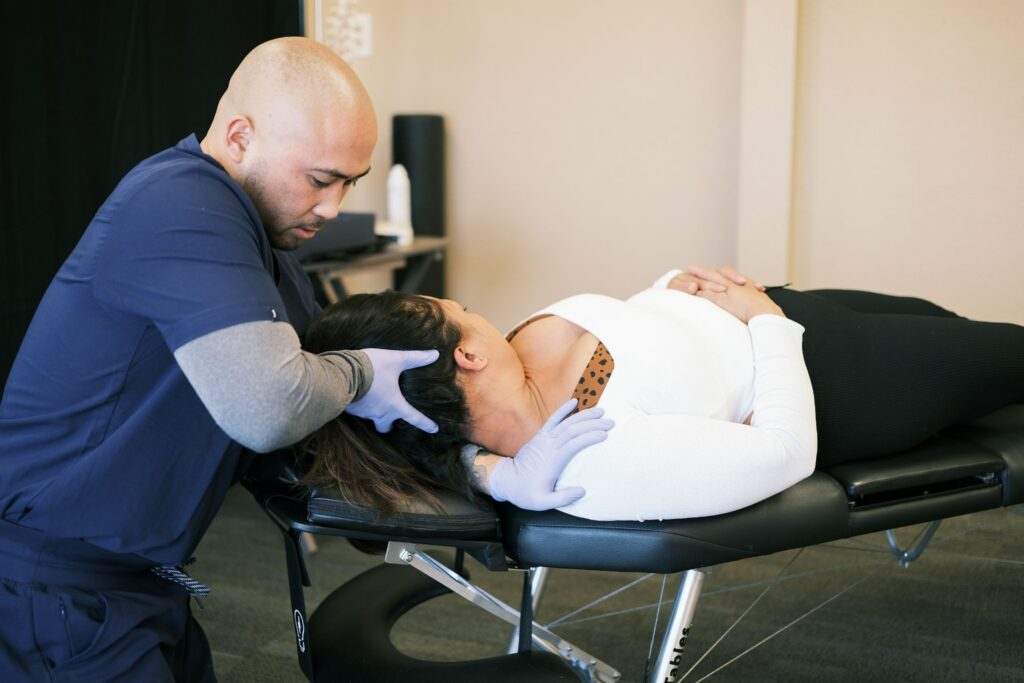

If you’ve ever experienced whiplash, you know how much it can impact your daily life. Understanding the symptoms and effective relief techniques is crucial for your recovery. As a local chiropractor, I want to share some natural ways to alleviate whiplash pain and promote healing.
First, gentle stretching can be incredibly beneficial. Simple neck exercises can help restore mobility and reduce tension. It’s important to listen to your body—if something feels uncomfortable, ease back and try a different stretch.
Massage therapy is another great option. When done by a professional, it can release tight muscles and improve blood flow to the affected area. However, I recommend combining massage with regular chiropractic adjustments. This can help realign your spine and neck, addressing the root cause of your pain rather than just the symptoms.
In addition to stretching and massage, consider implementing heat therapy. Applying a warm compress to your neck can relax tight muscles and increase circulation, aiding the healing process. Cold packs can also be effective in reducing inflammation in the first few days after the injury.
It’s essential to prioritize proper posture throughout your day. Whether you’re sitting at a desk or using your phone, being mindful of your neck and spine can prevent further strain.
Lastly, don’t hesitate to seek professional chiropractic care. A chiropractor can provide personalized treatment plans that focus on your unique needs, helping you achieve optimal health naturally. Remember, taking care of your spine is key to overall wellness.
By incorporating these techniques into your routine, you can effectively manage whiplash pain and support your body’s natural healing processes. Your journey to recovery doesn’t have to be done alone; chiropractic care can be your partner in achieving a pain-free life.
Key Takeaways
Whiplash can be a painful and frustrating condition, but there are several natural techniques you can use to manage your discomfort and promote healing. Here are some effective strategies to consider:
- Ice Therapy: For the first 48 hours post-injury, apply ice to your neck for 15-20 minutes every hour. This helps reduce inflammation and numb the painful area. Remember to wrap the ice pack in a cloth to protect your skin.
- Gentle Movement: Engaging in gentle neck movements and stretches can enhance flexibility and prevent stiffness. Start with simple side-to-side and up-and-down motions to keep your neck mobile without overexerting yourself.
- Posture Matters: Maintaining good posture while sitting or using devices is key to alleviating neck tension. Keep your shoulders relaxed, your back straight, and your screen at eye level to avoid straining your neck.
- Heat Therapy: Once the initial swelling has gone down, heat therapy can be beneficial. Applying a warm compress or heating pad can help relax tight muscles and improve blood flow, which is essential for healing.
- Chiropractic Care: If you’re experiencing persistent pain or limited range of motion, I highly recommend seeking chiropractic care. A chiropractor can provide gentle adjustments and tailored treatment plans, focusing on your unique needs. This holistic approach not only addresses pain but also promotes overall wellness and helps your body heal naturally.
Remember, taking care of your spine and overall health is crucial for living a pain-free life. By incorporating these natural techniques and considering chiropractic care, you can pave the way toward recovery and optimal wellness. Always listen to your body and consult with a professional if you’re unsure about any technique.
Understanding Whiplash: Symptoms and Causes
When you experience whiplash, it’s essential to recognize the symptoms and causes of this common injury to address it effectively. Whiplash typically occurs when your head is suddenly jerked forward and then backward, often as a result of a car accident. You may notice immediate symptoms like neck pain, stiffness, and headaches. These symptoms can also take hours or even days to develop, so it’s crucial to pay attention to how your body feels after an incident.
In addition to neck pain, you might experience dizziness, fatigue, and difficulty concentrating. The severity of these symptoms can vary, impacting your daily activities. Whiplash happens due to the rapid movement of your neck, which strains the muscles and ligaments. Understanding these causes can help you identify if you’re experiencing whiplash and encourage you to seek the right care.
Chiropractic care is a fantastic option for managing whiplash symptoms naturally. Chiropractors specialize in spinal health and can help restore motion and function to your neck. This can alleviate pain, improve your range of motion, and support your overall wellness.
Here are some general tips to help you manage whiplash symptoms at home:
- Apply Ice: In the first 48 hours after your injury, use an ice pack on your neck for 15-20 minutes every hour to reduce swelling and numb the pain.
- Gentle Movement: While it’s important to rest, gentle neck movements can help prevent stiffness. Try slowly nodding your head up and down or side to side.
- Stay Hydrated: Drinking plenty of water supports overall healing and helps maintain the elasticity of the muscles and ligaments.
- Practice Good Posture: Being mindful of your posture, especially when sitting at a desk or using your phone, can prevent additional strain on your neck.
Recognizing these signs early on is crucial for managing your recovery effectively. If you suspect you have whiplash, consider visiting a chiropractor to explore natural and holistic treatment options that can lead you towards optimal health.
Your body has an incredible ability to heal itself with the right support, and chiropractic care can play a key role in that journey.
The Importance of Rest and Recovery
After experiencing whiplash, it’s crucial to prioritize rest and recovery as part of your healing journey. Your body needs time to mend from the trauma, and pushing through pain can actually delay your recovery. By taking a break from your daily activities, you give your muscles and ligaments the chance to heal properly, which helps reduce inflammation and promotes overall recovery.
Listening to your body is key. If you’re feeling fatigued or experiencing pain, it’s important to take a step back. Consider carving out moments throughout your day to rest your neck. Gentle movements are important, but be mindful and avoid any sudden motions that could worsen your symptoms.
Don’t underestimate the importance of adequate sleep. Quality rest is essential for your body to repair itself and manage pain more effectively. Additionally, reducing stress during this healing process can help prevent additional tension in your neck.
Chiropractic care can play a vital role in your recovery. A chiropractor can provide gentle adjustments that help restore proper alignment, reduce pain, and enhance your body’s natural healing capabilities.
By focusing on a holistic approach to rest and recovery, including chiropractic adjustments, you’ll set yourself up for a more effective healing journey and get back to your normal activities sooner.
Gentle Stretching Techniques for Neck Relief
Gentle stretching can be incredibly beneficial for relieving neck pain, especially after experiencing whiplash. As a chiropractor, I often recommend incorporating simple neck flexion, extension, and side-to-side stretches into your daily routine to enhance flexibility and support your recovery.
In addition to these neck stretches, gentle shoulder rolls can help alleviate tension not just in your neck, but also in your shoulders. These movements promote circulation and relaxation, which are essential for healing.
Remember, while gentle stretching is a great way to support your neck health, regular chiropractic care plays a vital role in achieving optimal wellness. A chiropractor can provide personalized adjustments to help align your spine, reduce pain, and enhance your body’s natural healing processes.
This holistic approach ensures that you address the root cause of your discomfort rather than just masking the symptoms.
For a simple daily routine, try setting aside just a few minutes each day to perform these stretches. Listen to your body, and if you experience any discomfort, please consult with your chiropractor to tailor a plan that suits your needs.
Embracing chiropractic care along with these gentle stretching techniques can be your pathway to a healthier, pain-free life.
Neck Flexion and Extension
Neck flexion and extension are vital techniques that can help alleviate whiplash pain by gently stretching the muscles in your neck. As a chiropractor, I encourage these simple movements as part of a holistic approach to health and wellness.
To perform neck flexion, start by slowly lowering your chin toward your chest. This gentle motion allows you to feel a soothing stretch along the back of your neck. Hold this position for about 15-30 seconds, then return to a neutral position. This stretch can help improve flexibility and reduce tension, which is essential for maintaining a healthy spine.
For neck extension, gently tilt your head back, allowing your gaze to move upward toward the ceiling. You should feel a comforting stretch in the front of your neck. Again, hold this position for 15-30 seconds before returning to neutral. This movement can help counteract the forward head posture that many people develop from prolonged screen time and poor posture.
Incorporating these stretches into your daily routine can lead to significant relief from discomfort. Remember to always listen to your body; if you feel any pain during these exercises, stop immediately.
Consistent practice of these techniques, along with regular chiropractic adjustments, can help enhance your overall well-being and restore balance within your body.
For optimal health, consider making chiropractic care a regular part of your wellness routine. Together, we can work towards achieving your health goals naturally and effectively.
Side-to-Side Neck Stretches
In addition to flexion and extension, incorporating side-to-side neck stretches can significantly enhance your recovery from whiplash pain. These gentle stretches not only improve flexibility but also reduce tension in the neck area, making them a valuable addition to your wellness routine. Here’s a straightforward guide to help you get started:
| Stretch | Instructions |
|---|---|
| Right Side Stretch | Sit or stand tall. Gently tilt your head to the right, allowing your ear to move towards your shoulder. Hold this position for 15-30 seconds to feel a gentle stretch. |
| Left Side Stretch | Now, switch sides and repeat the stretch on the left. |
| Chin to Shoulder | Turn your head to the right, aiming your chin towards your shoulder. Hold for 15-30 seconds to deepen the stretch and release tension. |
| Repeat for Both Sides | Perform each stretch 2-3 times on both sides for balanced relief. |
| Breathing | Don’t forget to breathe deeply and steadily during each stretch; this can enhance relaxation and effectiveness. |
Regular practice of these stretches can help alleviate discomfort and promote healing. Remember, chiropractic care can also play a crucial role in your recovery by addressing underlying issues and improving spinal health. By integrating these stretches with chiropractic adjustments, you can optimize your path to wellness and achieve lasting relief naturally.
Gentle Shoulder Rolls
Gentle Shoulder Rolls for Whiplash Relief
If you’re dealing with whiplash pain, incorporating gentle shoulder rolls into your daily routine can be a simple yet effective way to ease tension in your shoulders and neck.
As a chiropractor, I believe in the power of natural healing and movement to promote wellness. Here’s how to perform this easy stretch:
- Find a comfortable position – either sitting or standing with your back straight.
- Inhale deeply, lifting your shoulders up toward your ears.
- As you exhale, roll your shoulders back and down in a smooth, circular motion.
Repeat this sequence for about ten repetitions. Afterward, switch directions and roll your shoulders forward.
This rhythmic movement not only encourages relaxation but also boosts blood flow to the affected areas, helping to reduce stiffness and discomfort.
Remember to breathe deeply throughout the exercise, allowing your body to release any built-up tension.
Regularly incorporating shoulder rolls into your daily routine can significantly enhance your neck relief efforts and contribute to your overall wellness.
Chiropractic care is an excellent choice for managing pain and promoting a healthy spine.
It focuses on the body’s natural ability to heal itself, and simple exercises like shoulder rolls can complement your chiropractic treatments.
Embrace these gentle movements in your life for a healthier, pain-free future!
Therapeutic Exercises to Strengthen Neck Muscles
Strengthening your neck muscles is vital for recovering from whiplash and preventing future injuries. At our chiropractic practice, we believe that incorporating specific exercises into your routine can significantly enhance stability and reduce pain, all while promoting natural healing and wellness.
Here are some effective exercise routines that can help you build strength and support your overall health.
1. Neck Tilts:
Gently tilt your head to one side, bringing your ear toward your shoulder. Hold for a few seconds, then switch sides. This simple movement stretches and strengthens the muscles on the sides of your neck.
2. Neck Rotations:
Slowly turn your head to the right, looking over your shoulder. Hold for a moment, then turn to the left. This exercise improves flexibility and helps relieve tension in the neck.
3. Chin Tucks:
Sit or stand up straight. Gently tuck your chin in toward your chest, creating a double chin. Hold for a few seconds and release. This exercise strengthens the muscles that support your neck and helps improve posture.
4. Shoulder Shrugs:
Raise your shoulders toward your ears and hold for a few seconds before releasing. This helps to strengthen the upper neck and shoulder muscles, reducing strain and discomfort.
5. Resistance Exercises:
Using your hand, gently push against your forehead while resisting with your neck muscles. Hold for a few seconds, then relax. Repeat this for the sides and back of your head. This resistance training can build strength effectively.
As you incorporate these exercises into your routine, remember that chiropractic care is an excellent way to complement your efforts. Regular visits to a chiropractor can help ensure your spine is aligned and functioning optimally, which is crucial for overall well-being and recovery.
Tips for Success:
- Always consult with your chiropractor before starting any new exercise routine, especially if you have existing pain.
- Start gradually and listen to your body. If an exercise causes pain, stop and consult your chiropractor.
- Maintain good posture throughout your day to support your neck and back health.
- Hydrate well and maintain a balanced diet to support muscle recovery.
By focusing on these exercises and integrating chiropractic care into your wellness journey, you can take proactive steps toward a stronger, healthier neck and overall well-being.
Importance of Neck Strength
Neck strength is crucial for recovering from whiplash, as it plays a key role in supporting your spine and alleviating pain. When your neck muscles are strong, they can effectively absorb shock and help prevent further injuries. By focusing on strengthening these muscles, you can enhance your range of motion and stability, making daily activities feel easier and more comfortable.
A well-supported neck not only reduces strain on surrounding tissues but also promotes quicker healing. Strong neck muscles serve as a protective barrier during sudden movements or impacts, helping to prevent future injuries. Incorporating specific exercises into your routine can yield lasting benefits, improving your neck function and overall comfort.
As a chiropractor, I encourage you to prioritize neck strength as an essential step toward a full recovery from whiplash. Regular chiropractic adjustments can also help enhance your neck’s strength and flexibility by ensuring proper alignment of your spine.
Here are some simple tips you can implement to strengthen your neck and promote healing:
- Gentle Stretching: Start with gentle neck stretches to improve flexibility. Tilting your head side to side and forward can help loosen tight muscles.
- Strengthening Exercises: Consider adding exercises like neck retractions and resistance band exercises to your routine, which can build strength in your neck muscles.
- Posture Awareness: Be mindful of your posture, especially when sitting for long periods. Keeping your head aligned over your shoulders can reduce strain on your neck.
- Chiropractic Care: Regular visits to your chiropractor can help maintain proper spinal alignment, which is vital for neck strength and overall health.
- Stay Active: Engaging in regular physical activity can help keep your neck and body strong.
Recommended Exercise Routines
To effectively relieve whiplash pain and support your recovery, incorporating therapeutic exercises into your daily routine is essential. Strengthening your neck muscles can provide the stability you need and help reduce discomfort. Here are some simple and effective exercises you can do:
- Neck Tilts: Gently tilt your head from side to side, holding each position for a few seconds. This helps to stretch and relax your neck muscles.
- Chin Tucks: Sit up straight and gently pull your chin back, creating a double chin. Hold for a few seconds and then release. This exercise helps improve posture and strengthens the neck.
- Shoulder Shrugs: Raise your shoulders toward your ears, hold briefly, and then relax them down. This helps relieve tension in your shoulders and neck.
- Isometric Neck Exercises: Place your hand against your forehead and gently push, resisting the movement. This will help strengthen the neck without straining it.
Incorporating these exercises into your daily routine can lead to better results in managing your whiplash symptoms.
Remember, chiropractic care is an excellent option for pain relief and natural wellness. Regular visits to your chiropractor can provide tailored adjustments and guidance, helping your body heal naturally.
Always consult with your chiropractor before starting any new exercise program to ensure it complements your overall treatment plan for optimal health and recovery.
Heat and Cold Therapy: When to Use Each
When managing whiplash pain, understanding when to use heat or cold therapy can greatly enhance your recovery and overall well-being.
If you’ve just sustained the injury or are experiencing swelling, cold therapy is often the most effective choice. Applying an ice pack for 15-20 minutes can help reduce inflammation and numb sharp pain. Just be sure to wrap the ice pack in a cloth to protect your skin and ensure comfort.
Conversely, if your pain persists or if stiffness begins to set in, heat therapy can be incredibly beneficial. Utilizing a warm compress or heating pad can stimulate blood flow, relax tight muscles, and alleviate discomfort. Apply heat for approximately 15-20 minutes, making sure it’s warm to the touch but not too hot to avoid burns.
It’s essential to listen to your body during this process. If one method feels more soothing than the other, trust your instincts. Many people find that alternating between heat and cold can provide relief, depending on their specific symptoms.
In addition to these therapies, consider incorporating gentle chiropractic adjustments into your recovery plan. Chiropractic care focuses on aligning the spine and relieving tension in the body, which can facilitate better healing.
Regular visits to a chiropractor can also help prevent future injuries and promote overall health.
Remember, taking care of your body is a journey. Staying hydrated, practicing good posture, and maintaining a healthy lifestyle can all contribute to your recovery and well-being.
Embrace these natural methods, and you’ll be on your way to feeling your best!
The Role of Massage in Whiplash Recovery
Incorporating chiropractic care into your whiplash recovery plan can be a game-changer for your overall health and wellness. While heat and cold therapy are beneficial, adding chiropractic adjustments and massage can enhance your healing journey significantly. Chiropractic care focuses on aligning the spine and optimizing the nervous system, which can greatly aid in pain relief and recovery.
Here are some benefits you might experience with chiropractic care and massage therapy for whiplash:
- Pain Relief: Chiropractic adjustments can help relieve pain by addressing misalignments in the spine that may contribute to muscle tension and discomfort. When combined with massage, which targets the affected muscles, you can find even more relief.
- Increased Flexibility: Regular chiropractic adjustments can improve your neck’s range of motion, making everyday activities easier and more comfortable. Massage complements this by relaxing tight muscles, allowing for greater mobility.
- Stress Reduction: Both chiropractic care and massage have calming effects that can help reduce anxiety and stress. This is particularly important during injury recovery, as stress can impede the healing process.
- Improved Healing: Chiropractic adjustments enhance blood flow and promote the delivery of nutrients essential for tissue repair. When paired with massage, which also boosts circulation, you can accelerate your healing.
To make the most of your recovery, consider the following tips:
- Stay Consistent: Regular chiropractic visits and massage sessions can provide cumulative benefits, leading to more significant improvements over time.
- Listen to Your Body: Pay attention to how your body responds to different treatments. Communicate with your chiropractor and massage therapist about what feels best.
- Incorporate Gentle Movement: Engage in light stretching and gentle exercises as recommended by your chiropractor to complement your recovery efforts.
- Stay Hydrated: Drinking plenty of water helps maintain muscle elasticity and supports overall healing.
When to Seek Professional Help
How do you know when it’s time to seek professional help for whiplash? If your symptoms linger beyond a few days or seem to worsen, it’s important to consult a chiropractor who specializes in spinal health. Here are some key signs to watch for:
| Symptoms | Action Required | Timeframe |
|---|---|---|
| Severe pain | Seek immediate chiropractic care | Within 24 hours |
| Numbness or tingling | Schedule a chiropractic appointment | Within a few days |
| Headaches or dizziness | Get evaluated by your chiropractor | If persistent |
| Limited range of motion | Consult a chiropractic specialist | Within a week |
It’s crucial not to ignore these symptoms, as they can lead to chronic pain and complications if left untreated. By reaching out to a chiropractor, you can receive personalized care that focuses on natural healing and optimal wellness. Early intervention is key to enhancing your recovery and helping you return to your daily activities sooner.
In addition to seeking professional help, here are some tips you can incorporate into your daily routine:
- Stay Active: Gentle movements and stretches can help maintain flexibility and reduce stiffness.
- Apply Ice or Heat: Using ice packs can reduce inflammation in the initial days, while heat can soothe tight muscles afterward.
- Maintain Good Posture: Being mindful of your posture while sitting or standing can alleviate additional strain on your neck.
- Focus on Hydration: Drinking plenty of water supports overall health and aids in the healing process.
Chiropractic care offers a holistic approach to pain relief and wellness, allowing your body to heal naturally. If you experience any of these symptoms, don’t hesitate to reach out to a chiropractor. Taking action now can help you avoid prolonged discomfort and pave the way for a healthier, pain-free future.
Conclusion
Understanding whiplash is essential in taking charge of your recovery, and chiropractic care stands out as a powerful option for relief. By incorporating gentle stretching, specific therapeutic exercises, and utilizing heat or cold therapy, you can significantly reduce pain and support your healing process.
Chiropractic adjustments can also play a crucial role in restoring proper alignment and function to your spine, helping to alleviate discomfort associated with whiplash. Don’t overlook the benefits of massage therapy, which can complement your chiropractic care by relaxing tight muscles and improving circulation.
Always listen to your body; if something doesn’t feel right, don’t hesitate to reach out to your chiropractor for guidance. With the right approach, including chiropractic care, you can enhance your well-being and confidently return to your daily activities. Remember, natural healing through chiropractic is an effective way to promote lasting wellness without the need for medications or invasive procedures.