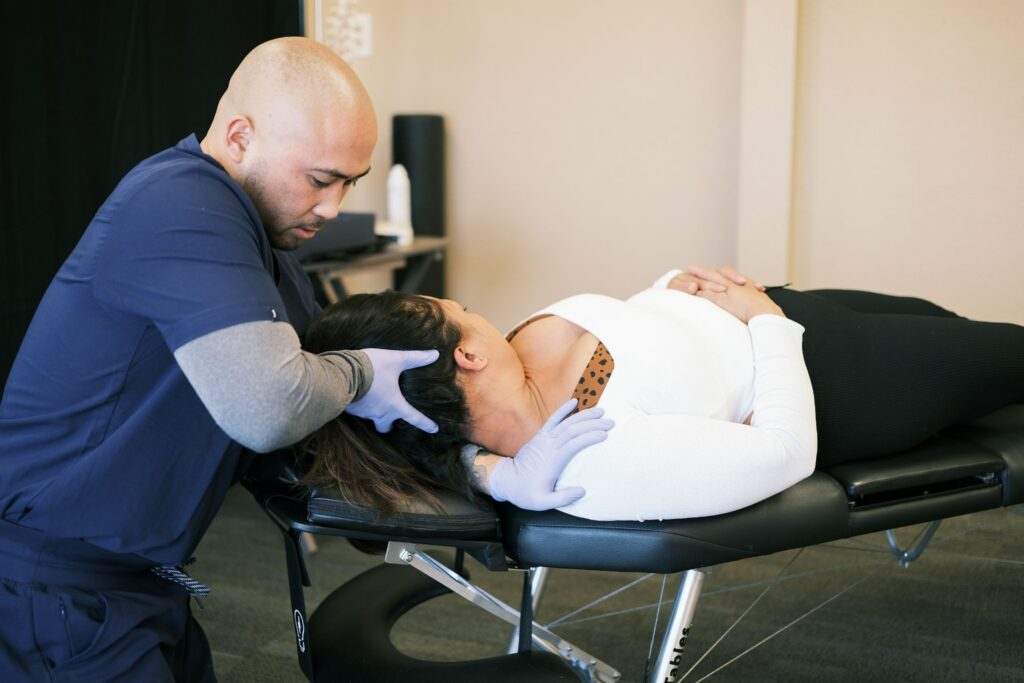

As a local chiropractor, I want to emphasize the significant role your posture plays in your overall health, particularly when it comes to back pain. Many people don’t realize how slouching or sitting in an improper position can contribute to discomfort and strain on your spine. Understanding these links is crucial for your well-being.
That’s why I encourage you to take this quiz to explore how your daily habits might be affecting your spinal health. You may be surprised at the insights you uncover about your posture and how it relates to your comfort and pain levels. By becoming more aware of your body’s alignment, you can take proactive steps toward better health and relief from back pain. Let’s work together to improve your posture and enhance your quality of life!
Understanding Posture and Its Importance
As a local chiropractor, I want to share with you the vital role that posture plays in your overall health and well-being. Many people don’t realize that good posture isn’t just about looking confident; it’s fundamental to supporting the natural curves of your spine. Proper alignment helps reduce strain on your muscles and ligaments, which can alleviate discomfort and prevent pain.
Take a moment to reflect on how you sit, stand, and move throughout your day. Each position you adopt can either promote a healthy spine or lead to unnecessary tension and discomfort. By practicing good posture, you’re not only protecting your back but also enhancing your breathing and circulation. This improved oxygen flow can give you a boost in energy and focus, making you feel more vibrant and productive.
Understanding the importance of posture empowers you to make conscious adjustments in your daily life. As your chiropractor, I encourage you to prioritize your posture. By doing so, you can experience lasting benefits not just for your back, but for your overall health.
Let’s work together to create a pain-free, healthier lifestyle that supports your spine and well-being.
Common Posture Mistakes
As a local chiropractor, I want to highlight some common posture mistakes that many people overlook, which can significantly impact your back health.
Poor habits like slouching while sitting, having an improper desk setup, and incorrect foot positioning can contribute to discomfort and pain in your back.
It’s essential to recognize these issues, as they can be easily corrected with some mindful adjustments.
By improving your posture, you can enhance your comfort and overall well-being.
Let’s explore how to make these important changes for a healthier spine and a more pain-free life.
Slouching While Sitting
As a local chiropractor, I often see patients who struggle with slouching while sitting, a common posture mistake that can lead to significant discomfort and back pain.
When you hunch over, you compress your spine and strain your muscles, which can result in stiffness and tension. Many people don’t realize that poor posture can also affect your breathing and overall energy levels.
I encourage you to be mindful of your posture throughout the day, especially if you spend long hours sitting. Instead of leaning forward, try sitting up straight with your shoulders back and your feet flat on the floor.
This simple adjustment helps distribute your weight evenly and reduces unnecessary strain on your back.
By making these small changes, you can improve your comfort and potentially prevent future pain.
Improper Desk Setup
As a local chiropractor, I often see patients who may not realize that an improper desk setup can significantly impact their posture and contribute to back pain.
It’s not just about how you sit; the arrangement of your workspace plays a crucial role in your overall spinal health.
For instance, if your monitor isn’t at eye level, you may find yourself hunching forward or tilting your head, which can lead to unnecessary strain on your neck and spine.
Similarly, a chair lacking adequate lumbar support can force you into a slouched position, exacerbating any existing discomfort.
It’s also essential to consider the placement of your keyboard and mouse. They should be positioned close to your body to avoid reaching, which can strain your shoulders and upper back.
Additionally, ensure that your desk is at a comfortable height that allows your elbows to maintain a 90-degree angle.
Making these adjustments to your workspace can be a game changer for your posture and overall back health.
Remember, integrating proper ergonomics into your daily routine is a vital step toward natural healing and maintaining a healthy spine.
If you have any questions or need further guidance on how to optimize your desk setup, feel free to reach out – I’m here to help!
Incorrect Foot Positioning
As a chiropractor, I want to highlight an often-overlooked aspect of your posture: foot positioning. Many people don’t realize how much our feet influence our overall alignment and comfort.
When you’re sitting or standing, it’s essential that your feet are flat on the ground and your weight is distributed evenly. If your feet dangle or are positioned awkwardly, it can create unnecessary strain on your lower back and legs.
I encourage you to keep your knees at a right angle and to avoid crossing your legs for long periods. If you’re standing, make sure to balance your weight on both feet and steer clear of locking your knees.
These simple adjustments can significantly improve your posture and help minimize the risk of back pain.
Remember, proper foot positioning is a crucial foundation for a healthy spine and overall well-being. By paying attention to how you position your feet, you’re taking an important step towards better health and comfort.
If you have any questions about how foot positioning affects your body or how chiropractic care can support your journey to wellness, feel free to ask!
The Connection Between Posture and Back Pain
As your local chiropractor, I want to share some important insights about the connection between posture and back pain. Many of you may not realize that maintaining poor posture can significantly contribute to discomfort and pain in your back.
Your spine is designed to be in a balanced alignment, and when you slouch or hunch over, it puts unnecessary strain on your back muscles and ligaments. This misalignment can lead to muscle fatigue and discomfort, making it challenging for your body to support itself properly.
If you find yourself sitting or standing incorrectly for extended periods, you could be worsening any pre-existing conditions, such as herniated discs or muscle strains. Your body naturally compensates for poor posture by tightening certain muscles while allowing others to weaken, creating an imbalance that often results in pain.
By focusing on proper posture and alignment, we can work together to alleviate pain and improve your overall well-being.
As a chiropractor, I’m here to guide you through natural healing methods that promote a healthier posture and, in turn, a healthier back. Let’s take the first step toward a pain-free life together!
Signs Your Posture May Be Affecting You
As a local chiropractor, I often encounter patients who are unaware of how their posture can significantly impact their overall health. Have you ever experienced persistent aches or fatigue after a long day? If so, it’s possible that your posture is playing a role in how you feel. Poor posture can lead to muscle strain and discomfort, making it difficult to concentrate or unwind in the evenings.
Many people unknowingly adopt habits like slouching at their desks, leaning forward when using their phones, or hunching over while watching TV. These common postural patterns can cause tension in your neck, shoulders, and back, leading to ongoing discomfort.
Another indicator that your posture might be affecting you is how you feel when standing or walking. If you find yourself frequently adjusting your position or feeling unstable, this could signal that your posture isn’t providing the support your body needs. Additionally, you might experience headaches or even digestive issues that can be linked to poor posture.
It’s important to listen to your body; it communicates when something isn’t quite right. By recognizing these signs and symptoms, you can take proactive steps to improve your posture. This not only helps alleviate discomfort but also enhances your overall well-being.
As a chiropractor, I’m here to guide you on this journey to better posture and natural healing.
Taking the Quiz: Assess Your Posture
As a local chiropractor, I want to emphasize the vital role that posture plays in your overall health and well-being. Understanding how your posture affects your body is the first step toward making positive changes.
Take a moment to think about your daily habits. Do you often catch yourself slouching when sitting? Are your shoulders rounded, or does your neck tend to lean forward? These are important questions to consider when evaluating your alignment.
Next, let’s examine how you stand and move. Are your feet positioned shoulder-width apart, or do you find yourself leaning to one side? It’s crucial to pay attention to the natural curve of your spine; ideally, it should maintain a gentle S-shape that supports your body’s weight efficiently.
Finally, take note of how your posture feels during everyday activities. Are you comfortable, or do you notice tension in your back or neck? Reflecting on these aspects will give you valuable insights into your posture and how it may be contributing to any discomfort or pain you experience.
Analyzing Your Results
As a local chiropractor, I want to help you understand how your posture habits can impact your overall health, particularly your back pain. The results of your quiz provide valuable insights into how you carry yourself throughout the day.
If you scored well in maintaining good posture, it suggests that you’re aware of your body alignment, which plays a crucial role in preventing discomfort. On the other hand, lower scores may indicate habits such as slouching or leaning forward that can contribute to pain.
I encourage you to take a moment to consider where you might need to make some changes. Are you often hunched over your phone or computer? Do you spend long hours sitting without taking breaks? Recognizing these patterns is the first step toward improving your posture and, ultimately, your health.
Your quiz results can act as a wake-up call, prompting you to reassess your daily routines. Understanding how your posture influences your back pain is essential in finding effective relief strategies.
As you explore chiropractic care and natural healing methods, we can work together to develop a personalized approach to enhance your well-being and alleviate discomfort.
Tips for Improving Your Posture
As a local chiropractor, I want to emphasize the importance of proper posture and how it can significantly impact your overall health. One of the first steps to improving your posture is creating an ergonomic workspace that truly supports your body. This means adjusting your chair, desk, and computer setup to ensure you’re not straining your muscles or joints.
In addition, incorporating stretching and strengthening exercises into your daily routine can do wonders for your posture. These exercises help to strengthen the muscles that support your spine and improve flexibility, making it easier to maintain a healthy alignment.
I also encourage you to practice mindful sitting techniques throughout the day. This means being aware of your body’s alignment while sitting, standing, or moving. By paying attention to your posture, you can make small adjustments that lead to significant improvements over time.
Remember, good posture isn’t just about looking confident; it’s about taking care of your body and preventing discomfort or pain in the future.
If you have any questions or need guidance on how to get started, feel free to reach out. Your health is worth it!
Ergonomic Workplace Setup
As a chiropractor, I often see the effects of poor workstation ergonomics on my patients’ spinal health. If you’re spending long hours at your desk, it’s crucial to prioritize an ergonomic workplace setup to maintain good posture and prevent issues like back pain.
Start by ensuring your chair provides proper support for your lower back; this helps maintain the natural curvature of your spine. Your feet should rest flat on the floor, and your knees should form a 90-degree angle, aligning parallel to your hips. This alignment is essential for reducing stress on your lower back.
Position your computer monitor at eye level, roughly an arm’s length away. This helps avoid unnecessary neck strain, which is a common complaint I encounter.
It’s also important to use a keyboard and mouse that allow your elbows to remain close to your body and your wrists to stay straight, as this can prevent discomfort in your arms and shoulders.
If you have the option, consider using a standing desk or an adjustable chair that allows for movement throughout the day. This not only encourages better posture but also promotes circulation.
Lastly, keep frequently used items within easy reach to minimize twisting and stretching, which can lead to strain.
A proper ergonomic setup not only enhances your comfort but also significantly reduces the risk of pain and injury. Taking these steps can greatly benefit your overall physical health and well-being. Your spine will thank you!
Stretching and Strengthening Exercises
As a local chiropractor, I want to emphasize the importance of maintaining good posture for your spinal health. However, it’s equally crucial to incorporate stretching and strengthening exercises into your routine to truly enhance your well-being.
Stretching not only improves flexibility but also helps relieve muscle tension, which can significantly alleviate back pain. I recommend focusing on stretches that target your hamstrings, hip flexors, and lower back to improve your overall mobility.
In addition to stretching, strengthening exercises are vital for supporting your spine. Incorporating movements such as planks, bridges, and rows can help build a strong core. A robust core is essential for stabilizing your posture and preventing discomfort.
I suggest aiming for at least three sessions a week, where you dedicate time to both stretching and strengthening. By doing so, you’ll not only enhance your posture but also lower your risk of experiencing future back pain.
Embracing these practices can lead to a healthier, pain-free lifestyle, and I’m here to guide you on that journey.
Mindful Sitting Techniques
As a local chiropractor dedicated to helping you achieve optimal health, I want to share some important insights on maintaining good posture through mindful sitting techniques.
It’s crucial to start with a supportive chair that allows your feet to rest flat on the floor. Your knees should form a right angle, and it’s best to avoid crossing your legs, as this can lead to misalignment in your spine.
When you sit, align your back against the chair, allowing your shoulders to relax and ensuring your ears are in line with your shoulders. If you find that you need a little extra support, consider using a small cushion or lumbar roll, which can help maintain the natural curve of your lower back.
If you’re working at a desk, make sure to position your computer screen at eye level. This will help prevent unnecessary neck strain, which is a common issue I see in my practice.
Remember, it’s also important to take breaks every hour. Stand up, stretch, and reset your posture—these small adjustments can significantly reduce discomfort and enhance your overall well-being.
By incorporating these mindful sitting techniques into your daily routine, you’re not only supporting your posture but also taking steps towards a healthier spine.
If you have any questions or need further guidance, don’t hesitate to reach out. Your health is our priority!
Seeking Professional Help for Posture-Related Pain
If you’re dealing with pain related to poor posture, I want to emphasize how important it’s to seek professional help—specifically, from a chiropractor. As a chiropractor, my goal is to help you understand how your posture affects your body and overall well-being.
During your initial visit, I’ll conduct a thorough assessment of your posture and identify any specific issues that may be contributing to your discomfort. From there, I’ll develop a personalized treatment plan designed just for you, which may include spinal adjustments, exercises, stretches, and other hands-on techniques aimed at relieving pain and enhancing your posture.
Many people underestimate the benefits of chiropractic care, but expert guidance can make a world of difference. I’ll teach you how to maintain proper alignment during your daily activities, which can significantly reduce strain on your body.
Understanding the relationship between your posture and your overall health is essential, and I’m here to guide you through that process.
If you find that your pain persists despite our efforts, it may be beneficial to consult with a pain management specialist for additional support. They can provide various treatment options, including medication and injections, to help you find relief.
Remember, addressing these concerns now can help prevent more serious issues down the line. Don’t hesitate to reach out for the support you need.
Your journey toward a pain-free life can start with a simple step—contacting a chiropractor to discuss your posture and pain management. Together, we can work towards improving your health and well-being.
Conclusion
As a local chiropractor, I want to emphasize how crucial your posture is in managing and alleviating back pain. Many individuals often overlook the impact of their posture, which can lead to discomfort or exacerbate existing pain. By recognizing common posture mistakes and understanding how they affect your body, you can take proactive measures to improve your alignment and overall health.
I encourage you to take our quiz to assess your posture habits and see how they might be influencing your well-being. This is a great starting point for understanding the connection between posture and pain relief. With the right strategies, which may include chiropractic adjustments and lifestyle changes, along with potential professional guidance, you can improve your posture, diminish pain, and lead a healthier, more comfortable life. Remember, small adjustments can make a significant difference in your overall quality of life!