
If you're managing pain in Tracy, CA, you've got a range of options at your fingertips, each tailored to meet different needs. From traditional medications to physical therapies like chiropractic care, the choices can be overwhelming. Maybe you're considering holistic approaches like acupuncture or exploring local support groups for shared experiences. With so many methods available, how do you determine what's truly effective for you? The answer may lie in a combination of therapies that resonate with your lifestyle and preferences, but uncovering the best fit requires a closer look at what Tracy has to offer.
Overview of Pain Relief Options
When you're dealing with pain, understanding your relief options can make all the difference. You've got a variety of methods at your disposal, and knowing what suits your needs best can lead to effective management.
First off, consider physical therapies, like chiropractic care or massage. These hands-on approaches can help alleviate tension, improve mobility, and promote overall well-being.
Another option is the use of heat and cold therapy. Applying a heating pad can soothe sore muscles, while ice packs are great for reducing inflammation. Both methods are simple but can provide significant relief when used correctly.
If you're looking for something more holistic, you might explore acupuncture or aromatherapy. Acupuncture involves inserting fine needles at specific points in your body, which some find effective in reducing pain. Aromatherapy uses essential oils to enhance relaxation and might also help in pain management.
You can also investigate lifestyle changes. Regular exercise, proper hydration, and a balanced diet can all play important roles in how your body handles pain. Incorporating mindfulness practices, such as yoga or meditation, may further empower you to cope with discomfort.
Finally, don't overlook community resources. Local support groups or wellness workshops can provide additional strategies and encouragement.
With so many options available, you can take proactive steps towards finding the relief that works best for you.
Traditional Medications Available
When you're seeking pain relief, traditional medications can be a viable option.
You'll find a range of over-the-counter choices that provide quick relief, as well as prescription medications for more severe pain.
Understanding these options can help you make informed decisions about your pain management.
Over-the-Counter Options
What options are available for pain relief without a prescription?
You'll find several effective over-the-counter (OTC) medications that can help alleviate your discomfort. Nonsteroidal anti-inflammatory drugs (NSAIDs) like ibuprofen (Advil, Motrin) and naproxen (Aleve) are commonly used to reduce inflammation, pain, and fever.
They're particularly useful for conditions like arthritis or muscle strains.
Acetaminophen (Tylenol) is another popular choice. It's effective for pain relief and is gentler on the stomach than NSAIDs, making it suitable for those who might be sensitive to harsher medications.
Depending on your pain level or specific needs, you may also consider topical analgesics. Products containing menthol or capsaicin can be applied directly to the skin to provide localized relief for muscle and joint pain.
Always follow dosage instructions on the packaging and consult with a healthcare professional if you have any concerns, especially if you're taking other medications.
Prescription Medications Overview
Prescription medications for pain relief offer a range of options tailored to your specific needs. These medications can be divided into several categories, including opioids, nonsteroidal anti-inflammatory drugs (NSAIDs), and muscle relaxants. Each category serves distinct purposes, and your healthcare provider will help you determine which option is best for you.
Opioids, such as morphine and oxycodone, are typically prescribed for severe pain. While they can be effective, they also carry a risk of dependence and side effects, so careful monitoring is crucial.
NSAIDs, like ibuprofen and naproxen, help reduce inflammation and are often used for conditions like arthritis or muscle pain. They're generally considered safer for long-term use but can still cause gastrointestinal issues.
Muscle relaxants, such as cyclobenzaprine, can alleviate pain caused by muscle spasms or injuries. Your doctor might also suggest adjuvant medications, like certain antidepressants or anticonvulsants, which can help manage chronic pain.
Always discuss your pain management plan with your healthcare provider to guarantee safety and effectiveness. With the right prescription medication, you can find relief tailored to your situation.
Physical Therapy Techniques
When it comes to physical therapy techniques, manual therapy approaches can provide targeted relief for your pain.
You'll also find that exercise and rehabilitation programs play an essential role in building strength and improving mobility.
Together, these methods can help you regain control over your body and enhance your overall well-being.
Manual Therapy Approaches
Manual therapy approaches in physical therapy can really help kickstart your recovery from pain. These hands-on techniques target the muscles, joints, and connective tissues, providing relief and improving mobility. A skilled therapist uses various methods to manipulate and mobilize your body, addressing pain and dysfunction directly.
One common technique is joint mobilization, where the therapist applies controlled movements to your joints. This helps increase range of motion and reduces stiffness.
Soft tissue manipulation, another aspect of manual therapy, focuses on releasing tension in the muscles and fascia, promoting relaxation and blood circulation.
You might also encounter techniques like myofascial release or trigger point therapy, which address knots and tight areas in your muscles. These methods can alleviate pain and restore normal function.
Additionally, manual therapy can be an effective way to complement other treatments, enhancing your overall recovery process.
It's essential to communicate with your therapist about your specific pain and goals, as they'll tailor the treatment to your needs.
Exercise and Rehabilitation Programs
Exercise and rehabilitation programs play an essential role in pain management and recovery. Engaging in tailored exercises can considerably reduce pain and improve your overall function. When you participate in these programs, you focus on strengthening muscles, increasing flexibility, and enhancing endurance. This holistic approach aids in restoring movement and alleviating discomfort.
Physical therapists customize these programs based on your specific needs and conditions. They'll guide you through various techniques, such as stretching, resistance training, and aerobic exercises. These activities not only target the affected areas but also promote overall health, boosting your mood and energy levels.
It's vital to remain consistent with your exercise routine. You'll likely notice improvements in your pain levels and mobility as you stick with it.
Additionally, rehabilitation programs often incorporate education on body mechanics, which helps you avoid future injuries and manage pain effectively.
Don't hesitate to ask your therapist questions or express any concerns. Their expertise will guarantee you're on the right path to recovery.
Chiropractic Care in Tracy
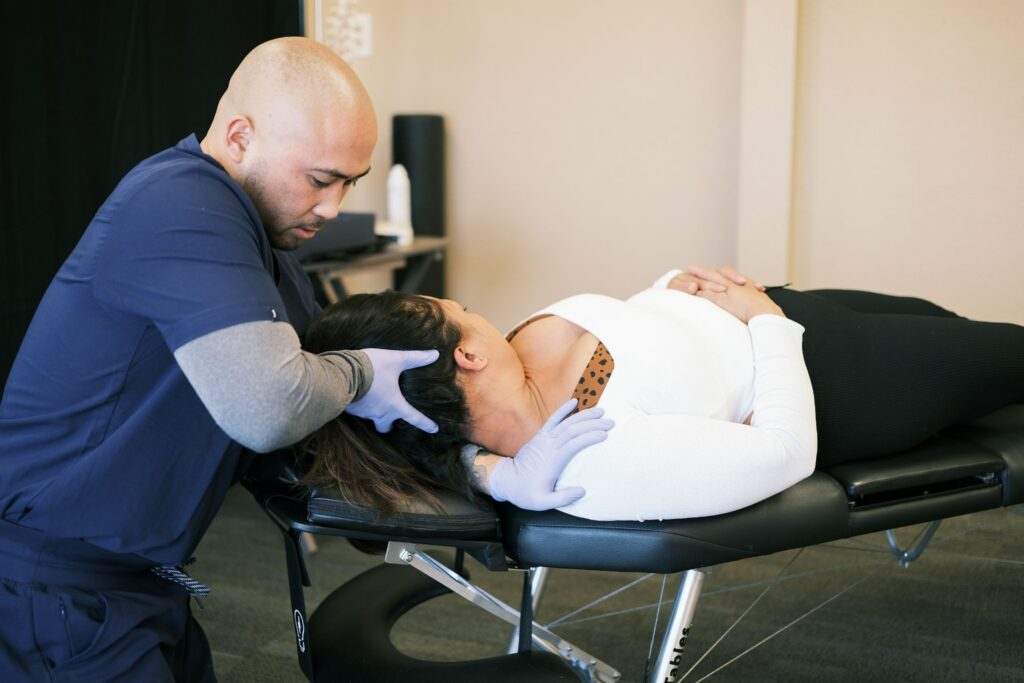
Chiropractic care in Tracy is often sought by those looking for effective pain relief and improved mobility. If you're dealing with chronic pain, headaches, or discomfort from injuries, visiting a chiropractor could be a beneficial choice. Chiropractors focus on diagnosing and treating musculoskeletal disorders, primarily through manual adjustments and manipulations of the spine.
When you visit a chiropractor, they'll assess your posture, range of motion, and overall spinal alignment. This thorough examination helps them identify the source of your pain. Once they've pinpointed the issue, they'll develop a personalized treatment plan aimed at restoring your mobility and alleviating discomfort. Many patients experience immediate relief after their first adjustment, while others may require several sessions for ideal results.
In addition to spinal adjustments, chiropractors often employ complementary therapies like massage, ultrasound, or electrical stimulation. These methods can enhance your overall treatment experience and further promote healing.
One of the significant advantages of chiropractic care is its non-invasive nature, making it an appealing option for those who prefer to avoid medication or surgery.
Moreover, chiropractors often provide valuable advice on lifestyle changes, ergonomics, and exercises to help you maintain your progress. By incorporating their recommendations, you can work towards long-term pain relief and improved physical function.
Acupuncture and Alternative Therapies
When exploring pain relief options in Tracy, acupuncture and alternative therapies can offer effective solutions. Acupuncture, a key component of traditional Chinese medicine, involves inserting thin needles into specific points on your body to promote healing and alleviate pain. Many people find that acupuncture not only helps reduce pain but also improves overall well-being by enhancing energy flow and balancing bodily functions.
You might also want to take into account other alternative therapies such as chiropractic care, which focuses on the alignment of your spine and joints. Chiropractors use various techniques to relieve pain and improve mobility, making it a complementary option to acupuncture.
Additionally, massage therapy can provide significant relief, as skilled therapists manipulate soft tissues to reduce tension and improve circulation.
Herbal medicine is another alternative worth exploring. Many herbal remedies have been used for centuries to tackle various ailments, and some may help in pain management. However, it's crucial to consult with a healthcare professional before starting any herbal treatment to guarantee safety and effectiveness.
Finally, don't overlook the benefits of yoga and tai chi. These practices combine gentle movements, stretching, and breath control, promoting physical and mental relaxation while alleviating pain. They can be especially beneficial if you're looking for a holistic approach to pain relief.
Mindfulness and Meditation Practices
Mindfulness and meditation practices offer a profound way to enhance your pain relief journey in Tracy. These techniques enable you to cultivate a deeper awareness of your body and thoughts, which can greatly impact how you perceive and manage pain. By focusing your attention on the present moment, you can reduce stress and anxiety, common contributors to chronic pain.
To get started, find a quiet space where you won't be disturbed. Sit comfortably, close your eyes, and take a few deep breaths. As you inhale, visualize positive energy filling your body, and as you exhale, let go of any tension. This simple practice helps you connect with your body and notice areas where pain may reside without judgment.
You can also explore guided meditations or mindfulness apps, which provide structured sessions tailored to pain management. These resources often include body scans, where you focus on different parts of your body, promoting relaxation and awareness. Over time, you may notice a shift in your pain perception, feeling more in control and less overwhelmed.
Additionally, try incorporating mindfulness into daily activities, like eating or walking. Being fully present during these moments can help you develop a more mindful attitude toward your pain, allowing for greater acceptance and resilience.
Local Support Groups and Resources
Connecting with others who share similar experiences can considerably enhance your pain management journey. In Tracy, CA, you have access to various local support groups and resources that can provide the encouragement and understanding you may need.
These groups often bring together individuals facing similar challenges, allowing you to share your experiences and coping strategies.
One great resource is the Tracy Pain Support Group, where members meet regularly to discuss their pain management techniques, offer emotional support, and exchange helpful tips.
These gatherings create a safe environment where you can express your frustrations, celebrate victories, and build lasting friendships with others who truly understand your situation.
Additionally, local hospitals and clinics often host workshops and seminars focused on pain management.
These events can provide valuable information about treatments, lifestyle changes, and alternative therapies. They also serve as a platform for connecting with healthcare professionals who can guide you in your journey.
Don't overlook online resources either.
Many organizations offer virtual support groups and forums where you can connect with others outside your immediate area.
Websites like the American Chronic Pain Association provide a wealth of information and community connections that can be beneficial.
Lifestyle Changes for Pain Management
Making effective lifestyle changes can greatly impact your pain management strategy. Start by focusing on your diet. Incorporating anti-inflammatory foods like leafy greens, nuts, and fatty fish can help reduce pain levels. Avoid processed foods and excessive sugars, as they can trigger inflammation and worsen your symptoms.
Next, prioritize regular exercise. You don't have to hit the gym; simple activities like walking, swimming, or yoga can strengthen your body and improve flexibility. Aim for at least 30 minutes of moderate exercise most days of the week. This will release endorphins, your body's natural pain relievers, and can enhance your overall mood.
Don't underestimate the power of sleep. Quality rest is essential for healing and pain management. Establish a calming bedtime routine, keep your sleep environment comfortable, and try to stick to a consistent sleep schedule. If you struggle with sleep, consider consulting a healthcare professional for guidance.
Additionally, find ways to manage stress effectively. Practices like mindfulness, meditation, or deep-breathing exercises can help you cope with pain and reduce anxiety. Engaging in hobbies or spending time with loved ones can also uplift your spirits.
Finally, stay hydrated. Drinking plenty of water can help your body function efficiently and alleviate discomfort.
Emerging Trends in Pain Relief
As new research emerges, innovative pain relief methods are gaining traction in Tracy, CA. You might be surprised to discover that some of these trends prioritize natural and holistic approaches, moving away from traditional pharmaceuticals.
One notable development is the rise of CBD products, which many are turning to for their anti-inflammatory and analgesic properties. People are increasingly experimenting with CBD oils, edibles, and topical creams to manage their pain without the side effects often associated with conventional medications.
Another trend you may want to explore is virtual reality (VR) therapy. This cutting-edge technology immerses users in calming environments, helping to distract from pain and reduce anxiety. Some clinics in Tracy are starting to incorporate VR sessions into their treatment plans, showing promising results in pain management.
Mindfulness and meditation practices are also gaining popularity. You can find local workshops and apps designed to guide you through techniques that not only help alleviate pain but also promote overall well-being. These practices focus on enhancing your mental resilience, making it easier to cope with chronic pain.
Lastly, regenerative medicine is on the rise, with therapies like platelet-rich plasma (PRP) injections becoming more accessible. These innovative treatments harness your body's natural healing processes to repair damaged tissues.
With these emerging trends, you have a wealth of options at your disposal. It's crucial to stay informed and consult with healthcare professionals to find the best approach tailored to your needs.
Conclusion
In Tracy, CA, you've got plenty of pain relief options to explore. Whether you prefer traditional medications or holistic therapies like acupuncture, there's something for everyone. Don't forget to contemplate physical therapy and mindfulness practices to enhance your recovery. Engaging with local support groups can also provide you with invaluable resources and connections. By combining these methods and making lifestyle changes, you can find the best approach to manage your pain effectively. Start your journey to relief today!