
When you're dealing with chronic back pain, the choice between non-invasive solutions and more traditional invasive procedures can be intimidating. You might wonder if lifestyle changes and alternative therapies can genuinely provide relief, or if the allure of quick surgical fixes is too tempting to resist. As you explore the effectiveness of various treatment options, consider how non-invasive approaches could reshape your understanding of pain management and enhance your quality of life. What if the key to your relief lies in simple, everyday changes?
Understanding Chronic Back Pain
Chronic back pain can feel like an uninvited guest that just won't leave. You might find yourself constantly adjusting your daily routine, trying to accommodate the discomfort that lingers. Understanding chronic back pain is vital in regaining control over your life. This type of pain lasts for three months or longer and can stem from various causes, including injuries, degenerative conditions, or even stress.
You may also notice that chronic back pain isn't just physical; it can affect your mental and emotional well-being. Frustration and anxiety often accompany the pain, making it even harder to cope. It's important to recognize that you're not alone in this struggle. Millions of people experience chronic back pain, and acknowledging its impact on your life is a significant first step toward finding relief.
Think about what triggers your pain. It could be specific movements, prolonged sitting, or even certain sleeping positions. Keeping a pain diary can help you identify patterns that contribute to your discomfort.
You'll likely discover that stress and lifestyle factors play a role too. Poor posture, lack of exercise, or even being overweight can exacerbate your condition.
Traditional Treatment Options
Finding effective relief from chronic back pain often involves exploring traditional treatment options. These methods have been used for years and can provide significant relief for many people. You'll want to take into account a few key approaches that have stood the test of time.
- Physical Therapy: Engaging in a tailored physical therapy program can help strengthen your back muscles, improve flexibility, and enhance your overall posture. A trained therapist will guide you through exercises that target your specific pain areas.
- Medications: Over-the-counter pain relievers like ibuprofen or acetaminophen can help manage your pain. In some cases, your doctor may prescribe stronger medications or muscle relaxants to provide more substantial relief.
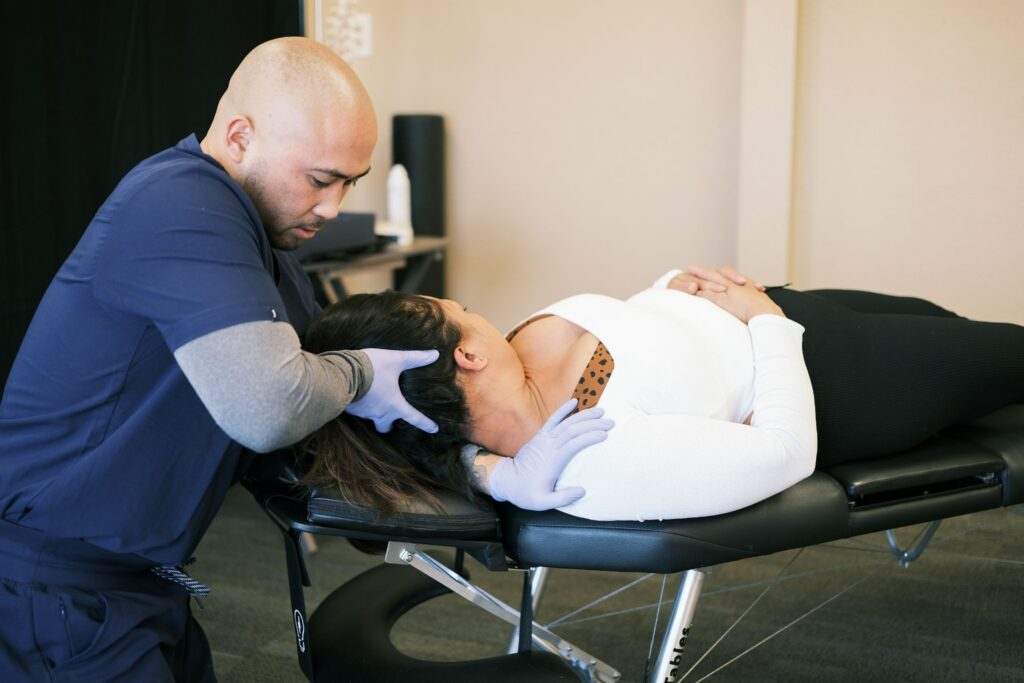
- Chiropractic Care: Many find relief through chiropractic adjustments, which focus on aligning the spine and relieving pressure on nerves. Regular visits can improve your overall spinal health and reduce pain.
- Massage Therapy: Therapeutic massage can alleviate tension in your back muscles. It's not just about relaxation; it also enhances blood circulation and promotes healing.
Each of these traditional treatment options has its benefits and can be tailored to fit your unique situation.
It's crucial to consult with a healthcare provider to determine which methods align best with your needs. By incorporating these approaches, you can take meaningful steps toward managing your chronic back pain effectively.
Limitations of Invasive Procedures
Invasive procedures, while sometimes necessary, come with a range of limitations that can affect your recovery and overall health. One major concern is the risk of complications. Whether it's an infection, nerve damage, or unexpected reactions to anesthesia, these risks can lead to longer recovery times and additional health issues. You might find yourself in a position where managing these complications becomes an added burden.
Another limitation is the potential for pain and discomfort post-procedure. Many people underestimate the recovery process, which can include significant pain during healing. This discomfort can also hinder your mobility, making it challenging to return to your daily activities or even engage in physical therapy, which is essential for long-term recovery.
Invasive procedures often require a lengthy rehabilitation period. You may have to miss work, limit your usual activities, and rely on others for support. This disruption can create emotional stress and anxiety, further complicating your recovery.
Moreover, invasive options sometimes fail to provide the relief you hoped for. Even after surgery, there's no guarantee you'll be free from back pain. This uncertainty can lead to frustration and feelings of hopelessness as you navigate your treatment options.
Lastly, the financial implications of invasive procedures can add another layer of stress. High costs for surgeries, hospital stays, and follow-up care may not be covered by insurance, leaving you with substantial out-of-pocket expenses.
All these factors make it imperative to weigh your options carefully.
Overview of Non-Invasive Solutions
When you're seeking relief from chronic back pain, non-invasive solutions can be a game changer.
Physical therapy can strengthen your muscles and improve your flexibility, while alternative treatments offer additional paths to comfort.
Exploring these options might just lead you to the relief you've been searching for.
Physical Therapy Benefits
Physical therapy offers a valuable approach to managing chronic back pain without resorting to surgery or medication. By engaging in targeted exercises and stretches, you can enhance your strength, flexibility, and overall well-being.
Here are some key benefits you can expect from physical therapy:
- Pain Reduction: Your therapist will teach you techniques to alleviate pain and improve your comfort levels.
- Improved Mobility: You'll work on exercises that increase your range of motion, helping you perform daily activities more easily.
- Strength Building: Through a personalized program, you'll gradually strengthen the muscles that support your spine, reducing the risk of future injuries.
- Education: You'll gain insights into your condition and learn how to manage symptoms effectively, empowering you to take control of your health.
Incorporating physical therapy into your chronic back pain treatment plan can lead to significant improvements in your quality of life.
You'll not only find relief but also develop strategies to prevent future flare-ups. Consider consulting a physical therapist to explore the tailored options available to you.
Alternative Treatment Options
Exploring alternative treatment options can open up new avenues for managing chronic back pain without relying on invasive procedures. Techniques such as acupuncture, chiropractic care, and massage therapy can provide significant relief.
Acupuncture works by stimulating specific points to release endorphins, helping to reduce pain and inflammation. Chiropractic adjustments focus on aligning the spine, which may alleviate pressure on nerves and improve mobility. Many patients report feeling immediate relief after a session.
Massage therapy, on the other hand, targets muscle tension and improves circulation, offering a soothing approach to pain management. Additionally, you might consider mindfulness practices, like yoga or meditation. These can help you develop a better mind-body connection, reducing stress and enhancing your overall well-being.
Herbal remedies and supplements, such as turmeric or omega-3 fatty acids, are also gaining attention for their anti-inflammatory properties. Before trying any alternative treatment, it's crucial to consult with a healthcare professional to verify it's safe for you.
Physical Therapy and Rehabilitation
When you're dealing with chronic back pain, physical therapy can be a game changer.
You'll benefit from tailored treatment plans that address your specific needs and help you strengthen your core muscles.
This focused approach not only alleviates pain but also enhances your overall mobility and stability.
Tailored Treatment Plans
A tailored treatment plan can greatly enhance your recovery from chronic back pain. When you work with a physical therapist, they'll assess your unique situation and develop a program specifically for you. This personalized approach guarantees that you're not just doing generic exercises but instead focusing on what'll truly help your recovery.
Here are four key elements that might be included in your tailored plan:
- Assessment: Your therapist will evaluate your posture, flexibility, and strength to identify specific issues contributing to your pain.
- Manual Therapy: Techniques like massage or joint mobilization can help relieve tension and improve mobility.
- Exercise Regimen: Based on your assessment, you'll engage in targeted exercises that promote healing and reduce pain.
- Education: You'll learn about your condition, proper body mechanics, and strategies to prevent future injuries.
With a tailored treatment plan, you'll not only address your chronic back pain but also gain tools to maintain your progress.
Strengthening Core Muscles
Strengthening core muscles is essential for anyone dealing with chronic back pain. A strong core supports your spine, stabilizes your posture, and reduces strain on your back. Incorporating specific exercises into your routine can help you build this strength effectively.
Start with simple exercises like planks and bridges. These engage multiple core muscles without putting too much pressure on your back. As you progress, consider adding variations or resistance to challenge yourself. Remember, consistency is key; aim for three to four sessions per week.
Don't forget to focus on your breathing during these exercises. Proper breathing techniques enhance muscle engagement and improve your overall performance. If you're unsure where to begin, consult a physical therapist who can tailor a program to your needs.
Additionally, strengthening your core isn't just about your abs. Engage your obliques, lower back, and pelvic floor for a thorough approach.
As your core strengthens, you'll likely notice improved balance and reduced pain. Always listen to your body and adjust your exercises accordingly. By prioritizing core strength, you're taking a significant step toward alleviating chronic back pain and enhancing your quality of life.
Alternative Therapies Explained
Alternative therapies offer a variety of options for those seeking relief from chronic back pain. These therapies can complement traditional treatments or serve as standalone solutions. They often focus on holistic approaches, addressing not just the physical symptoms but also the emotional and psychological aspects of pain.
Here are four popular alternative therapies you might consider:
- Acupuncture: This ancient Chinese practice involves inserting thin needles at specific points on the body. It's believed to help regulate energy flow and can reduce pain and inflammation.
- Chiropractic Care: Chiropractors use manual manipulation to align the spine and improve mobility. Many people find relief from back pain through regular adjustments that target misalignments.
- Massage Therapy: Therapeutic massage can ease muscle tension, improve circulation, and enhance relaxation. It's a great way to relieve stress and promote overall well-being, which can be beneficial for managing chronic pain.
- Yoga: Incorporating gentle stretching and mindfulness, yoga can enhance flexibility and strengthen core muscles. Many find that regular practice helps alleviate back pain while also promoting mental clarity and relaxation.
Lifestyle Changes for Pain Management
Making small yet impactful lifestyle changes can greatly enhance your ability to manage chronic back pain. One effective strategy is to incorporate regular physical activity into your daily routine.
You don't need to become a gym rat; simple activities like walking, swimming, or yoga can strengthen your back and improve flexibility. Aim for at least 30 minutes of moderate exercise most days of the week.
Another key change is to focus on your posture. Whether you're sitting at a desk or standing in line, maintaining proper alignment can reduce strain on your back.
Invest in ergonomic furniture if you spend long hours seated, and remember to take breaks to stretch.
Nutrition also plays a role in pain management. Eating a balanced diet rich in anti-inflammatory foods, such as fruits, vegetables, and whole grains, can help reduce inflammation in your body.
Staying hydrated is equally important, so make sure you're drinking enough water throughout the day.
Finally, consider stress management techniques like mindfulness or meditation. Chronic stress can exacerbate pain, so finding ways to relax and unwind can be beneficial.
Deep breathing exercises or even gentle stretching can help you feel more centered and reduce tension in your back.
Comparing Effectiveness of Treatments
When exploring options for chronic back pain relief, it's crucial to compare the effectiveness of various treatments. With so many choices available, you want to verify you're selecting the best option for your specific needs.
Here's a breakdown of four popular treatment methods that can help alleviate your pain:
- Physical Therapy: Engaging in targeted exercises and stretches can strengthen your back muscles, improve flexibility, and reduce pain. Many find this method effective for long-term relief.
- Chiropractic Care: Chiropractors focus on spinal adjustments to enhance alignment and relieve pressure on nerves. Patients often report immediate pain reduction following treatments.
- Acupuncture: This ancient practice involves inserting thin needles into specific body points. Many individuals experience significant pain relief and improved mobility, making it a popular non-invasive option.
- Massage Therapy: Regular massages can help relax tense muscles, improve circulation, and reduce pain. This hands-on approach can be particularly beneficial for those who carry stress in their backs.
While each treatment has its benefits, effectiveness can vary from person to person. You might need to try a combination of therapies to find the perfect fit for your situation.
Always consult with your healthcare provider before starting any new treatment to verify it aligns with your overall health plan. By comparing these options, you can make an informed decision that leads to lasting relief from chronic back pain.
Conclusion
To sum up, embracing non-invasive solutions for chronic back pain can transform your life. By prioritizing physical therapy, alternative therapies, and lifestyle changes, you're not just managing pain—you're enhancing your overall well-being. Unlike invasive procedures, these approaches empower you to take control of your health and avoid unnecessary risks. So, make the shift today, strengthen your core, and adopt healthier habits. You'll likely find relief and regain the mobility you deserve without the burden of surgery.